 Vionic Relief insoles
Shoes for Flat Feet
Adults shopping for shoes for flat feet usually need three things: a stable base, a firm heel counter, and gentle arch contour. Orthotic Shop helps by grouping walking shoes, orthotic insoles, and comfort footwear so you can compare support level, depth, and fit before you buy.
Quick summary
- Start with stability: a steady heel, a shaped arch, and a shoe that does not twist too easily.
- If your shoes feel shallow, check depth and whether the footbed comes out before you size up.
- For tighter shoes, low-profile support can be easier to fit than a bulky insert.
- Walking shoes, supportive slippers, and supportive sandals all have a place when the fit details are right.
- Orthotic Shop groups collections by support style so you can compare options without guessing.
Understanding flat feet and fit
Flat feet usually mean the arch sits lower and the foot may roll inward more than average. That changes how a shoe should feel under the heel and midfoot. The goal is not a hard or pokey arch. It is a shoe or insert that feels steady, keeps the heel planted, and leaves enough room so the forefoot is not crowded.
Orthotic Shop’s fit guidance for flat feet and related support needs focuses on the same practical details: stable heels, arch contour, room in the toe box, and enough interior space for a removable insole or orthotic when needed.
Features to consider
| Feature | Why it matters | Where Orthotic Shop shows it |
|---|---|---|
| Stable base | Helps the shoe feel controlled instead of wobbly as you walk. | Best Walking Shoes for Flat Feet article; Arch Pain (Plantars Fasciitis) collection |
| Firm heel counter | Helps keep the heel centered and reduces side-to-side collapse. | Flat Feet Guide article; Arch Pain (Plantars Fasciitis) collection |
| Gentle arch contour | Supports the midfoot without feeling hard or intrusive. | Flat Feet Guide article; Drew Women's Shoes collection |
| Removable footbed or insole | Makes room for a custom insert or lower-profile support layer. | Walking collection; Foot Conditions collection; Drew Women's Shoes collection |
| Roomy toe box and width options | Helps the forefoot spread naturally instead of feeling squeezed. | Best Walking Shoes for Flat Feet article; Foot Conditions collection |
| Balanced cushioning | Softens impact without letting the shoe feel mushy. | Arch Pain (Plantars Fasciitis) collection; What Shoes Are Best for Plantar Fasciitis? article |
Verified collections to browse
Walking collection
This collection is a practical starting point for supportive everyday shoes. The collection description says these styles offer extra depth, wider options, and removable footbeds to accommodate orthotics while keeping your stride steady and comfortable.
Arch Pain (Plantars Fasciitis) collection
This collection is useful when flat feet and arch strain overlap. It calls out over-pronation as a common cause and points shoppers toward firm arch support, a stable heel cup, and a cushioned midsole.
Foot Conditions collection
This collection is built for practical comparison. It tells shoppers to measure feet at the end of the day, check width and arch height, look for removable footbeds, and use filters by condition, size, and support level.
Drew Women's Shoes collection
This women’s collection is built around supportive, orthopedic-informed footwear for flat feet and over-pronation. The description also highlights removable footbeds, built-in arch support, roomy toe boxes, and width options.
Featured products to consider
These current Orthotic Shop products provide practical starting points for comparing shoe fit, insert length, support structure, and available interior space. Product fit and comfort vary by person.

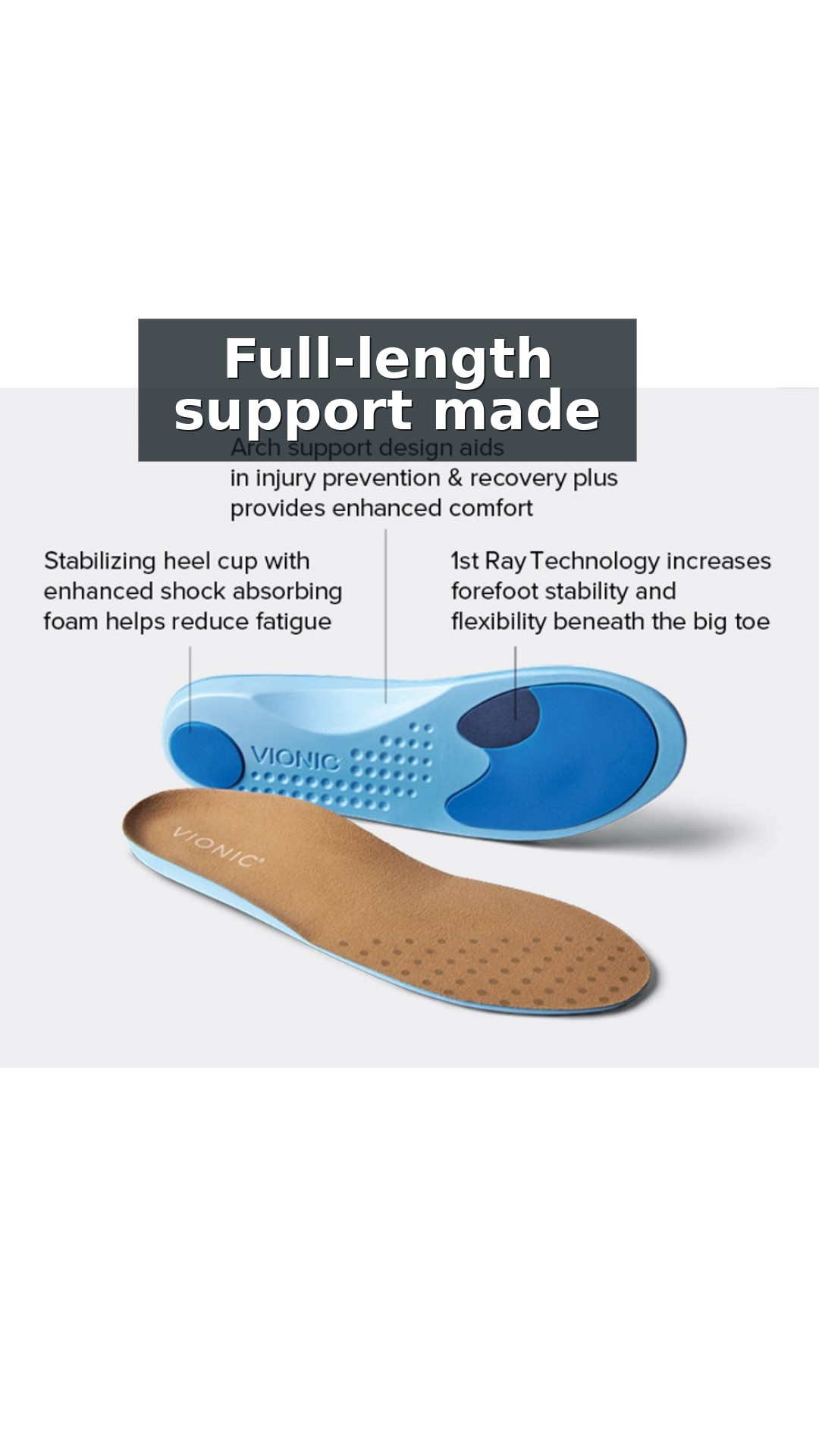
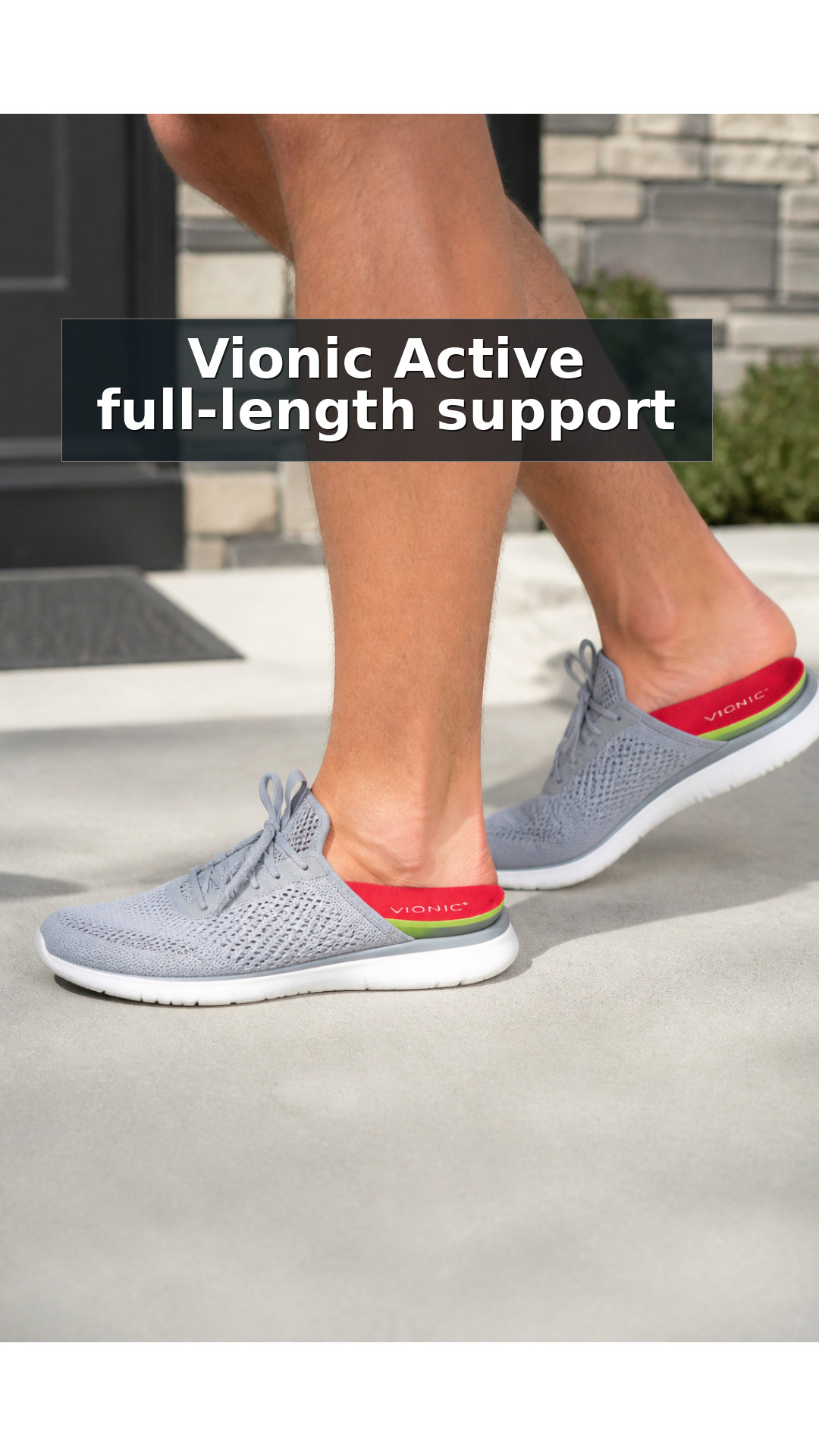
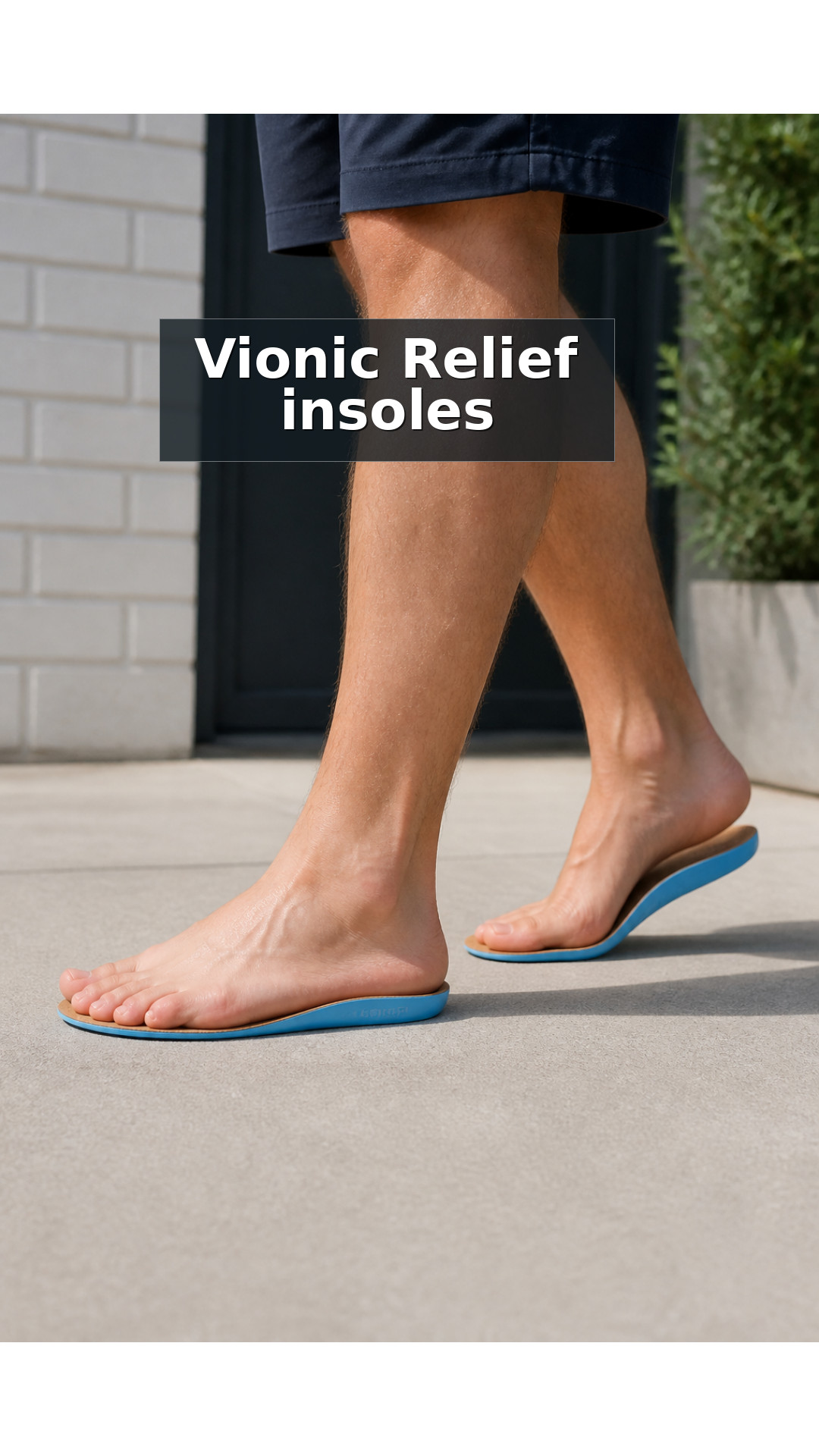
Vionic Relief Men's Full Length Orthotic Insoles
A full-length orthotic option described for walking shoes, work shoes, boots, and removable-insole footwear, with pronation support linked to flat feet.
ORTHOS Custom Made Orthotic Shoe Insoles for Active Footwear
A custom orthotic option with sports and active types that the copy says are suitable for pronation and provide support and stability.

Strive Capri 4 Women's Orthotic Sandals with Arch Support
A supportive sandal example that explicitly mentions flat feet, natural foot alignment, and a shock-absorbing sole.

Strive Zella Three Strap Orthotic Support Women's Slipper Sandal
A slipper sandal example with adjustable straps and a dual-density orthotic midsole that the copy ties to flat feet and alignment support.

Vionic Clare Slipper - Women's Cozy Orthotic Arch Support Slippers
A slipper example with a removable footbed and copy that ties it to over-pronation and flat feet.

Vionic Chardonnay Women's Heeled Sandals - Stylish and Comfortable Quarter/Ankle/T-Strap Sandals
A supportive dressier sandal example with an adjustable buckle closure, a supportive footbed, and a stable outsole.
How to choose
- Measure late in the day. The Foot Conditions collection recommends measuring feet at the end of the day and checking product notes for width and arch height.
- Decide the use case first. Choose walking shoes, supportive sandals, slippers, or an insert for the shoes you already wear.
- Match support to available space. A shoe with a removable footbed can usually take more support than a shallow shoe.
- Check the heel and midfoot feel. A supportive shoe should feel steady, not floppy, and the arch should feel present without being sharp.
- Try it at home. The Arch Pain collection says comfort and symptom reduction become clear after a few days of normal wear, not just a quick try-on.
- Keep notes. If a shoe feels good in the store but not at home, the problem is usually fit, depth, or support balance rather than style.
Common mistakes to avoid
- Choosing a flat or very soft footbed and expecting it to stay supportive.
- Sizing up only in length instead of checking width, depth, and toe-box room.
- Skipping removable footbeds when you know you want to add an orthotic.
- Assuming motion-control shoes are always required, even when a stability shoe would do the job.
- Buying based on a five-minute try-on instead of wearing the pair through normal activities.
Frequently asked questions
What features matter most for flat feet?
The clearest starting points are a stable base, a firm heel counter, gentle arch contour, and a roomy toe box. Orthotic Shop’s flat-feet guidance also points shoppers toward balanced cushioning and removable insoles when extra support is needed.
Are walking shoes a good starting point?
Yes. The Walking collection emphasizes extra depth, wider options, and removable footbeds, which makes it a useful first stop when you want everyday shoes that can accept support without feeling cramped. It is especially helpful if you want a practical baseline before comparing sandals, slippers, or more specialized comfort styles.
Do flat feet always need motion control shoes?
No. The flat-feet article says many walkers do best in stability shoes rather than full motion control. Motion control is more of a later step when inward roll is still too strong in a stability shoe.
Should I choose width before length?
Usually yes. Orthotic Shop’s guidance for flat feet and foot conditions repeatedly points to width, depth, and arch height before simply adding length. That keeps the toes from being pushed forward just to gain room.
When should I measure my feet?
Measure at the end of the day. The Foot Conditions collection specifically recommends that timing because feet are often a bit larger after a full day of standing or walking. That gives you a more realistic fit check, especially if you are comparing widths or planning to wear orthotic inserts.
Can sandals or slippers work for flat feet?
They can when they have enough structure. In this shop, the Strive Capri 4, Strive Zella, Vionic Clare Slipper, and Vionic Chardonnay examples all show that sandals and slippers can still include supportive footbeds or stable soles.
What if I already use custom orthotics?
Start with shoes that have removable footbeds or enough internal room. The Foot Conditions and Walking collections both point shoppers toward removable footbeds, which makes orthotic pairing easier. It also helps to compare depth and width so the insert can sit flat without crowding the top of the shoe.
What if the shoe feels good in the store but not at home?
Trust the at-home wear test. Orthotic Shop’s arch-pain guidance says comfort and symptom reduction are the key indicators of a good fit, so a few hours in normal routines tell you more than a quick try-on.
Related guides
- Best Walking Shoes for Flat Feet — a broader look at stability, cushioning, and everyday walking fit.
- Flat Feet Guide: Shoes, Insoles, and Support Tips — practical fit cues for shoes and inserts.
- Shoes for Plantar Fasciitis — helpful when flat feet also come with heel or arch pain.
- Shoes That Accommodate Custom Orthotics — good if you plan to add your own insert.
- What Shoes Are Best for Plantar Fasciitis? — another support-first guide with fit details that overlap with flat-feet shopping.
Editorial and medical-information note
Orthotic Shop’s content here is for shopping guidance and fit comparison, not diagnosis. If flat-foot discomfort is persistent, worsening, or paired with numbness, open wounds, sudden symptoms, diabetes-related foot concerns, or uncertainty about what you are feeling, please contact a qualified professional for advice.
Style and product inspiration
Swipe through comfort footwear highlights and shop each featured style.