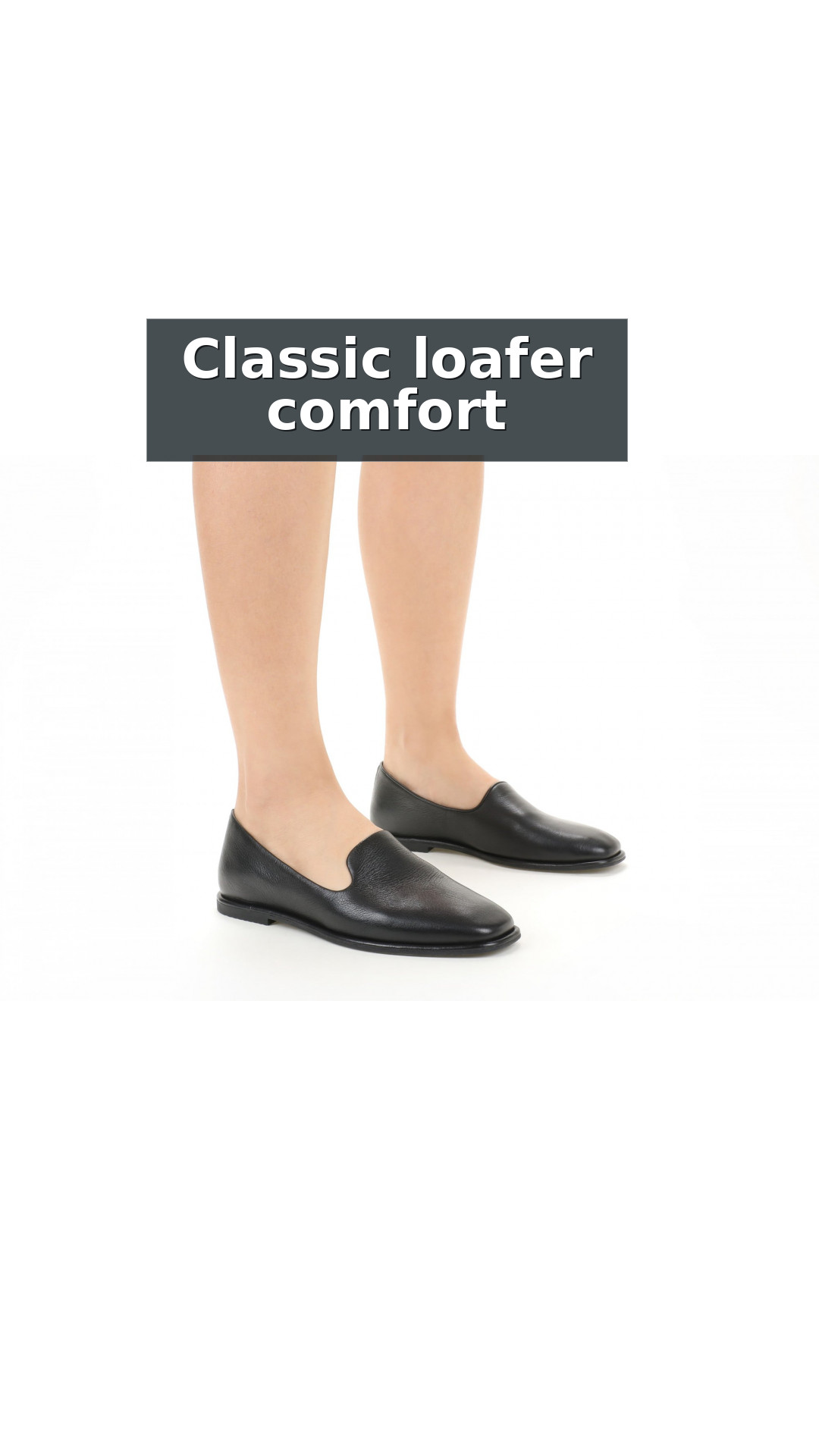
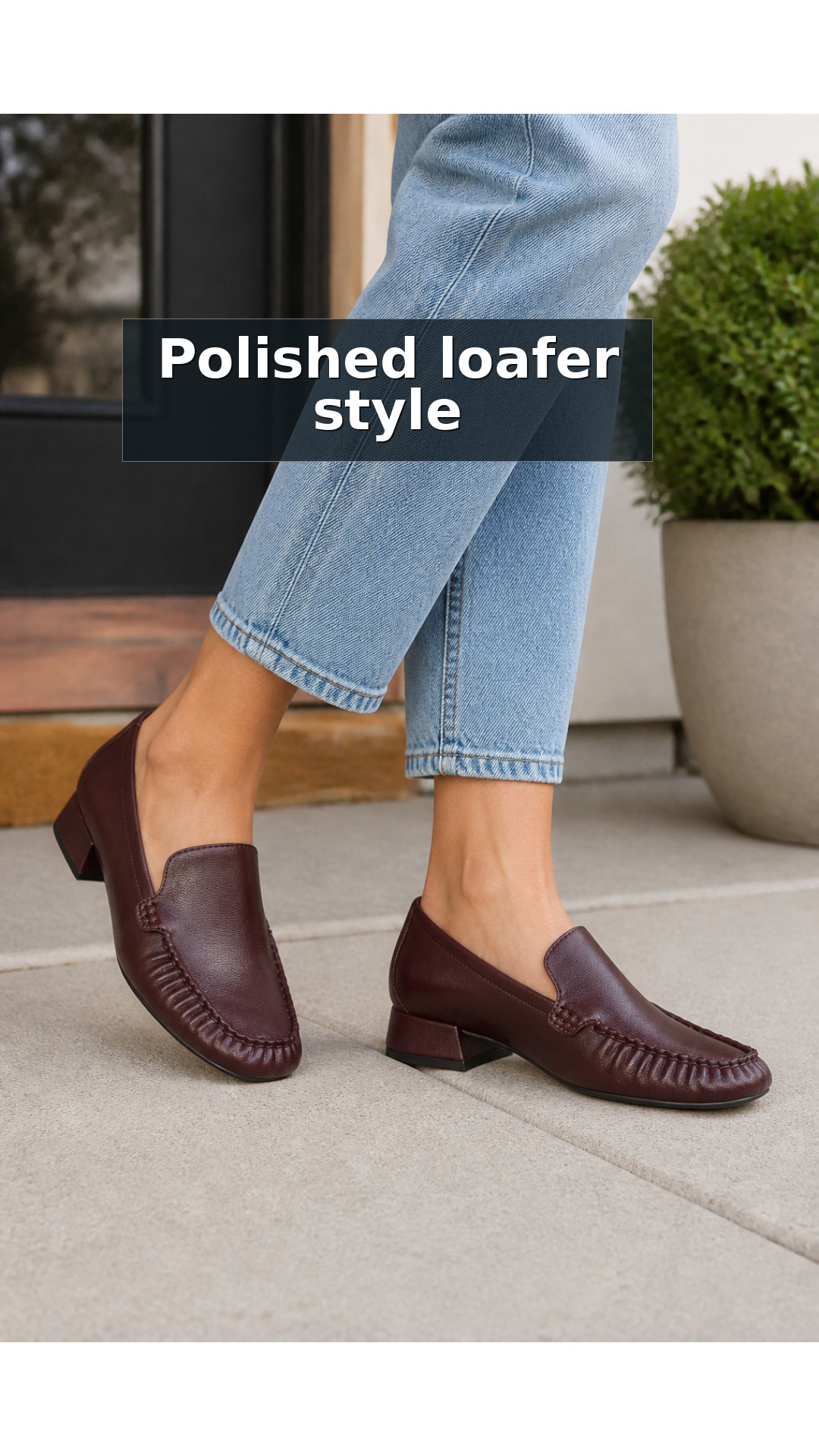
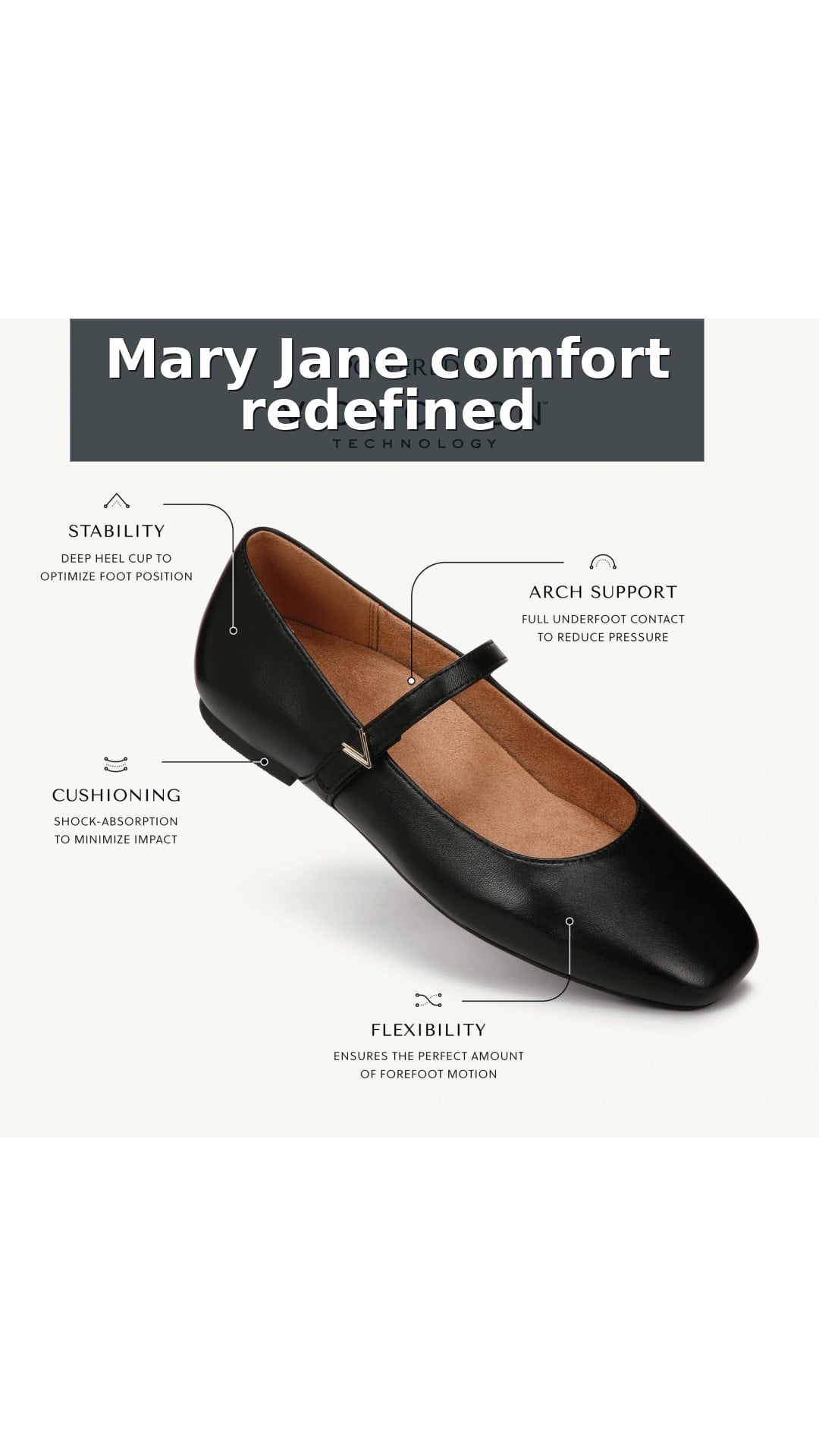
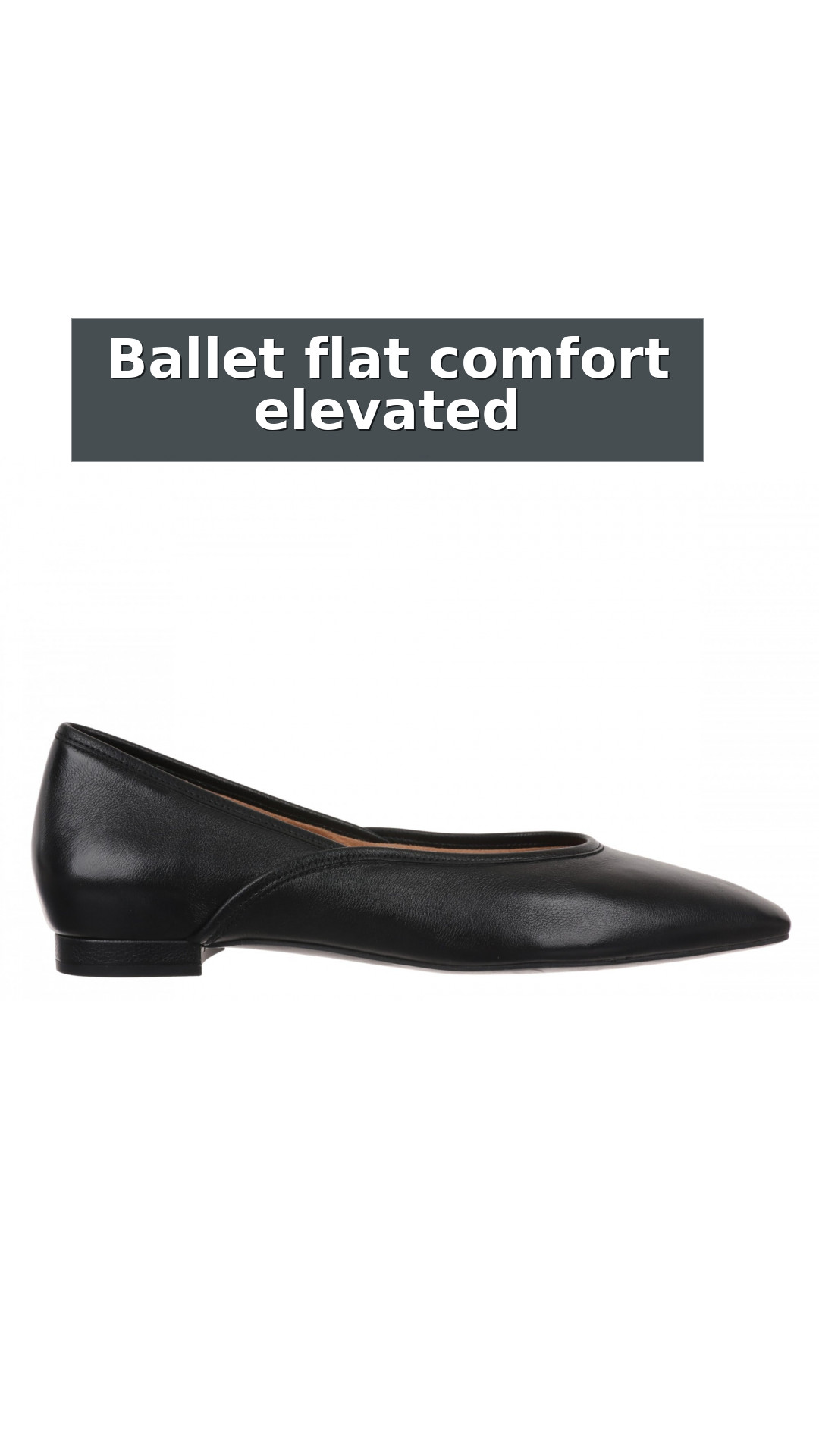
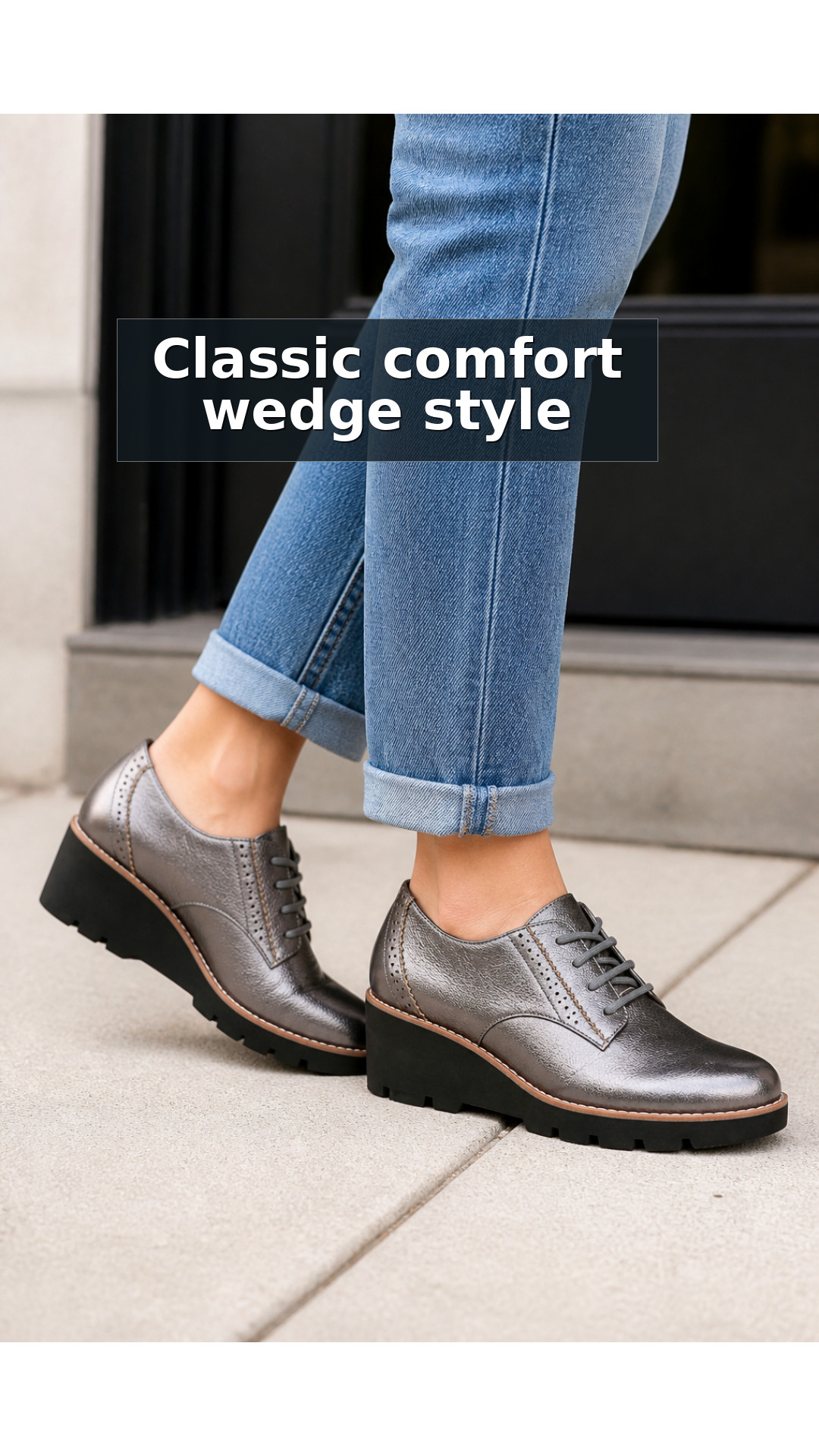
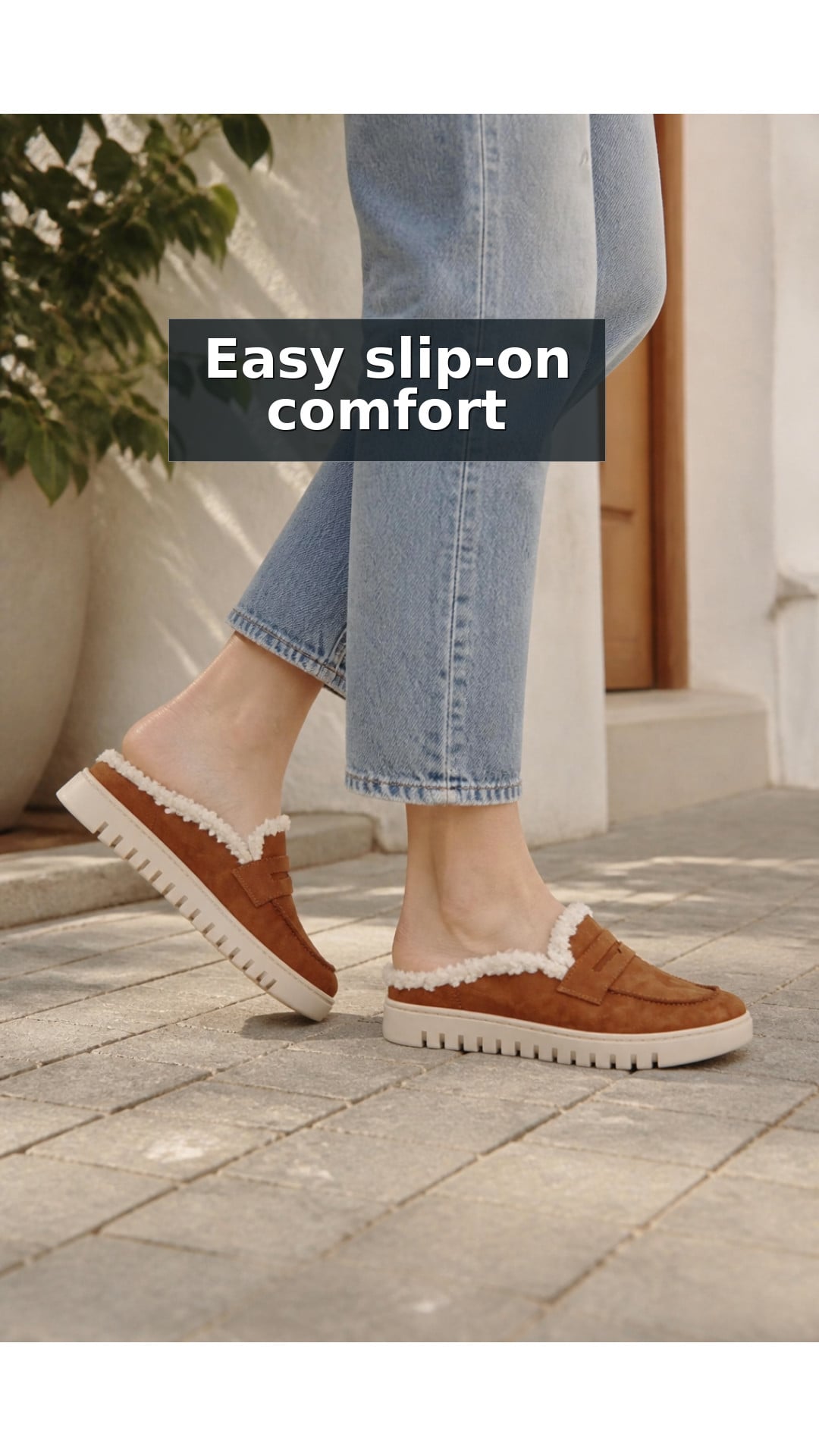
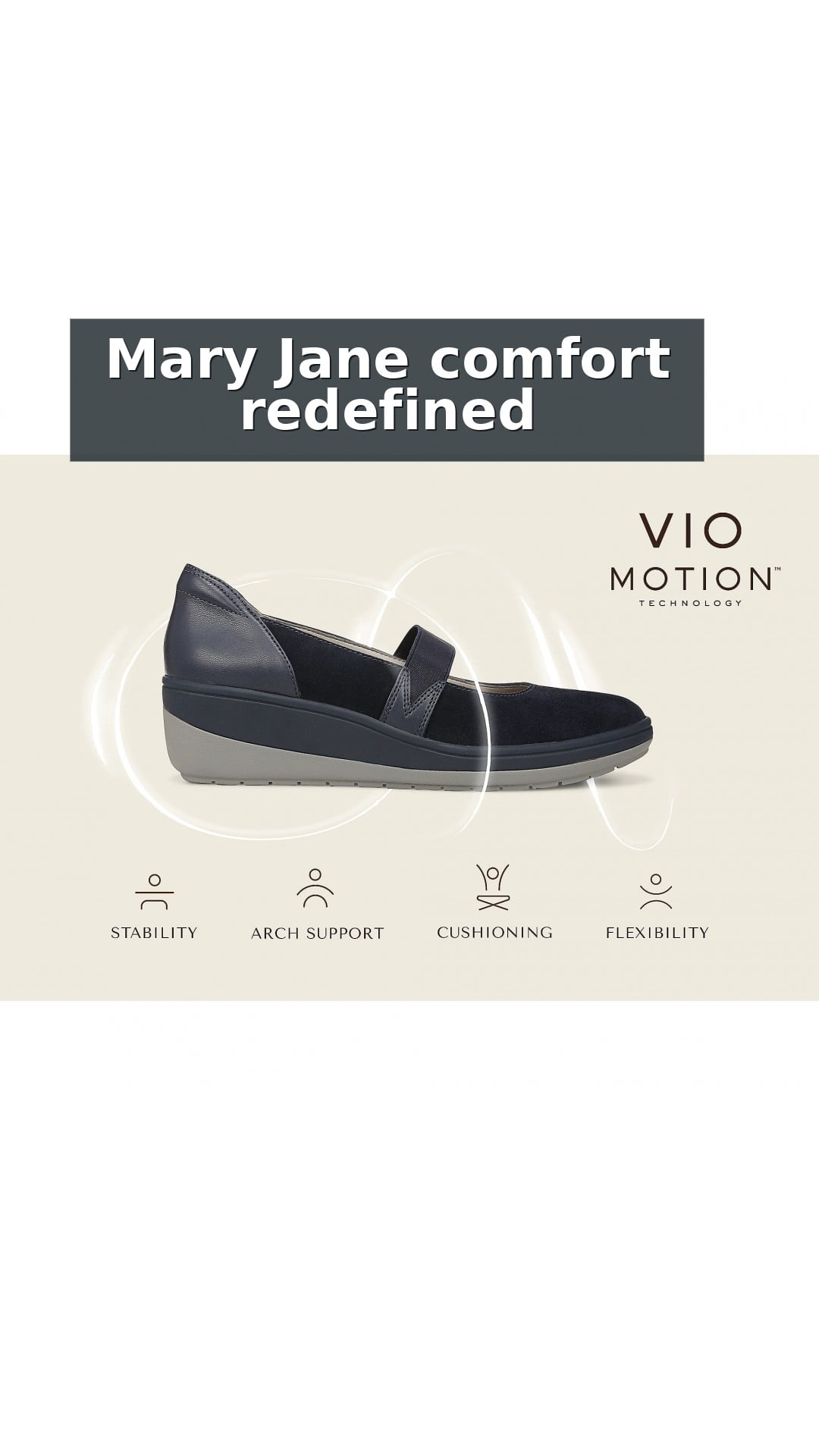
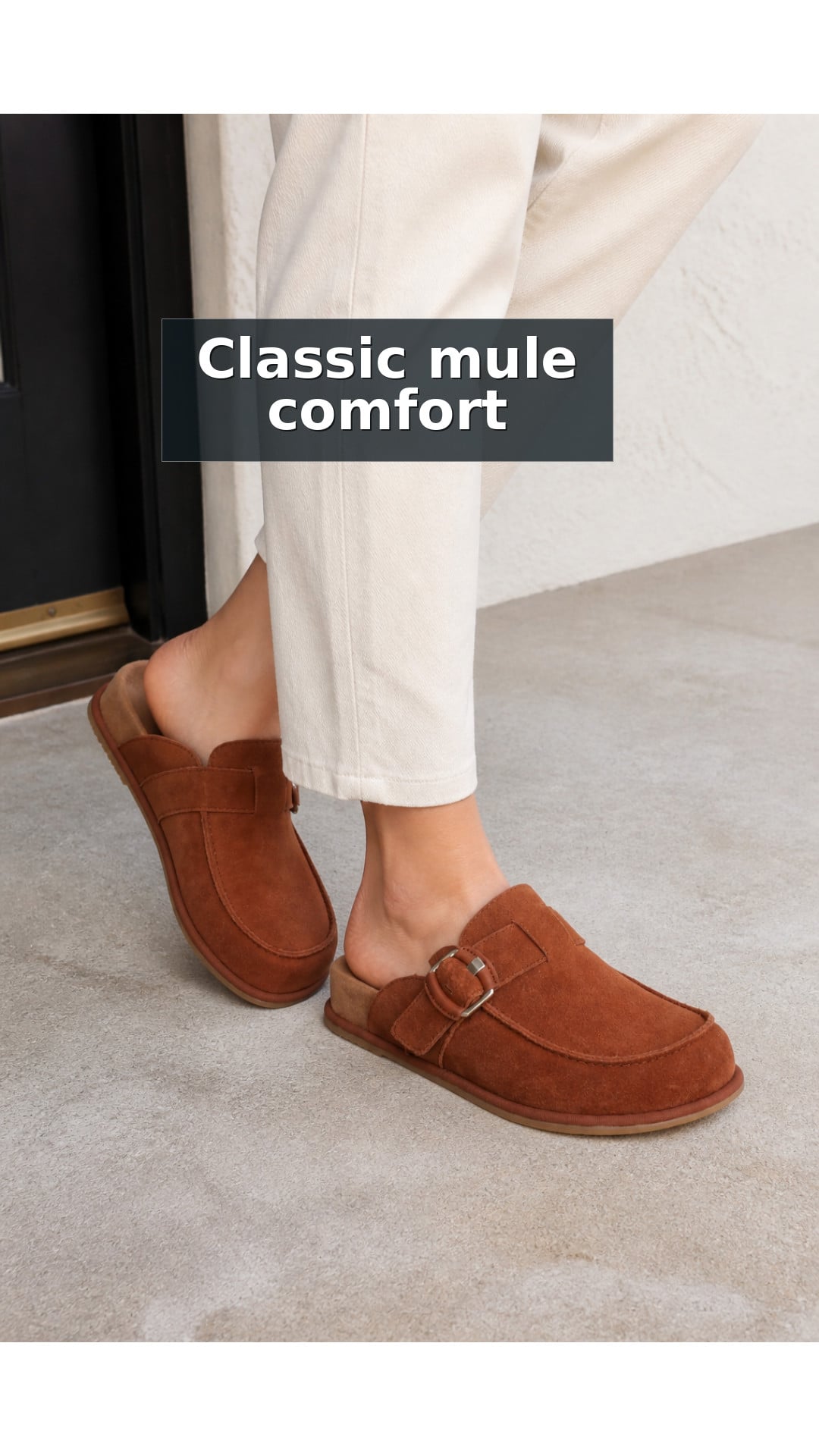
 Classic mule comfort
Shoes That Accommodate Custom Orthotics
If you're comparing shoes for custom orthotics, start with the fit details that give the insert room to work: extra depth, a removable insole or liner, width options, and a closure that can be adjusted after the orthotic goes in. Orthotic Shop groups verified collections and product examples so you can compare everyday walking shoes, therapeutic styles, women’s options, men’s options, and adaptive footwear in one place.
Quick summary
- Start with extra depth and a removable insole or liner.
- Choose width before sizing up in length.
- Use adjustable closures when the orthotic takes up more room.
- Compare shoes by use case: walking, therapeutic, women’s, men’s, or adaptive footwear.
Understanding the fit challenge
Custom orthotics change how a shoe fits. The main question is whether the shoe leaves enough room above and around the orthotic for a secure, comfortable fit without crowding the foot. In practice, that usually means extra depth, a removable stock insole or liner, and closure options that let you fine-tune hold over the foot. Width matters too: if the shoe is too narrow, the orthotic can crowd the upper or push the foot up against the top of the shoe.
Orthotic Shop’s verified collections and product pages help you compare those fit cues side by side, so it is easier to narrow down models that are designed to give the orthotic working room.
Features to consider
| Feature | Why it matters | Orthotic Shop examples |
|---|---|---|
| Extra depth | Gives the shoe more vertical room so the orthotic does not press against the top of the foot. | InStride custom-fit footwear, Dr. Comfort therapeutic footwear, Drew Force V, Mt. Emey 9704 |
| Removable insole or liner | Creates space for a custom orthotic or helps the shoe fit a higher-volume insert. | InStride custom-fit footwear, Drew Lightning II V, Easy Spirit Traveltime, Xelero Matrix 2020 |
| Adjustable closures | Lets you tighten or relax the fit once the orthotic is in the shoe. | InStride custom-fit footwear, OrthoFeet Comfort Shoes, Drew Lightning II V |
| Width options | Helps you match the shoe to the foot instead of only adding length. | Dr. Comfort therapeutic footwear, Women's Orthopedic Footwear, Mt. Emey 9704, Apex X527, Easy Spirit Traveltime |
| Stable walking or athletic build | Helps the shoe feel secure and steady once the orthotic is in place. | Drew Force V, Xelero Matrix 2020, Apex X527 |
Verified collections to browse
Browse InStride custom-fit shoes
InStride is built around a Custom Fit System with removable-depth construction, making it a strong starting point for shoppers who want extra room for prescription orthotics and a secure everyday fit.
Browse Dr. Comfort therapeutic footwear
Dr. Comfort is a therapeutic footwear collection with extra depth, generous widths, and soft linings described for orthotic room and reduced irritation.
Browse OrthoFeet Comfort Shoes
OrthoFeet Comfort Shoes offers a broad selection of comfort-focused footwear, making it a useful place to compare styles with removable insoles, extra depth, adjustable fits, and room for custom orthotics.
Browse Women's Orthopedic Footwear
This women’s collection highlights removable footbeds, extra depth, adjustable closures, and multiple widths, which makes it a practical place to compare styles that can work with custom orthotics.
Featured products to consider
These current Orthotic Shop products provide practical starting points for comparing shoe fit, insert length, support structure, and available interior space. Product fit and comfort vary by person.

Drew Force V - Black Mens Athletic Strap Shoes - 44714
This product notes two removable footbeds for added and double depth and says it accommodates prescribed orthotics.

Mt. Emey 9704 - Men's Added-depth Walking Shoes by Apis
This product notes added depth for orthotics and AFOs plus a removable insole for flexible fitting.

Xelero Matrix 2020 Women's Shoe
This product includes a second removable 3mm insole and says extra depth accommodates custom orthotics.

Drew Lightning II V - Strap Closure - Men's Walking Shoes
This product uses two removable insoles to create double depth and make space for custom orthotic insoles.

Easy Spirit Traveltime Athletic Cushioned Arch Support Slip-On Women's Athletic Shoe
This product says the removable sock liner accepts custom orthotics and that the shoe is available in medium and wide widths.

Apex X527 Women's Boss Runner - Silver/Blue
This product says it accommodates custom made orthotics and notes removable orthotic support.
How to choose the right pair
- Start with the orthotic itself. If the insert is full-length or high-volume, prioritize extra depth and a removable insole.
- Check width before length. If the shoe feels narrow, going longer usually does not solve the fit problem.
- Look for adjustable closures if you want a more exact fit after the orthotic is in place.
- Compare the shoe type to your routine. Walking, casual, athletic, and therapeutic shoes all handle volume differently.
- Use size and fit guides before ordering, especially when you are between widths or plan to wear thicker socks with the shoe.
Common mistakes
- Sizing up only in length. That can leave the heel loose while still not giving enough room for the orthotic.
- Ignoring shoe depth. A removable insole does not always mean the shoe has enough vertical room for your device.
- Skipping width checks. Orthotics take up space, so width often matters as much as length.
- Choosing a closure that cannot be adjusted. A fixed fit can make it harder to dial in comfort once the orthotic is in place.
- Assuming every supportive shoe works the same way. Fit details vary from model to model, so it helps to compare the product notes carefully.
FAQs
What features matter most for custom orthotics?
The first things to compare are extra depth, a removable insole or liner, and enough width for the orthotic plus foot. If a shoe has only one of those, fit can still feel cramped. A good next step is to test the shoe with the actual orthotic in place and check whether the heel stays seated and the upper does not press down.
Is a removable insole enough on its own?
Not always. A removable insole helps create space, but the shoe also needs enough depth and width for the orthotic and foot to sit comfortably without pushing on the upper. The best test is to insert the orthotic, lace or strap the shoe as you would wear it, and walk a few steps to see whether the fit stays stable.
Should I size up to fit my orthotics?
Usually the better approach is to keep the correct length and compare width and depth first. Sizing longer can create heel slip and still leave the orthotic crowded. If the foot is between widths, that change is often more useful than adding extra length, especially for full-length or higher-volume inserts.
Which kinds of shoes are easiest to compare?
Walking shoes, athletic shoes, therapeutic styles, and adjustable casual shoes are all useful categories because they handle volume differently and make it easier to compare fit notes. Those categories also tend to show the features shoppers compare most often: depth, removable footbeds, closure adjustability, and width options.
Can I use custom orthotics in shoes with straps or laces?
Yes, as long as the shoe offers enough depth and the closure lets you fine-tune the fit after the orthotic goes in. Laces and straps are useful because they can be tightened over a lower-volume orthotic or loosened when the device is thicker. That flexibility often makes the shoe feel more secure during daily wear.
How do I know if more width may be appropriate?
If the upper feels tight across the forefoot, the toes feel crowded, or the orthotic pushes the foot upward, more width may be worth comparing. A wider version often solves crowding better than a longer size, especially when the orthotic is full-length. Check the fit while standing and walking, not only while sitting.
What should I do if the shoe feels good at first but tight later?
Try the shoe at the end of the day with the orthotic installed and the socks you expect to wear. Walk indoors for a few minutes and check heel hold, forefoot room, and top-of-foot pressure. Small changes in swelling can make a borderline fit feel very different later, so a second fit check is often worthwhile.
What if the first pair does not work after delivery?
Compare the reason it failed—depth, width, closure, or orthotic length—before ordering again. Keep the packaging in good condition until you are certain, and use the store’s return or exchange steps so the next pair can be a better match. That approach usually saves time and makes it easier to correct the fit on the second try.
Related guides
- Size Guides — helpful when comparing length and width before choosing a shoe for a custom orthotic.
- Orthotic adjustment guide — explains common orthotic fit terms and adjustment ideas.
- Width comparison guide — helpful when more room is needed across the forefoot or upper.
- Bunion fit guide — relevant if more forefoot room is part of the fit picture.
- Diabetic footwear guide — covers extra depth, removable insoles, and secure closures.
- Flat feet walking-shoe guide — useful for comparing stable walking shoes that may also work with inserts.
Editorial and medical-information note
This page is general information only and is not medical diagnosis, treatment, or prescription advice. Orthotic Shop can help you compare fit features, but persistent pain, numbness, open wounds, sudden swelling or color changes, diabetes-related foot concerns, or uncertainty about fit should be reviewed with a qualified clinician.
Style and product inspiration
Swipe through comfort footwear highlights and shop each featured style.