
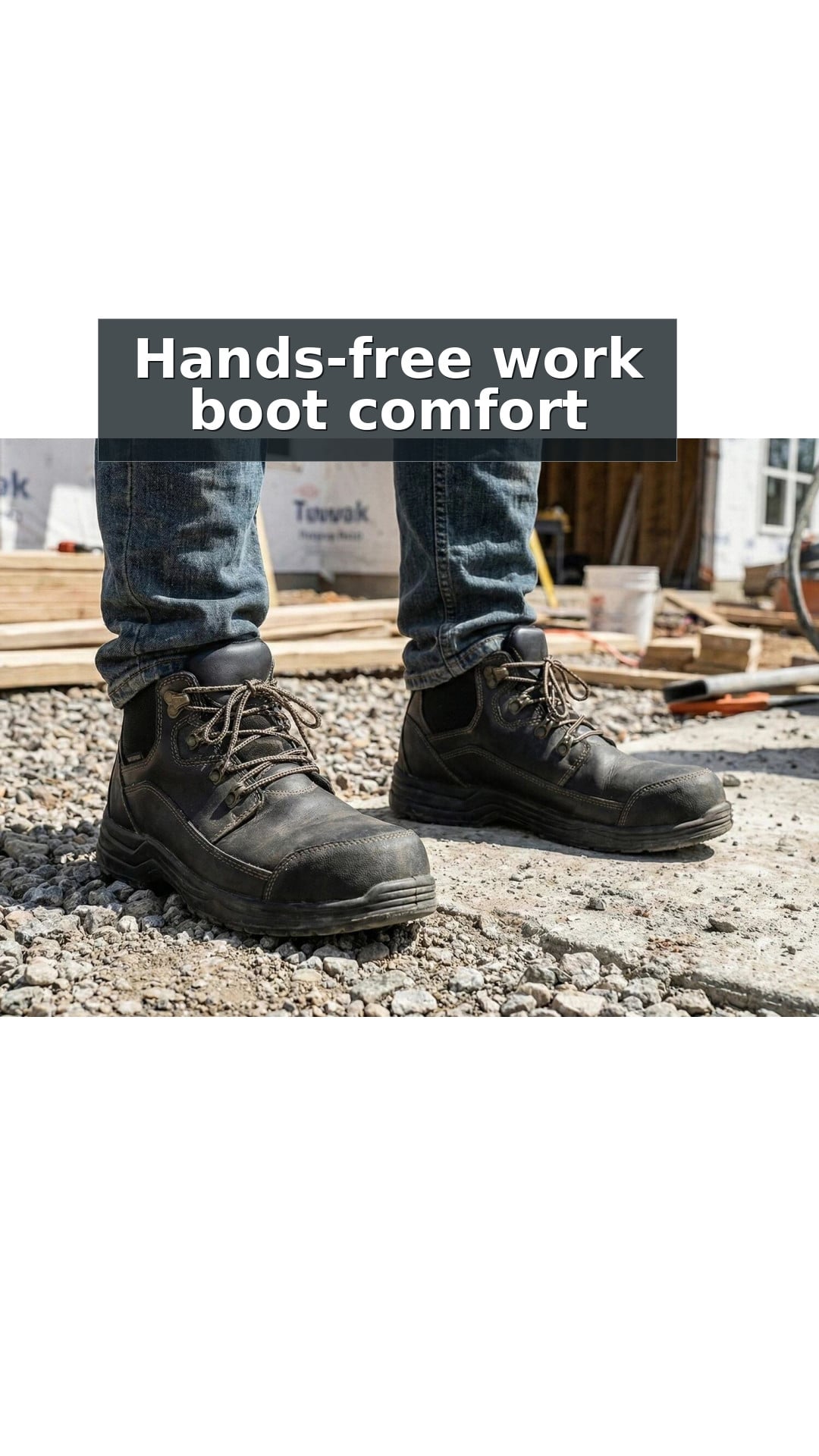
 Hands-free work boot comfort
Hands-Free and Slip-On Shoes: Fit and Support Guide
Hands-free shoes are designed to let you step in without pulling the heel up by hand. That can make entry easier when reaching your heel is the difficult step. Entry and walking fit are separate questions: check whether your heel stays seated, your toes have room and any insert you use fits without crowding your foot. A slip-on label or brand name alone does not establish hands-free entry.
Quick recommendation summary
- For heel entry without using your hands: Check the individual shoe’s stated step-in design.
- For easier fastening: Slip-on and no-tie describe different conveniences; neither alone confirms hands-free heel entry.
- For walking fit: Check heel hold after stepping in, not just how quickly the shoe goes on.
- For your own orthotic: Check what the particular listing says about its footbed, then assess the shoe with your insert in place.
Understanding hands-free entry versus a slip-on
Hands-free describes how the heel enters. Slip-on describes a shoe you can wear without fastening a closure each time, though you may still need a hand or shoehorn at the heel. No-tie addresses recurring lace tying, not necessarily heel entry. For a closer look at those terms, read the hands-free versus slip-on terminology guide. Here, the focus is comparing shoes and checking fit.
A shoe may be easy to enter yet feel loose while walking. An open-back clog also calls for a different heel-hold check than an enclosed sneaker. Consider where you will wear the pair, and assess it with your usual socks and insert.
Features to consider
Heel entry and heel hold
Look for a stated hands-free construction, shaped heel or other step-in design. Then check whether your heel stays seated while walking. An entry description cannot guarantee the fit for every foot.
Closure and adjustment
Check whether a listing says to set laces once, identifies a slip-on closure or describes another fastening method. Do not assume that two step-in shoes adjust the same way. If the heel feels loose but the instep feels tight, compare the opening and shape alongside width before changing length.
Room and underfoot feel
Check length, width, toe room and space over the top of the foot separately. A roomy toe box describes one area, not the entire shoe. Assess the underfoot feel while standing and walking.
Space for your orthotic
An included orthotic insole does not establish that it is removable or that your own orthotic will fit. Removable depth layers or an insert-friendly description are useful details to investigate, not a fit guarantee. Check that your insert lies flat and leaves comfortable instep room and secure heel hold.
Collections to explore
- Browse hands-free shoes across styles and brands. Check each listing: collection membership alone does not confirm a particular heel mechanism.
- Browse OrthoFeet footwear and compare individual entry systems rather than assuming every style is alike.
- Browse Apex footwear, including the Ready2Walk Donna and Will comparisons below.
- Browse Easy Spirit shoes to compare the documented Turner step-in bootie with the Travelsparkle slip-on clog.
Featured products to consider
Compare the product-specific details below and check the linked listings before choosing. Fit and comfort vary by person.

Orthofeet Vito Hands-Free Supportive Comfort Men's Slippers
Slipper example with separately documented hands-free entry, heel cradle, included insole and width options.

Orthofeet Kita Hands-Free Supportive Women's Sneaker
Enclosed sneaker with tie-once entry, described heel cradle, included insole and four width options.

Easy Spirit Travelsparkle Athletic Cushioned Arch Support Women's Slip-On Clog
Open-back slip-on comparison with stated personal-insert acceptance but no verified molded heel mechanism.

Easy Spirit Turner SOEASY™ Cushioned Arch Support Slip-On Women's Bootie
Bootie with documented molded hands-free heel, footbed, insert-friendly description and width options.

Apex Donna Ready2Walk Hands-Free Athletic Shoes - Women's
Women's Ready2Walk example with stated padded-tongue entry, construction, removable depth layers and actual width labels.

Apex Will Ready2Walk Hands-Free Athletic Shoes - Men's
Men's Ready2Walk example with its own documented padded-tongue entry, construction, removable depth layers and width labels.
How to choose a pair
- Name the difficult step. Is it tying laces, reaching the heel or getting through the opening?
- Choose the wearing setting. Compare a sneaker, slipper, clog or bootie for the coverage and hold you want.
- Read the individual listing. Confirm its stated heel entry, fastening, width options and footbed details.
- Check your usual setup. Include your socks and orthotic, if used; assess toe, instep and width fit separately.
- Test entry and walking separately. Step in as intended, then notice heel lift, rubbing, toe pressure and underfoot feel while walking.
Common mistakes
- Equating slip-on with hands-free. A slip-on can still require help at the heel.
- Assuming no-tie means step-in. Lace convenience alone does not establish heel construction.
- Judging only how quickly the shoe goes on. Check retention while walking.
- Generalizing from one model to a brand. Entry, fastening, widths and footbeds vary by style.
- Assuming an included insole or removable layer guarantees orthotic fit. Check the shoe with your actual insert.
Frequently asked questions
What makes a shoe hands-free rather than an ordinary slip-on?
Hands-free refers to a design intended to let your heel enter without pulling the shoe up by hand. A slip-on does not require fastening each time, but may still require a hand or shoehorn at the heel. Check the entry description and then assess walking fit.
Which featured sneaker says I can set its laces once?
Orthofeet Kita describes tying once and stepping in afterward without retying. That statement applies to Kita, not every lace-up sneaker. Check whether the setting holds your heel comfortably without pressing on your instep.
How do the featured heel-entry designs differ?
Turner specifies a molded heel. Vito describes hands-free entry and a heel cradle; Kita describes tie-once step-in entry and a heel cradle. Donna and Will each describe hands-free entry with a padded tongue. Travelsparkle lists a slip-on closure, but that detail does not verify a molded step-in heel. Compare each opening and heel hold on your foot.
How do the listed width options differ?
Kita lists Medium, Wide, Extra Wide and XX-Wide. Vito and Turner list Medium, Wide and Extra Wide. Travelsparkle’s product options list Narrow, Medium, Wide and Extra Wide, although its description highlights Medium and Wide. Donna and Will use the labels M, W and XW. Check the specific size-and-color variant before ordering; a width label is not a promise of stock or fit.
Can I wear my own orthotic in one of these shoes?
Travelsparkle says it accepts personal inserts, and Turner describes an orthotic-friendly design for your own insoles. Donna and Will each list two removable depth layers; their removal does not guarantee compatibility with a particular orthotic. Vito and Kita list included orthotic insoles, which alone do not confirm removability or room for yours. Check that your insert lies flat and leaves adequate instep room and heel hold.
Should I size up to make a step-in shoe easier to enter?
Check the opening, width and instep room before adding length. A longer pair might be easier to enter but leave the heel less securely seated. Assess both entry and walking fit with your usual socks and any insert.
How should I compare the clog with an enclosed shoe?
Travelsparkle is a slip-on clog; Kita, Donna and Will are enclosed athletic styles with stated hands-free entry. Compare the heel coverage and hold you want for your routine. Do not infer a molded heel mechanism for Travelsparkle from its slip-on closure or collection placement.
What distinguishes Apex Ready2Walk Donna and Will?
Donna is listed as a women’s athletic shoe and Will as a men’s athletic shoe. Both listings state hands-free entry with a padded tongue, a mesh-and-PU upper, a firm heel counter, two removable layers providing 5/16 inch of depth, and width labels M, W and XW. Compare the individual size options and your fit rather than assuming their shared construction makes them interchangeable or guarantees orthotic compatibility.
Related guides
- Read the hands-free versus slip-on terminology guide for the narrower definition question.
- Explore walking-shoe fit for seniors without assuming age determines the right shoe.
- Learn how to fit shoes over orthotics while checking space and heel hold.
- Compare shoes with removable footbeds and what removability does not guarantee.
- Explore adjustable shoes when fine-tuning hold matters.
- Read the shoe-fit guide for swollen feet when foot volume changes.
Editorial and medical-information note
This page provides general footwear-shopping information, not medical diagnosis or treatment advice. No entry design is suitable for everyone or guaranteed to prevent falls. Fit depends on the individual foot, insert and intended use. Seek appropriate professional care for persistent pain, numbness, open wounds, sudden symptoms, diabetes-related foot concerns or uncertainty about your footwear needs.
Style and product inspiration
Swipe through comfort footwear highlights and shop each featured style.
Hands-free work boot comfort
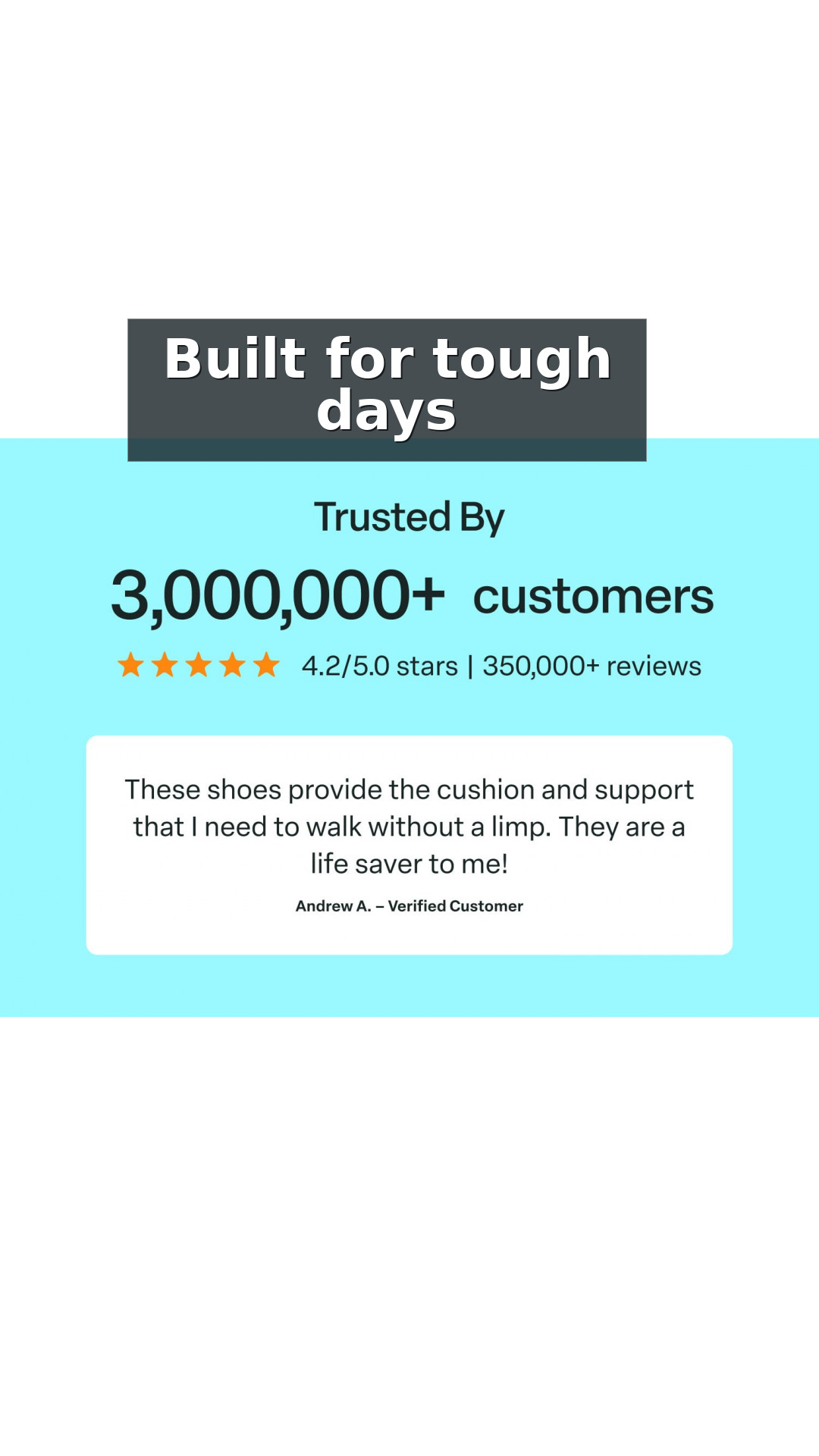 Built for tough days

Orthofeet Granite Work Boots
$164.95–$174.99
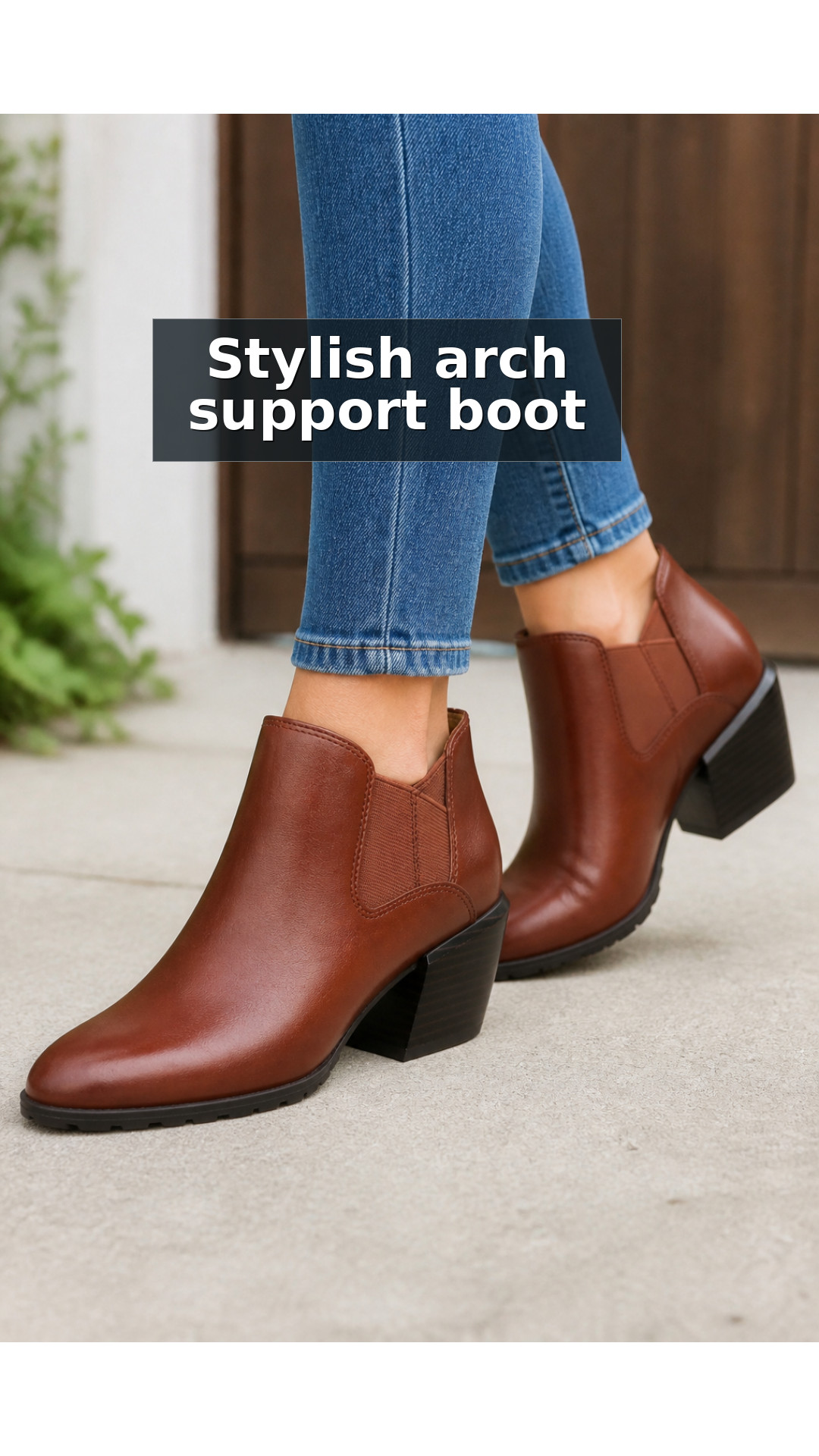
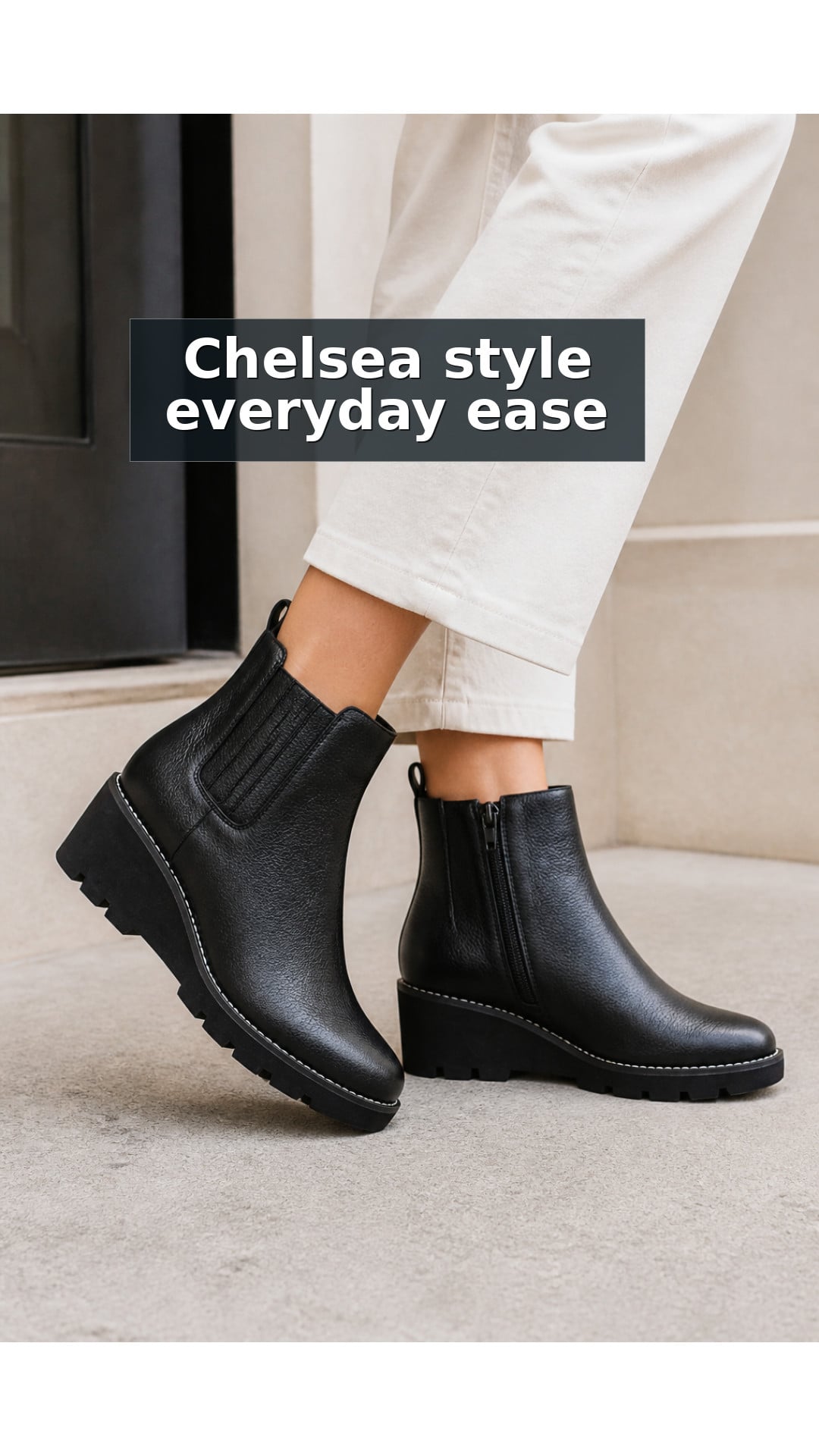 Chelsea style everyday ease

Vionic Aria 2.0 Women's Chelsea Boots
$116.45–$179.95
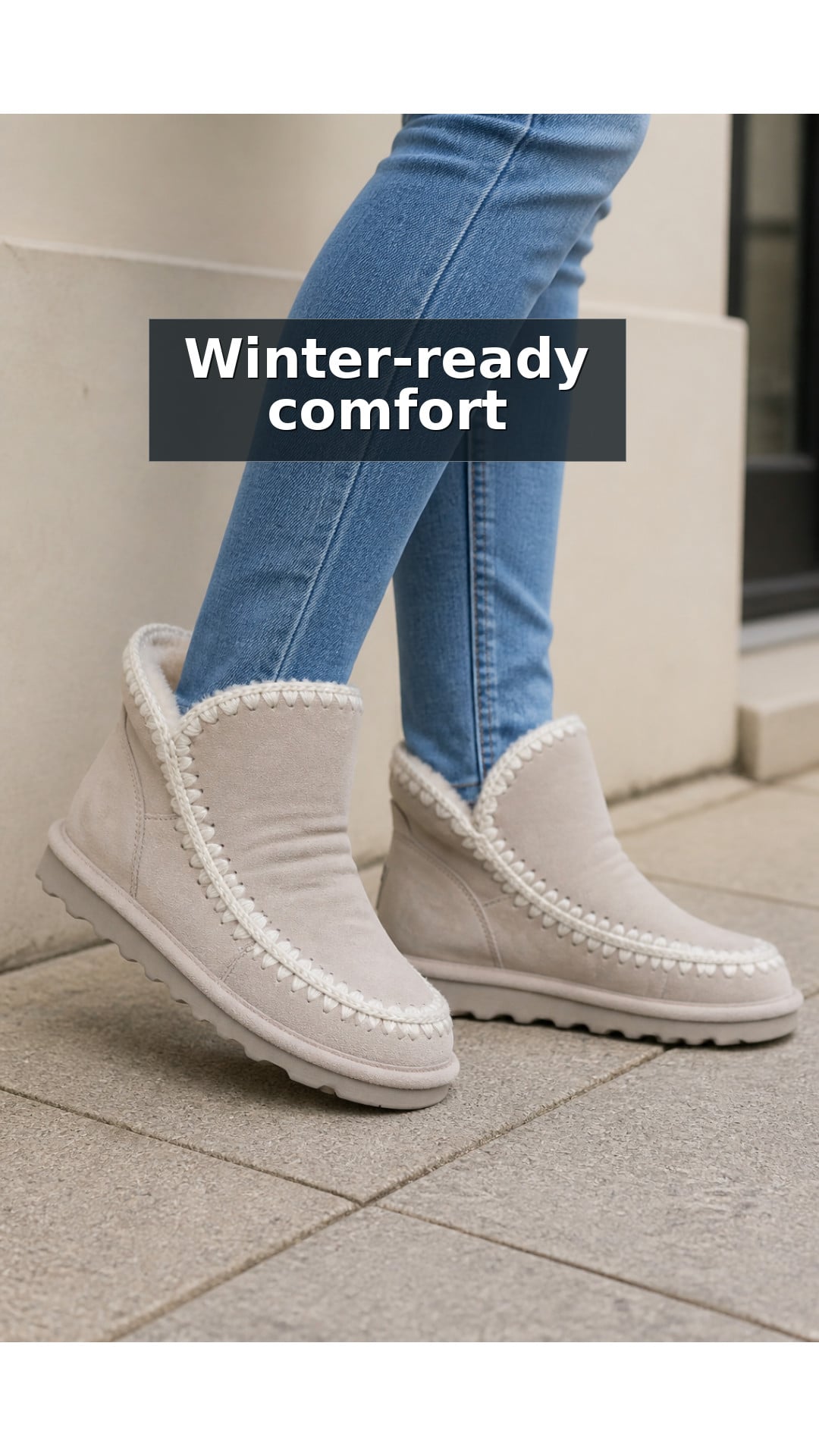
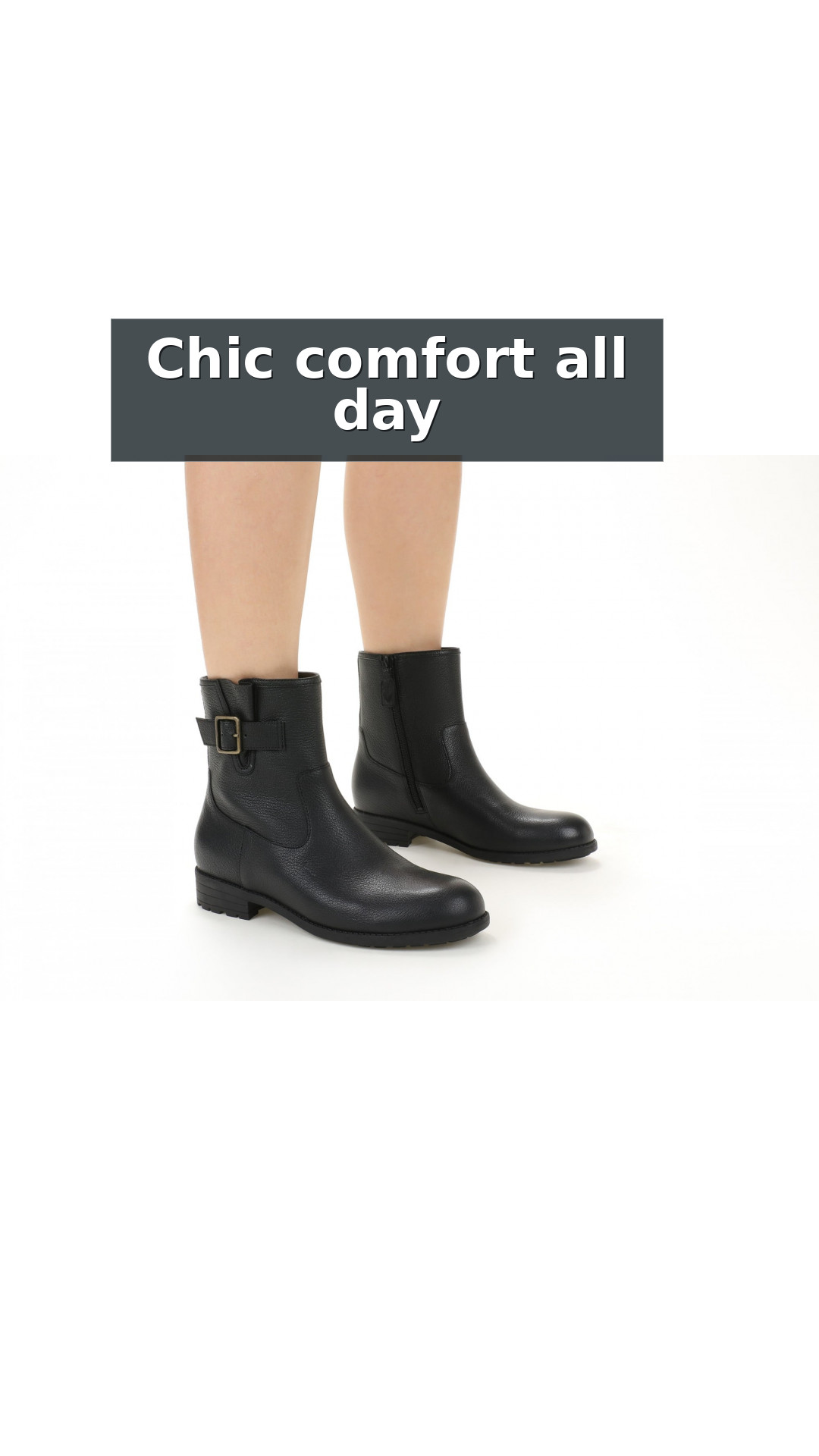 Chic comfort all day

 Tall suede easy style

 Stylish arch support boot

 Winter-ready comfort

 Short cozy style

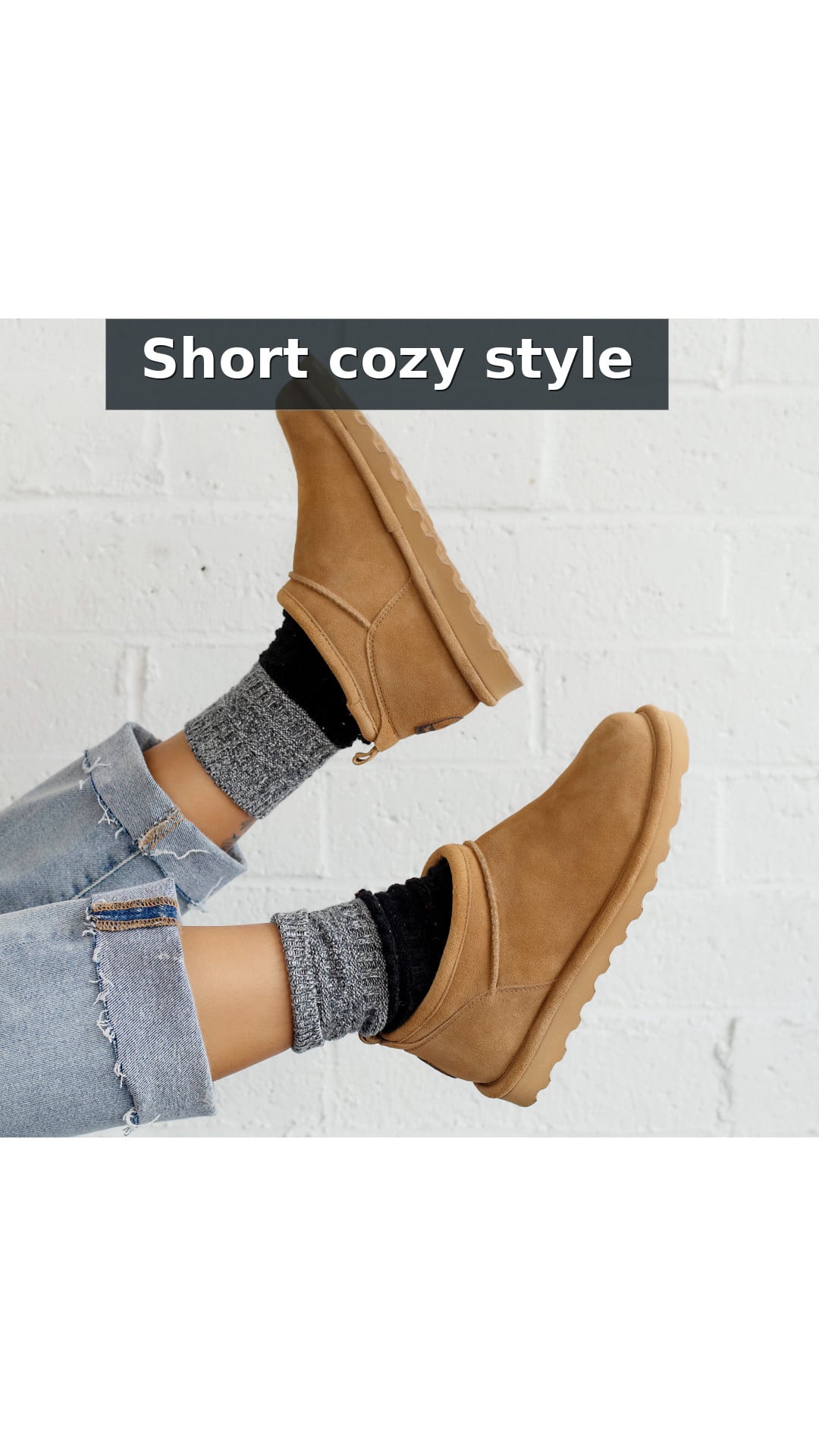
Bearpaw Super Shorty Women's Boots
$69.50–$79.99