
Hands-Free vs. Slip-On Shoes | Orthotic Shop | News

Short answer: A hands-free shoe is designed so you can step into it without pulling up the heel with your fingers. A slip-on shoe has no closure you need to fasten each time, but you may still need a hand or shoehorn to get your foot past the heel. A no-tie shoe removes the need to tie laces; that alone does not make its heel entry hands-free.
If you are comparing easier-entry footwear, start with the step that is difficult for you. Is it tying laces, opening a closure, or getting your heel into the shoe? The answer will help you choose a design rather than relying on a label.
Hands-free vs. slip-on vs. no-tie: the quick comparison
| Option | What the term describes | Potential advantage | What to check |
|---|---|---|---|
| Hands-free entry | A heel-entry design intended to let you step in without using your hands | May reduce the need to reach down when putting shoes on | Whether the heel stays in place and feels secure when you walk |
| Ordinary slip-on | A shoe worn without fastening a closure each time | Simple on-and-off routine | Whether you still need to pull up the heel or use a shoehorn |
| No-tie closure | Laces or another closure that do not need tying each time | Less handling of laces | Whether the opening and heel actually allow hands-free entry |
These descriptions can overlap. A hands-free shoe may look like a slip-on or have laces that stay set. The useful distinction is how your foot gets past the heel, not simply whether you see laces.
The key difference is at the heel
With an ordinary slip-on, you place your foot into an open shoe without tying or buckling it. Depending on its opening, heel shape, materials, and your foot, you might slide straight in—or you might need to pull the back of the shoe over your heel. Calling a shoe a slip-on does not promise a hands-free step-in process.
A hands-free design is intended to address that last step. Its heel-entry construction is meant to let your foot pass into the shoe and the back settle around your heel without you pulling it up. Construction varies by style, so check the individual listing rather than assuming every hands-free shoe uses the same heel mechanism.
No-tie describes a different convenience. Elastic laces, preset laces, or a closure you leave adjusted may save you from tying a bow. They do not tell you whether the heel folds, guides your foot in, or requires your hand. Likewise, a shoe can have hands-free entry and still offer an adjustable element that you set before wearing it.
Pros, trade-offs, and who each option suits
Consider hands-free entry if reaching down to pull up a heel is the main obstacle. Its advantage is an entry process designed around stepping in. The trade-off is that entry convenience does not guarantee the right fit: you still need enough heel hold for walking, as well as appropriate room at the toes and instep.
Consider an ordinary slip-on if avoiding daily fasteners is your priority. It can be a straightforward choice when you can comfortably get your heel into place. Its limitation is that “slip-on” alone says little about how easily the heel goes on—or how securely it stays on afterward.
Consider a no-tie style if laces are the part you want to avoid. A preset closure may simplify your routine while retaining a lace-up look or adjustment options. Its limitation is that you may still have to open the shoe or handle the heel to put it on. Check the product description if you need both no-tie convenience and hands-free entry.
How to compare the listed examples
Orthotic Shop shoppers may encounter Apex Ready2Walk Donna and Will, Orthofeet hands-free styles, and qualifying Easy Spirit soEASY styles while exploring easier-entry shoes. Use these as starting points for comparing individual listings, not as a promise that every shoe from Apex, Orthofeet, or Easy Spirit works the same way. For an Easy Spirit style in particular, check that the specific listing describes hands-free entry; a general slip-on or no-tie description is not enough.
As you browse the Hands-Free Shoes collection, compare the entry instructions and fit information on each listing. Look for these practical details:
- Heel entry: Does the description explicitly say you can step in without using your hands?
- Heel hold: Once the shoe is on, does the heel stay seated rather than lifting noticeably as you walk?
- Opening and instep: Is there enough space to get your foot in without forcing it? If this is a recurring fit issue, see the shoes for a high instep guide.
- Closure: Are there laces, straps, or other adjustments to set for your fit, even if daily entry is hands-free?
- Footbed: If you use an orthotic, does the listing confirm a removable footbed, and is there enough room with your insert in place?
A shoe should be easy to enter and feel appropriate on your foot once you are standing and walking. Do not choose a loose heel solely to make entry easier. If you are shopping for an insert, the guide to fitting shoes over orthotics covers the additional fit checks.
Frequently asked questions
Does no-tie mean hands-free?
No. “No-tie” tells you that you do not have to tie laces each time. You might still need to use your hands to widen the opening or pull up the heel. Look for an explicit hands-free or step-in heel-entry description when that feature matters to you.
What should I check about heel hold?
After the shoe is fully on, check whether your heel sits in the intended position and remains reasonably secure as you take a few steps. Notice significant slipping, rubbing, or a need to grip with your toes to keep the shoe on. An easy entrance should not come at the expense of a fit that works for your walk.
Can I assume a hands-free shoe fits my orthotic?
No. Hands-free describes entry, not orthotic compatibility. Check the specific shoe’s footbed and depth information, then assess fit with your actual insert. A removable footbed may create space, but it does not by itself confirm that every orthotic will fit. For more detail, see how much room orthotics need in shoes.
Final verdict: choose by the step you want to simplify
Choose a hands-free design when getting your heel into the shoe without reaching down is the priority. Choose an ordinary slip-on when you mainly want to skip fasteners and can manage the heel comfortably. Choose a no-tie style when laces are the problem, but verify heel entry separately if you also need to step in without your hands.
Ready to compare? Explore the verified listings in Orthotic Shop’s Hands-Free Shoes collection, then read each style’s entry, closure, footbed, and fit details before deciding.
Products to compare
These are shopping examples, not a ranking or medical recommendation. Features and fit vary by model. Listed options and prices can vary by size and stock; check each product's current details.


Style and product inspiration
Swipe through this Shop Grid.

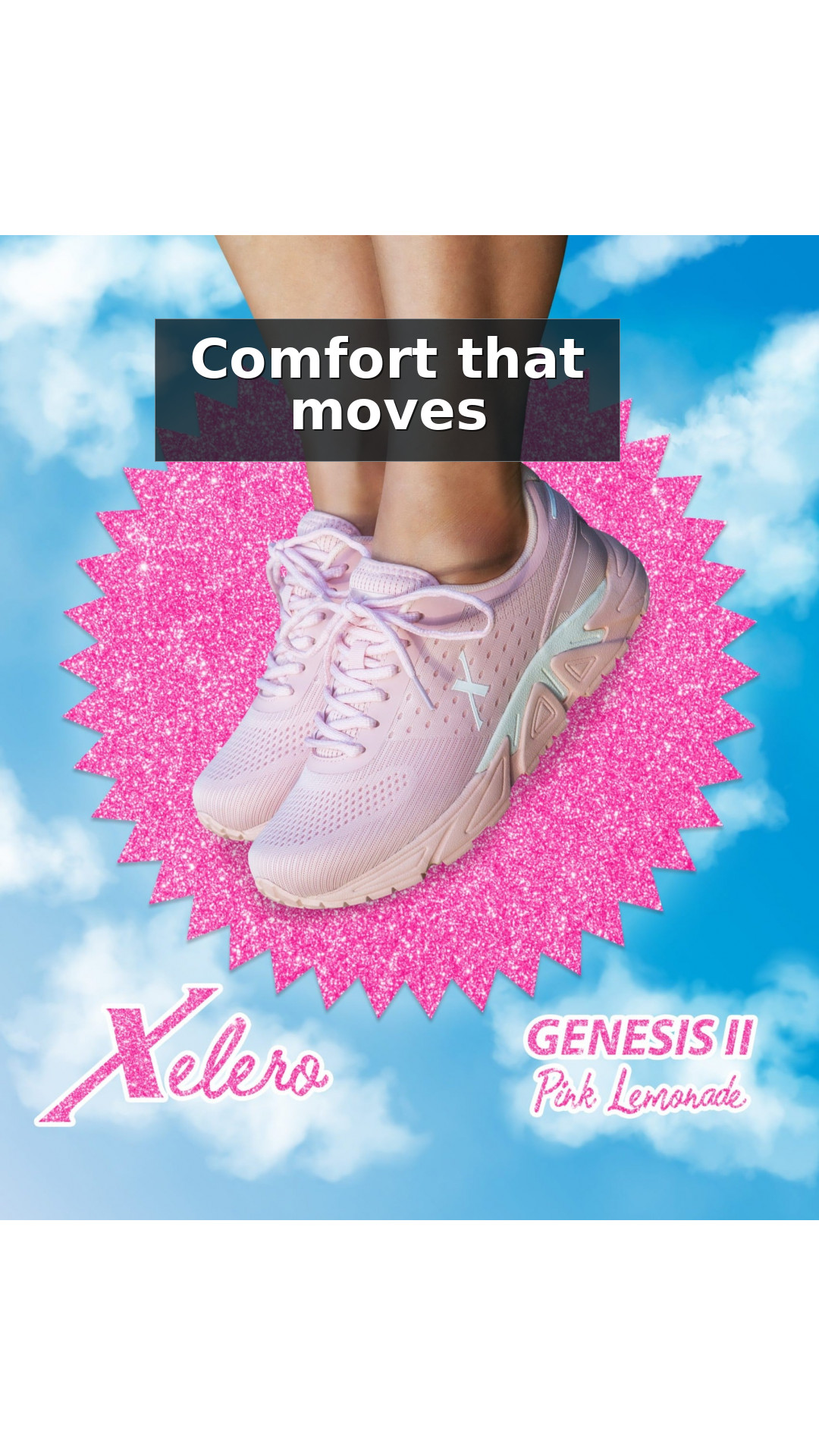
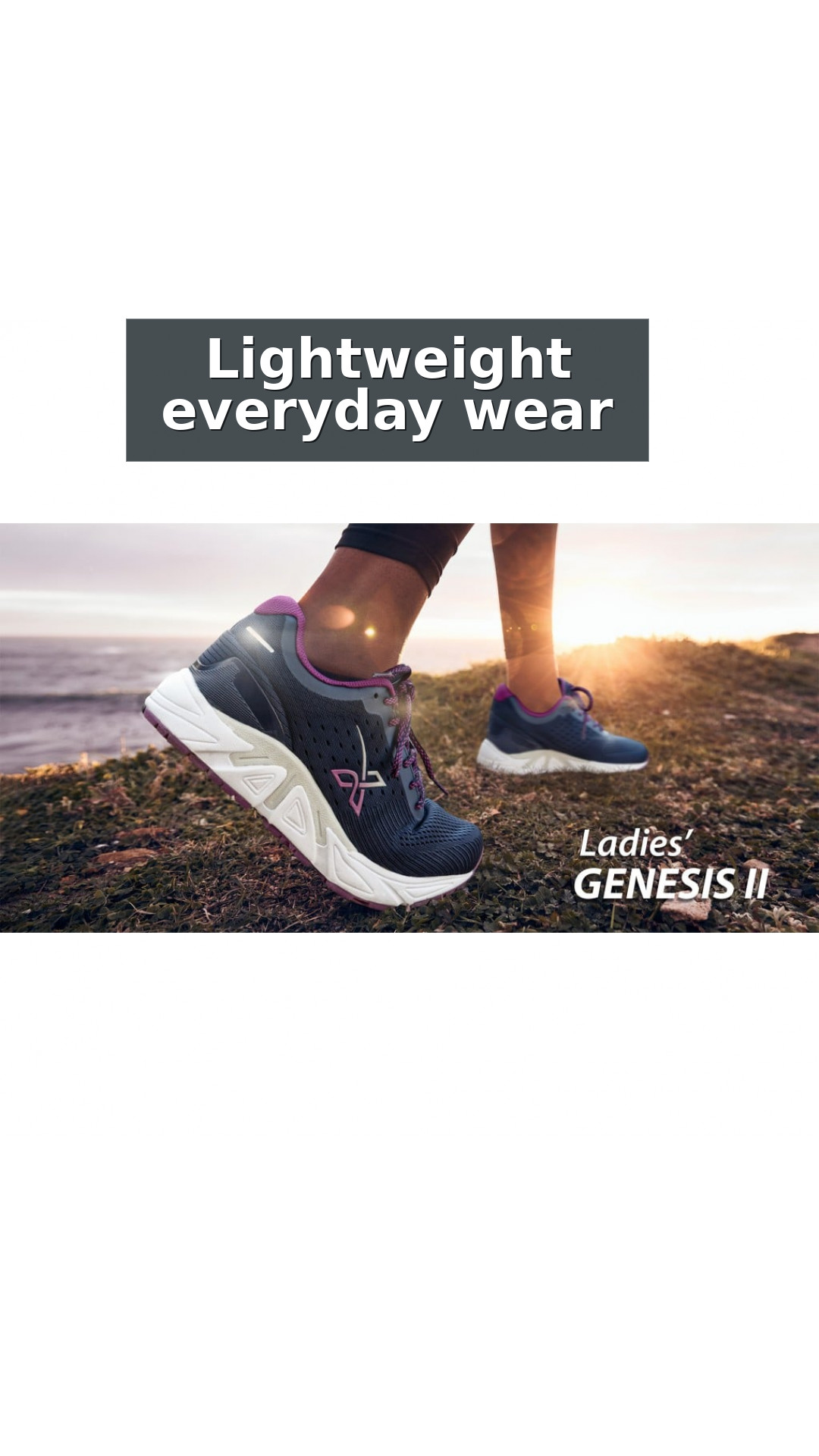
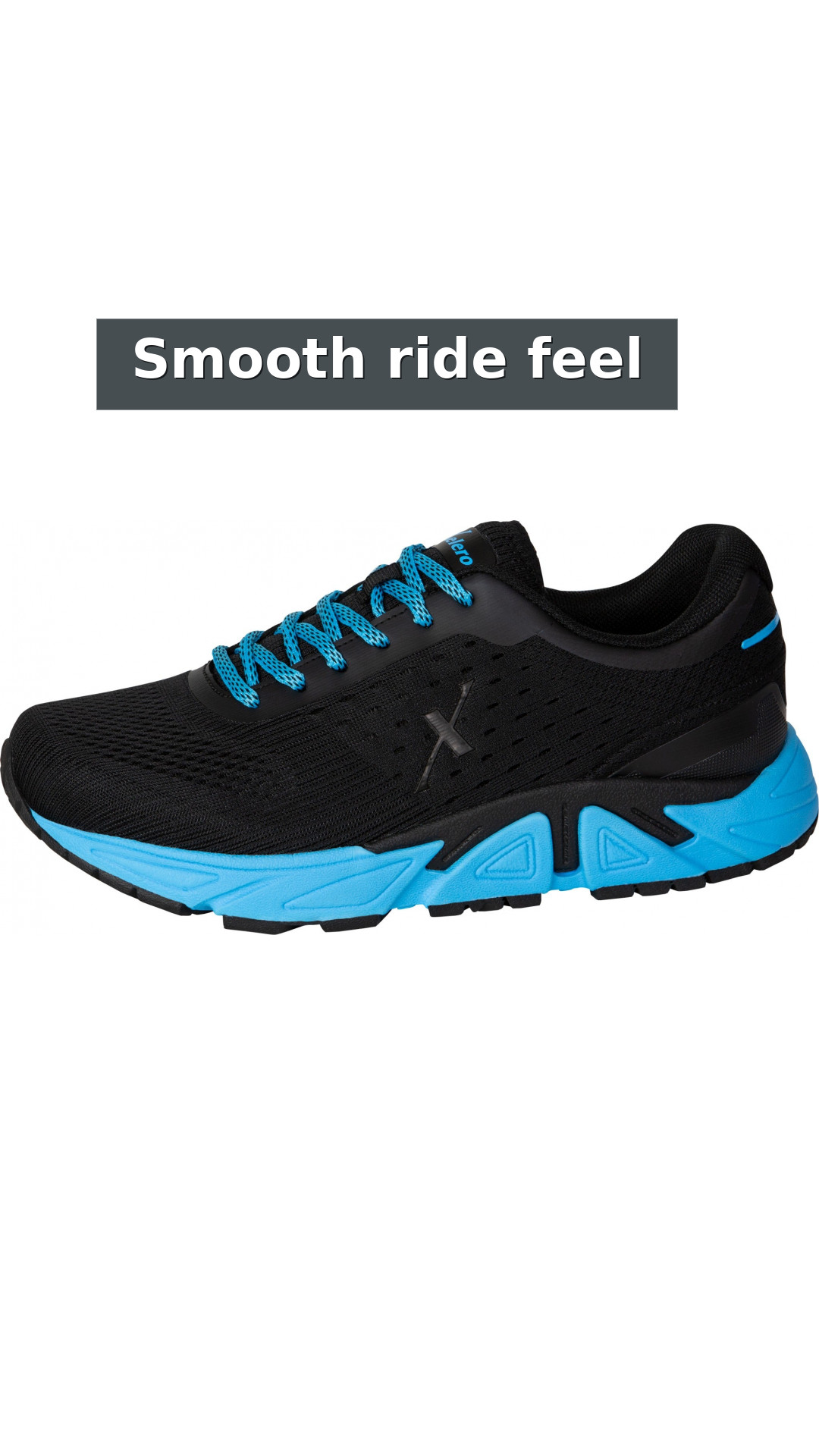
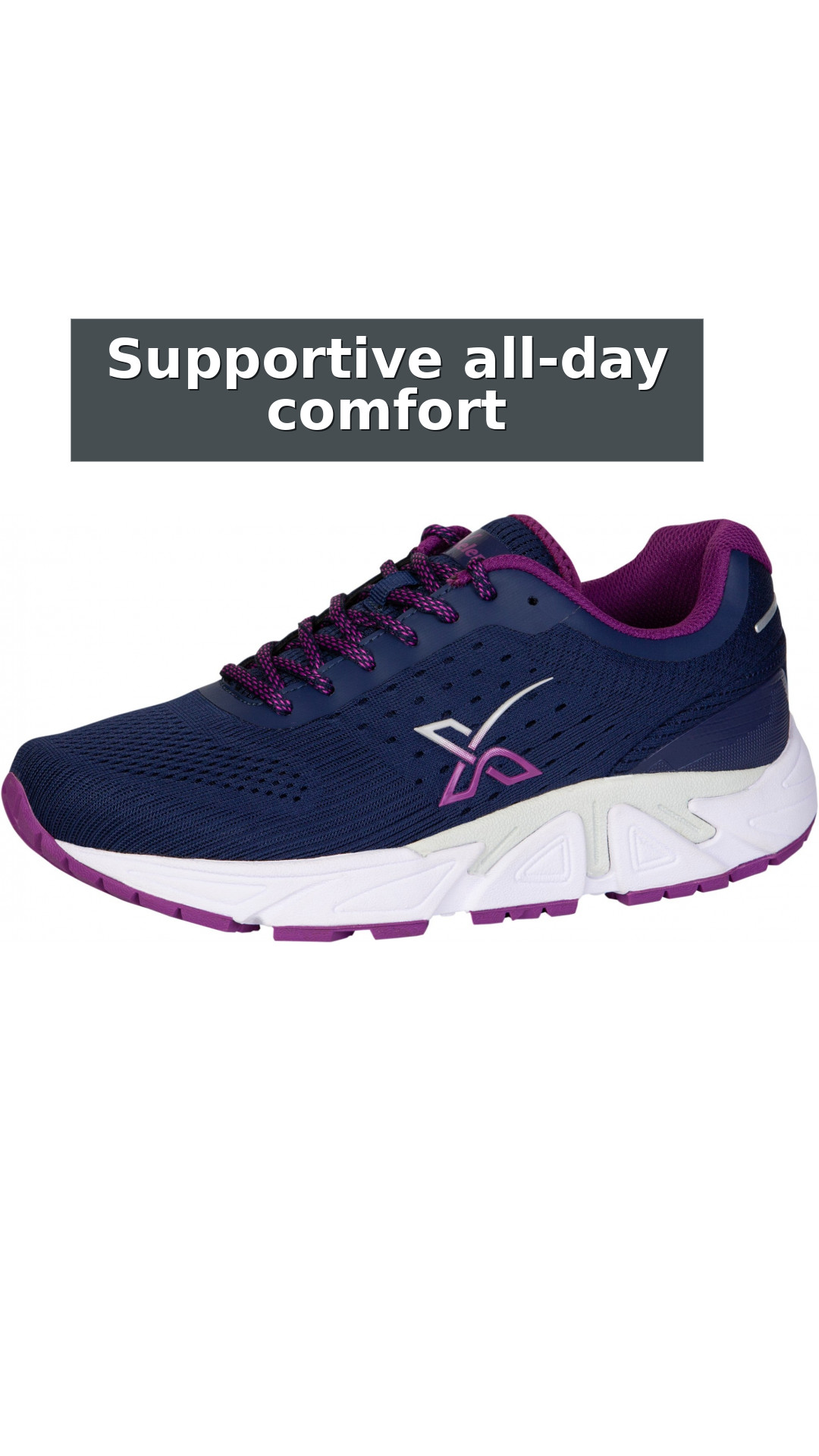
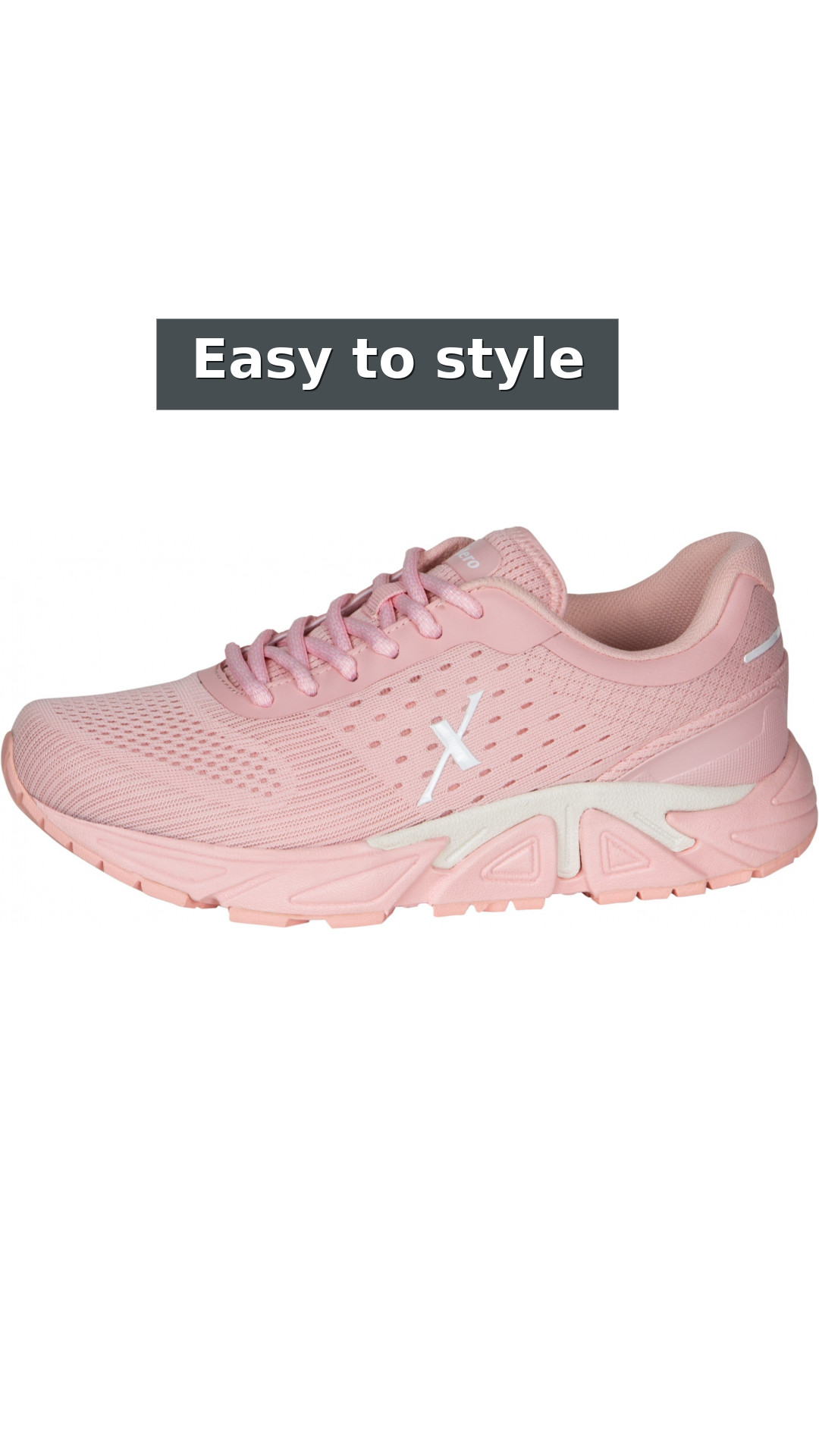
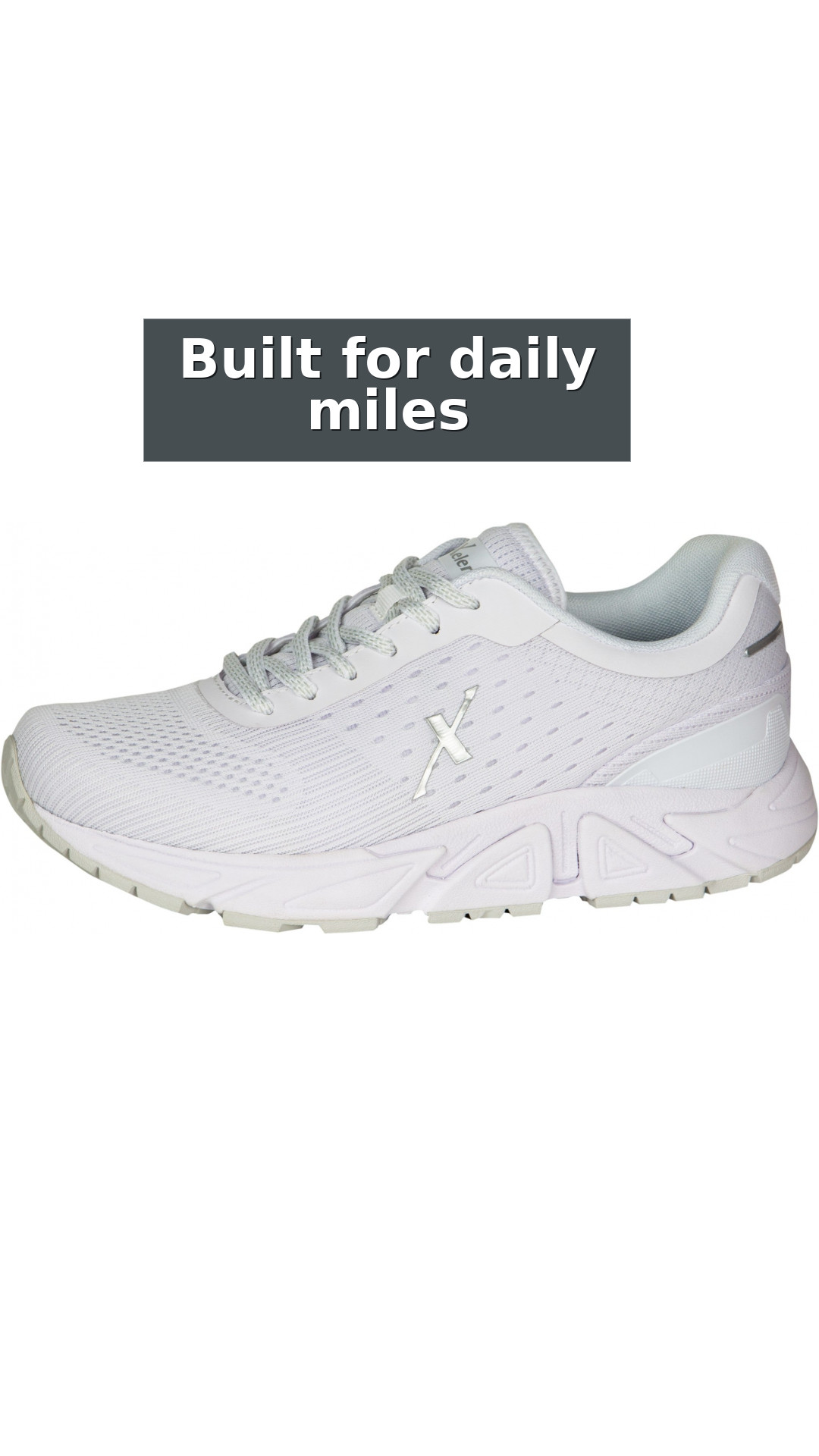
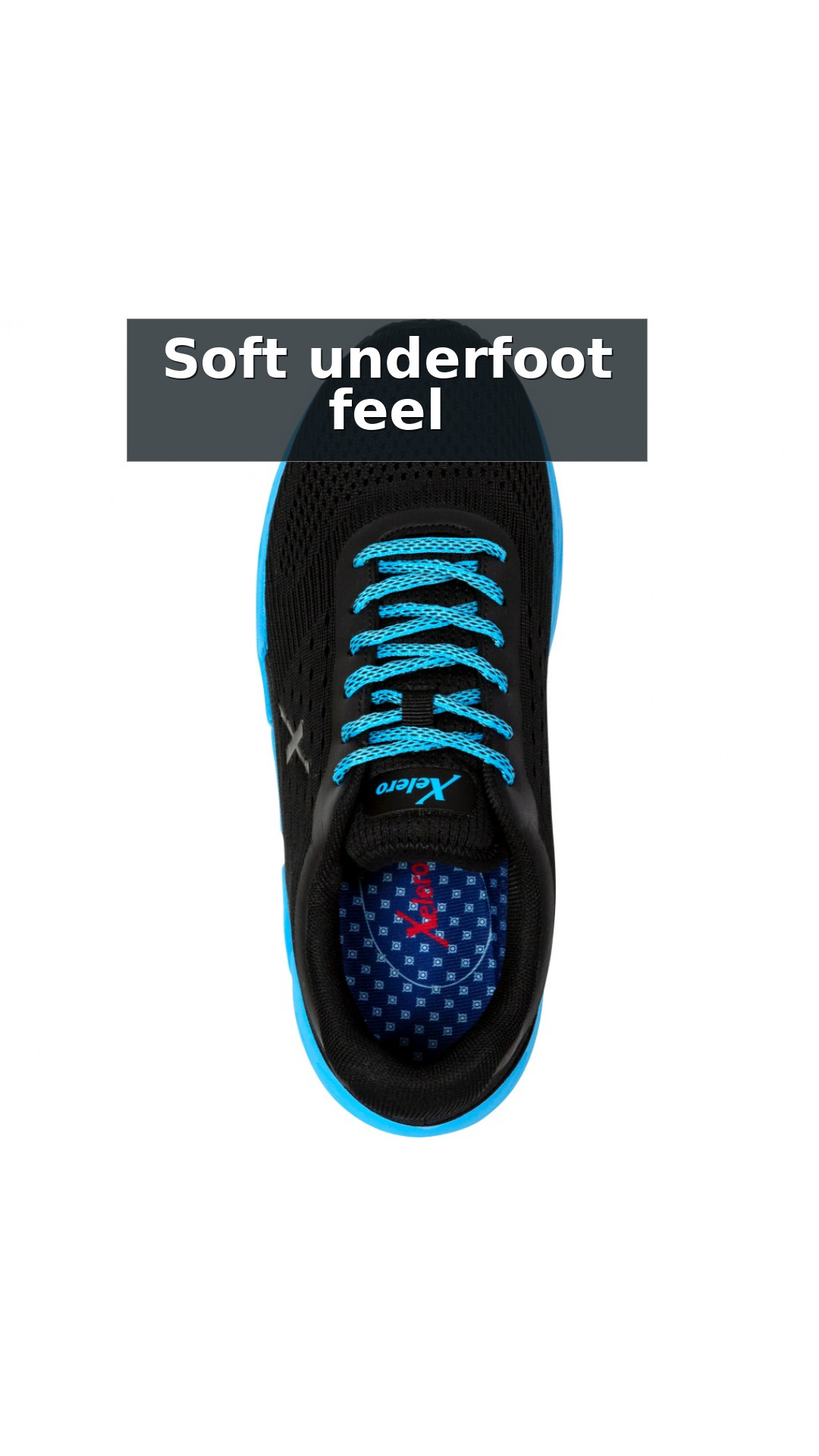
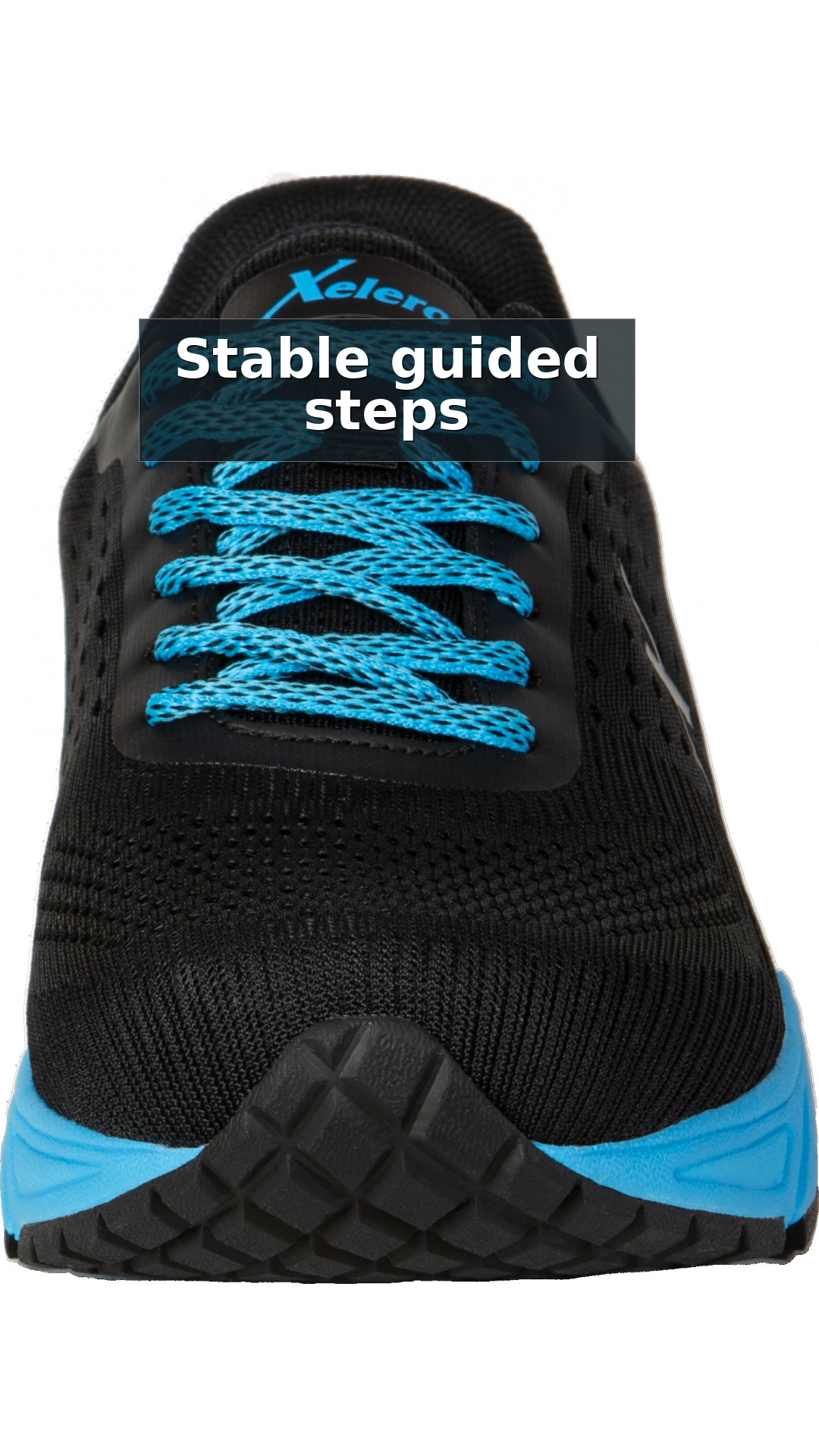
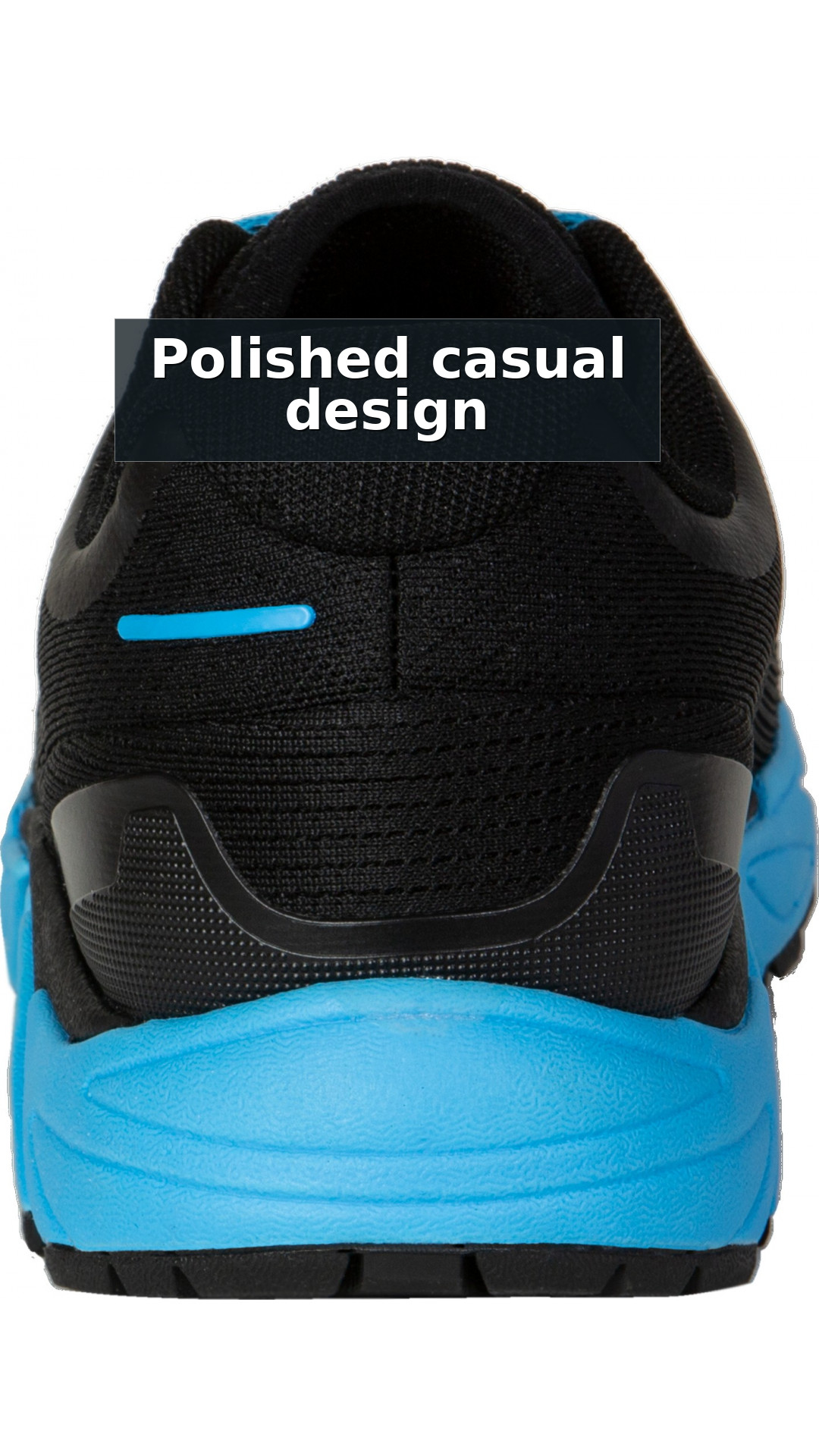
Xelero Genesis II Supportive Cushioned Women's Shoe · $169.99-$199.99 · Shop this product · Open full Shop Grid