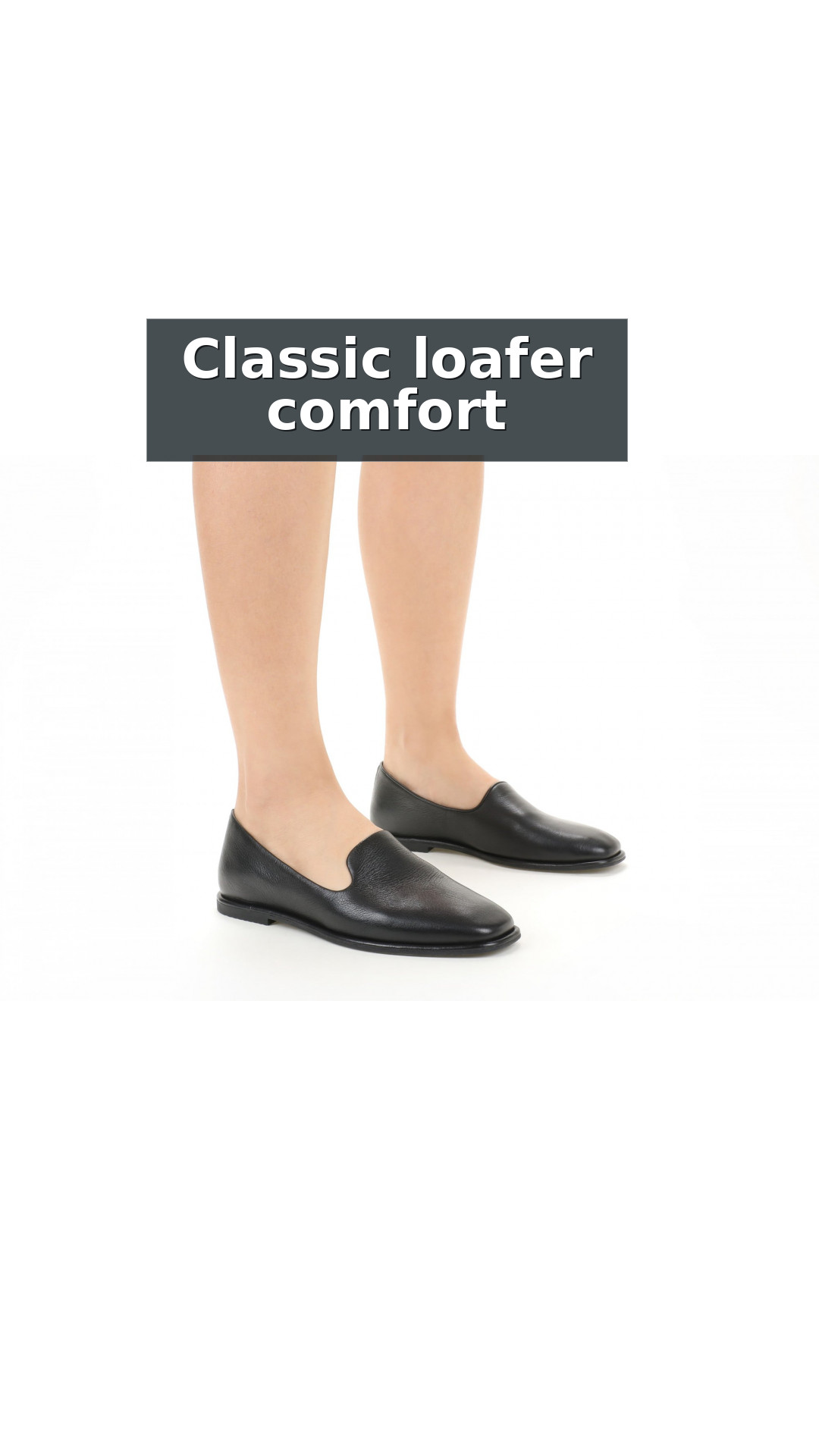
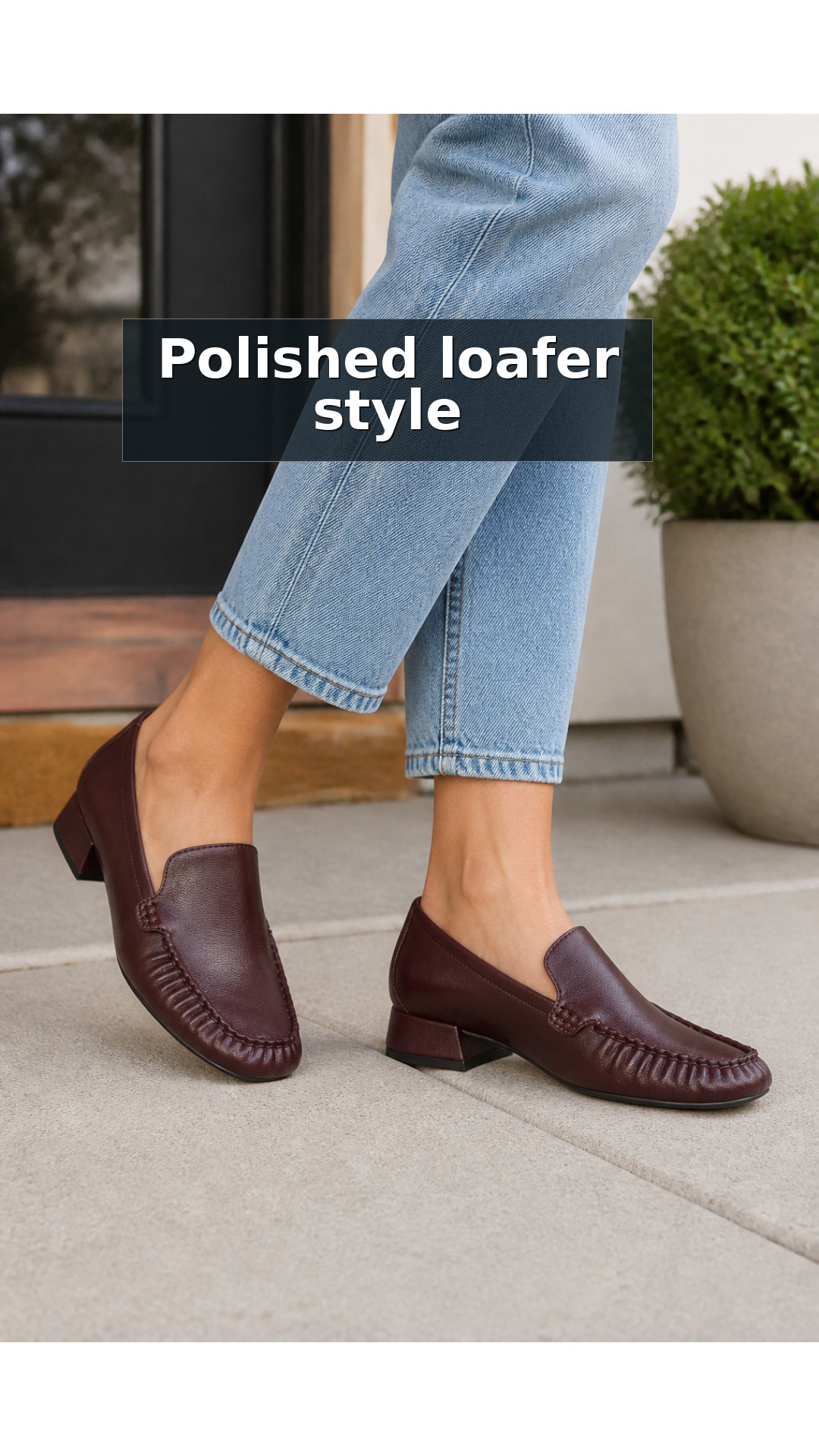
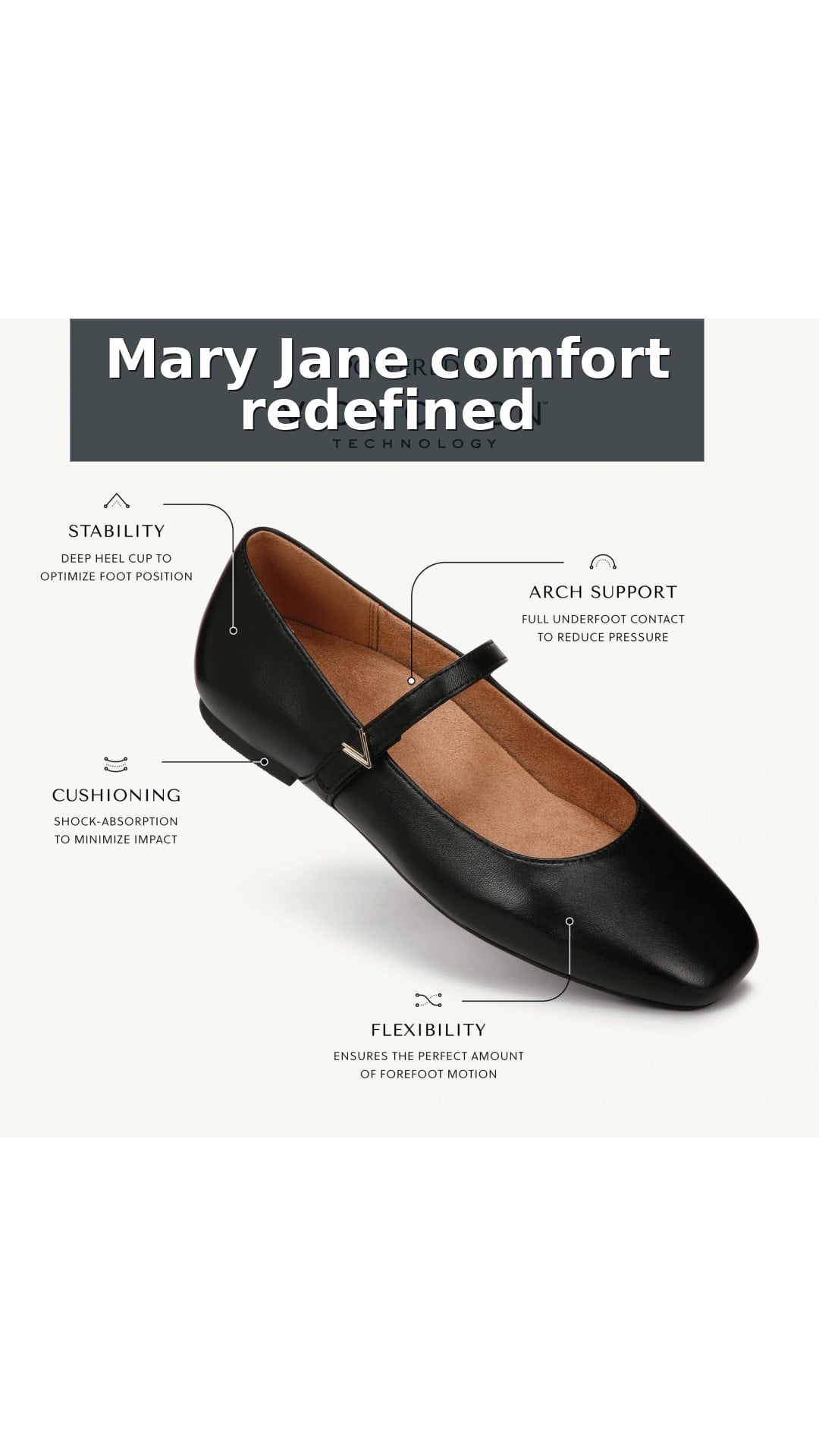
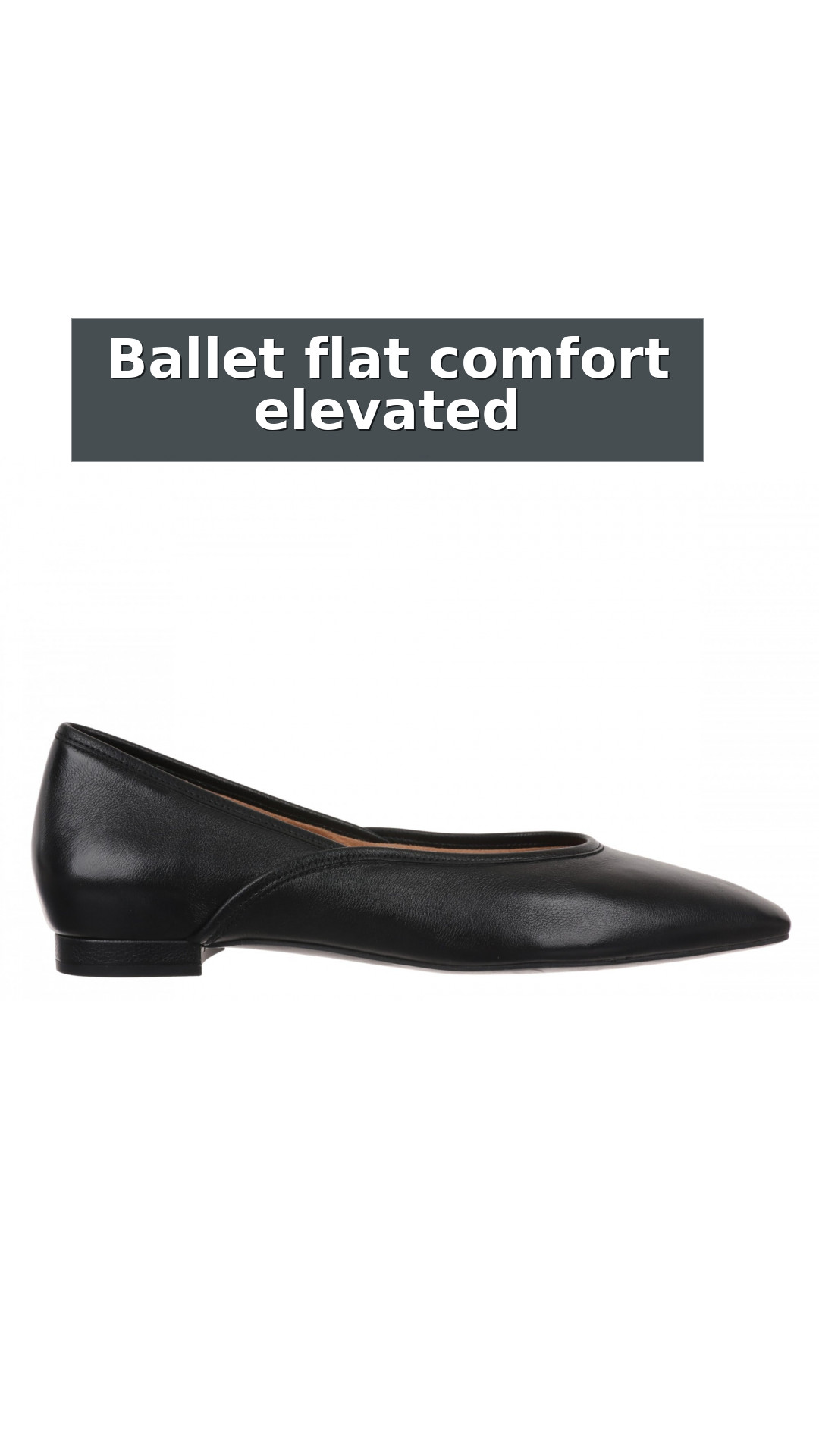
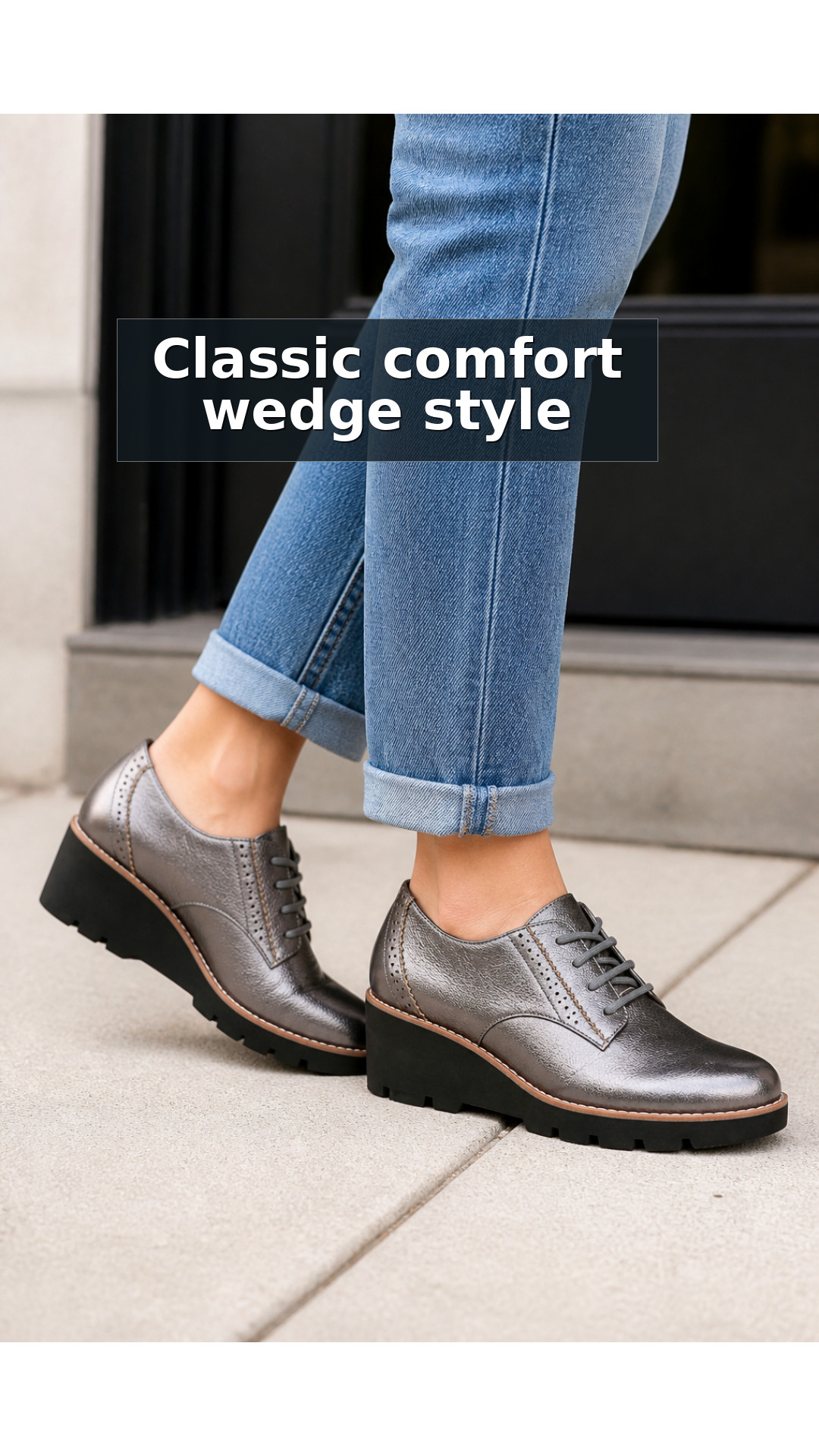
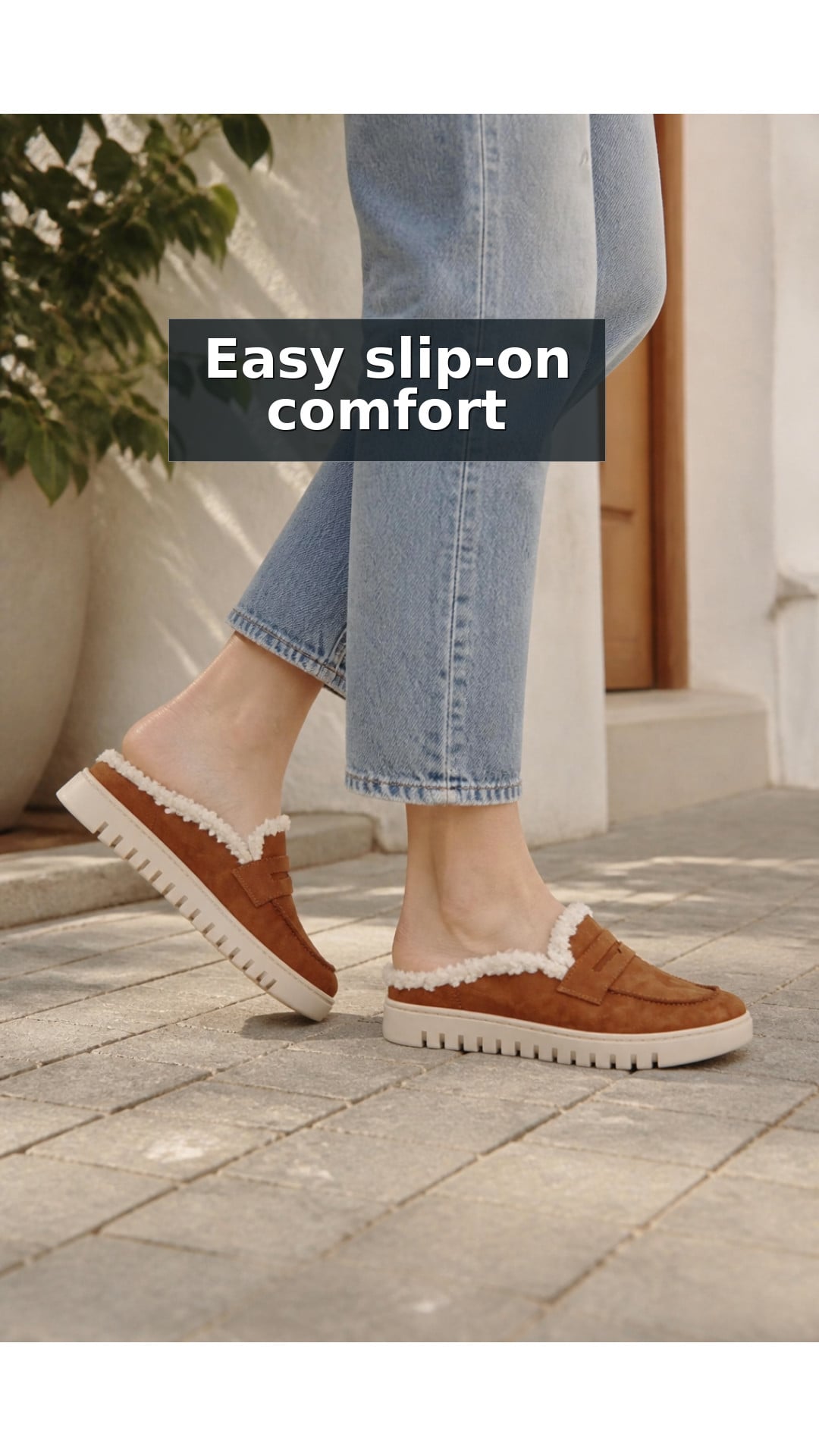
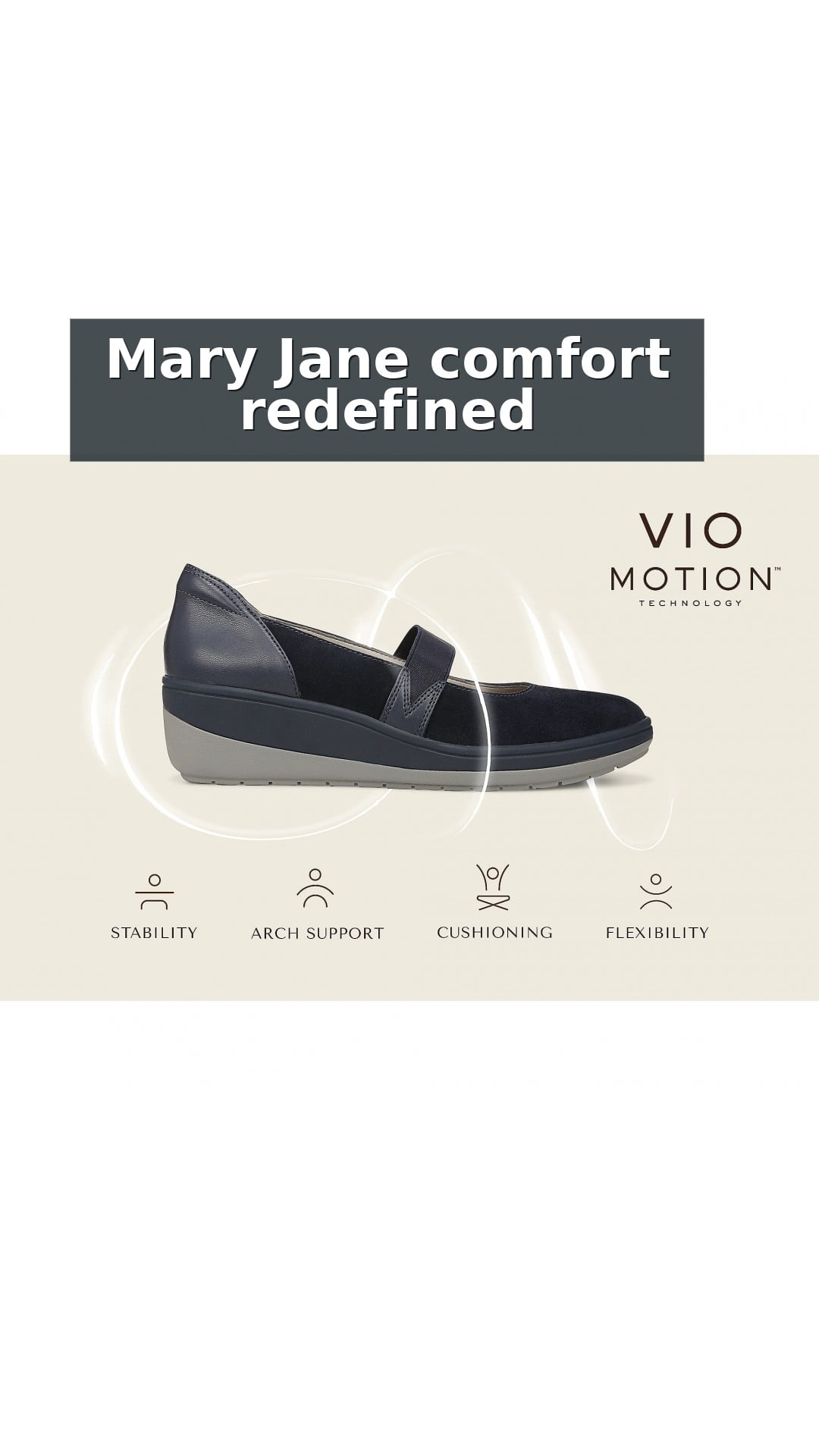
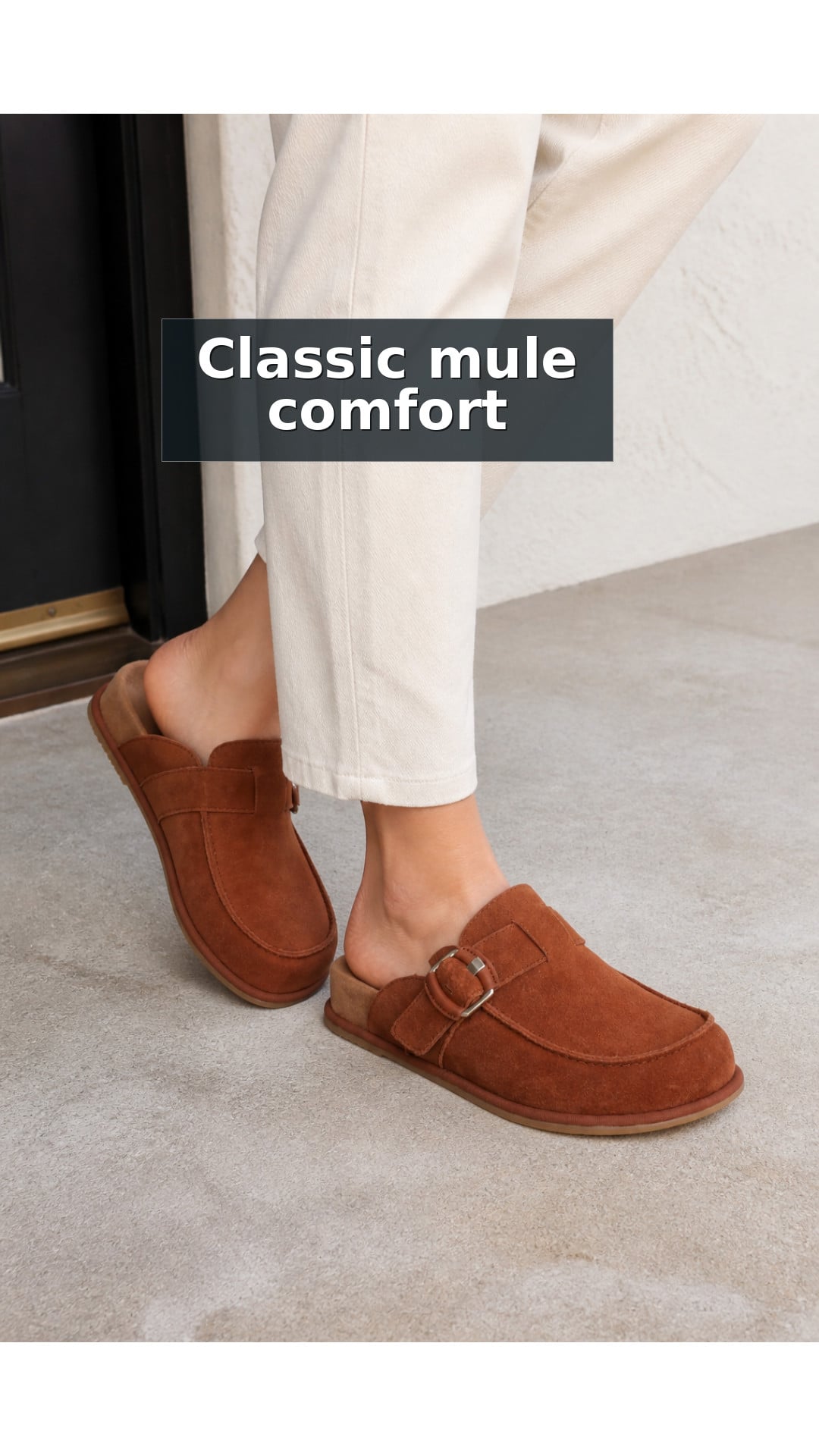
 Classic mule comfort
How to Fit Shoes Over Orthotics
Direct answer
If you are searching for how to fit shoes with orthotics, start with extra depth, a removable footbed or insole, width, and an adjustable closure. The right shoe should hold the heel, leave room above the orthotic, and keep the toes from feeling crowded. Orthotic Shop groups fit-first collections and product examples so you can compare room, closure, and toe-box shape in one place.
Quick recommendation summary
- Start with width and depth before changing length.
- Look for a removable footbed or insole when an orthotic needs room inside the shoe.
- Use adjustable closures to fine-tune hold after the orthotic is in place.
- Choose a shoe with a roomy toe box if the front of the shoe feels crowded.
- Compare walking, therapeutic, and comfort collections side by side before you decide.
Understanding the fit challenge
Orthotics change the way a shoe fits because they add height and volume inside the shoe. The goal is a fit that leaves enough room for the insert while still holding the heel securely and avoiding pressure on the top of the foot. In practice, that usually means extra depth, a removable stock insole or liner, and enough width through the forefoot and toe box so the foot can sit naturally.
Orthotic Shop groups collections and product pages that call out those fit cues directly. That makes it easier to compare shoes based on the shape and volume inside the shoe, not just the style on the outside.
Features to consider
| Feature | Why it matters | What to look for |
|---|---|---|
| Extra depth | Gives the orthotic more vertical room so the upper does not press down on the foot. | Useful when the shoe feels shallow or when the orthotic takes up noticeable height. |
| Removable footbed or insole | Creates space for a custom or over-the-counter orthotic and can help the shoe close properly. | Look for a footbed or liner that can be removed before the orthotic goes in. |
| Width options | Helps the shoe match the foot’s volume instead of forcing length to do the work. | Choose the width that fits the foot shape, especially if the forefoot feels crowded. |
| Adjustable closures | Lets you tighten or relax the fit after the orthotic changes the feel inside the shoe. | Laces, straps, or hook-and-loop closures that can be adjusted without pinching. |
| Roomy toe box | Leaves more space for toe movement and helps prevent the front of the shoe from feeling compressed. | A rounded or roomy front is easier to fit than a narrow or pointed shape. |
Verified collections to browse
Browse the Hammertoes collection
This collection is a direct fit for toe-room and depth questions. The description points shoppers toward a roomy toe box, extra depth, adjustable closures, and removable-footbed shoes.
Browse Dr. Comfort therapeutic footwear
Dr. Comfort is described with extra depth, generous widths, soft linings, and removable insoles for custom orthotics, which makes it useful when orthotics need more internal room.
See Drew Men's Boots for orthotic-friendly fit cues
This collection calls out adjustable closures, multiple width options, extra sole depth, and removable footbeds, which are practical fit cues for orthotic wearers.
Compare High Arch Insoles
A helpful companion collection when the shoe needs a lower-profile support layer or a firmer arch shape without making the shoe too tight.
Featured products to consider
These current Orthotic Shop products provide practical starting points for comparing shoe fit, insert length, support structure, and available interior space. Product fit and comfort vary by person.

Drew Halo Ii Women's Hands-Free Step-In Shoes
Shows removable footbeds for added or double depth and orthotic accommodation, plus hands-free entry and elasticized laces.

Drew Connor Men's Hands-Free Sneakers
Shows elasticized laces, two removable footbeds for added or double depth, and a note that it accommodates prescribed orthotics.

Drew Force V - White Mens Athletic Strap Shoes - 44714
Shows added and double depth, a Velcro closure, and accommodation for prescribed orthotics.

Drew Lightning II - Men's Athletic Lace Oxford Shoe
Shows two removable footbeds for added and double depth and accommodation for prescribed orthotics.

Xelero X-GPS Men's Shoe
Shows extra depth, a removable insole, and a second removable insole for added width and fit adjustment.

Apex X532 Men's Rhino Runner
Shows removable Orthotics and PRS insoles and a high wide toe box for fitting flexibility.
How to choose
- Start with the orthotic in mind. Compare shoes as if the orthotic is already inside them, because that changes the room you need.
- Check width before length. If the forefoot feels squeezed, a wider fit is usually a cleaner fix than sizing up in length.
- Look for removable insoles or footbeds. That is the easiest way to create room for the orthotic without forcing the upper higher.
- Adjust the closure after insertion. Laces and straps should hold the foot securely without pressing on the top of the foot.
- Use toe-box shape as a final check. A roomy front helps prevent rubbing and gives the toes space to sit naturally.
Common mistakes
- Buying by length alone instead of checking width and depth first.
- Assuming a removable insole automatically means enough room for every orthotic.
- Choosing a narrow or pointed toe box and hoping the orthotic will fix the fit.
- Over-tightening the closure and creating pressure on the top of the foot.
- Skipping the product page fit notes and relying only on the style name.
FAQs
Do I need extra depth for orthotics?
Extra depth is one of the most useful fit cues because it gives the orthotic vertical room. If the shoe already feels shallow, it is worth checking depth before changing length. A deeper shoe can also help the upper close more cleanly over the insert, which often makes the fit feel less crowded across the top of the foot.
Is a removable insole enough on its own?
Not always. A removable insole creates room, but the shoe still needs the right width, toe-box shape, and closure to stay comfortable once the orthotic is inside. A good fit is a combination of space, hold, and shape, so the insole is only one part of the equation.
Should I choose width or length first?
Choose width first. That keeps the heel seated and avoids turning the shoe into a longer version of the wrong shape. If the forefoot or instep feels tight, a true width change usually gives a cleaner fit than adding length, which can leave extra space in front of the toes.
What closures work best over orthotics?
Laces, straps, and hook-and-loop closures are the most useful because they can be adjusted after the orthotic changes how the shoe fits across the instep. The best closure is one that can be tightened enough for heel security without creating pressure points on the top of the foot.
What if the shoe feels crowded at the front?
Look for a roomier toe box, a wider fit, or extra depth before moving up in size. Crowding in the toe area usually means the shoe shape is wrong, not just the length. A rounded front and a more generous last are often easier to fit than a narrow or pointed design.
Can Orthotic Shop help me compare different fit styles?
Yes. The collections and products on this page are grouped around the same fit questions: room for the orthotic, secure closure, width, and interior depth. That makes it easier to compare practical fit details side by side and narrow the choices to shoes that are more likely to work.
Related guides
- Walking Shoes for Orthotic Inserts guide
- Shoes That Accommodate Custom Orthotics guide
- Wide Walking Shoes guide
- Adjustable Shoes for a More Flexible Fit guide
- Extra-Wide Shoes guide
- Shoes for Hammertoes guide
Editorial note
This page is general information only and is not medical diagnosis or treatment advice. It is intended to help compare fit features such as depth, width, removable footbeds, and closures. If pain, numbness, open wounds, sudden swelling, color change, diabetes-related foot concerns, or uncertainty about fit are present, a podiatrist or healthcare professional should be consulted before relying on a new shoe setup.
Style and product inspiration
Swipe through comfort footwear highlights and shop each featured style.