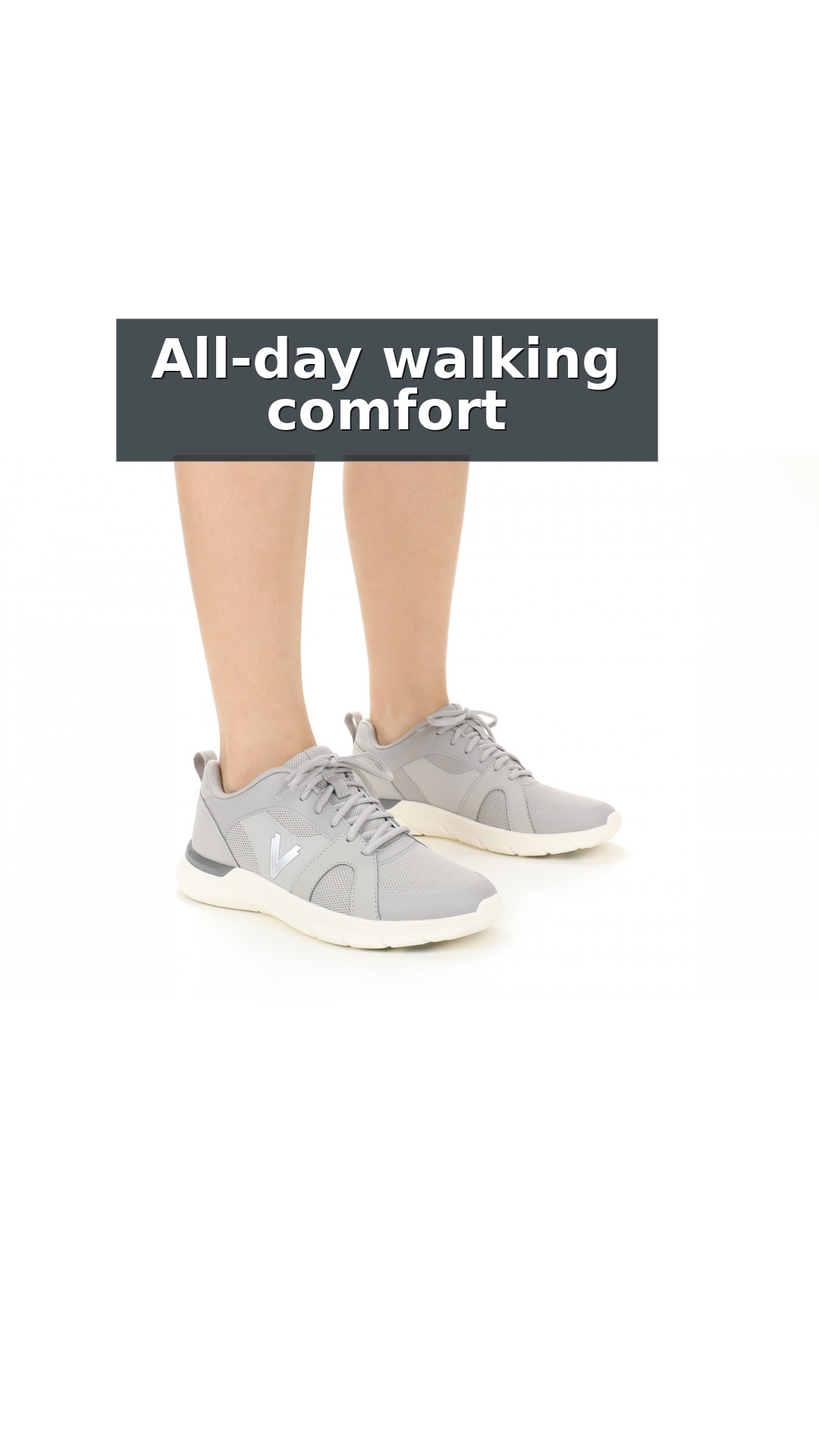
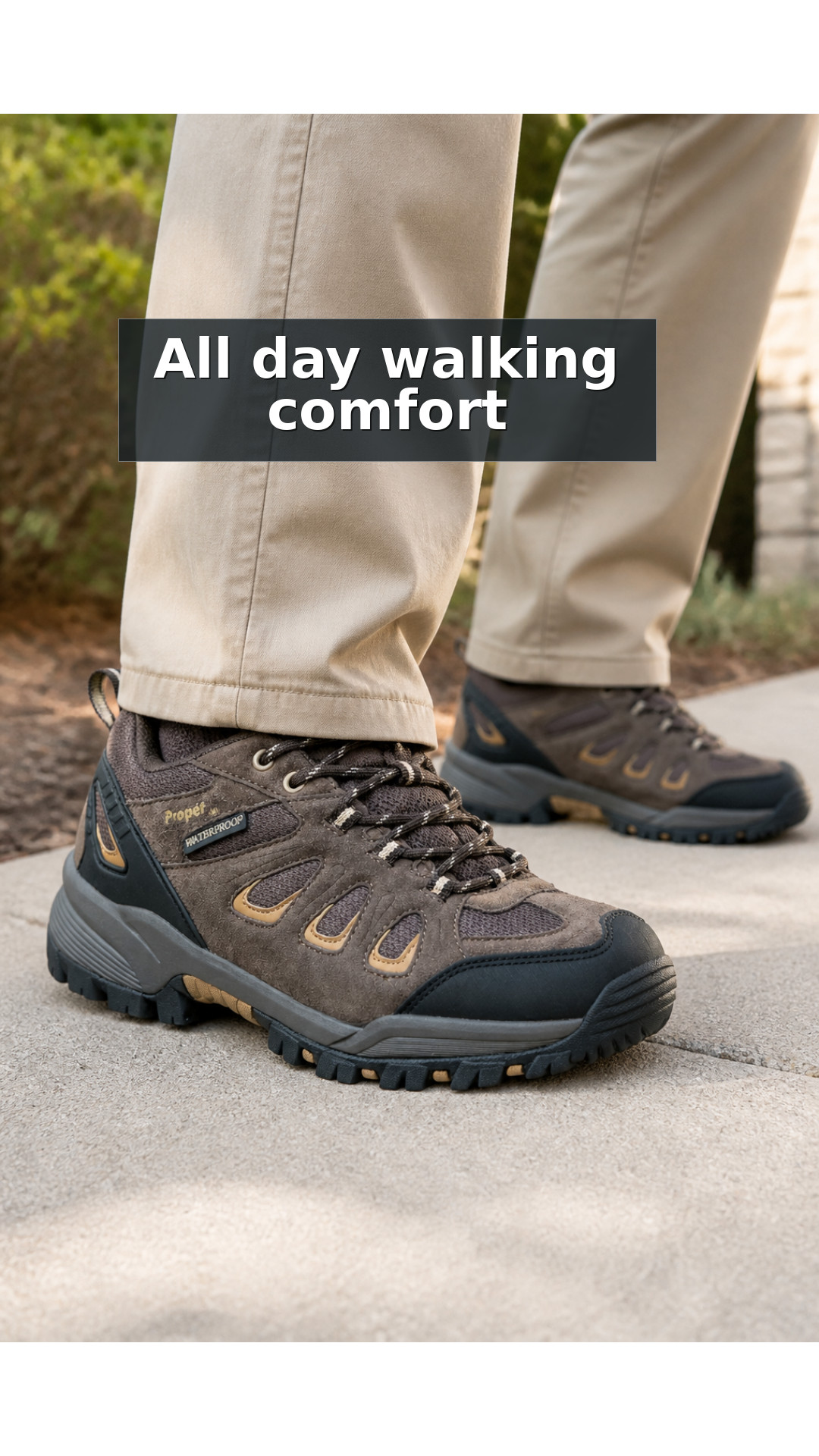
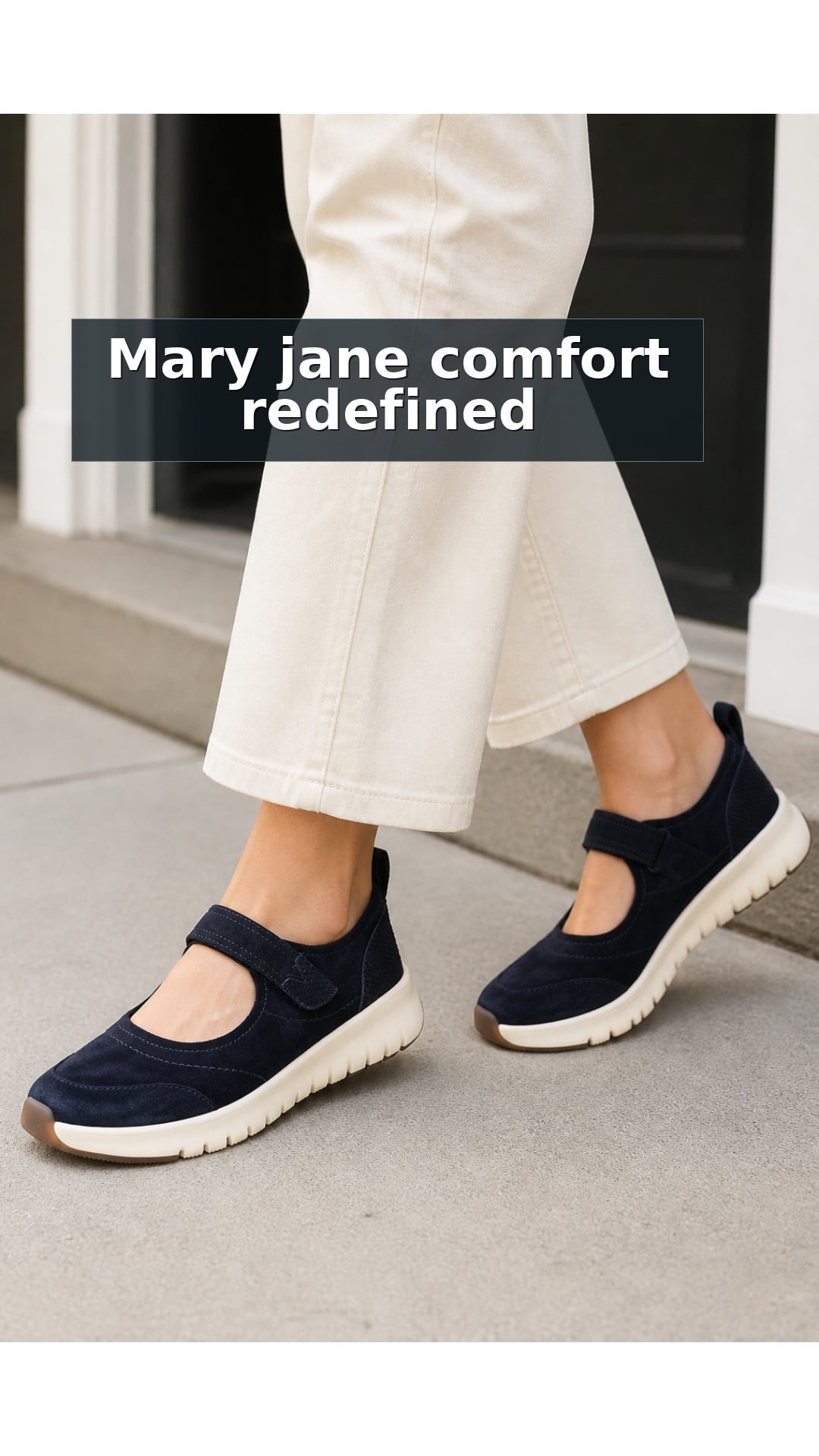
 Mary jane comfort redefined
Wide Walking Shoes
Direct answer
Wide walking shoes are for walkers who want more room across the forefoot, a steadier heel, or both. Orthotic Shop helps you compare width-first collections, extra-depth walking shoes, and product pages that spell out toe-box room, removable insoles, and closure style. That makes it easier to choose a walking shoe that matches your foot shape, whether you want a true wide size, extra width, or extra interior volume for orthotics.
Quick summary
- Choose width before length so the heel remains properly seated.
- Look for roomy toe boxes, extra depth, and removable insoles when extra interior room matters.
- Use adjustable laces or hook-and-loop closures to fine-tune the fit during the day.
- Compare walking, wide, and Apex collection pages side by side before you decide.
Understanding wide walking shoe fit
Wide walking shoes are not just standard shoes in a larger number. The main difference is the width and volume through the forefoot and toe box, which can reduce crowding and help the shoe sit more securely on the foot. If your foot is broader, you wear an orthotic, or you prefer a more forgiving fit, look for a true wide size rather than adding length.
Orthotic Shop’s wide and walking collections are built around that idea. The fit notes call out roomier toe boxes, removable insoles, extra depth, and closures that can be adjusted instead of forced.
Features to consider
| Feature | What to look for | Why it matters |
|---|---|---|
| Room across the forefoot | A toe box that does not pinch or squeeze the outer toes. | Helps the shoe feel balanced and reduces crowding up front. |
| Correct width instead of longer length | Choose the width that matches the foot, not a longer size to fake more room. | Preserves heel support and keeps the fit more controlled. |
| Extra depth or removable insoles | More vertical room above the foot, especially with orthotics. | Gives the foot and insert more working space inside the shoe. |
| Adjustable closures | Laces or hook-and-loop straps that can be tightened or relaxed. | Helps fine-tune fit as foot volume changes through the day. |
| Stable base and heel hold | A shape that feels steady underfoot and keeps the heel centered. | Supports a more secure walking feel over longer wear. |
Verified collections to browse
Browse Men's Wide Shoes
This width-first collection is built around true wide and extra-wide sizes. It also reminds shoppers that choosing the correct width preserves heel support.
Browse Men's Walking
A practical place to compare walking shoes with extra depth, removable insoles, a wide range of widths, and adjustable closures for a more secure fit.
Browse Women's Wide Shoes
This collection includes roomy styles in triple width and extended fittings such as 4E and 5E, with many styles featuring removable insoles and extra depth.
Browse Apex
Useful if you want walking-ready shoes with a roomy toe box, removable footbeds, supportive midsoles, a deep heel cup, and adjustable closures.
Browse Popular Diabetic Shoes
This collection includes walking shoes with a wide toe box, removable footbeds, extra depth, rocker soles, and firm heel counters, which can be helpful when you want a wider walking-shoe profile.
Featured products to consider
These current Orthotic Shop products provide practical starting points for comparing shoe fit, insert length, support structure, and available interior space. Product fit and comfort vary by person.

Apex X801 Men's Lace Walker - Black
Lace-up walking shoe with a high, wide toe box, removable Orthotics and PRS Insoles, and width options listed as M, W, and XW.

Propet Stability Walker Men's Walking Shoe
Stable walking shoe with a wide base, removable footbed, roomy toe box, and memory foam insoles.

Spira Classic Walker Men's Shoes with Springs
Walking shoe described as a generous fit for orthotics, with a removable molded EVA foot-bed and widths D, 2E, and 4E.

Spira Classic Walker Women's Shoes with Springs
Women’s walking shoe described as a generous fit for orthotics, with a removable molded EVA foot-bed and widths B, D, and 2E.
How to choose
- Measure foot length and width while standing, because width and volume can change when you are weight-bearing.
- Decide whether width, extra depth, or both matter for your foot. If your foot is broader, start with a true wide or extra-wide option; if you use orthotics, check for removable insoles or extra depth.
- Check the product notes for toe-box room, closures, and whether the shoe is designed to accept inserts.
- Pick the closure style that lets you fine-tune fit over the top of the foot: laces for micro-adjustment, or hook-and-loop straps for easier on/off.
- Try shoes later in the day when your feet are at their largest, then walk on a hard surface and make sure the heel stays seated.
Common mistakes to avoid
- Buying a longer size instead of choosing the right width.
- Ignoring extra depth when orthotics or higher-volume insoles are part of the fit.
- Picking a shoe that feels fine in length but is still tight across the toe box.
- Skipping the closure check and assuming every wide shoe will fit the same way.
- Not comparing heel hold and forefoot room together; you need both for a secure walking feel.
FAQ
What is the difference between wide and extra-wide walking shoes?
Wide shoes add room across the forefoot and toe box; extra wide adds even more width and overall volume. If your foot feels squeezed in a standard width, wide is the first step up. If that still feels tight, extra wide is usually the next place to compare.
Should I size up instead of choosing a wide width?
No. Orthotic Shop’s wide-shoe guidance says to choose the correct width instead of buying a larger size, because the right width keeps the shoe’s proportions intact and helps the heel, midfoot, and forefoot line up the way the shoe was designed. That usually gives a more predictable fit for walking and makes it easier to judge whether you also need extra depth or a different closure style.
What should I look for first in a wide walking shoe?
Start with room across the forefoot, then check heel hold, toe-box shape, and whether extra depth or removable insoles matter for your use. A stable base and adjustable closure are useful once the fit basics are right. It often helps to compare product notes side by side so you can see which styles are built for a broader foot shape versus which ones mainly offer more vertical space.
Can I use orthotics in wide walking shoes?
Often, yes, if the shoe has removable insoles or extra depth. The Men's Walking collection, Apex, and both Spira Classic Walker styles all include fit notes that point toward orthotic room. If you use a thicker insert, it can help to compare the product description, footbed type, and closure style together so the shoe has enough room above the insert and still feels secure.
Are laces or hook-and-loop straps better?
Either can work. Laces give finer adjustment, while hook-and-loop straps make on-and-off easier. The better choice depends on how much control you want over the top of the foot and whether you prefer a quicker closure for daily wear. Some walkers like laces for a more exact fit, while others prefer straps because they are simpler to adjust during the day.
Do wide walking shoes help if my feet swell during the day?
Roomier widths and adjustable closures can make fit easier when foot volume changes. If swelling is a regular issue, compare width first and then look for extra depth or closure options that can be adjusted as the day goes on. That combination can make it easier to keep the shoe comfortable from morning to evening without constantly reworking the fit.
What if a wide size still feels tight?
Look at extra-wide sizes, extra-depth styles, or a different last. If you are still unsure after comparing fit notes, use the product descriptions and size guidance before ordering. It can also help to compare a few styles from the same collection so you can tell whether the issue is width, depth, or a shape difference in the toe box.
Related guides
- Read the Shoes for Bunions guide — helpful if you want more room across the forefoot and toe box.
- Read the Shoes for Flat Feet guide — useful for comparing stable bases, heel hold, and roomy fit.
- Read the Shoes for Plantar Fasciitis guide — useful when you want heel stability and a more supportive walking feel.
- Read the Shoes That Accommodate Custom Orthotics guide — helpful when extra depth and removable insoles matter.
- Read Wide vs Extra Wide Shoes: What’s the Difference? — a quick guide to width terms.
Editorial note
Orthotic Shop keeps the focus on practical fit details: width, toe-box room, extra depth, removable insoles, and closures. This page is shopping guidance only, not diagnosis or treatment.
Persistent pain, numbness, open wounds, sudden symptoms, diabetes-related foot concerns, or uncertainty about fit should be reviewed by a qualified foot-care professional.
Style and product inspiration
Swipe through comfort footwear highlights and shop each featured style.