 Mary jane comfort redefined
Shoes for Plantar Fasciitis
Orthotic Shop’s Shoes for Plantar Fasciitis page helps adults compare shoes and inserts that prioritize arch shape, heel stability, and enough interior room for orthotic support. Use it to sort through verified collections, grounded product examples, and practical fit cues so the shoe and the support layer work together rather than crowding one another.
Quick recommendation summary
- Choose a shoe or insert with a steady heel and a contoured arch rather than a flat footbed.
- When the current pair feels shallow, start by checking shoe depth and whether the insole comes out.
- In tighter-fitting shoes, a low-profile 3/4 length insert is often the simplest fit.
- Use the collections and examples below to compare support style, shoe volume, and insert thickness before buying.
Understanding the fit challenge
Plantar fasciitis shopping usually comes down to a three-part balance: support under the arch, a stable heel, and enough room inside the shoe so the forefoot does not feel squeezed. A walking shoe, athletic style, or therapeutic design can all work, but each one handles volume and support differently. Inserts can be full length, 3/4 length, thin, cushioned, or heat-moldable depending on the shoe and the amount of structure desired.
In practice, the smartest comparison is not just style or appearance. It is the relationship between arch shape, heel control, cushioning, depth, and whether the shoe leaves room for an insert without creating pressure on top of the foot.
Features to consider
| Feature | Why it matters | Where Orthotic Shop shows it |
|---|---|---|
| Arch shape | A shaped arch provides a steadier base than a flat footbed. | ORTHOS Footwear, Athletic Insoles, Cushioned Insoles |
| Heel stability | A steadier heel helps the shoe feel more controlled step to step. | ORTHOS Footwear, Powerstep Pinnacle Hiker Insoles |
| Shoe depth | More interior room helps when adding an insert or when vertical space is limited. | Diabetic and Therapeutic Footwear for Neuropathy, ORTHOS Footwear |
| Removable footbed | Makes room for a custom insert or a lower-profile support layer. | Easy Spirit Earthen Cushioned Arch Support Women's Walking Shoe, Powerstep Pinnacle Hiker Insoles, Orthofeet 3/4 Insoles Women's Orthotic Insoles |
| Insert thickness | Match insert volume to the shoe; full-length options work well where the factory footbed can be removed. | ORTHOS Footwear Orthotic Insoles 3/4 Length for Tight-Fitting Shoes - USA Made, Spenco Total Support Original Insole, Heat Moldable Insoles |
| Adjustable fit | Helpful when a more precise feel matters or foot volume changes during the day. | Diabetic and Therapeutic Footwear for Neuropathy |
Verified collections to browse
ORTHOS Footwear
ORTHOS Footwear brings orthopedic and comfort shoes, supportive insoles, and foot care accessories together. The collection description highlights contoured arch support, heel stabilization, removable insoles, and available wide sizes, which makes it a strong starting point when support and fit both matter.
Athletic Insoles
This collection is built for sneakers and active use. It includes full-length and 3/4-length options, with support levels that range from firmer orthotic structure to cushioned foam, so the insert can match activity and shoe volume.
Cushioned Insoles
Cushioned Insoles focuses on padded orthotic inserts that improve fit, absorb shock, and help reduce strain. It is useful when a softer step is preferred without giving up support entirely.
Heat Moldable Insoles
This collection combines the convenience of an off-the-shelf insert with a custom-fit approach. The collection description notes that these insoles can cradle the arch, absorb shock, and adapt to a wide range of shoe styles, which is useful when fit needs tuning.
Diabetic and Therapeutic Footwear for Neuropathy
This collection is centered on roomier fits, smooth interiors, better pressure distribution, and stable support. It is a useful browse point when extra interior space or a fit-first design matters.
Featured products to consider
These current Orthotic Shop products provide practical starting points for comparing shoe fit, insert length, support structure, and available interior space. Product fit and comfort vary by person.

ORTHOS Footwear Orthotic Insoles 3/4 Length for Tight-Fitting Shoes - USA Made
Verified low-profile insert example for tighter fitting shoes that do not have removable insoles.

Easy Spirit Earthen Cushioned Arch Support Women's Walking Shoe
Verified walking shoe example with a removable contoured footbed and orthotic-friendly construction.

Powerstep Pinnacle Hiker Insoles
Verified full-length support example with a deep heel cradle and contoured neutral arch support.

Orthofeet 3/4 Insoles Women's Orthotic Insoles
Verified 3/4-length insert example for narrow toe boxes and shoes without removable insoles.

Spenco Total Support Original Insole
A verified full-length insole example with a medium arch, deep heel cup, and multi-density cushioning for walking, running, work shoes, and prolonged standing.

Sports Orthotics with Foam - Custom Made
Verified custom orthotic example with extra support and control and a removable-insole fit note.
How to choose the right pair
- Start with your main use. Decide whether the priority is a walking shoe, an athletic insert, a low-profile insert, or a more therapeutic fit. That keeps comparisons focused on a single wearing situation.
- Check shoe volume first. When a shoe feels shallow or crowded, a thinner insert or a shoe with more depth is usually a better match than forcing a thicker layer into a tight space.
- See whether the footbed comes out. A removable footbed gives more flexibility and makes it easier to switch in a support layer.
- Match support to the shoe. Firmer inserts tend to work well in roomier shoes, while a thin or 3/4-length option is often more practical in tighter-fitting pairs.
- Use the foot shape, not only the size tag. Length alone does not guarantee comfort if the toe box, heel area, or midfoot is too narrow.
- Compare the shoe and insert together. Orthotic Shop is most useful when the outer shoe and the inside support are evaluated as one setup.
Common mistakes shoppers make
- Choosing a flat shoe because it looks simple. Flat does not mean supportive.
- Ignoring depth. A shoe can be long enough and still feel crowded once an insert is added.
- Assuming cushioning and support are the same thing. Soft comfort and structured support are different features.
- Picking a narrow toe box when the forefoot needs room. A tight front can make the shoe harder to wear all day.
- Buying an insert before checking shoe volume. The insert has to fit the shoe as well as the foot.
FAQs
Do I need a shoe or an insert?
It depends on what the current pair is missing. When the shoe is stable but feels flat, an insert can be the better first move. When the shoe already feels crowded, a new shoe with more depth may solve more problems than adding another layer inside.
What matters more: arch support or cushioning?
Both matter, but they do different jobs. Arch support gives the foot a steadier base, while cushioning helps soften the feel underfoot. Many shoppers end up wanting a mix of the two, with enough structure to feel stable and enough padding to stay comfortable during longer wear.
When is a 3/4-length insert the smarter choice?
When the shoe is tighter, lower-volume, or does not leave much room at the toe end. The ORTHOS Footwear and Orthofeet 3/4-length examples on this page are useful references for that kind of fit because both are built for shorter profiles and tighter spaces.
Are removable insoles worth prioritizing?
Yes, when another insert will be added. A removable footbed makes it easier to swap in support without forcing extra material into the shoe, and it also makes it simpler to compare the original shoe feel with the modified fit.
What if feet are sensitive or more room is required?
The Diabetic and Therapeutic Footwear for Neuropathy collection is the most relevant browse point. Its description emphasizes roomier fit, smooth interiors, better pressure distribution, and stable support, which can be helpful when comfort depends on reducing pressure points.
Is a heat-moldable insert useful?
It can be, especially when a more customized feel matters without moving to a full custom orthotic. The Heat Moldable Insoles collection is built around that fitting approach and is a good starting point when the shoe fit is close but not quite ideal.
How can a walking shoe and an insert be compared?
Look at heel stability, footbed depth, and whether the shoe leaves enough room for the support layer that will be added. The Easy Spirit Earthen and Powerstep Pinnacle Hiker examples are good comparison points because they show two different support approaches.
Can Orthotic Shop help if the fit is still unclear?
Yes. If the fit is still unclear, the Contact Us page is the best next step for help with style, sizing, and support questions.
Related reading
- Insoles for plantar fasciitis — helpful when comparing support layers before buying shoes.
- How to choose arch support — practical guidance for matching support shape to foot type.
- Sandals with arch support — useful for warm-weather options with more structure.
- Orthotic sandals for warm-weather comfort — compares supportive sandal formats and shopping features.
- Supportive slippers with arch support — useful when heel comfort at home is part of the shopping plan.
- Why heels hurt after walking all day — a practical breakdown of common heel-pain patterns and footwear fixes.
Editorial and medical-information note
This page is general shopping information only and is not medical diagnosis or treatment advice. Persistent pain, numbness, open wounds, sudden swelling, rapidly changing symptoms, diabetes-related foot concerns, or uncertainty about the cause or the right shoe should be discussed with a qualified health professional before footwear is chosen.
Style and product inspiration
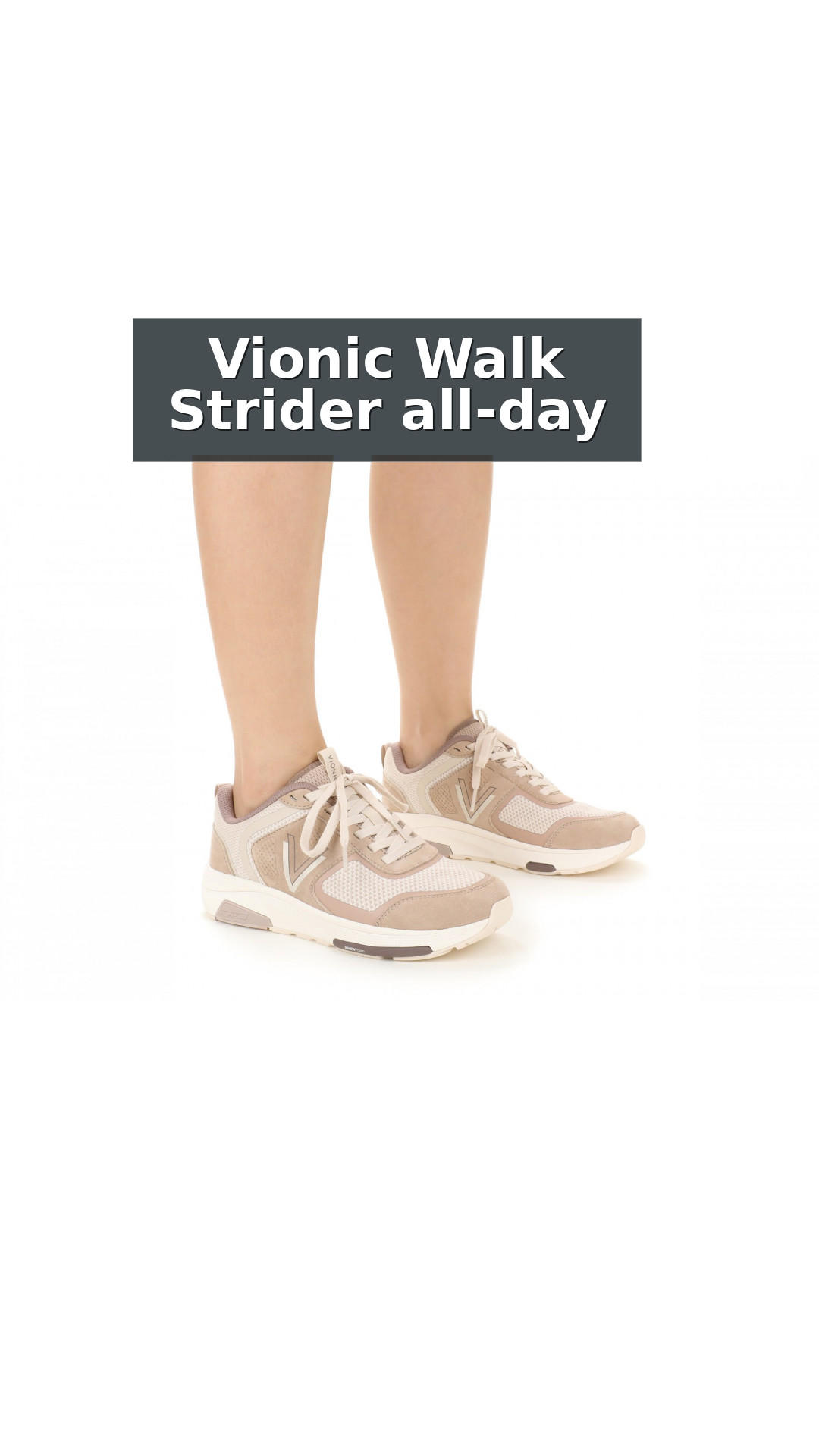
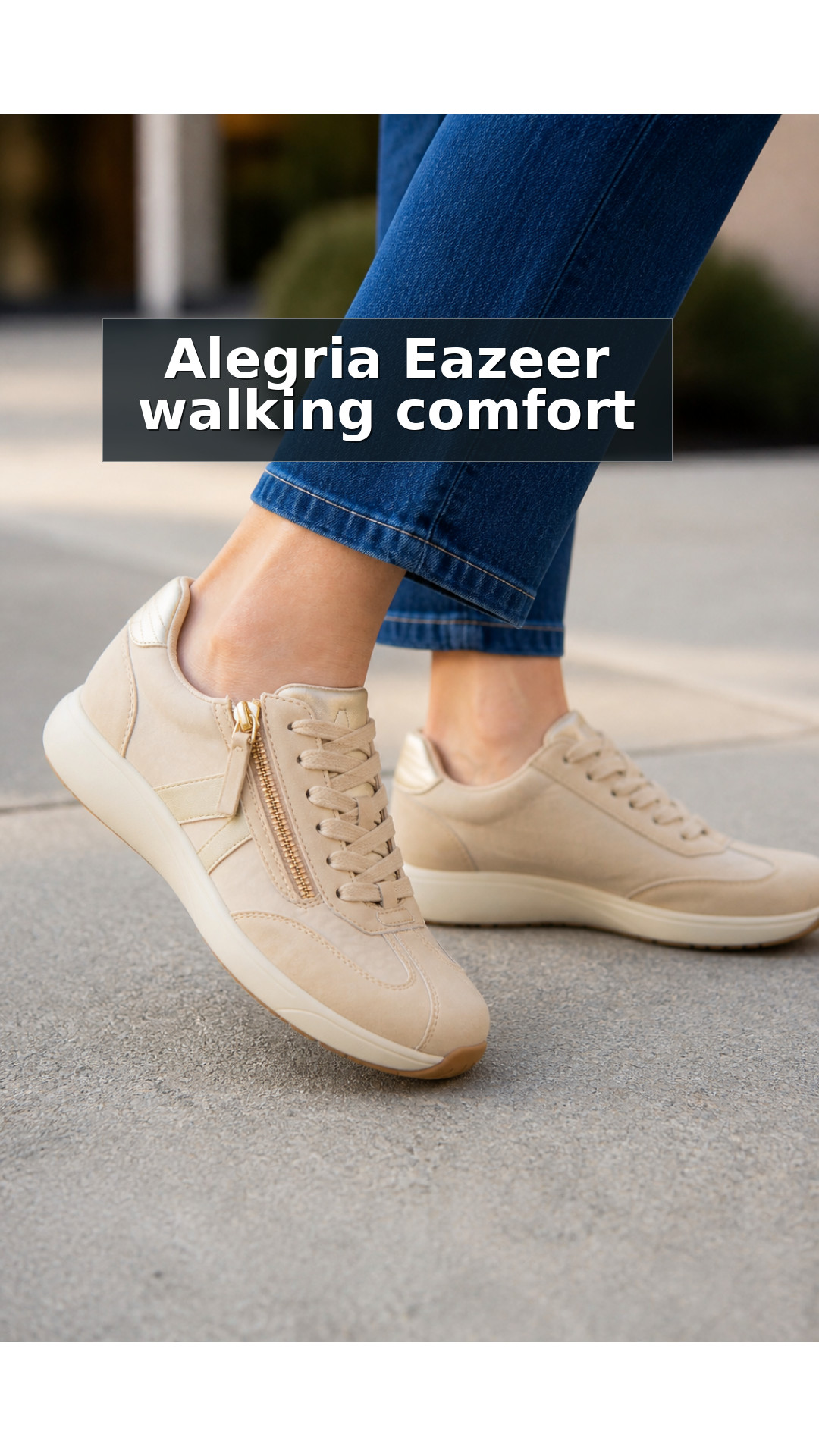
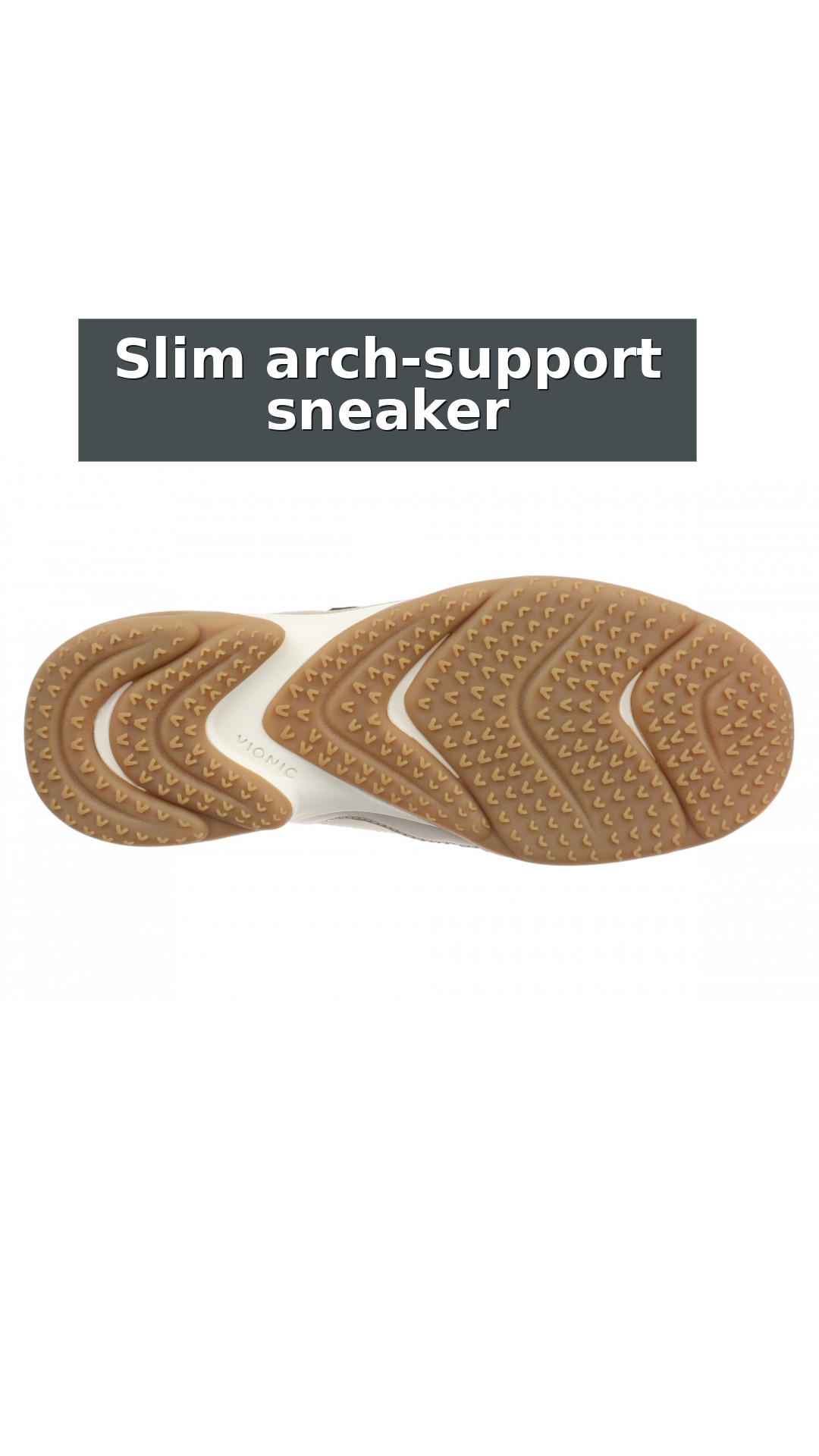
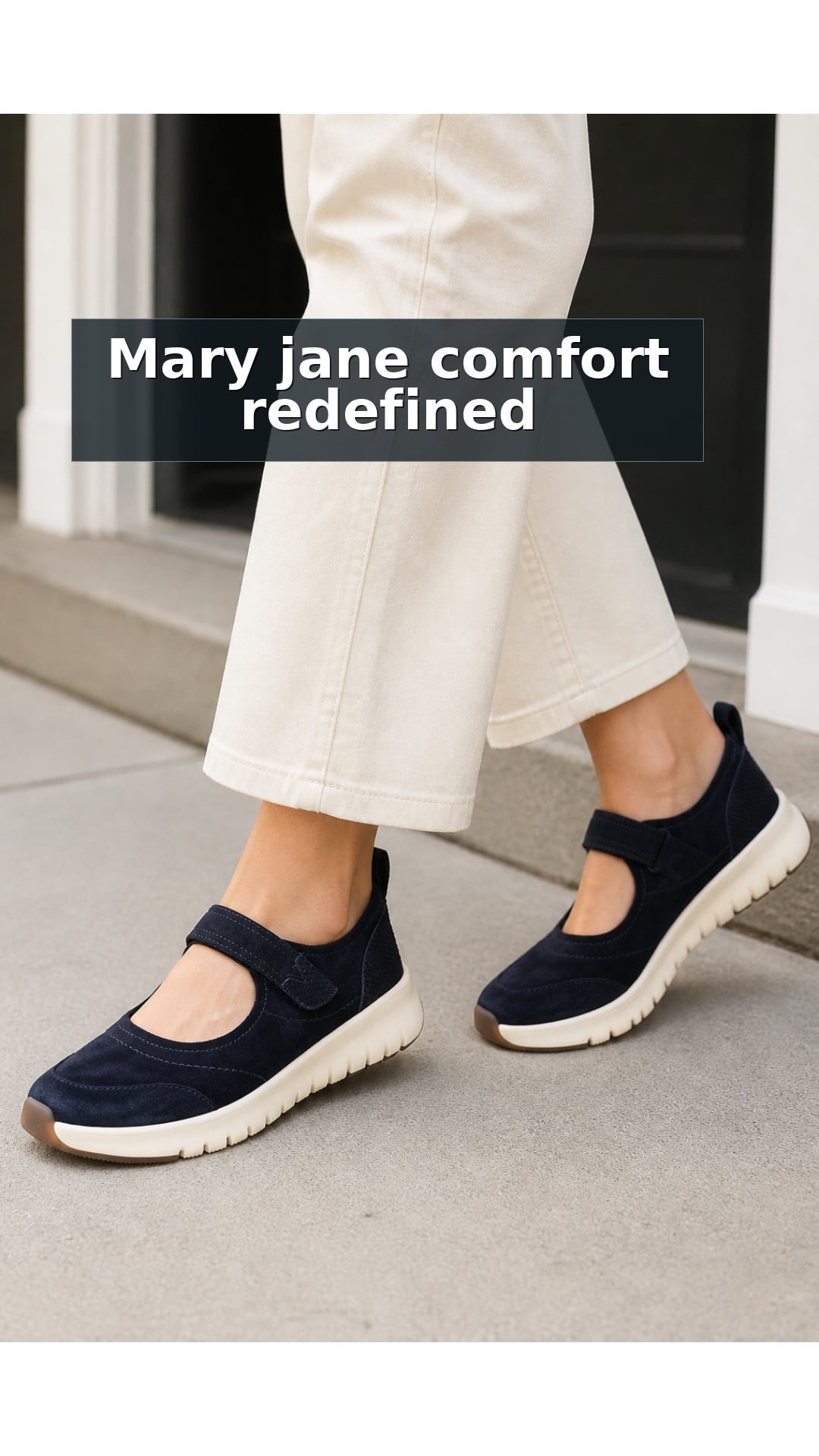
Swipe through comfort footwear highlights and shop each featured style.