 Snuggle up in comfort
Supportive Slippers: Fit, Warmth and Indoor Comfort Guide
Supportive slippers are for adults who want indoor footwear with a comfortable arch contour, cushioning and a fit that stays secure as they move around the house. Start by separating warmth from support: a plush lining can feel cozy, but also check heel hold, toe room and how the footbed meets your foot. If you use an existing orthotic, assess the slipper with that device and your usual socks rather than assuming a supportive label means it will fit. Orthotic Shop helps you compare adult slipper collections and individual styles by their stated construction, from easy slip-ons to adjustable designs. Use this guide to match the slipper to your home, your wearing setup and your everyday routine.
Quick recommendation summary
- For warmth: Compare lining and upper coverage without treating plushness as arch support or outdoor protection.
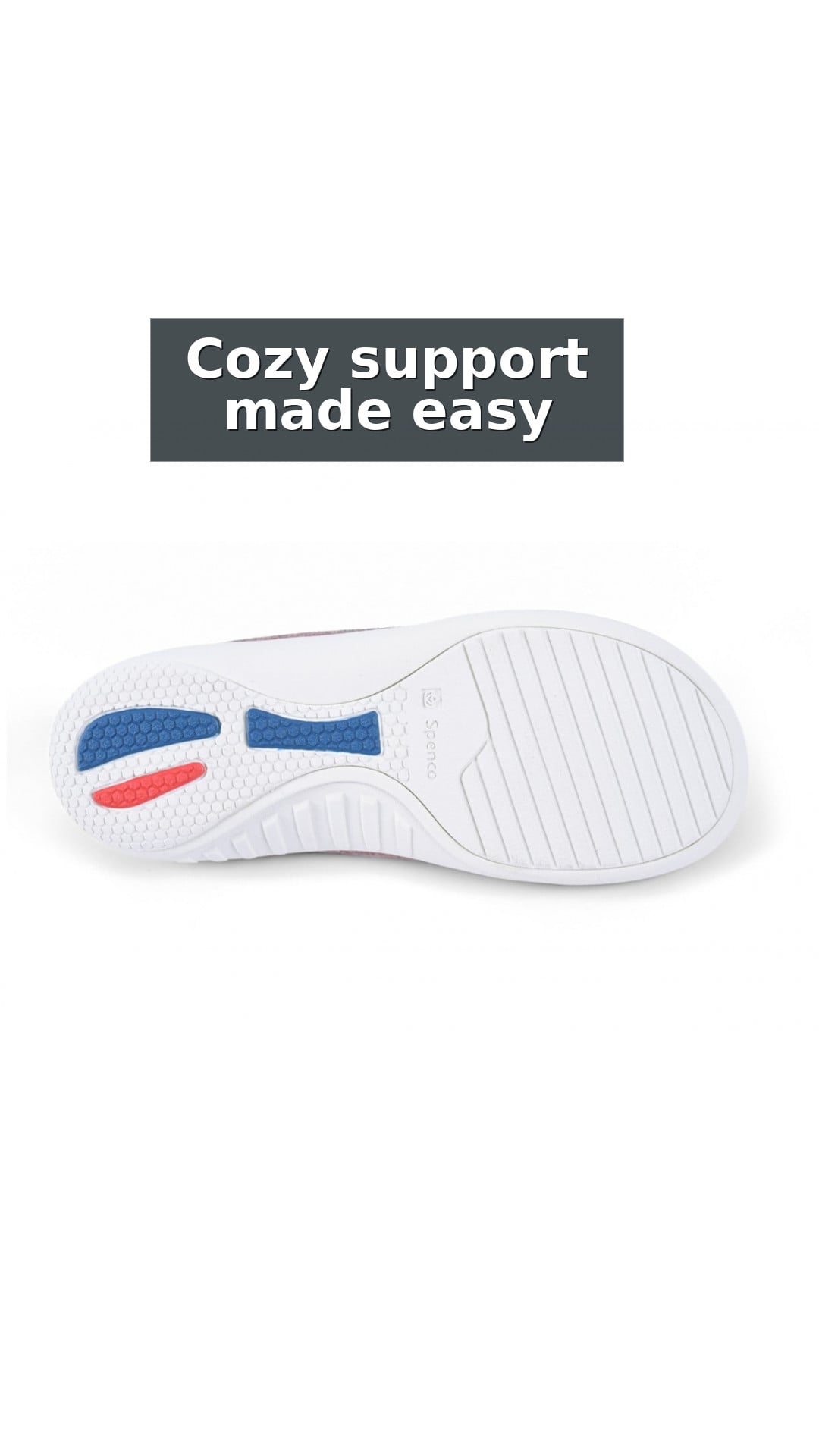
- For underfoot comfort: Check cushioning and arch shape separately while standing and walking.
- For a secure fit: Notice heel movement and how the slipper stays with your foot when you turn.
- For easier entry: Compare the opening and fastening, then check walking fit after the slipper is on.
- For an existing orthotic: Confirm footbed details and assess usable depth, toe room and heel position with the device installed as instructed.
- For your home: Consider your floor surfaces and usual socks; check outdoor-use information separately.
Understanding your indoor slipper needs
Begin with your routine rather than a brand name. A pair worn mainly while sitting has a different shopping brief from one worn while preparing meals, moving between rooms or using stairs. Write down where you wear slippers, how much walking you do in them and whether reaching or fastening the slipper is difficult.
Then separate the decisions. Warmth concerns coverage and lining. Cushioning concerns the underfoot feel. Arch contour concerns where the footbed contacts your foot. Heel hold and closure concern how securely the slipper stays fitted. None of these details alone answers all the others. An easy-entry design still needs a walking fit check, and a warm slipper is not automatically suitable for outdoor use.
Features to consider before choosing
Warmth and coverage
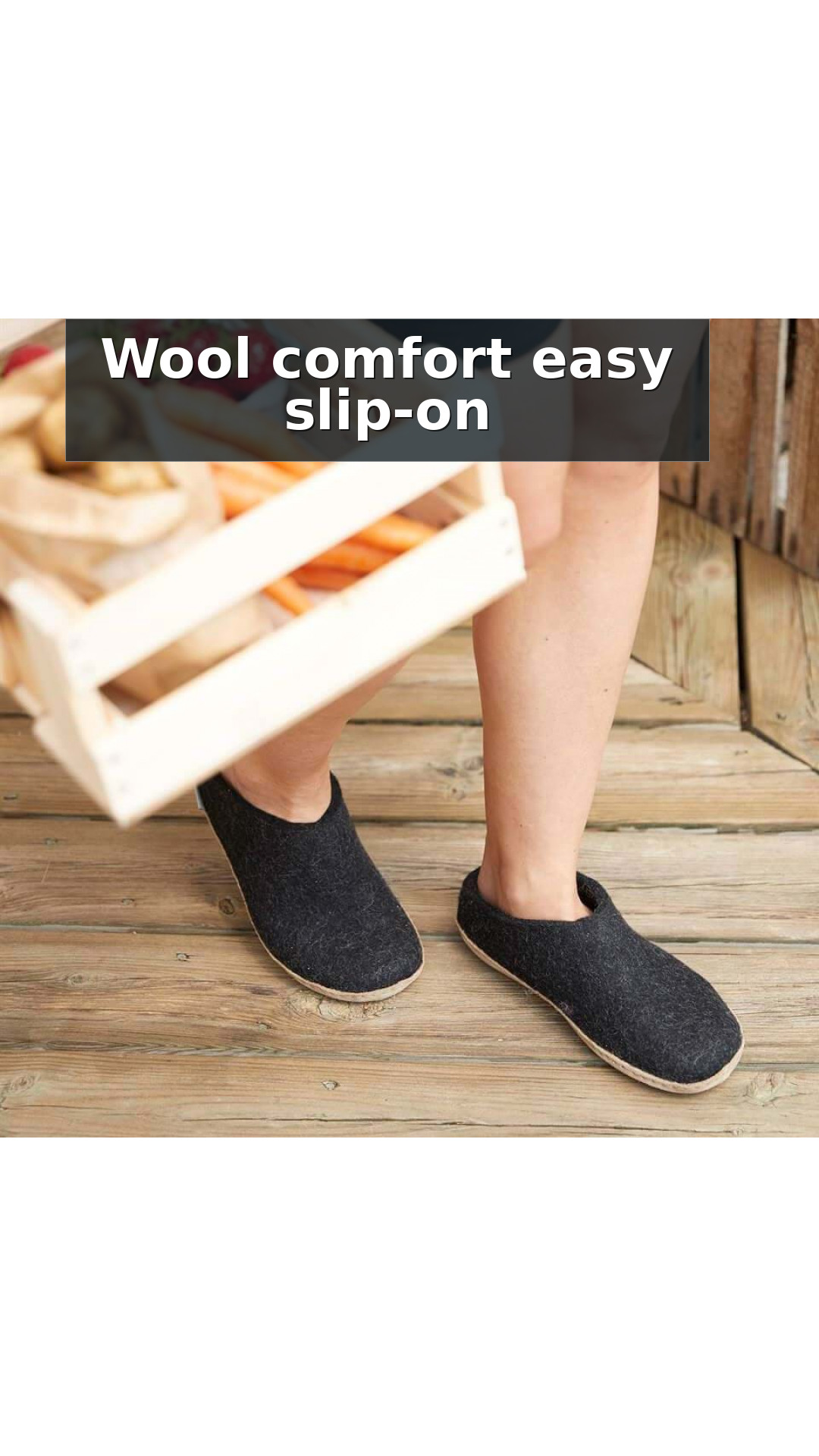
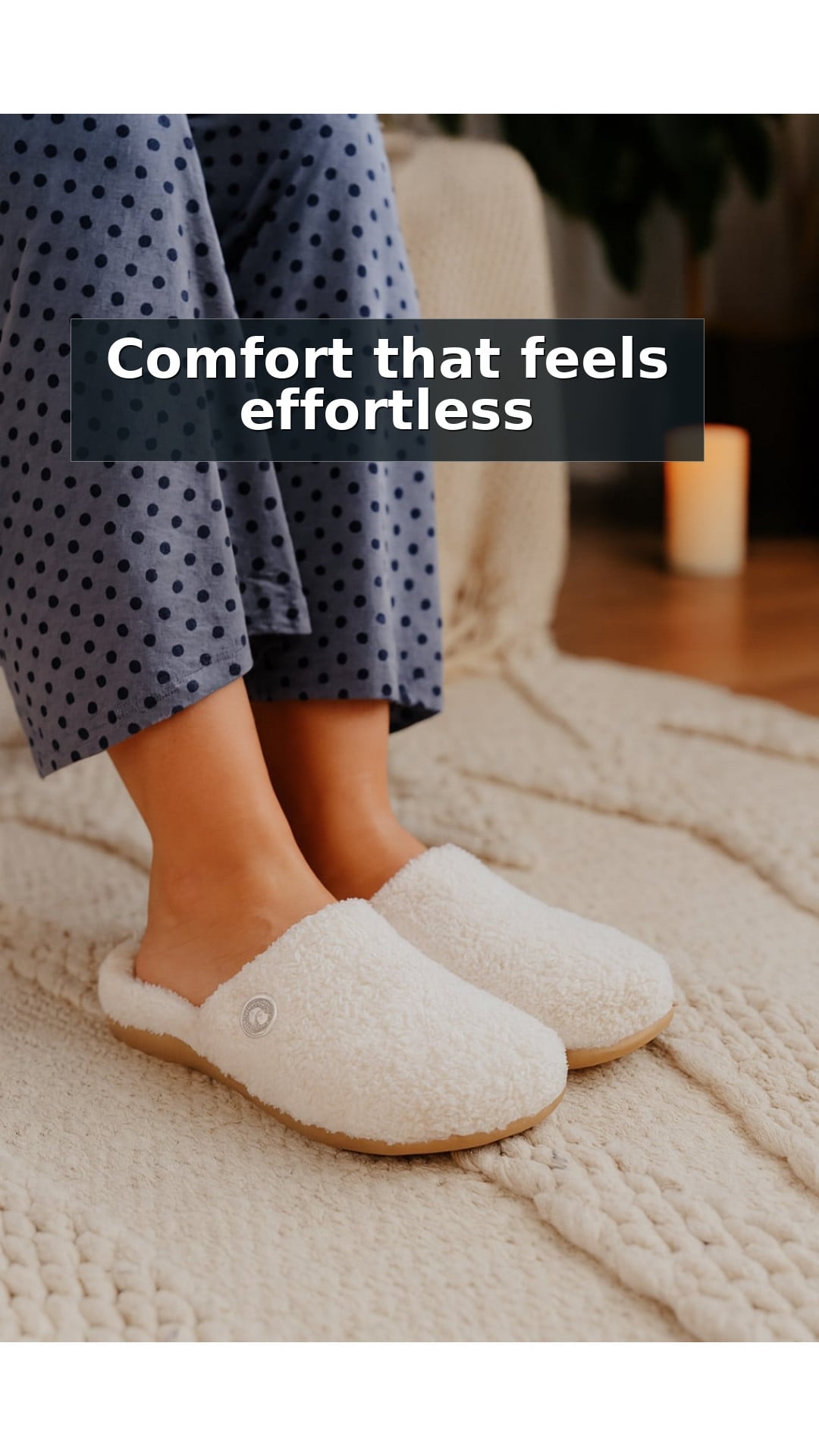
Compare how much of the foot is covered and what the listing says about the upper and lining. Decide whether you prefer an open or more enclosed shape for the room temperature and socks you expect to wear. A cozy lining is a warmth consideration, not evidence of a supportive footbed, waterproofing or a particular insulation level.
Cushioning
Judge the underfoot feel while standing and taking steps, not only by pressing the footbed with your hand. Ask whether the cushioning feels comfortable without making the slipper feel wobbly. Do not choose solely by thickness or initial softness; keep toe room and heel position in the same comparison.
Arch shape
Notice where the contour meets your foot and whether that contact feels comfortable. A more pronounced arch is not automatically a better match. Compare the location and feel of the contour rather than searching for the strongest support description. If you use your own orthotic, judge the setup you will actually wear.
Heel hold
An open-back slipper leaves the rear of the heel uncovered for slide-in entry. A heel lip adds a low raised edge behind the heel, while a closed back provides more rear coverage and an opening your heel must pass through. Consider both entry and rear coverage, then check the fit while walking: does your heel stay seated, and does the slipper remain with your foot when you change direction? Check any fastening as part of that assessment. No back shape alone establishes a secure fit.
Secure closure and manageable entry
Check whether you can operate the fastening and adjust it without creating pressure across the top of the foot. A generous opening can make entry easier, but the slipper still needs to hold the foot once secured. Slip-on describes a convenience; it does not by itself establish hands-free entry or a secure fit.
Floor surfaces and outdoor use
Think about the carpet, wood or tile in your usual route through the house. Read the outsole and intended-use details, but do not assume that a rubber or synthetic sole establishes slip resistance. Likewise, an indoor-outdoor description is not a waterproofing claim or a promise of grip on wet surfaces, snow or ice.
Socks
Use the socks you normally wear at home for the fit check. If you alternate between bare feet and socks, assess both arrangements rather than judging only the roomiest one. Recheck the toes, instep and heel whenever the wearing setup changes. Do not rely on extra length alone to accommodate a thicker sock.
Room for an existing orthotic
Confirm that the particular style has a removable footbed if that is needed for your prescribed setup. Removability is only a starting point: the replacement must sit properly while leaving room for your foot. Check width, interior depth, closure and heel position together. Follow the device instructions rather than assuming it belongs on top of the supplied insole.
Shop slipper collections
Start broadly if you are still deciding on shape, or use a brand collection to narrow the comparison. Apply the same fit checklist across brands rather than assuming that all slippers from one brand share the same construction.
- Slippers with Arch Support — Compare men's and women's house slippers and indoor-outdoor styles in one place.
- Orthofeet Slippers — Browse a focused men's and women's slipper selection, then compare the opening, closure and interior details of each style.
- Vionic Slippers — Explore slides, mules, clogs and other slipper shapes, checking the individual model for adjustment and footbed details.
- Revitalign Slippers — Compare slip-on and open-toe shapes for women and men, with attention to coverage and opening design.
- PowerStep Slippers — Browse the brand's slipper collection and compare the individual listing's construction with your indoor routine.
Featured products to consider
Compare the product-specific details below and check the linked listings before choosing. Fit and comfort vary by person.

Vionic Claribel Women's Arch Support House Slipper
Combines a slip-on design, faux-shearling lining and an EVA cushioned insole with arch support for comparison across warmth and underfoot feel.

Orthofeet Asheville Supportive Men's Slippers
Combines fully opening adjustable straps, a heel lip and a removable EVA insole for shoppers comparing entry, hold and interior setup.

Vionic Imogen Women's Arch Support Slipper
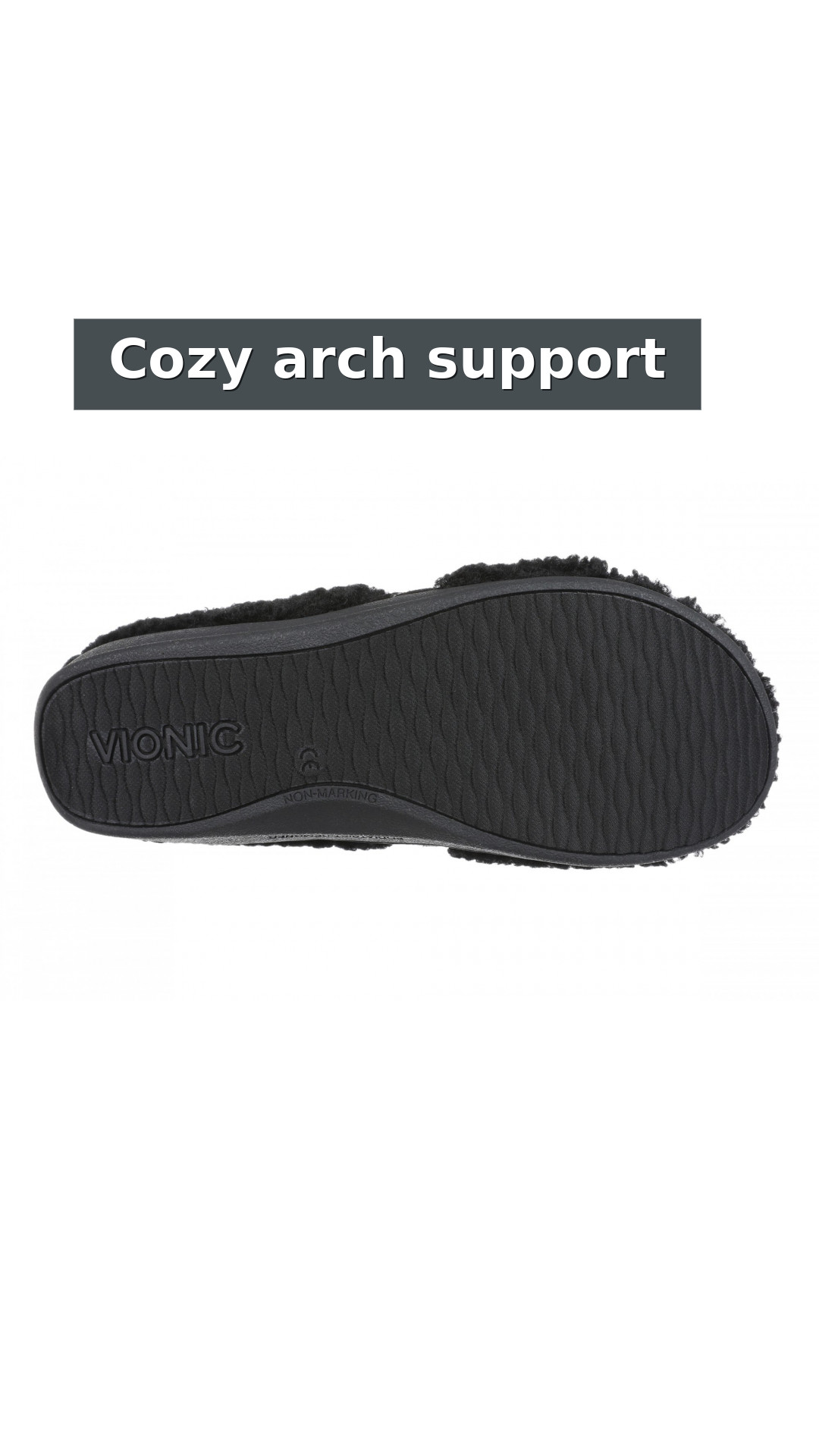
Offers a closed back and adjustable hook-and-loop closure alongside a contoured footbed and deep heel cup.

Vionic Carlin Women's Supportive Slippers
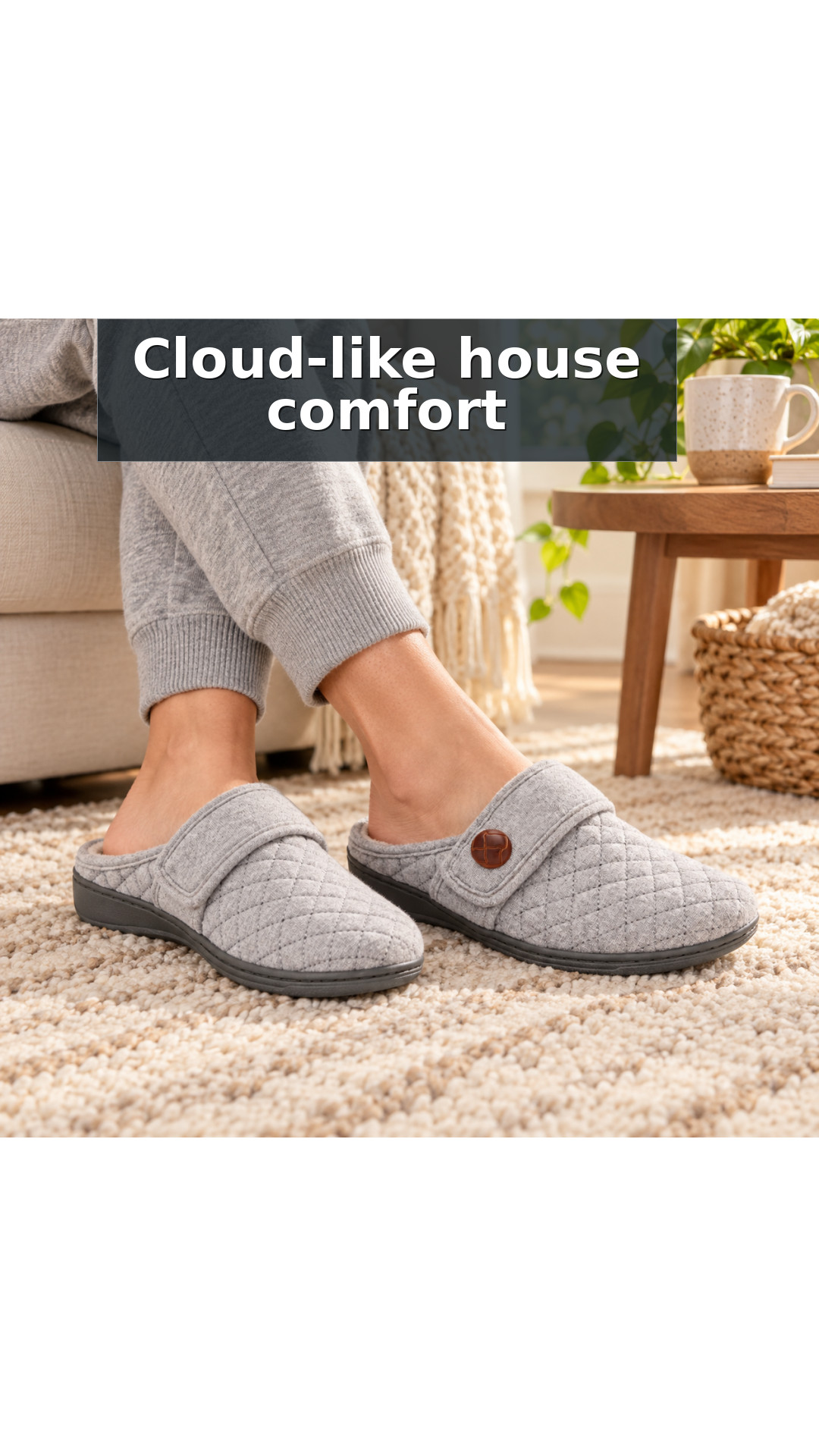
A button-adjustable slide with a quilted upper, warm faux-fur lining and textile-covered EVA footbed.

Vionic Snuggle Women's Removable-Footbed Slipper
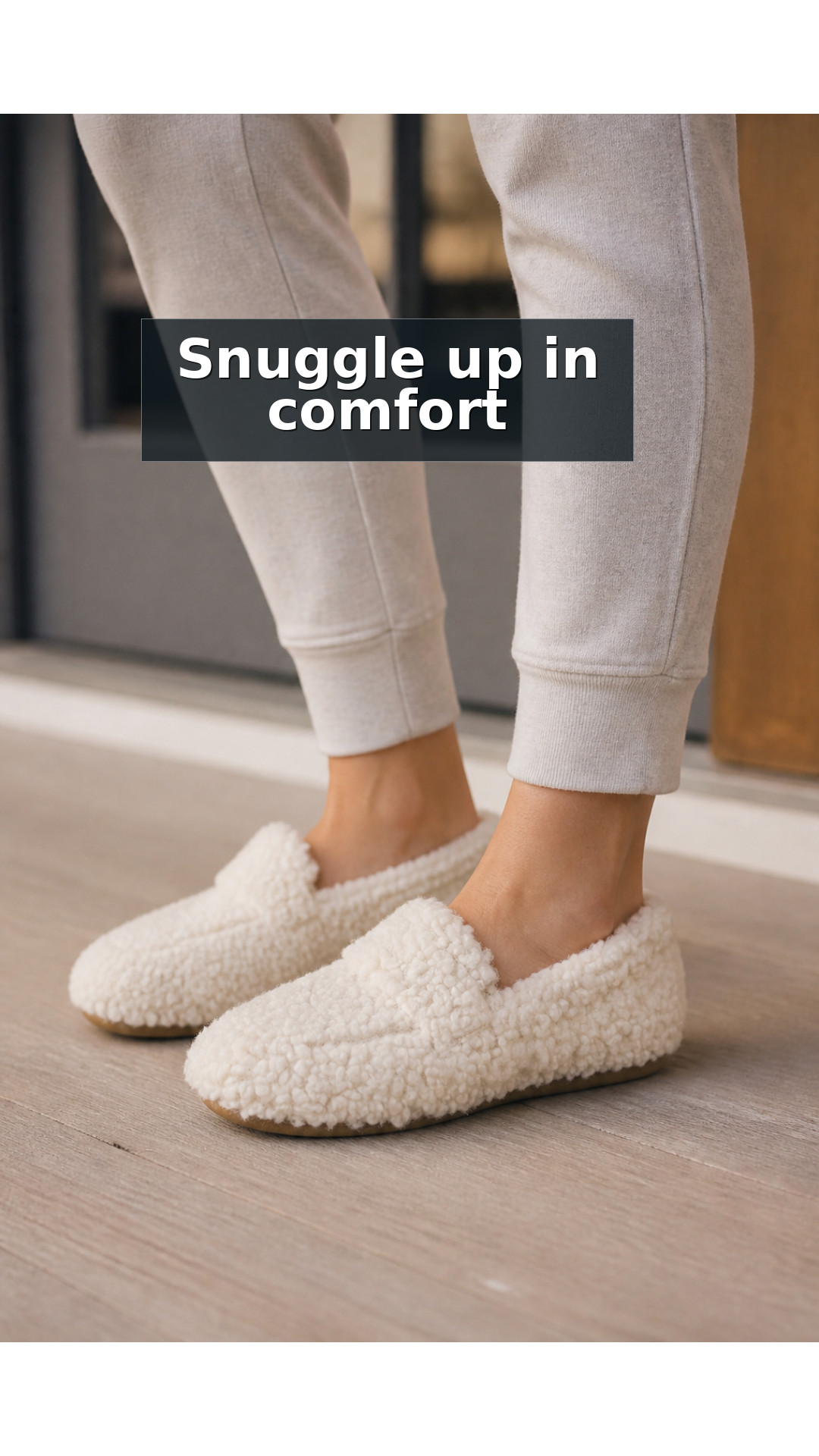
Pairs a faux-shearling upper with a removable microfiber-wrapped EVA footbed and an outsole described for indoor and outdoor use.
A practical choosing process
- Describe the job. Note your usual rooms, floor surfaces, time spent walking, preferred coverage and any difficulty with entry or fastening.
- Set up the fit check. Have your usual socks and any existing orthotic ready. Read the individual style's sizing and footbed information before choosing a size.
- Check both feet while standing. Look for comfortable toe room without pressure at the front, sides or top. Assess width and depth before adding length simply to create space.
- Settle the heel and fastening. Adjust the closure, if present, so the foot feels held without uncomfortable pressure. Check that an insert has not raised the heel out of position.
- Take a short indoor walking check. During a permitted try-on, notice heel lift, forward sliding and how the slipper follows your foot through ordinary turns. Do not judge the fit only while seated.
- Keep the whole setup in mind. Choose the combination of warmth, cushioning, contour and hold that feels appropriate for your routine. Review the Returns & Exchanges information before deciding how to assess a purchase.
Common mistakes to avoid
- Choosing plushness as proof of support. Compare lining and footbed construction as separate features.
- Buying extra length to solve every tight spot. Check width, depth and sock choice rather than overlooking a loose heel.
- Judging only easy entry. A slipper that goes on quickly still needs to stay fitted once you move.
- Assuming an insole comes out. Look for a statement about the individual model, not just a supportive or orthotic label.
- Skipping the complete wearing setup. Socks and an existing device belong in the fit decision from the start.
- Treating warmth as outdoor protection. Check intended use and weather details independently of the lining.
Frequently asked questions
What should I look for in supportive slippers?
Start with a comfortable arch contour, cushioning that feels steady, enough toe room and a fit that stays with your foot as you walk. Then compare warmth, entry and closure. If you use an orthotic, include it in the fit assessment rather than judging the slipper alone.
Is a soft or fluffy slipper necessarily supportive?
No. Soft lining describes a different part of the experience from arch contour, cushioning and heel hold. Check those details independently. A slipper can feel warm and pleasant against the foot without answering your needs for underfoot shape or secure walking fit.
Should I choose a closed-back slipper or an open-back style?
An open back leaves the rear of the heel uncovered and offers slide-in entry; a closed back adds rear coverage and an opening the heel must pass through. A low heel lip sits between those shapes. Consider which entry design works for you, then check heel seating, hold through turns and any fastening. Neither shape is automatically a better fit.
Can I use my existing orthotics in slippers?
That depends on the slipper and the device. Confirm the footbed details, follow your device instructions and check that the orthotic sits properly without crowding the toes or instep or lifting the heel. A removable footbed alone does not guarantee enough usable room.
Should I size up for thick socks?
Do not make extra length the automatic solution. Assess the slipper with the socks you intend to wear, then check width, depth, toe room and heel hold together. Read the individual model's fit guidance instead of applying one sizing rule to every brand.
Can warm slippers be worn outdoors?
Warmth alone does not establish outdoor suitability. Look for an explicit intended-use statement for the individual style, then check any stated weather features separately. An indoor-outdoor label is not the same as waterproofing or a guarantee of traction on winter surfaces.
Does a rubber sole mean a slipper is slip-resistant?
No. Do not treat an outsole material name as a slip-resistance claim. Check what the individual listing actually states and consider your floor surfaces. A general description of grip or durability should not be read as a promise for every surface or condition.
When should I reassess my current slippers?
Recheck them when wear changes the fit or underfoot feel, or when your usual socks or orthotic setup changes. If the slipper has become loose or no longer feels securely fitted, compare its current performance with your indoor routine rather than relying on how it felt when new.
Related guides
- How to Choose Supportive Slippers with Arch Support — A shorter introduction to the main slipper fit checks.
- Shoes That Accommodate Custom Orthotics — More detail on fitting the foot and prescribed device together.
- Shoes With Removable Footbeds — Understand why removability and usable interior room are separate questions.
- Hands-Free and Slip-On Shoes: Fit and Support Guide — Compare entry convenience with secure walking fit.
- Winter Boots for Orthotics: Fit and Cold-Weather Guide — Continue the comparison for outdoor cold-weather footwear.
- Walking Shoes for Seniors — Explore everyday walking fit, manageable fastening and heel hold.
- How to Measure Your Foot Width at Home — Review width measurements before comparing fit options.
Editorial and medical-information note
This Orthotic Shop guide provides general information and is not medical diagnosis or treatment advice. Product examples are for comparison, not individualized recommendations. Seek appropriate professional care for persistent pain, numbness, open wounds, sudden symptoms, diabetes-related foot concerns or uncertainty about suitable footwear or an existing orthotic. A slipper's feature list cannot establish that it is appropriate for every foot or medical need.
Style and product inspiration
Swipe through comfort footwear highlights and shop each featured style.