
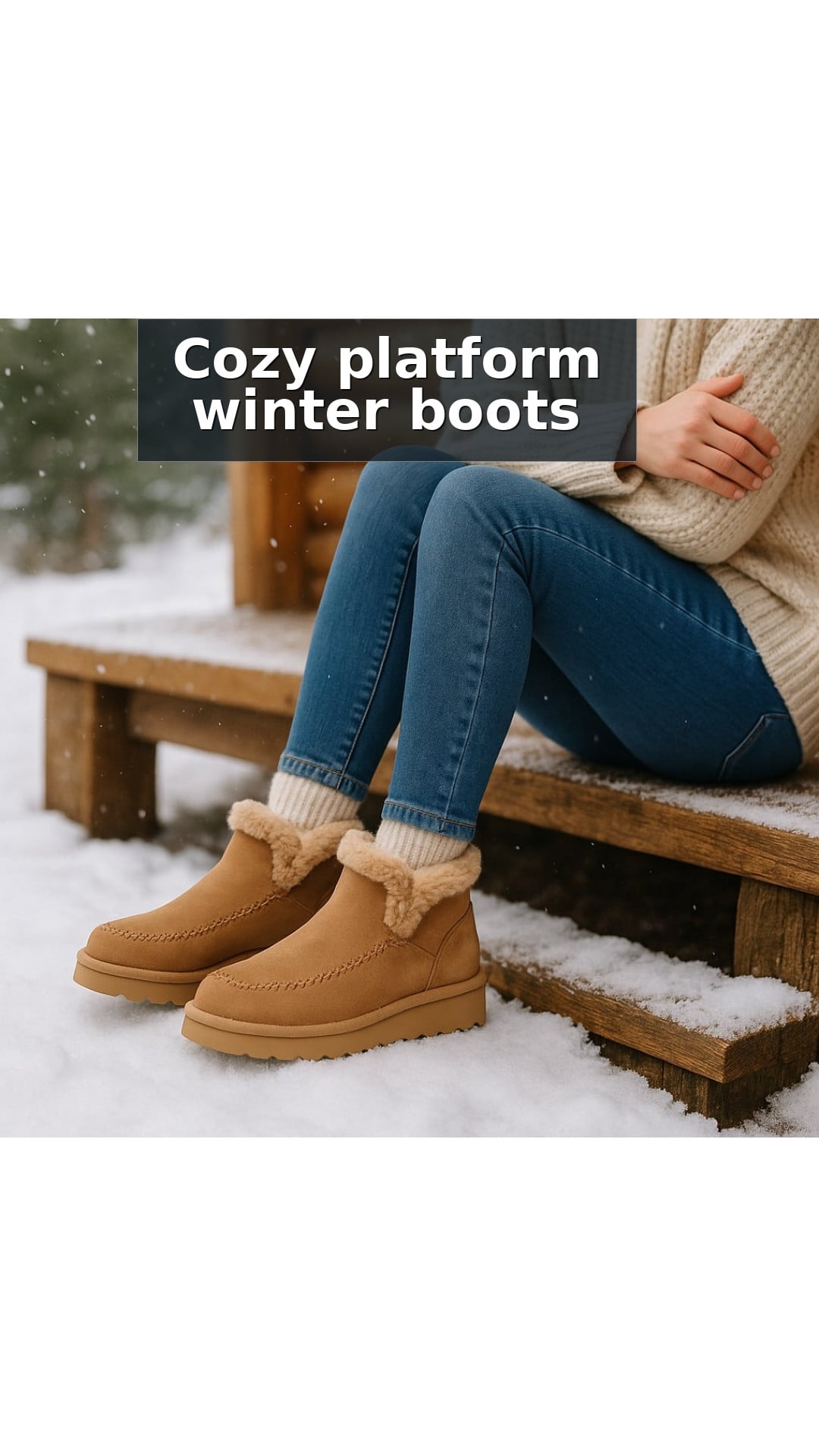
 Cozy platform winter boots
Winter Boots for Orthotics: Fit and Cold-Weather Guide
When comparing winter shoes for orthotics, adults wearing boots in cold weather should assess the whole setup: their feet, existing orthotics and intended socks. Start with an opening that lets the foot enter without dislodging the orthotic, a fastening or design that holds the heel in place, and enough usable depth and toe room once everything is inside. Then match the boot’s stated weather features to the intended outing. Waterproof construction, a rain-and-stain-resistant treatment and a warm lining are not interchangeable. A removable footbed or included orthotic insole does not establish that a particular device will fit.
Quick recommendation summary
- Fit the complete setup. Check the boot with the existing orthotic and intended winter socks, not just its factory insole and thin try-on socks.
- Separate entry from walking fit. A roomy opening helps with entry; the closed boot still needs to hold the heel without squeezing the instep.
- Verify the individual footbed. For a planned footbed swap, look for an explicit removable-footbed statement on that boot’s listing.
- Read weather terms literally. Choose for expected rain, slush, cold or dry-weather use rather than assuming every winter-looking boot has the same protection.
Understanding the winter orthotic fit challenge
An orthotic changes the space available above and around the foot. A winter sock can change the fit again. Meanwhile, a boot’s shaft and opening affect whether the foot can enter without dislodging the device. These are separate questions: a boot can have sufficient room underfoot but an awkward opening, or easy entry but a heel that moves while walking.
For a prescribed device, follow the instructions provided for its placement. Where the original footbed is meant to come out, check that the orthotic sits flat and does not rock, curl or shift. Removing a footbed does not automatically create the right depth or shape. If the listing identifies a supportive insole without saying it is removable, do not count on a footbed swap.
Features to consider
Opening, closure and heel position
Look at how far the boot opens and what happens once it is fastened. A zip can simplify entry; a hands-free design addresses a different entry task. Neither description alone tells whether an existing orthotic will pass through the opening or whether the heel will stay seated. With the boot closed, walk a few steps and notice heel lift, pressure across the top of the foot and whether the insert moves.
Usable depth, toe room and socks
Check length, width and vertical space separately. With the orthotic and intended socks in place, toes should not press into the front or top of the boot, and the upper should not bear down on the instep. More length is not a reliable substitute for missing width or depth: it can leave excess space at the heel while the crowded area remains crowded. Check listed width choices for the exact style and the availability of the desired size and color combination.
Weather language and intended use
Stated waterproof construction is different from a rain-and-stain-resistant treatment. Neither term by itself describes every possible wet-weather exposure. A wool-blend or sheepskin lining describes a material, not an insulation or temperature rating. For wet commutes or outdoor walks, check the individual listing’s construction and outsole details. Do not treat a tread description as a promise of grip on ice.
Browse boot collections
Collections help narrow the style and use case, but confirm footbed and weather details on each individual boot.
- Propet boots collection brings together lace-up, side-zip, hiking-inspired and weather-conscious styles.
- OrthoFeet boots collection includes hands-free, waterproof and work-oriented options to compare.
- Women’s orthopedic boots collection offers winter, everyday and other boot silhouettes.
- Men’s work, dress and hiking boots collection is another starting point for comparing work, outdoor and everyday styles.
Featured products to consider
Compare the product-specific details below and check the linked listings before choosing. Fit and comfort vary by person.

Propet Ridge Walker — Men’s Orthopedic Waterproof Boot
Explicit removable insoles and waterproof bootie construction provide a footbed-swap and weather comparison.

Orthofeet Dalton Hands-Free Waterproof Supportive Men’s Boots
Included orthotic insole, hands-free entry and sealed waterproof construction; the listing does not state that the insole is removable.

Bearpaw Maeve Platform Lo Women’s Winter Boots — 3120w
Platform Lo silhouette with a removable wool-blend footbed, wool-blend lining and stated rain-and-stain treatment for comparison with Shorty.

Bearpaw Shorty Women’s Winter Boots — 2860w
Pull-on alternative with a removable sheepskin footbed, sheepskin-and-wool-blend lining and rain-and-stain treatment.
How to choose and check the fit
- Define the outing. Decide whether the boot is for dry cold days, routine wet conditions or another specific use. Compare only the weather features actually stated for each candidate.
- Identify the orthotic setup. Note whether the supplied insole will remain or be replaced with an existing device. If replacement is necessary, verify removability for the individual style.
- Use the intended socks. Put the orthotic in its intended position before judging the space inside the boot.
- Try entry, then fastening. Check whether the foot enters without disturbing the orthotic. Close the boot as it would normally be worn and assess instep pressure and heel position.
- Walk and recheck. Notice heel lift, toe contact, downward pressure from the upper or orthotic movement. Compare both feet rather than relying on a width label alone.
Common mistakes to avoid
- Assuming a removable footbed means any orthotic will fit the remaining interior space.
- Testing with thin socks instead of the intended winter socks.
- Buying extra length to solve pressure caused by inadequate width or depth.
- Equating hands-free or pull-on entry with secure heel hold after the boot is on.
- Reading a rain-and-stain treatment or lining as a waterproof or rated-insulation claim.
- Assuming a lugged outsole guarantees traction on ice.
Frequently asked questions
Do winter boots need removable footbeds to work with my orthotics?
If replacing the supplied footbed is part of the intended setup, explicitly stated removability is a useful first check. It does not confirm enough remaining depth or the right interior shape. Check that the orthotic sits properly and leaves room for the foot and winter socks, following any instructions provided for the device.
Can I use my own orthotic in the Orthofeet Dalton?
The Dalton listing identifies an included orthotic insole but does not say whether it is removable. That leaves an important question for anyone planning to replace it with a separate device. Confirm whether a footbed swap is possible before buying, then check the boot with the intended orthotic and socks; an included insole does not establish compatibility.
Should I size up for thick winter socks?
First assess the boot with the socks and orthotic intended for wear. Check length, width and space above the foot separately. If the top or sides feel crowded, extra length may leave the heel loose without resolving that pressure. Compare the fit in both feet and check the exact size and width combination offered.
What should I check when a boot has a zipper or hands-free entry?
Check whether the opening lets the foot enter without shifting the orthotic. A zipper and a hands-free design address different entry tasks; neither guarantees room for a device. Once the boot is on, check pressure over the instep and walk a few steps to see whether the heel remains seated.
Is rain-and-stain resistance the same as waterproof construction?
No. They describe different features. The Ridge Walker lists waterproof bootie construction, and Dalton lists sealed waterproof construction; the Bearpaw examples here list BearCoat rain-and-stain treatment. Compare the individual listing with the expected wet-weather use rather than treating a resistant finish as equivalent to waterproof construction or assuming either description covers every exposure.
Does a warm lining tell me how cold a boot can handle?
No. A wool-blend or sheepskin lining describes material, not a temperature or insulation rating. The Bearpaw examples list their lining materials, but those details alone do not establish performance at a particular temperature. Assess the listed construction, the intended socks and the conditions of the outing without inferring a cold-weather rating from appearance.
Will these boots fit an AFO or every custom orthotic?
No. A width option, removable footbed or boot label cannot guarantee fit with every device. An AFO may change the space, opening and closure requirements considerably. Assess the boot with the actual device and intended socks, follow any device-specific instructions, and seek professional guidance if fit remains uncertain.
Related guides
- Shoes That Accommodate Custom Orthotics covers device placement and interior fit beyond winter footwear.
- Shoes With Removable Footbeds explains why removal alone does not settle the fit.
- Hands-Free and Slip-On Shoes: Fit and Support Guide separates entry convenience from walking fit.
- Winter Boots for Plantar Fasciitis: How to Choose offers a shorter cold-weather checklist for that specific concern.
- Fall Boots for Orthotics: What to Check focuses on transitional-season boot checks.
Editorial and medical-information note
This guide is general footwear-shopping information, not medical diagnosis or treatment advice. Product descriptions do not establish suitability for an individual foot or device. For persistent pain, numbness, open wounds, sudden symptoms, diabetes-related foot concerns or uncertainty about an orthotic or brace fit, consult an appropriate healthcare professional.
Style and product inspiration
Swipe through comfort footwear highlights and shop each featured style.
Cozy platform winter boots
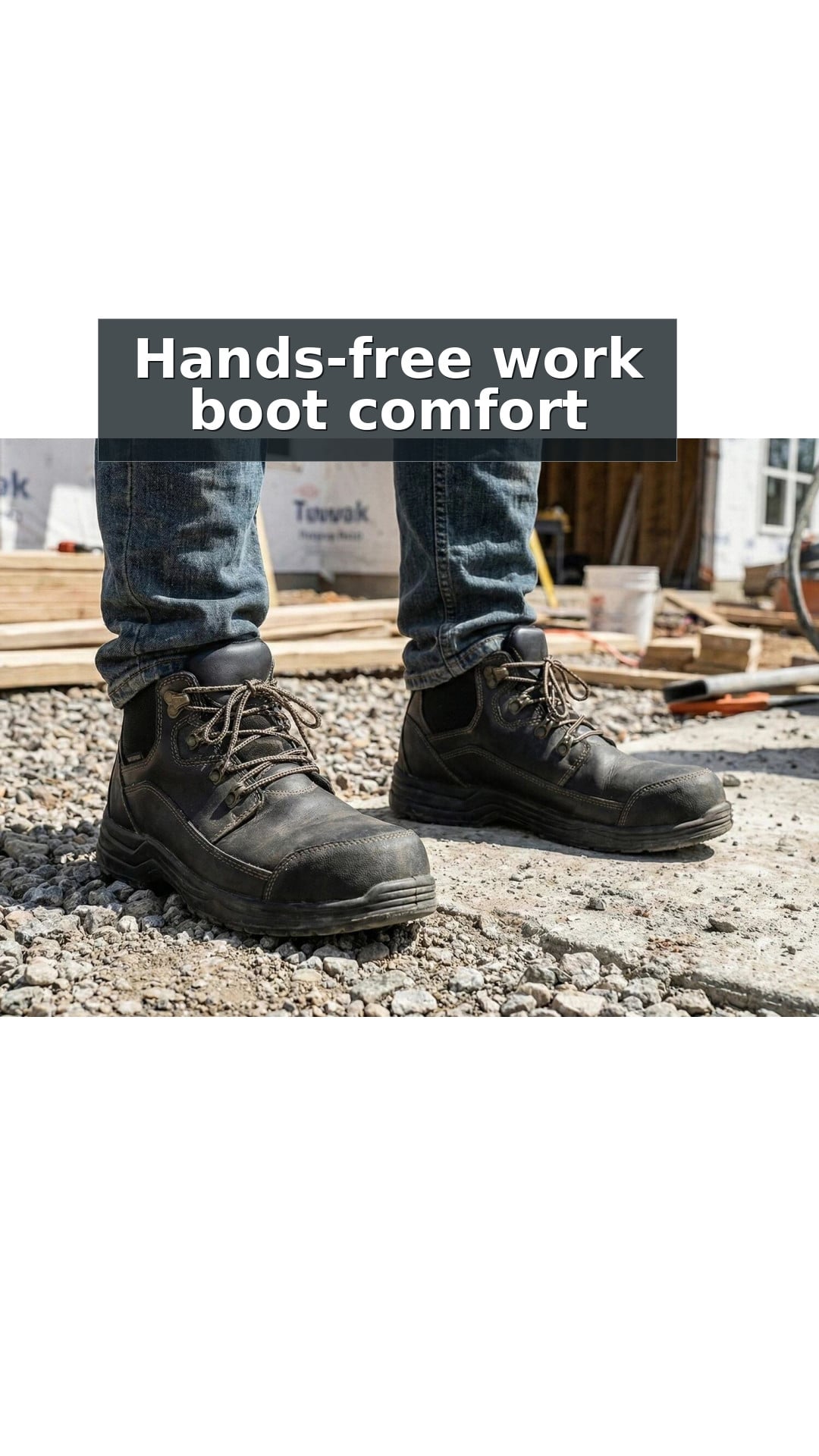 Hands-free work boot comfort

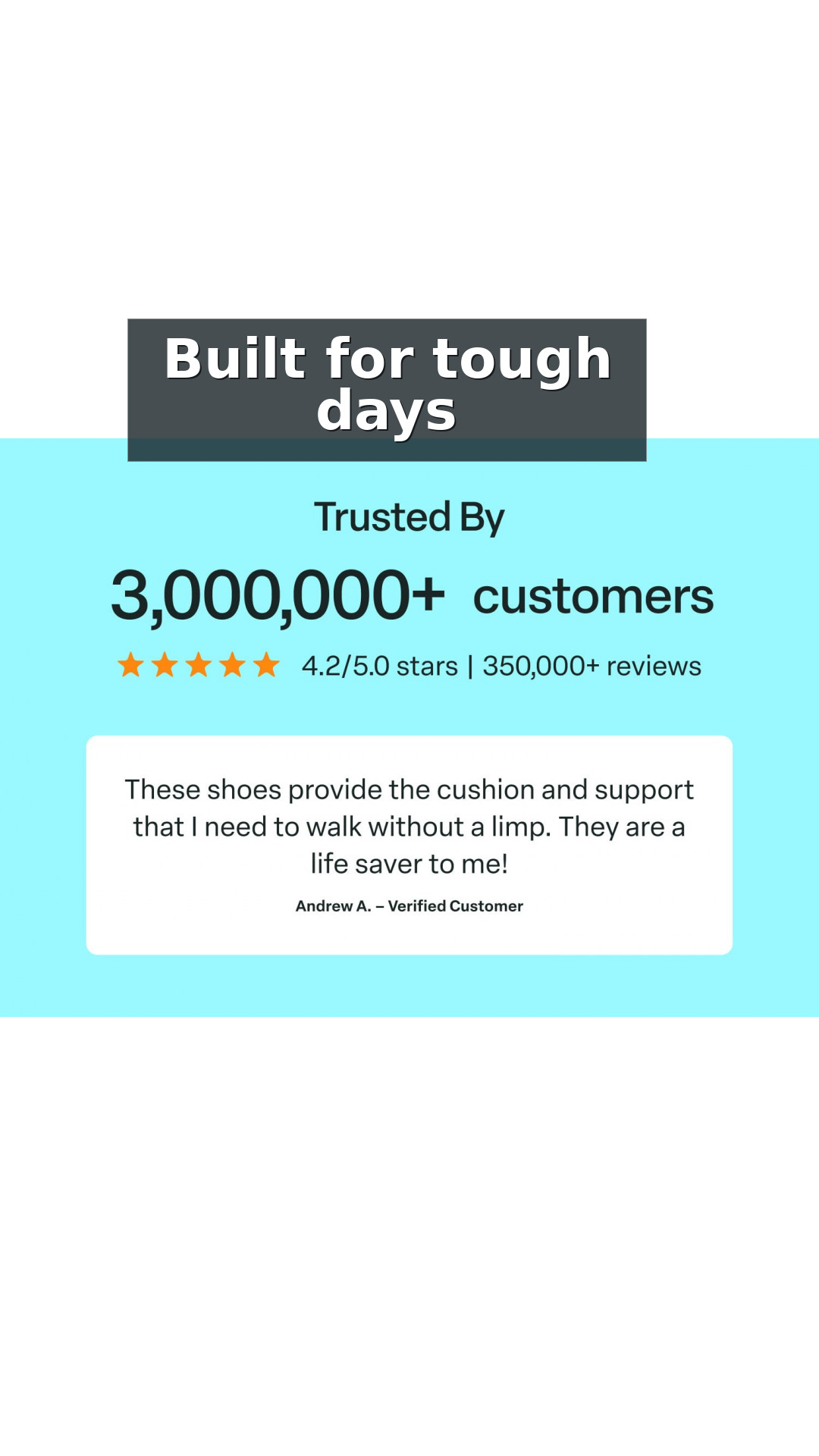 Built for tough days

Orthofeet Granite Work Boots
$164.95–$174.99
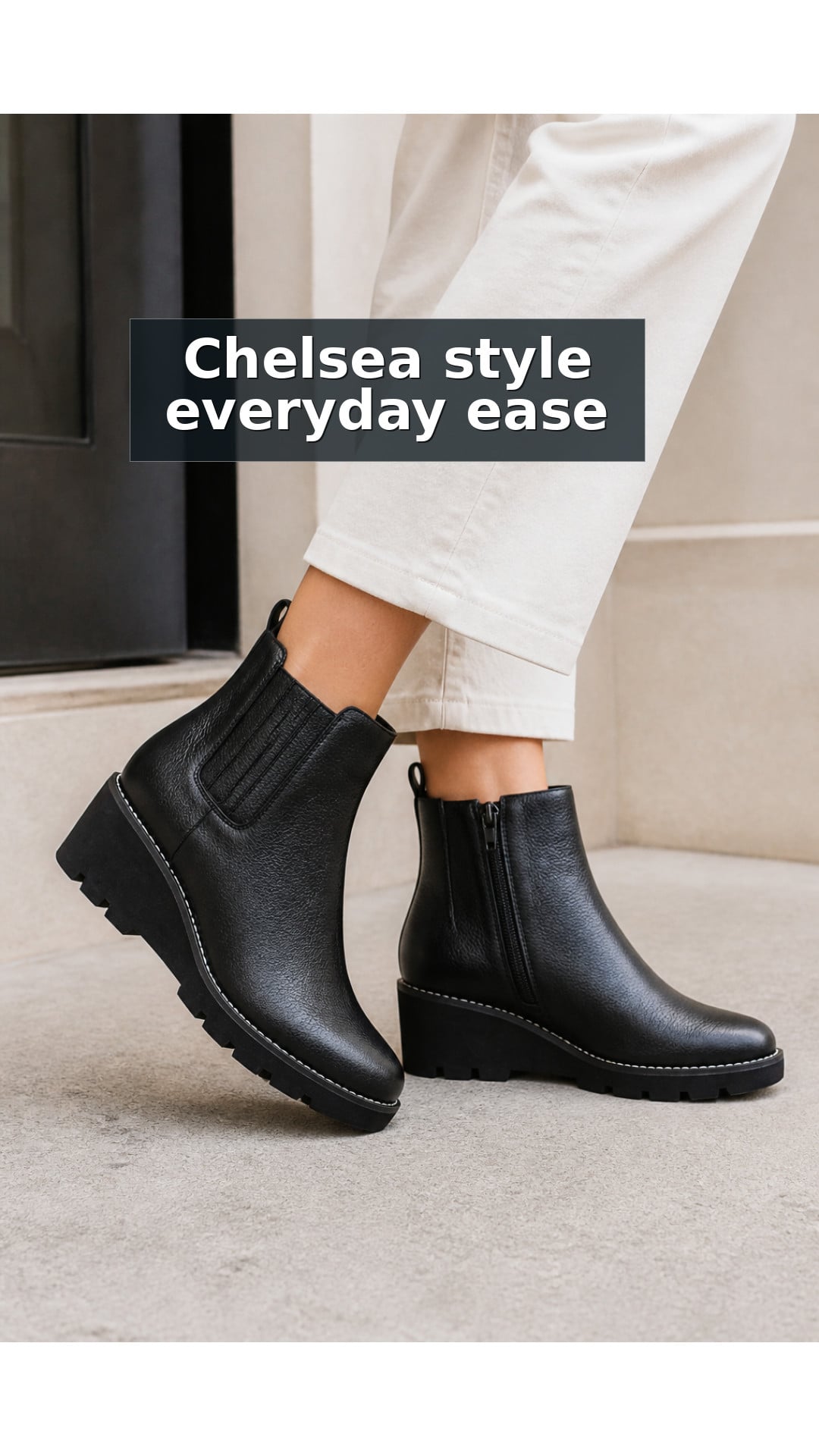 Chelsea style everyday ease

Vionic Aria 2.0 Women's Chelsea Boots
$116.45–$179.95
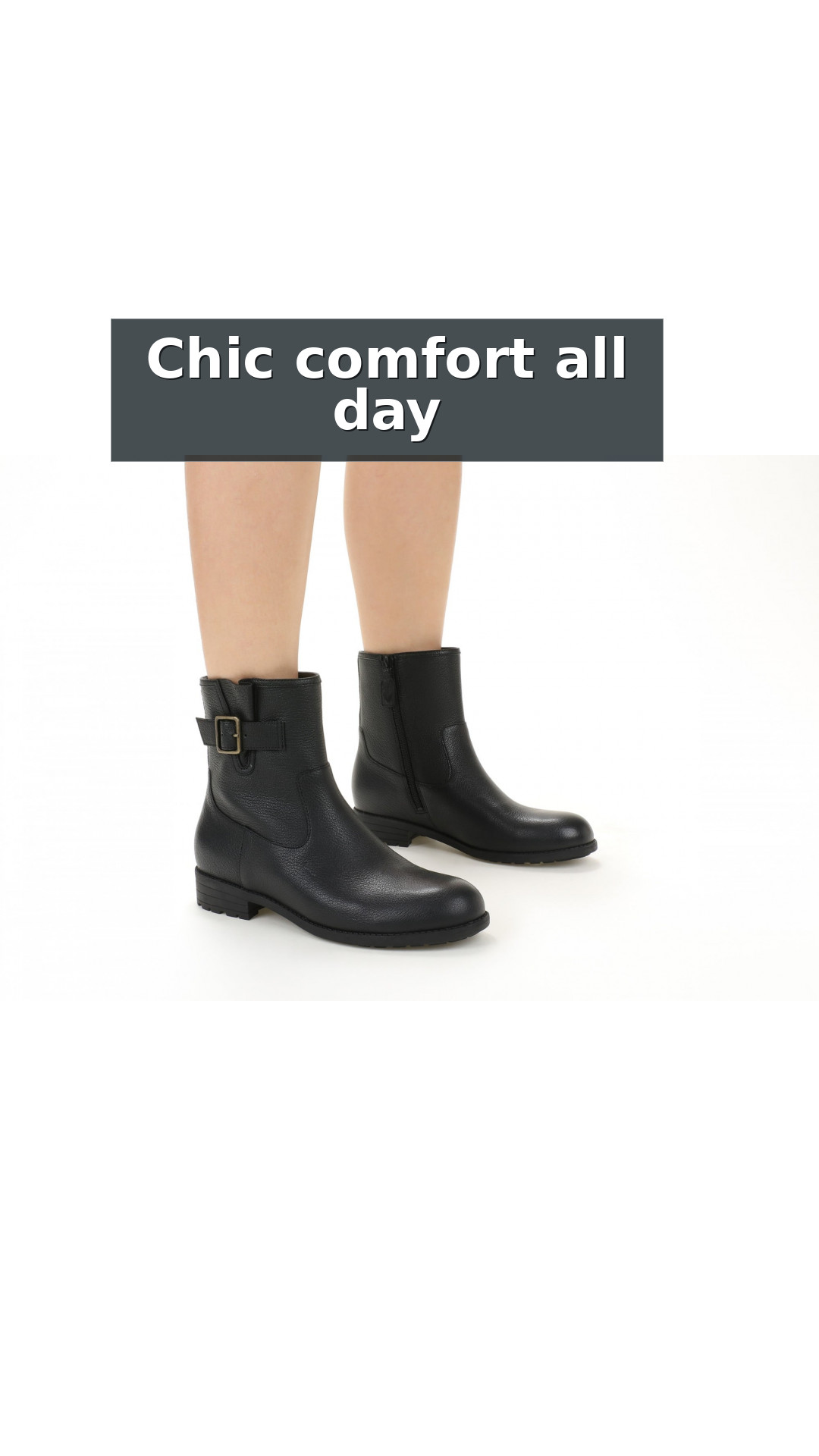 Chic comfort all day

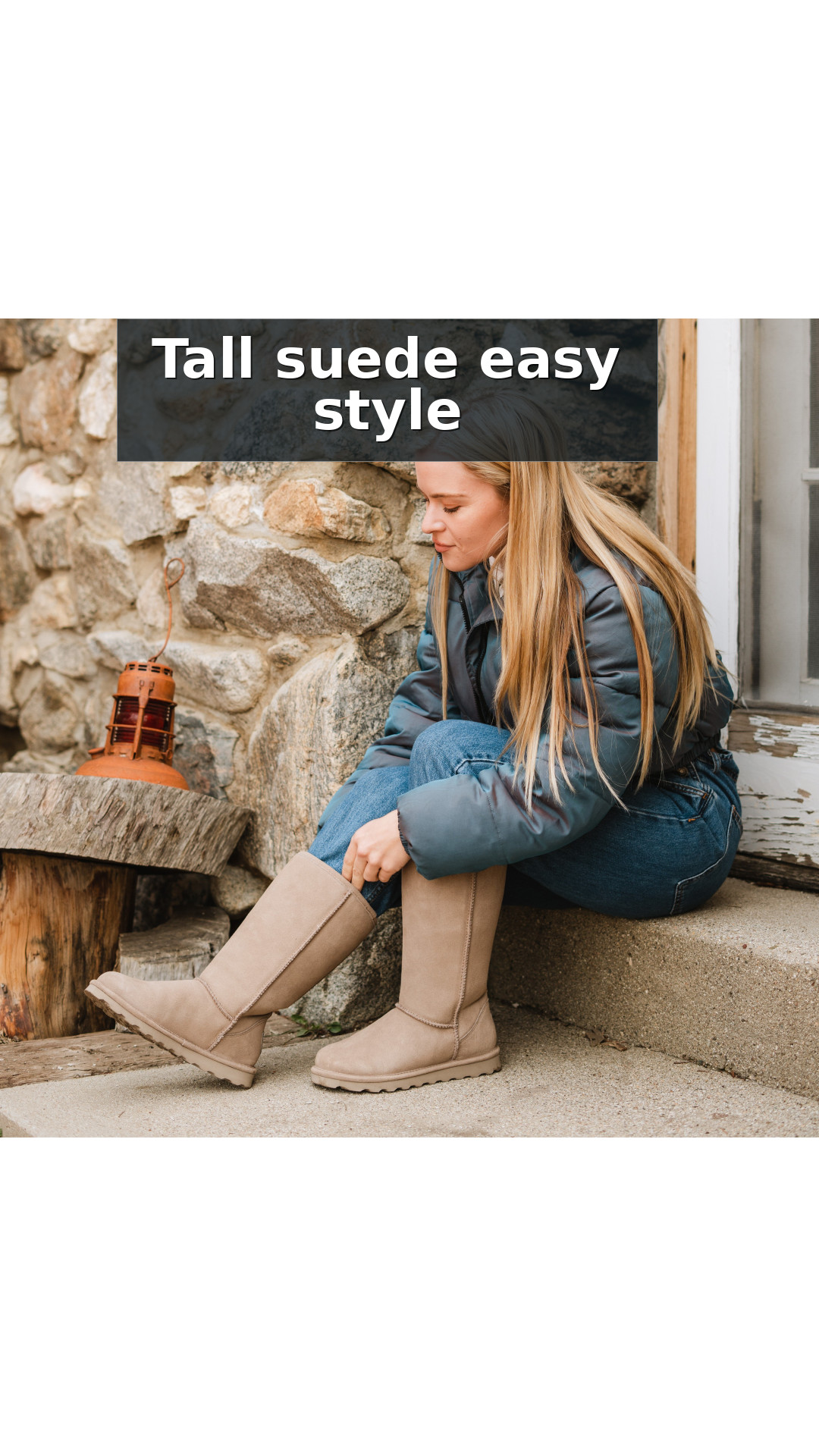 Tall suede easy style

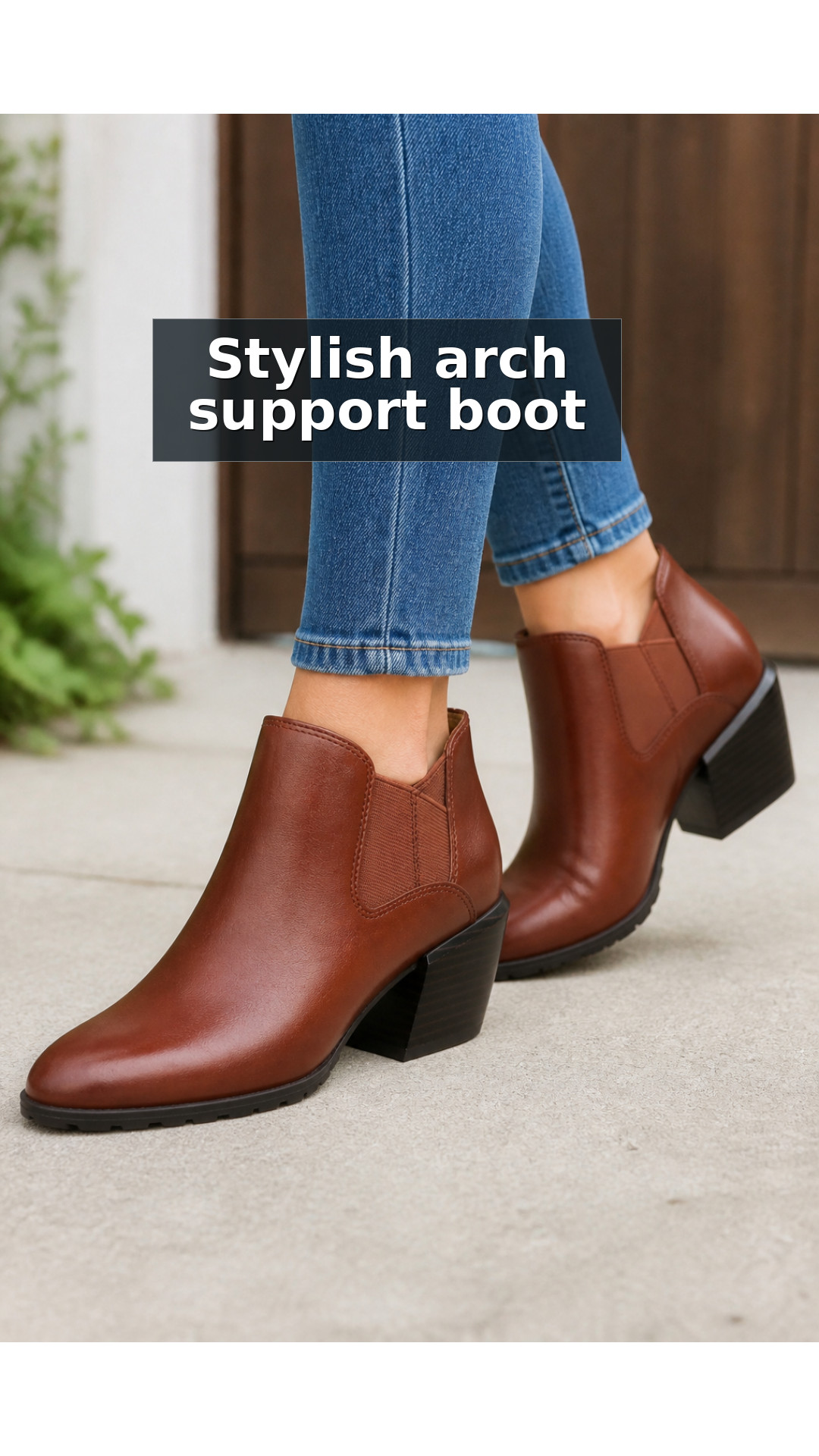 Stylish arch support boot

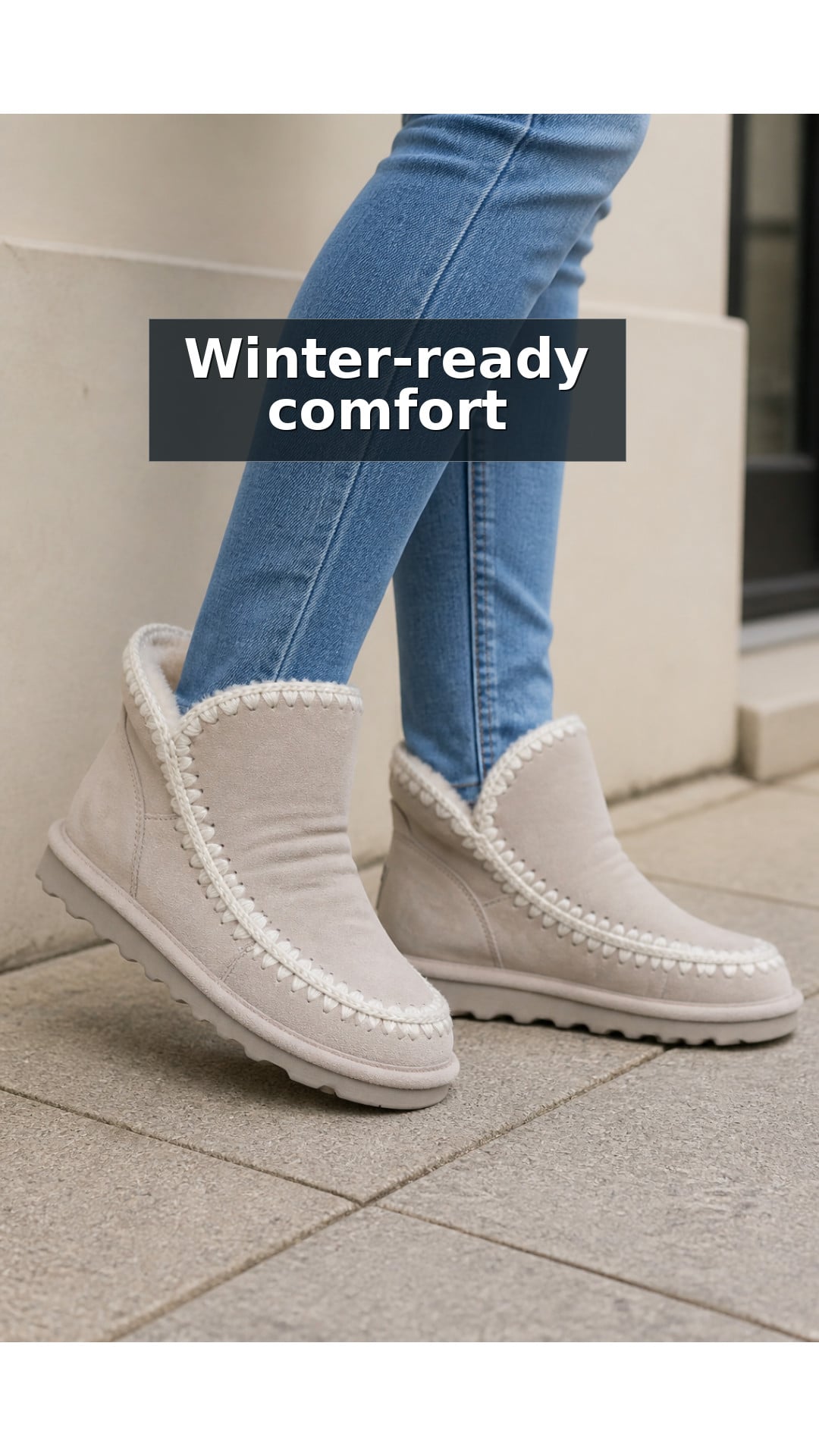 Winter-ready comfort
