
Fall Boots for Orthotics: What to Check | News

Fall boots for orthotics need to do more than look roomy on a shelf. Your insert has to sit securely inside the boot while leaving space for your foot, your usual fall socks, and comfortable movement. A boot shaft can also make it harder to get your foot in, even when the footbed area seems spacious.
Quick answer: Start with boots whose product details confirm a removable footbed. Try them indoors with your existing orthotics and the socks you expect to wear. Check heel hold, toe room, instep pressure, ease of entry, and the outsole tread before deciding whether to keep them.
Start with the boot’s inside space
A removable original footbed is a useful starting point, but it does not guarantee a fit. After removing it, check whether your orthotic lies flat without curling at the heel or bunching at the toe. If the orthotic shifts, rocks, or pushes your foot noticeably upward, the boot may not have the right shape or depth for that insert.
Think about where your orthotic adds volume. A full-length insert may affect toe space; a raised arch or heel cup may affect instep clearance and heel hold. For a closer look at these measurements, see Orthotic Shop’s guides to shoes with removable footbeds and how much room orthotics need in shoes.
Do not assume that two boots in the same size offer the same usable space. Read the individual style’s footbed details and return policy before ordering, particularly if you need room for a thicker insert.
Your indoor fall-boot try-on checklist
Keep the try-on clean and indoors while you assess fit. Use the orthotics and socks you plan to wear outside rather than judging the boots with their original footbeds or thin store-try-on socks.
- Check the original footbed. If the style has a removable footbed, take it out and place your orthotic inside. Make sure the orthotic sits flat and does not crowd the boot’s edges. Avoid stacking a full-length orthotic on top of the original footbed unless your orthotic provider or the relevant product instructions direct you to do so.
- Put the boot on without forcing it. Open the laces, zipper, or other closure fully. Notice whether the shaft and opening let your foot slide in without folding the orthotic or scraping your instep.
- Feel across the top of your foot. Close the boot as you would for a walk. The upper should not press sharply across your instep or require the closure to be pulled to its limit. If this is a common fit issue for you, the shoes for a high instep guide offers more fitting pointers.
- Check toes and heel. Stand up and confirm that your toes are not pressed against the front or top of the boot. Walk across a clean indoor floor to see whether your heel stays reasonably secure without pinching.
- Try your seasonal sock. Repeat the fit check with the sock thickness you expect to wear most often. A thick sock can change instep and toe room enough to turn a comfortable try-on into a crowded one.
- Move like you would outdoors. Take a few steps, turn, and carefully step up and down on an indoor stair if available. Watch for orthotic movement, heel slipping, rubbing near the ankle, or pressure from the shaft when your leg bends.
A little adjustment time can be normal with unfamiliar footwear, but do not count on a tight boot stretching enough to create space for an orthotic. If you feel persistent pressure during a short indoor try-on, consider a different fit or style.
What changes when fall gets cooler and wetter?
Fall shopping adds two practical questions to the usual orthotic fit check: Will your socks change, and where will you walk? If you alternate between thin everyday socks and thicker cold-weather pairs, test both. Choose the combination you will actually use most often rather than buying extra length solely to accommodate the thickest pair you own.
For wet sidewalks and leaf-covered paths, look at the outsole before you buy. Defined tread grooves and lugs may offer more edges to contact the ground than a nearly smooth sole, but no tread pattern makes slippery surfaces risk-free. Check the product description for outsole information, and take care around wet leaves, mud, and slick pavement. Test fit and indoor floor feel during your try-on; save outdoor wear until you have decided to keep the boots.
Also consider how the boot closes around the ankle and lower leg. Laces or adjustable closures may help you fine-tune the feel around your instep and sock, while a shaft that rubs your ankle can remain distracting even if the footbed fits well. If rain exposure matters, verify the individual style’s material and weather-related details rather than assuming every fall boot is waterproof.
How to narrow your shopping options
Use product information to make a shortlist, then let the try-on decide. These questions help you compare orthotic-friendly fall boots without assuming that every style in a collection has the same construction:
- Is the original footbed removable? Confirm this on the individual product page; collection placement alone does not establish it.
- Is there enough usable depth? Your foot should not feel lifted into the upper after your orthotic is installed.
- Can you get in and out easily? Pay attention to the opening, shaft, and instep—not just the stated shoe width.
- Does the outsole suit your plans? Compare tread information with the sidewalks and paths you expect to use.
- Do your intended socks still work? Check fit with the actual sock-and-orthotic combination before wearing the boots outdoors.
To start comparing styles, browse Orthotic Shop’s Vionic boots and Propet boots collections. You can also explore OrthoFeet boots. In each collection, verify footbed removability, closure, outsole, and other fit details on the individual style you are considering; features can vary.
Frequently asked questions
Do I need to remove a boot’s original footbed for my orthotic?
For many full-length orthotics, removing the original footbed creates the intended space and helps avoid stacking two inserts. First confirm that the boot’s footbed is removable, then follow any instructions from your orthotic provider and the boot or insert maker. Check that your orthotic lies flat and stays in place.
Should I size up to fit thick socks and orthotics?
Not automatically. A longer boot can leave too much space at the heel while still feeling tight over the instep. Try your usual size with the orthotic and intended socks first, then assess length, width, depth, and heel hold together. If you cannot get a balanced fit, a different style may work better than simply adding length.
What traction features matter on wet leaves?
Look for an outsole with a defined tread pattern and check any material details provided for the style. Tread is only one factor: wet leaves can be slippery under any footwear, so slow down and choose your footing carefully.
Takeaway: buy for the full fall setup
The most useful try-on is the one that matches real wear: boots with your existing orthotics, your planned socks, and closures adjusted as you would wear them outside. Shortlist boots with removable footbeds, then check depth, shaft entry, instep clearance, heel hold, and traction details style by style. Browse the boot collections when you are ready, and keep your first try-on indoors until you know the fit works for you.
Products to compare
These are shopping examples, not a ranking or medical recommendation. Features and fit vary by model. Listed options and prices can vary by size and stock; check each product's current details.


Style and product inspiration
Swipe through this Shop Grid.
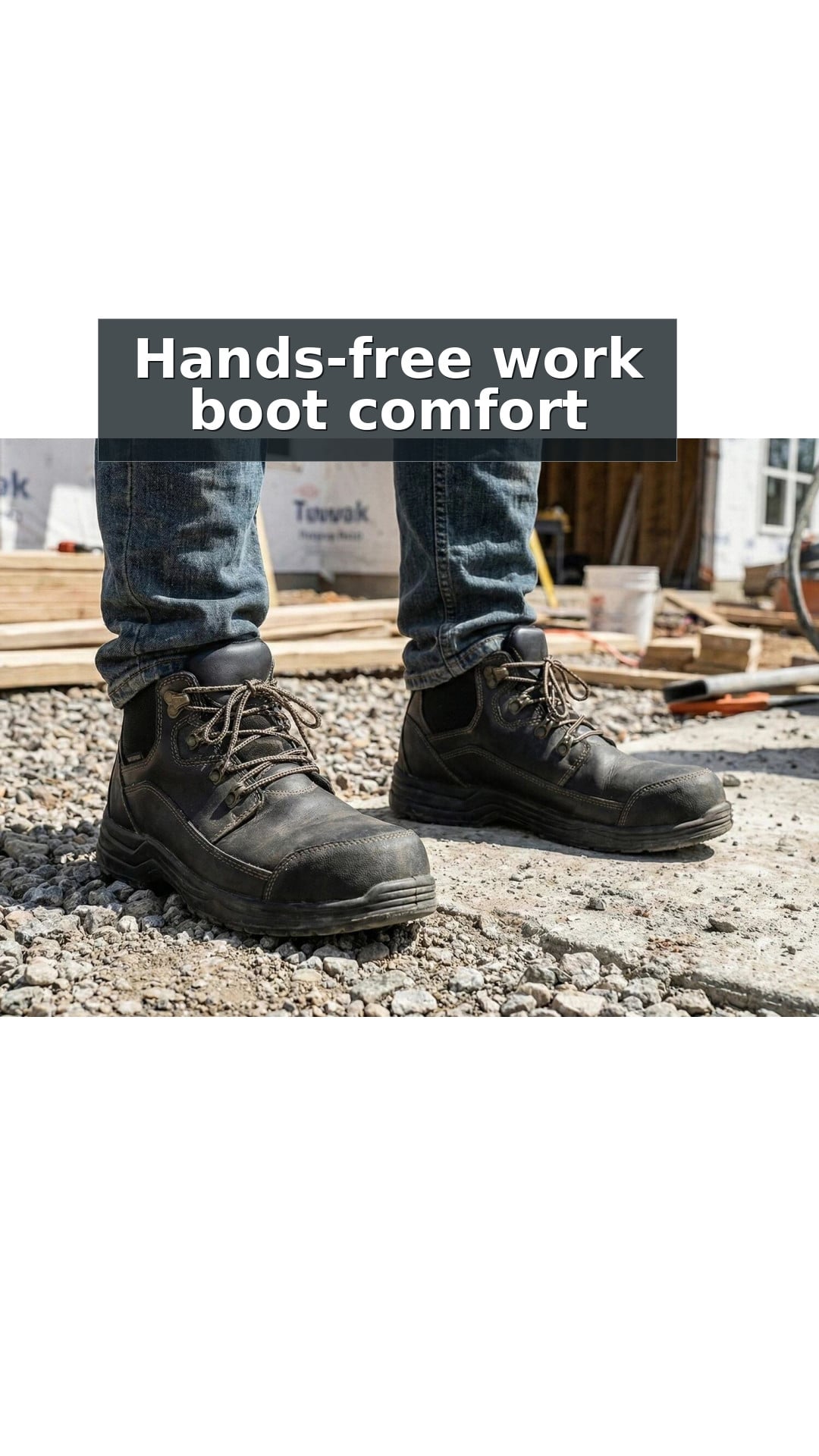
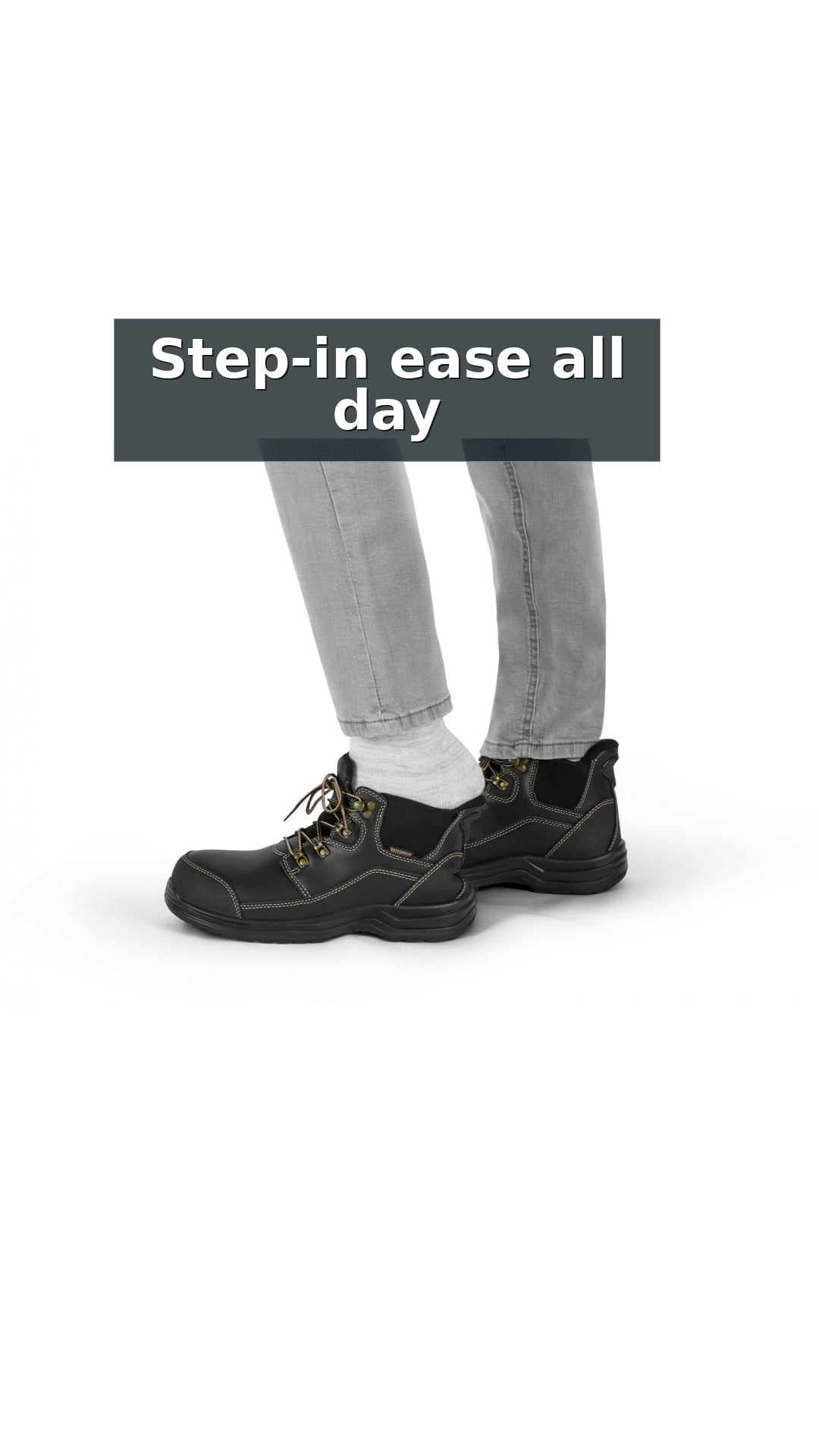
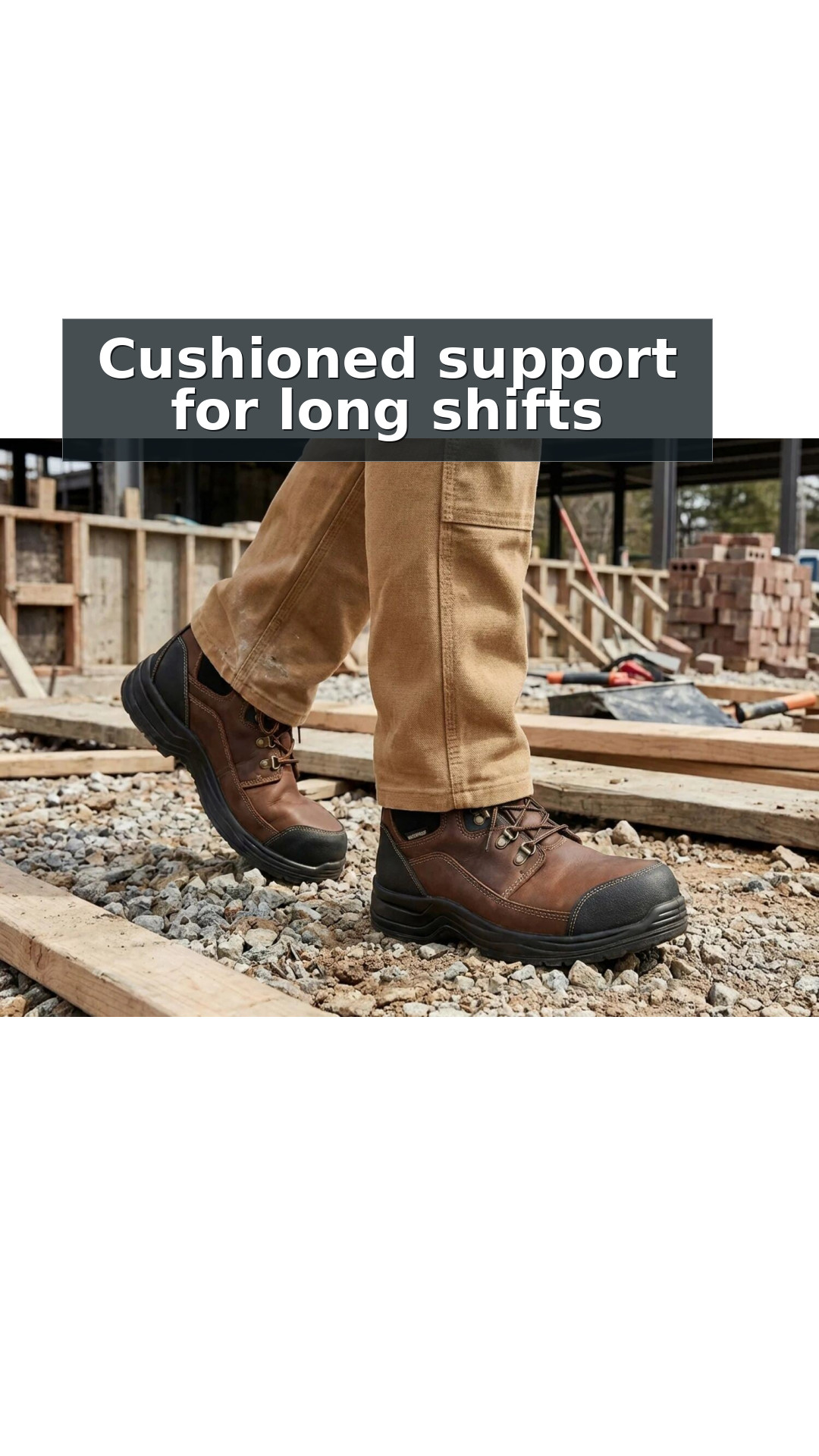
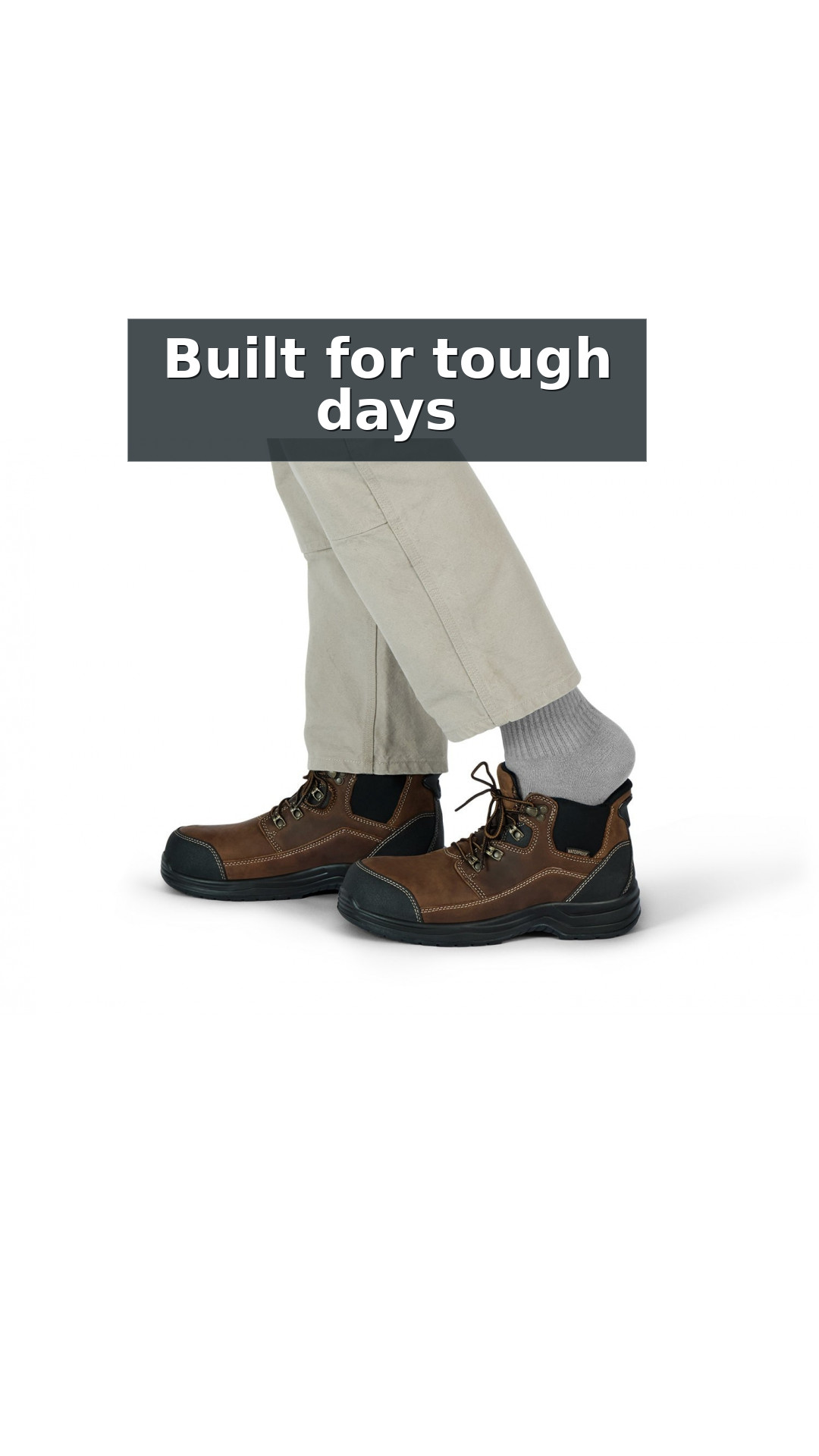
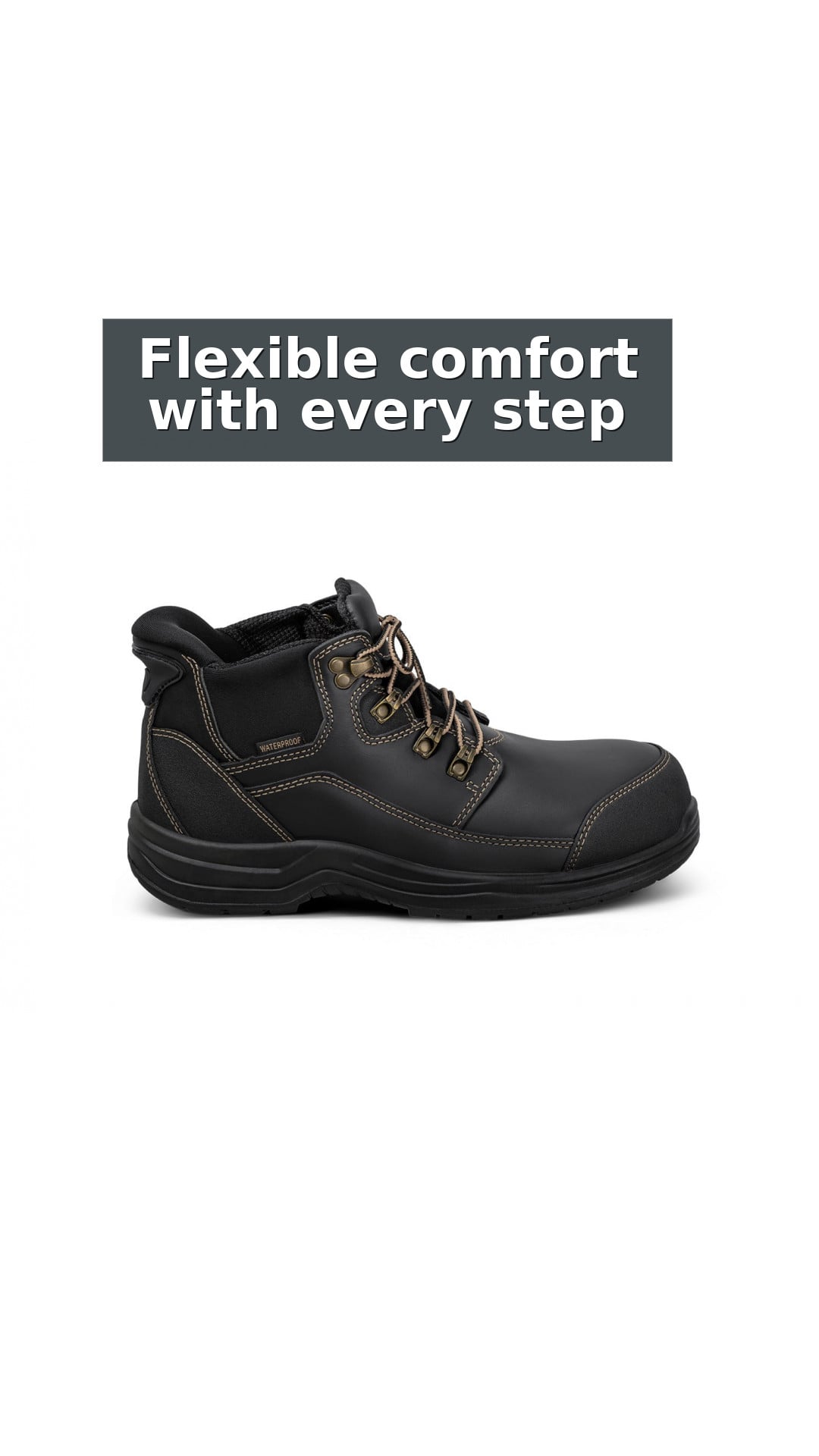
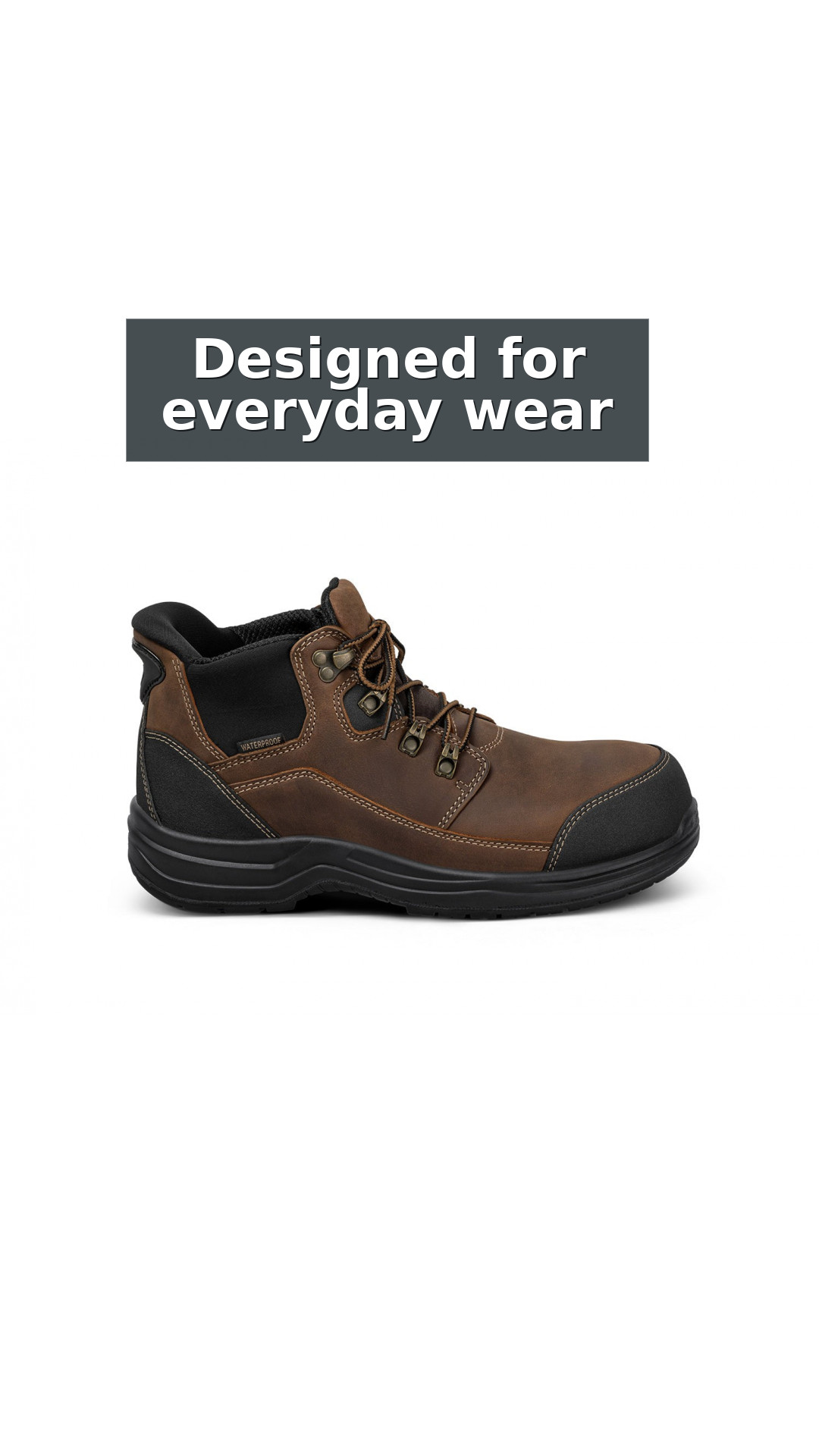
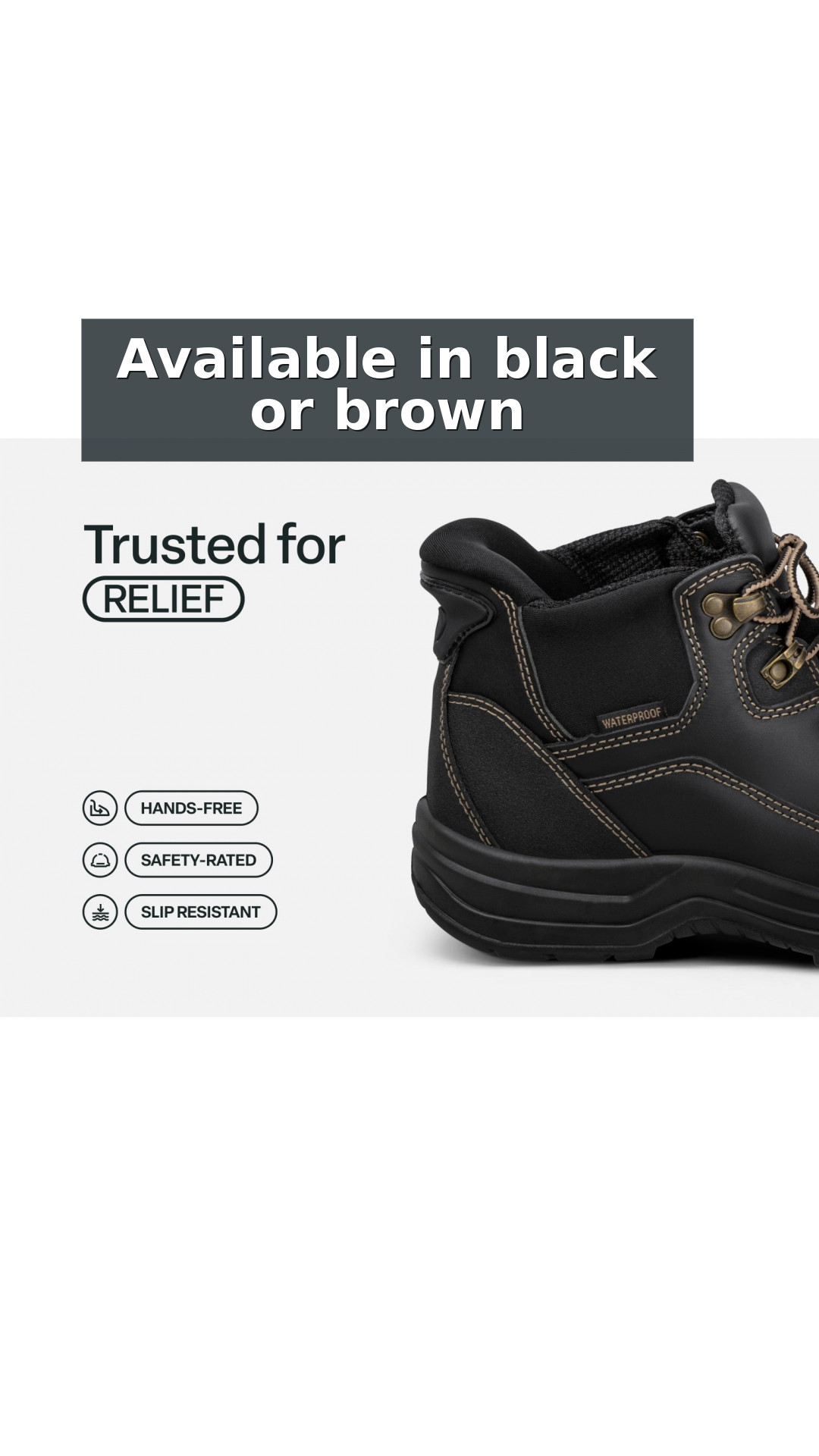
Orthofeet Graphite Hands-Free Cushioning & Arch Support Men's Work Boots · $179.95 · Shop this product · Open full Shop Grid