 Sleek slip-on style
Walking Shoes for Seniors
Walking shoes for seniors are for older adults who want footwear that feels comfortable and stays securely fitted during everyday walks, errands and other time on their feet. Age alone does not determine the right shoe. Start with the shape of your feet, the socks you wear and how the shoe feels while you walk: the heel should stay seated, the toes should have room, and the fastening should be manageable without leaving the fit loose. If you already use orthotics, assess the shoe with them in place. Orthotic Shop helps you compare men's and women's walking collections and individual shoe details, so you can narrow the choices by fit and routine rather than treating easy entry as the only requirement.
Quick recommendation summary
- Prioritize a secure walking fit. Easy on-and-off matters, but the heel should not lift noticeably as you take steps.
- Check length and width separately. More length is not necessarily the answer to a tight forefoot.
- Leave usable toe space. Check the front of the shoe while standing and walking, not just while seated.
- Try the full setup. Wear your usual walking socks and, if applicable, your existing orthotics when assessing fit.
- Compare fastenings by use. Choose a closure you can operate and adjust to hold the foot comfortably.
Understanding the everyday walking need
A shoe can be easy to put on yet still feel too loose for walking. Another may hold the heel well but be difficult to fasten or feel crowded across the toes. For an older adult shopping for daily use, these are separate questions. Consider where and how long you usually walk, whether putting shoes on independently is important to you, and whether socks or orthotics change the space available inside the shoe. The aim is a pair you can use comfortably and fit securely to your own feet—not a style chosen on the basis of age alone.
Footwear labels are useful starting points, not fit guarantees. A walking-shoe label does not tell you whether your heel stays put, and a roomy-looking front does not establish that the width is right. Assess both feet if they fit differently. If your fit needs are mainly about changing a closure over the course of the day, the guide to adjustable shoes and closures explores that subject in more detail; this page keeps the focus on the whole walking shoe.
Features to consider
Heel hold and usable fastening
Once the shoe is fastened, walk a few steps and notice whether the heel remains seated. Compare straps, laces and no-tie closures by what you can handle comfortably, then check whether that closure also lets you set a secure fit. Avoid judging ease of entry without checking the shoe in motion.
Width, length and toe space
Check that your toes are not pressed against the front or squeezed together. If the sides feel tight but the length seems right, investigate a different width rather than automatically choosing a longer shoe. Width labels and selectable options vary by style, so check the individual product page. If you want a method for checking your measurement, read how to measure your foot width at home.
Socks, interior space and existing orthotics
Fit the shoe for what will actually be inside it. Socks can change how snug a pair feels, and an orthotic can change the room above the foot as well as heel position. Do not assume an insert will fit because a shoe belongs to a walking collection. Check the individual listing for relevant construction details, then assess the shoe and orthotic together. The guide to how much room orthotics need in shoes covers that fit question in depth.
Walking collections to browse
- Propet walking shoes for men and women brings together different silhouettes and fastening approaches.
- Men's extra-depth orthopedic walking shoes is a starting point for comparing men's walking footwear by fit and construction.
- Vionic athletic walking shoes and sneakers offers another assortment to browse for walking shoes and everyday sneaker styles; compare models for your intended walking routine.
Featured products to consider
Compare the product-specific details below and check the linked listings before choosing. Fit and comfort vary by person.

Propet Stability X Strap Men's Walking Shoe
Men's walking shoe with a listed adjustable hook-and-loop strap closure, semi-rigid heel counter and EVA fit spacer. Compare its fastening when assessing ease of adjustment, then check heel hold and interior fit on your feet.

Propet TravelWalker II Women's Sneakers
Women's sneaker with a listed no-tie bungee closure and mesh upper. Consider it when comparing fastenings that do not require tying laces; use the listing's width guide and current selectable options to assess your fit.
How to choose a pair
- Start with your routine. Decide where you expect to wear the shoes and whether putting them on or adjusting them presents a practical difficulty.
- Check your current fit. Note whether your present shoes feel short, narrow, loose at the heel or tight over the top of the foot. These point to different questions when comparing a new pair.
- Narrow by size, width and closure. Use the options on each listing; do not transfer one model's width range or fastening details to another.
- Assess the complete fit. Use your usual socks and any existing orthotics. Fasten the shoes, stand, then walk enough to check toe space, heel hold and pressure across the foot.
- Reconsider if one detail fails. A convenient opening does not compensate for a slipping heel, and added length does not necessarily solve a width problem.
Common mistakes to avoid
- Choosing by an age label instead of your routine. Compare the walking surfaces and activities you expect to encounter, rather than assuming every older adult has the same footwear needs.
- Transferring details between similar-looking models. Confirm the exact style, selected width and construction on its own listing; a shared brand name does not establish identical features.
- Keeping a pair because one feature sounds appealing. If a pressure point or uncomfortable movement remains during a permitted try-on, reconsider the fit rather than relying on a support claim.
- Missing the return conditions before testing fit. Read the current policy before removing packaging or wearing the shoes outside, so you know what an at-home assessment permits.
Frequently asked questions
What matters most in walking shoes for seniors?
A manageable fastening, a heel that stays seated and enough space at the toes are useful starting points. Then check width and length separately while standing and walking in your usual socks. A shoe described as easy-entry or supportive still has to fit your own feet and walking routine.
Are easy-on shoes always a good choice for walking?
Not automatically. An easy opening can make dressing simpler, but entry and walking fit are different tests. After putting the shoe on, set its closure as you normally would and take a few steps. If the heel repeatedly lifts or the foot slides, compare another fit or closure.
Should I buy a longer size if the shoe feels tight?
First locate the tight spot. Pressure at the front may call for a length check, while squeezing along the sides may point to width or shoe shape. Adding length solely for forefoot room can leave the heel loose, so compare available widths before settling on a larger size.
How can I tell if the heel fit is secure?
Fasten the shoe normally, stand up and walk a few steps rather than judging it while seated. Notice whether the heel stays seated and whether the foot moves forward as you step. Also check that tightening the closure to hold the heel does not create uncomfortable pressure elsewhere.
Should I try walking shoes with socks?
Yes. Use the sock thickness you expect to wear on everyday walks, because a different pair can change the available room and how firmly the shoe holds. If you alternate between substantially different socks, check the fit with each pair instead of relying on a single try-on.
Can I wear my existing orthotics in any walking shoe?
No walking-shoe label establishes that an existing orthotic will fit. Check the particular shoe's construction, then assess it with your orthotic in place: the insert should sit as intended without crowding the toes or making the heel slip. For insert-specific shopping questions, read Walking Shoes for Orthotic Inserts.
What should I check about the sole and my walking surfaces?
Match the comparison to your routine: smooth indoor floors, outdoor pavement and uneven paths present different shopping questions. Read the exact listing for outsole construction and intended use, and inspect the tread rather than assuming a walking label establishes traction. During a permitted try-on, notice whether the shoe feels steady and bends comfortably for your stride. No sole guarantees that a person will avoid slipping.
Is a strap better than a no-tie closure?
Neither type is automatically better for every walker. Compare whether you can operate the closure comfortably and whether it holds your heel once adjusted. The featured TravelWalker II lists a bungee lace with toggle; use its listing and an on-foot fit check rather than assuming that closure will suit everyone.
Can I remove the original insole to fit my orthotic?
Do not assume the original insole is removable. Check the exact product listing or ask Orthotic Shop to confirm that construction detail before ordering. If removal is supported, assess your existing orthotic in the shoe according to its fitting instructions, then check toe space and heel position. Ask the clinician who supplied a custom orthotic if its intended setup is unclear.
What should I check before trying walking shoes at home?
Read Orthotic Shop's current return policy and the terms for the specific item before ordering. Confirm the return window, condition requirements, exclusions and any costs instead of assuming every purchase has identical terms. If the policy permits an indoor try-on, use a clean indoor surface with your usual socks and any existing orthotic, and keep the packaging while assessing fit.
Related guides
- Adjustable Shoes for a More Flexible Fit — compare closure types when fine-tuning fit is your main concern.
- Walking Shoes for Orthotic Inserts — focus on walking-shoe space for an existing insert.
- How Much Room Do Orthotics Need in Shoes? — check depth, width and heel fit together.
- Extra-Wide Shoes — explore width when the forefoot feels crowded.
- Walking Shoes for Travel — compare walking fit for days spent away from home.
Editorial and medical-information note
This page provides general footwear-shopping information, not medical diagnosis or treatment advice, and no shoe guarantees comfort or safety. For persistent pain, numbness, open wounds, sudden symptoms, diabetes-related foot concerns or uncertainty about appropriate footwear, seek advice from an appropriate healthcare professional.
Style and product inspiration
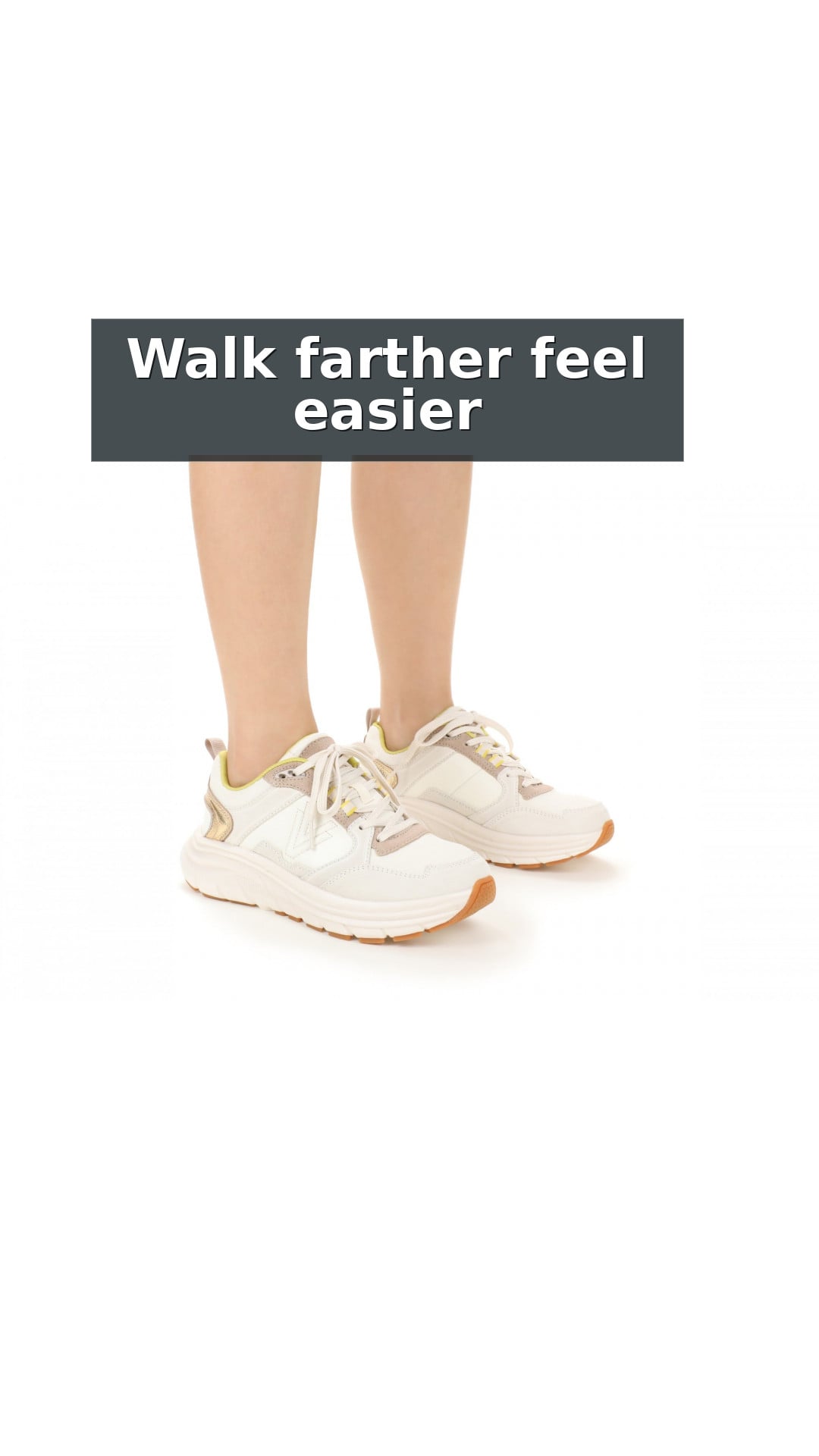
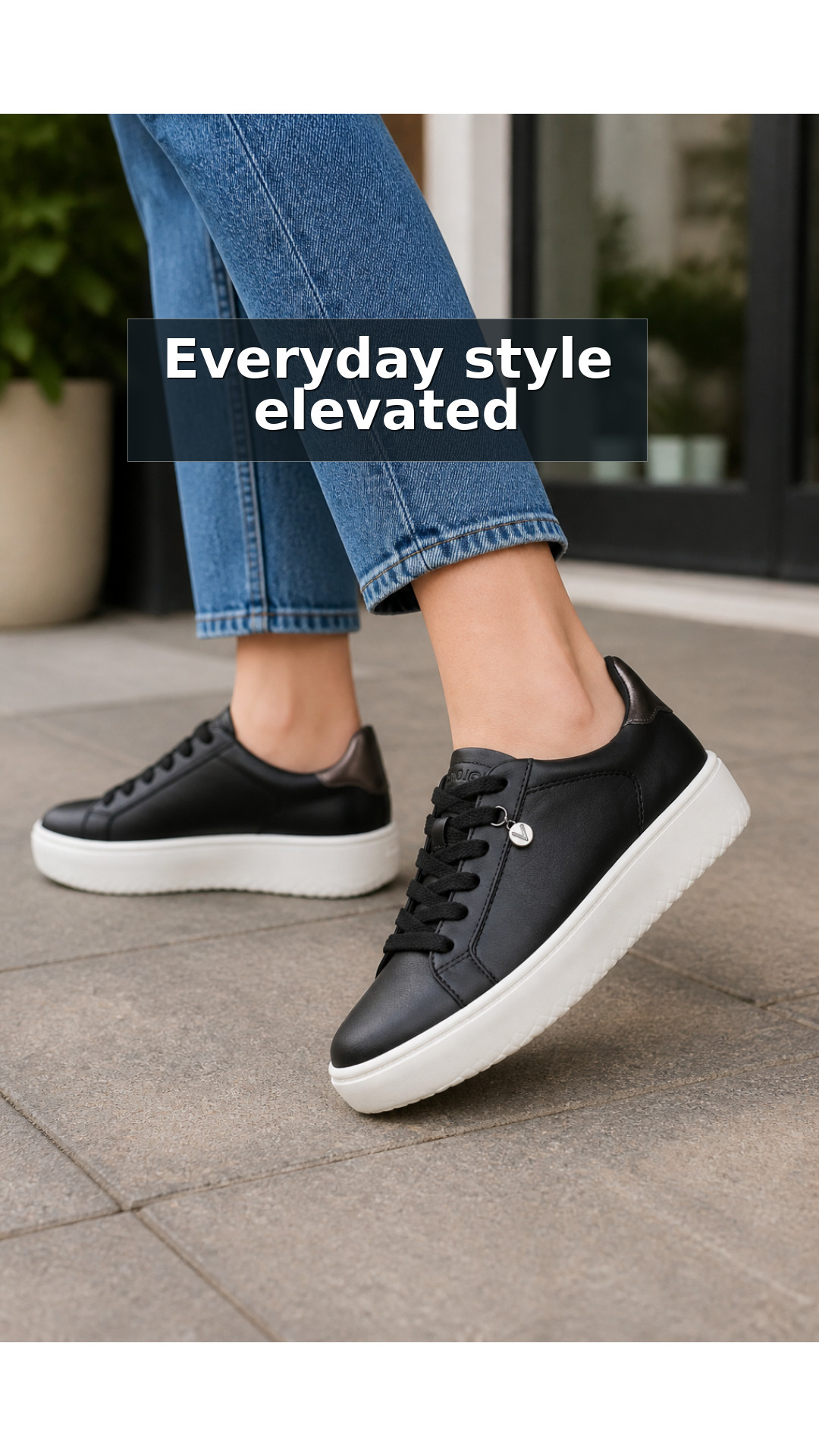
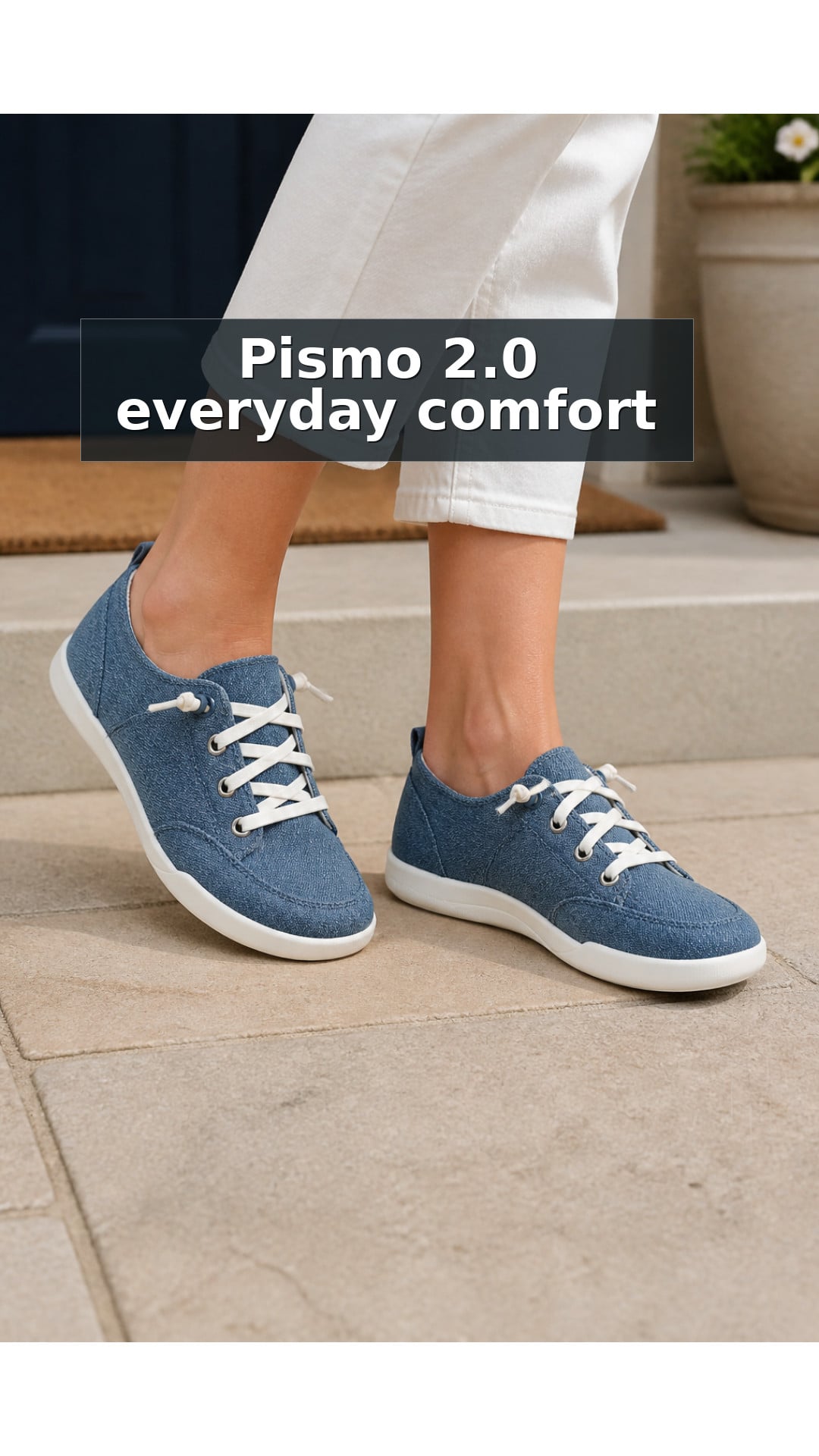
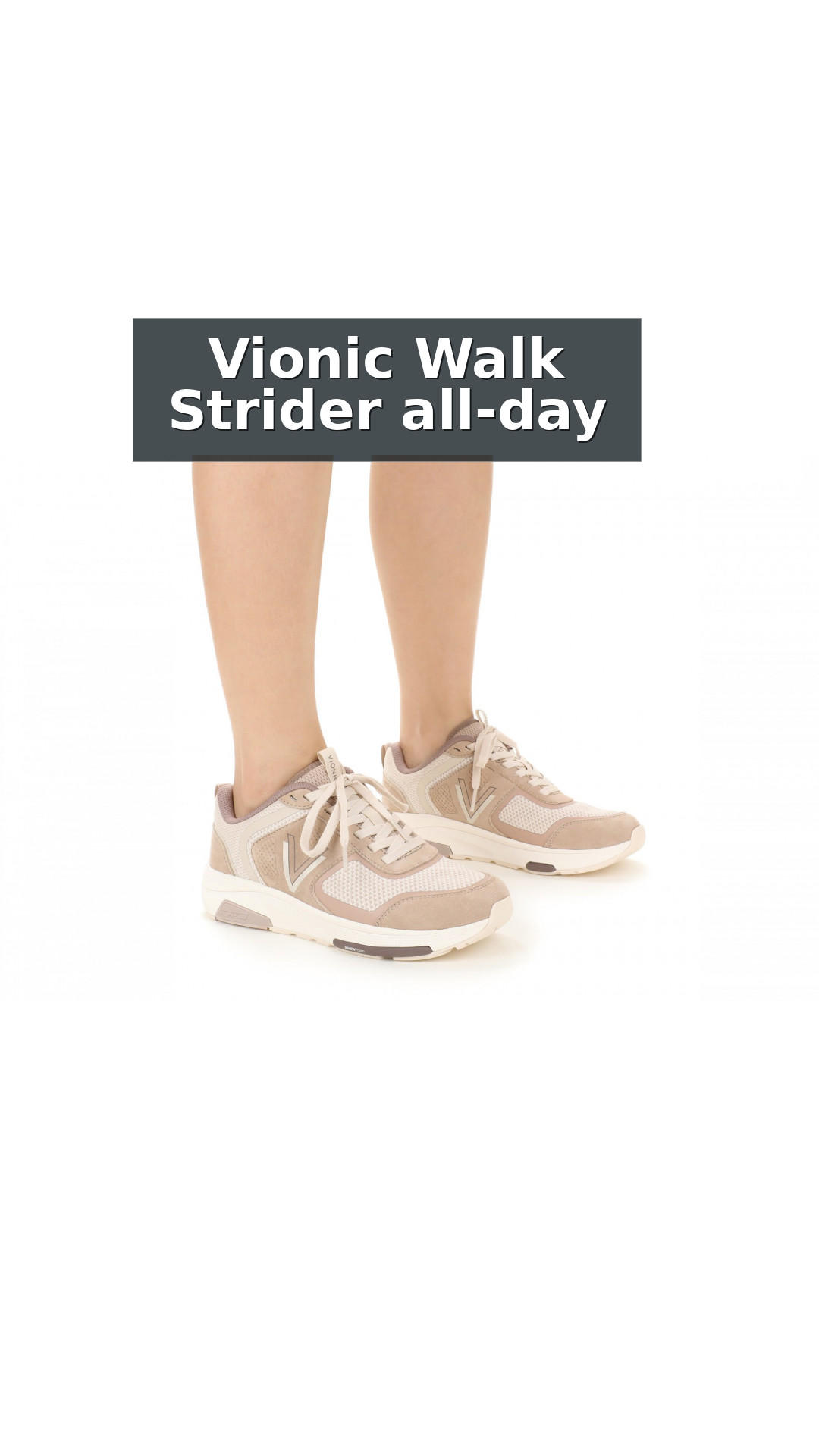
Swipe through comfort footwear highlights and shop each featured style.