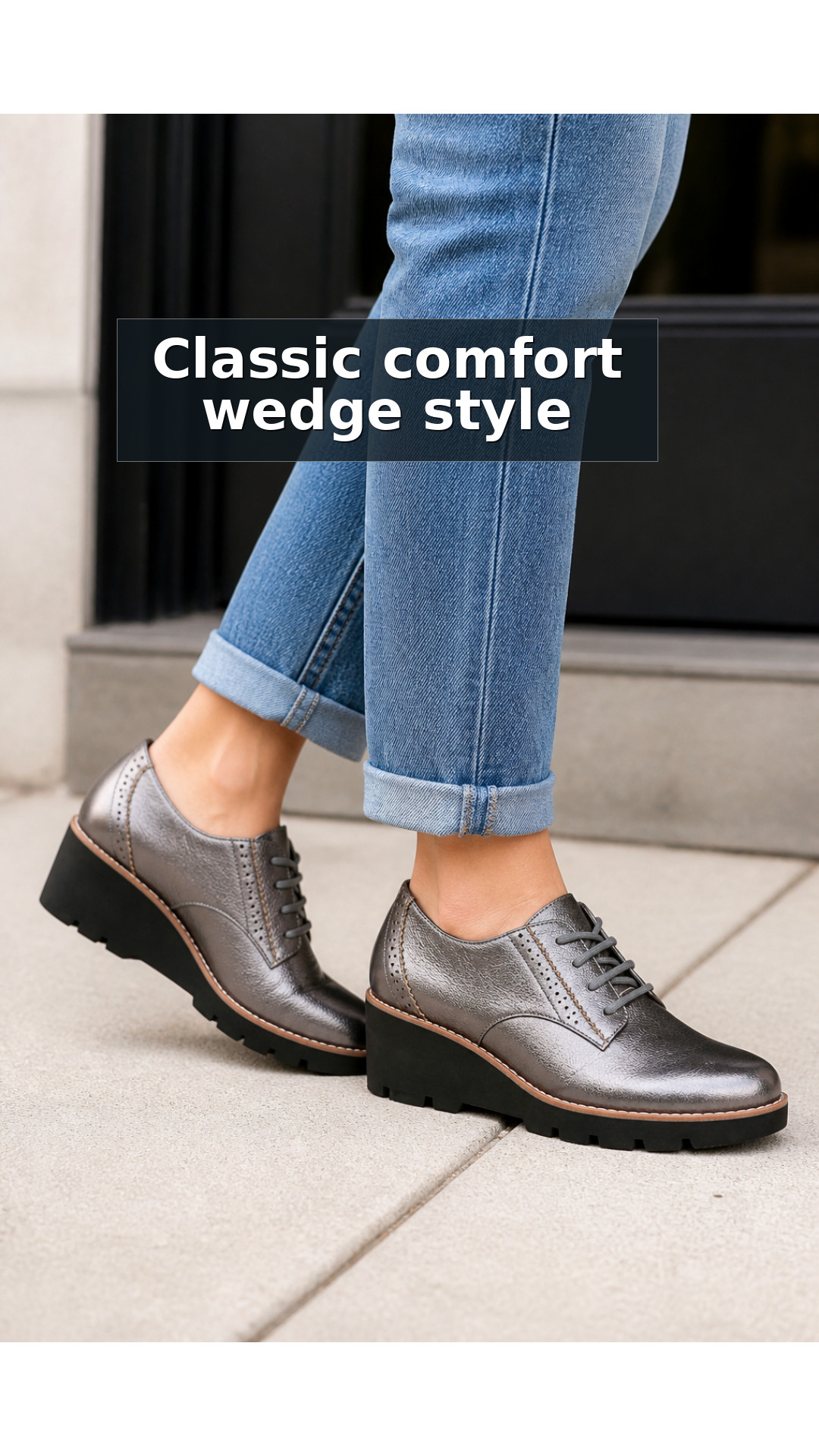
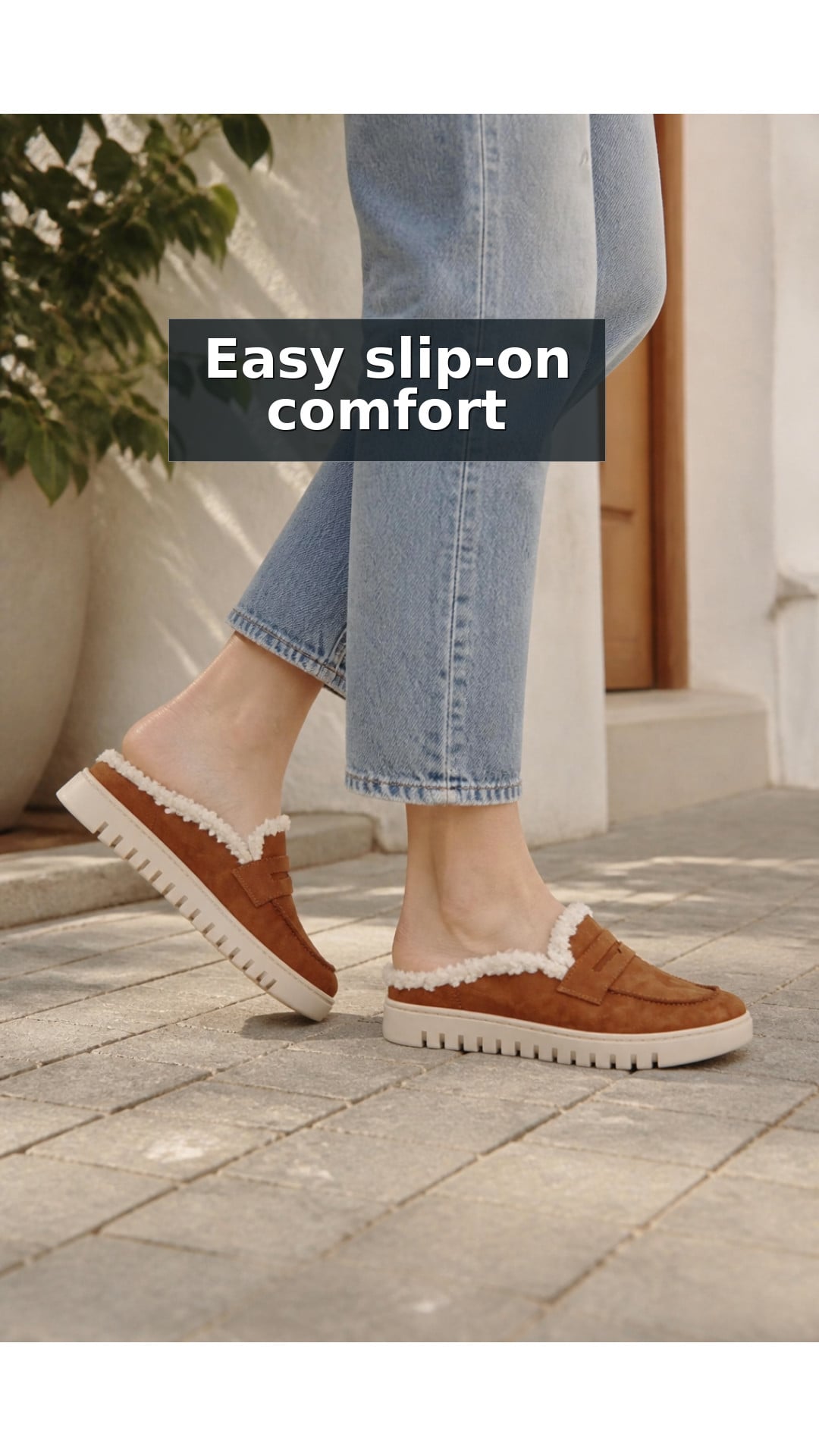
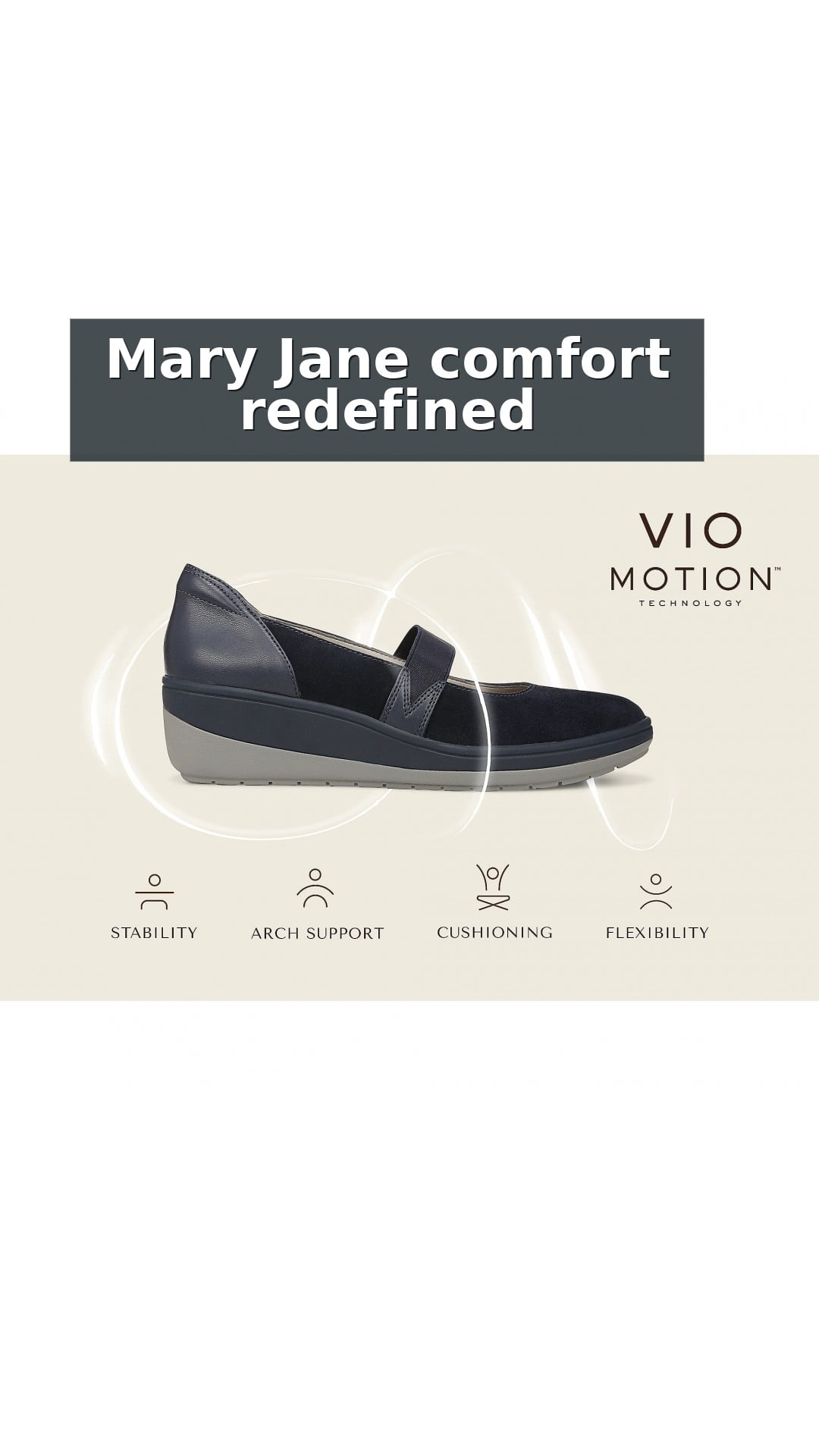
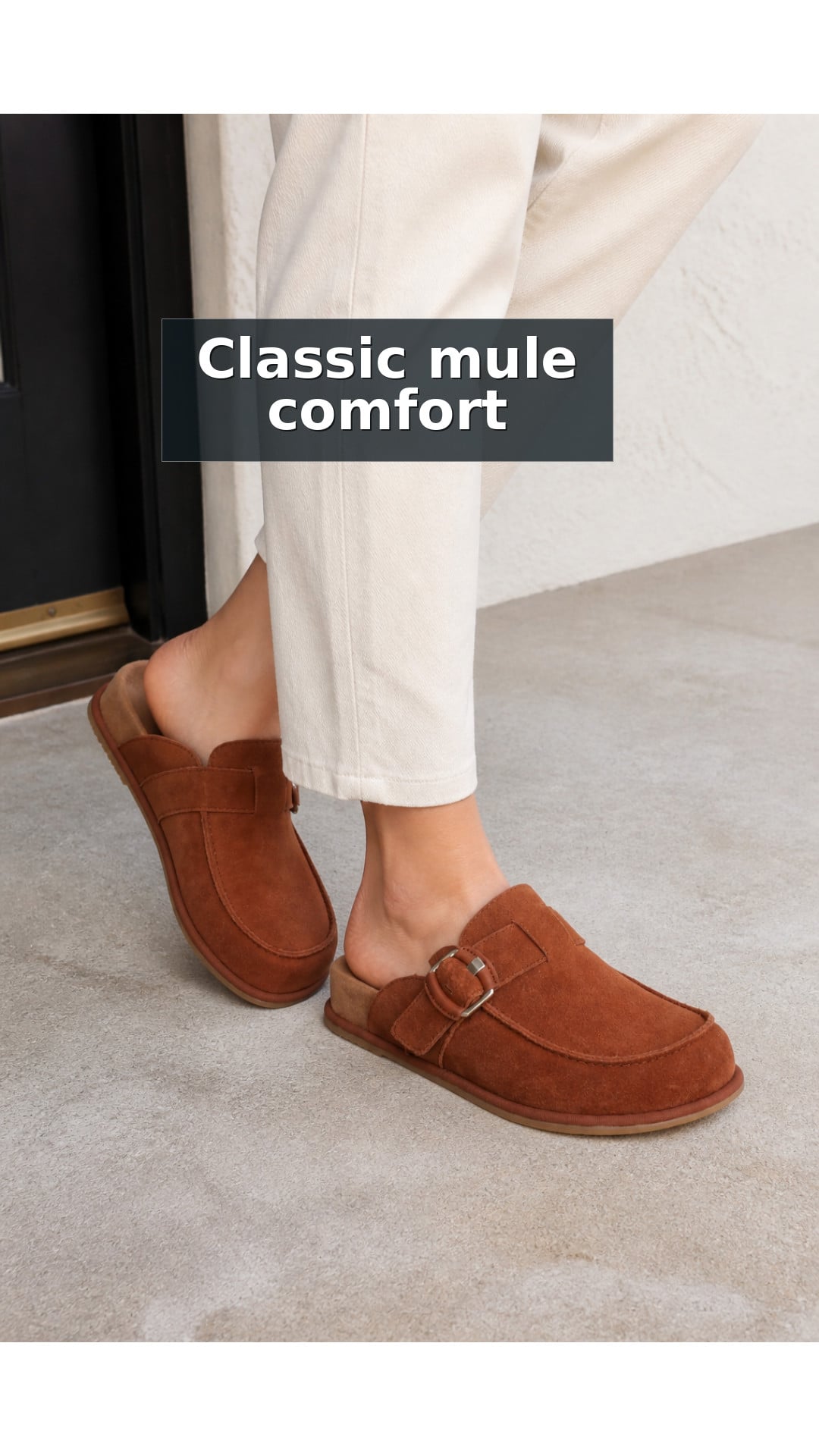
 Classic mule comfort
Walking Shoes for Orthotic Inserts
Orthotic Shop’s Walking Shoes for Orthotic Inserts page helps shoppers compare walking shoes that leave room for an orthotic, custom insert, or other support layer. The main fit cues are extra depth, a removable footbed or liner, width options, and a closure that still feels secure after the insert goes in. Orthotic Shop groups verified collections and current product examples so you can compare walking-ready styles, therapeutic shoes, and supportive inserts in one place. If a pair feels shallow or crowded, start by checking width and depth before changing length.
Quick summary
- Start with width and depth before changing length.
- Look for a removable footbed or liner when you plan to use an insert.
- Use adjustable closures when the insert changes how the shoe closes over the foot.
- Compare walking, therapeutic, and insert-friendly collections side by side.
- Match the shoe to the insert, not just to the size number on the box.
Understanding fit for walking with inserts
When an insert is added, the shoe needs enough room above the foot so the upper does not press down on it. That means the shoe should feel steady at the heel, roomy through the toe box, and secure across the top of the foot without pinching. A good fit is usually about the whole package: the depth inside the shoe, the width of the last, the closure style, and the amount of support already built into the shoe or insert.
Orthotic Shop makes that comparison easier by grouping collections with extra-depth construction, removable insoles, wider fits, and adjustable closures. That way, you can focus on the features that matter most when walking with orthotic inserts.
Features to consider
| Feature | Why it matters | Example collections |
|---|---|---|
| Extra depth | Gives the shoe more vertical room so the insert does not crowd the top of the foot. | InStride, Dr. Comfort, Diabetic and Therapeutic Footwear for Neuropathy |
| Removable footbed or insole | Makes space for a custom insert and can help the shoe close properly once the insert is in place. | InStride, Spira Spring Shoes, High Arch Insoles |
| Width options | Helps you match the shoe to the foot instead of only adding length. | Diabetic and Therapeutic Footwear for Neuropathy, Dr. Comfort, InStride |
| Adjustable closures | Lets you fine-tune the fit after the insert changes the foot volume inside the shoe. | InStride, Diabetic and Therapeutic Footwear for Neuropathy |
| Stable walking support | Helps the shoe feel more secure and balanced during everyday walking. | Spira Spring Shoes, Dr. Comfort |
| Supportive insert options | Useful when a lower-profile support layer or firmer arch shape is part of the fit plan. | High Arch Insoles |
Verified collections to browse
InStride
A practical starting point for walking and casual styles built around a Custom Fit System and removable-depth construction. Use it when you want extra room for prescription orthotics and a secure everyday fit.
Spira Spring Shoes
Spira is useful when you want walking shoes with spring-based cushioning, stable heel counters, and roomy toe boxes that often work with custom orthotics and removable insoles.
Dr. Comfort
A therapeutic footwear collection with extra depth, generous widths, and soft linings that make room for orthotics and reduce irritation.
Diabetic and Therapeutic Footwear for Neuropathy
Useful if you want a deep, wide last, smooth interiors, adjustable closures, stable soles, and removable insoles in one place.
High Arch Insoles
A helpful companion collection when your walking shoe needs a lower-profile support layer or a firmer arch shape inside the shoe.
Featured products to consider
These current Orthotic Shop products provide practical starting points for comparing shoe fit, insert length, support structure, and available interior space. Product fit and comfort vary by person.

Propet Ultra Women's Athletic Walking Shoe
Walking shoe with a double-depth footbed and removable footbed for custom inserts.

Xelero X-GPS Lightweight Stability and Cushioned Support Women's Shoe
Walking shoe with an internal rocker, extra depth, and a removable 3mm insole.

Propet B10 Unite Slipon Women's Atheltic Comfort Shoe
Slip-on walking shoe with a double-depth footbed and removable footbed for custom inserts.

Orthofeet Florence Waterproof Cushioned Support Women's Boots
Supportive boot with a wide toe box, extra depth, and adjustable straps.

Revere Lucea Cushioned Support Women's Sandal
Lightweight sandal with extra depth, two points of adjustment, and a removable insole.

Powerstep SlenderFit 3/4 Women's Support Insoles
Lower-profile insert option that leaves extra room at the toes and moves between shoes without trimming.
How to choose
- Start with the insert already in use. Check how much room it needs in the shoe, then compare that against the shoe’s depth and removable footbed.
- Decide whether width or length is the bigger issue. If the shoe feels tight across the forefoot or instep, width and volume usually matter more than adding length.
- Check the closure after the insert is in. A lace, strap, or hook-and-loop closure should still close comfortably without forcing the foot upward.
- Walk indoors before committing. A short try-on helps you notice heel slip, toe crowding, or pressure across the top of the foot.
- Match shoe type to use. Walking shoes, therapeutic shoes, slip-ons, boots, and sandals all fit differently once an insert is inside.
- Compare one change at a time. If the shoe is too tight, change width or depth first before moving to a different style.
Common mistakes
- Choosing length first and hoping it fixes forefoot crowding.
- Skipping the removable-footbed check before buying.
- Forgetting that the closure may fit differently once the insert is inside.
- Assuming every walking shoe will work with every orthotic.
- Not doing a short indoor walk in the shoes before deciding they fit.
Frequently asked questions
What should I look for first in walking shoes for orthotic inserts?
Start with extra depth, a removable footbed or liner, and a closure that still feels secure once the insert is in place. Those details usually determine whether the shoe will work comfortably because they affect volume, hold, and how evenly pressure is distributed. After that, check toe-box room and heel stability so the fit feels balanced during a normal walk.
Is width or length more important?
For many shoppers, width comes first. If the shoe is crowded across the forefoot or instep, adding length can leave the heel loose without solving the fit problem. A better comparison is usually a true wide or extra-wide fit, then depth, then length only if the foot is still running into the front of the shoe.
Do I always need a removable insole?
Not always, but it makes fit easier for many inserts. A removable footbed usually gives more room and a cleaner comparison when checking shoe volume, and it can help the insert sit flatter inside the shoe. If the factory footbed is fixed, look closely at the available depth before deciding whether the shoe can still work well.
Can I use a full-length insert in any walking shoe?
Not every shoe has enough depth for a full-length insert. Lower-profile inserts can be easier in tighter shoes, while roomier walking shoes usually handle more volume. If the shoe feels crowded after the insert goes in, a different width or a deeper style is usually a better comparison than trying to force the same pair to work.
Are adjustable closures worth comparing?
Yes. Laces, straps, and hook-and-loop closures make it easier to fine-tune fit after an insert is added or when foot volume changes through the day. They can also help keep the heel seated without tightening the forefoot too much. If the shoe is otherwise a good fit, an adjustable closure can make the difference between almost-right and comfortable.
What if the shoe feels tight after I add my insert?
First, check whether the factory footbed can be removed. If the shoe still feels crowded, compare a wider or deeper style instead of only moving up in length. That usually preserves heel hold and gives the insert the room it needs. A short indoor try-on can help confirm whether the tightness is in the forefoot, instep, or overall volume.
Are therapeutic or diabetic shoes worth looking at for inserts?
They can be. Collections like Dr. Comfort and Diabetic and Therapeutic Footwear for Neuropathy are built around extra depth, wider fits, smooth interiors, and removable insoles, which are all useful fit cues when inserts are part of the plan. They are especially helpful when a regular walking shoe feels too shallow or too narrow.
When should I get professional fitting help?
If the right width, depth, or insert combination is unclear, a qualified fitter can help compare options more efficiently. That is especially useful when a foot is higher-volume or more than one fit issue is involved. A professional can also help separate a shoe problem from an insert problem and suggest the most practical next step.
Related guides
- Shoes That Accommodate Custom Orthotics — a direct fit guide for extra depth, removable insoles, and closures.
- Wide Walking Shoes — useful when width is the main issue in a walking shoe fit.
- Extra-Wide Shoes — helpful when a true wide or extra-wide fit is the better comparison.
- Adjustable Shoes for a More Flexible Fit — good for comparing closures that fine-tune fit after support is inside the shoe.
- Shoes for Flat Feet — a practical companion guide when you want stability, shape, and room for support.
Editorial and medical note
This page is general information only and is not medical diagnosis or treatment advice. Orthotic Shop’s goal is to help you compare fit details clearly, not to replace a professional fitting. If you already use an orthotic, bring it to the try-on and check depth, width, closure, and heel hold while standing and walking. Persistent pain, numbness, open wounds, sudden symptoms, or diabetes-related foot concerns should be reviewed by a qualified professional.
Style and product inspiration
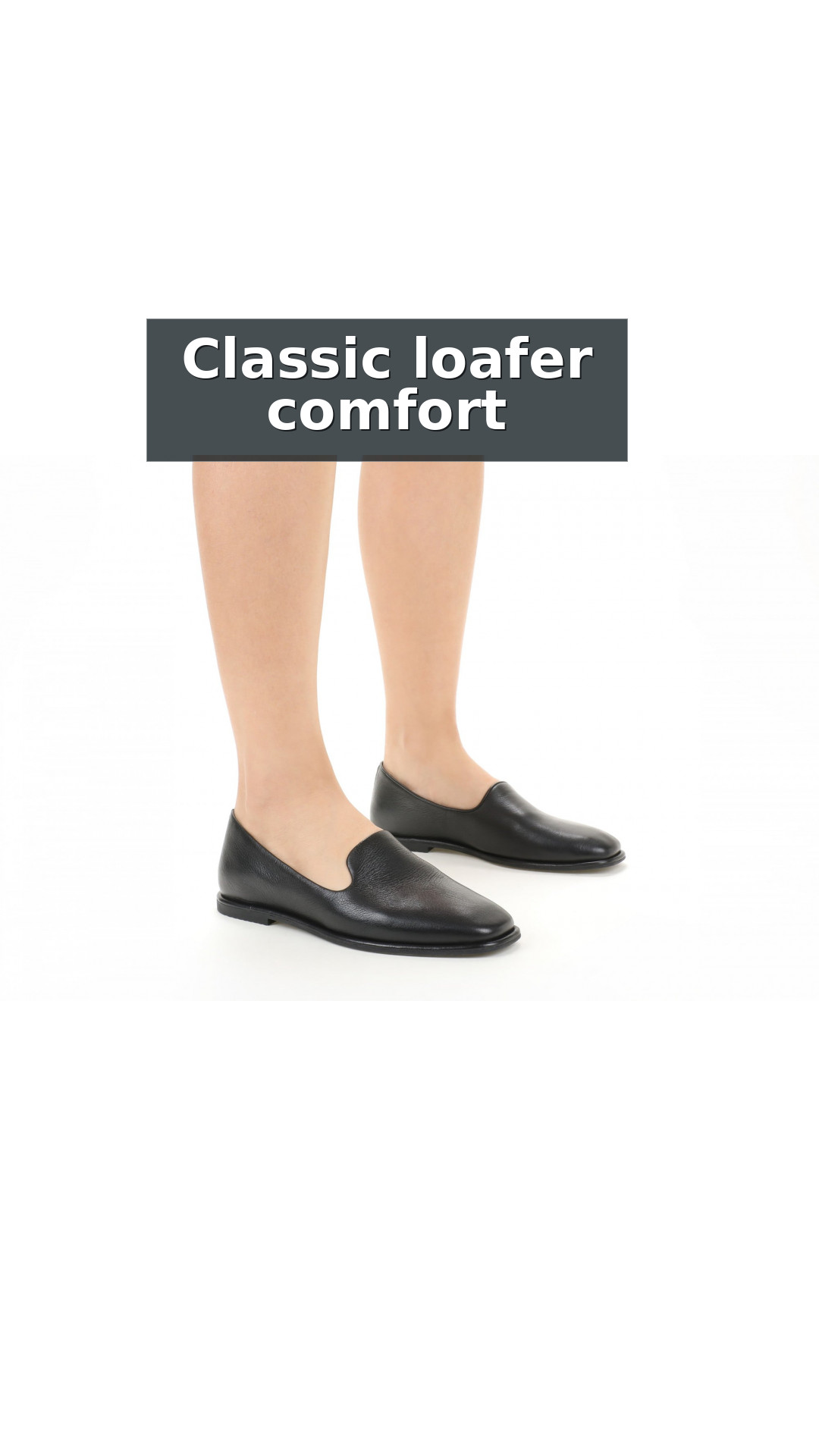
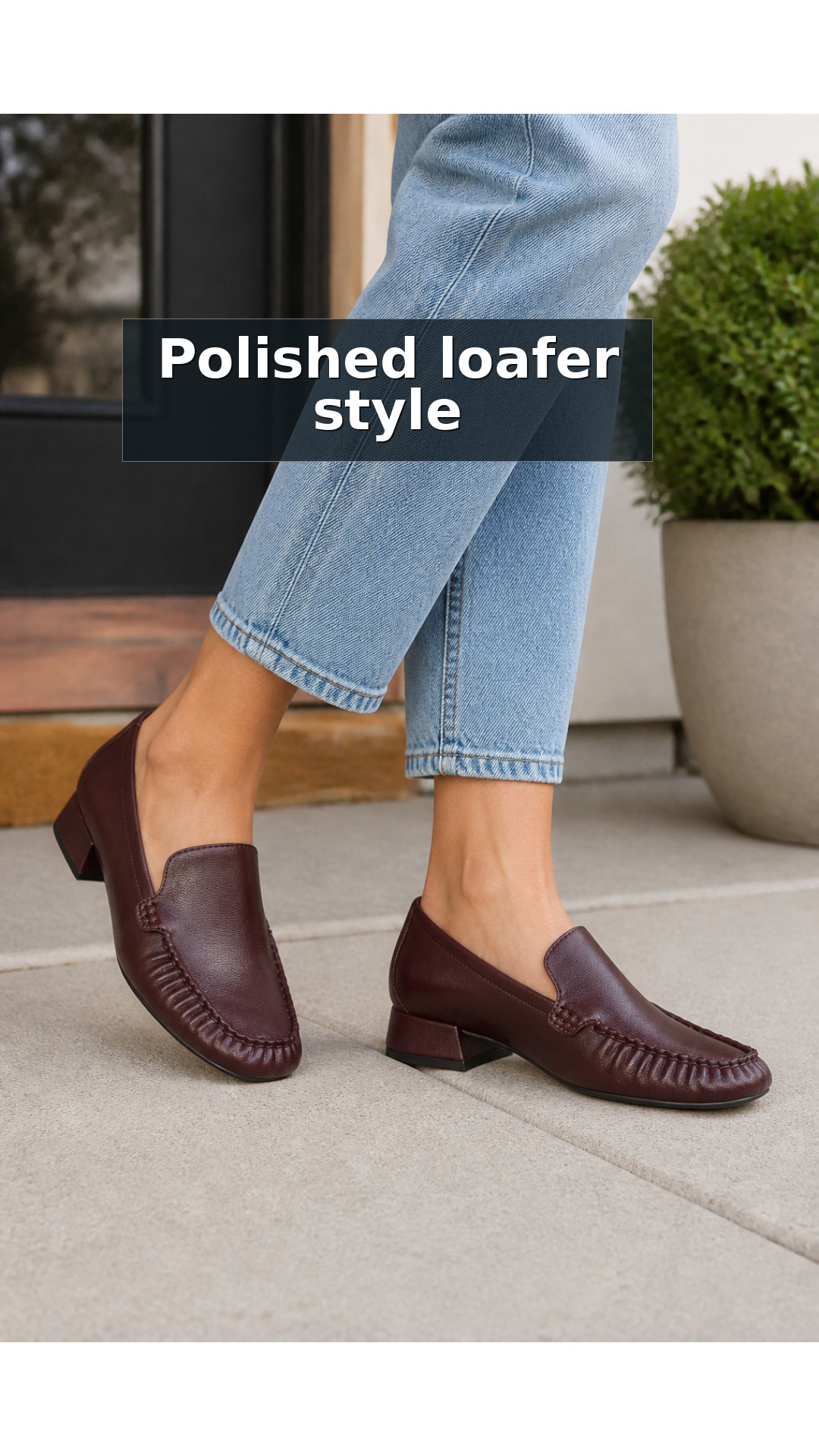
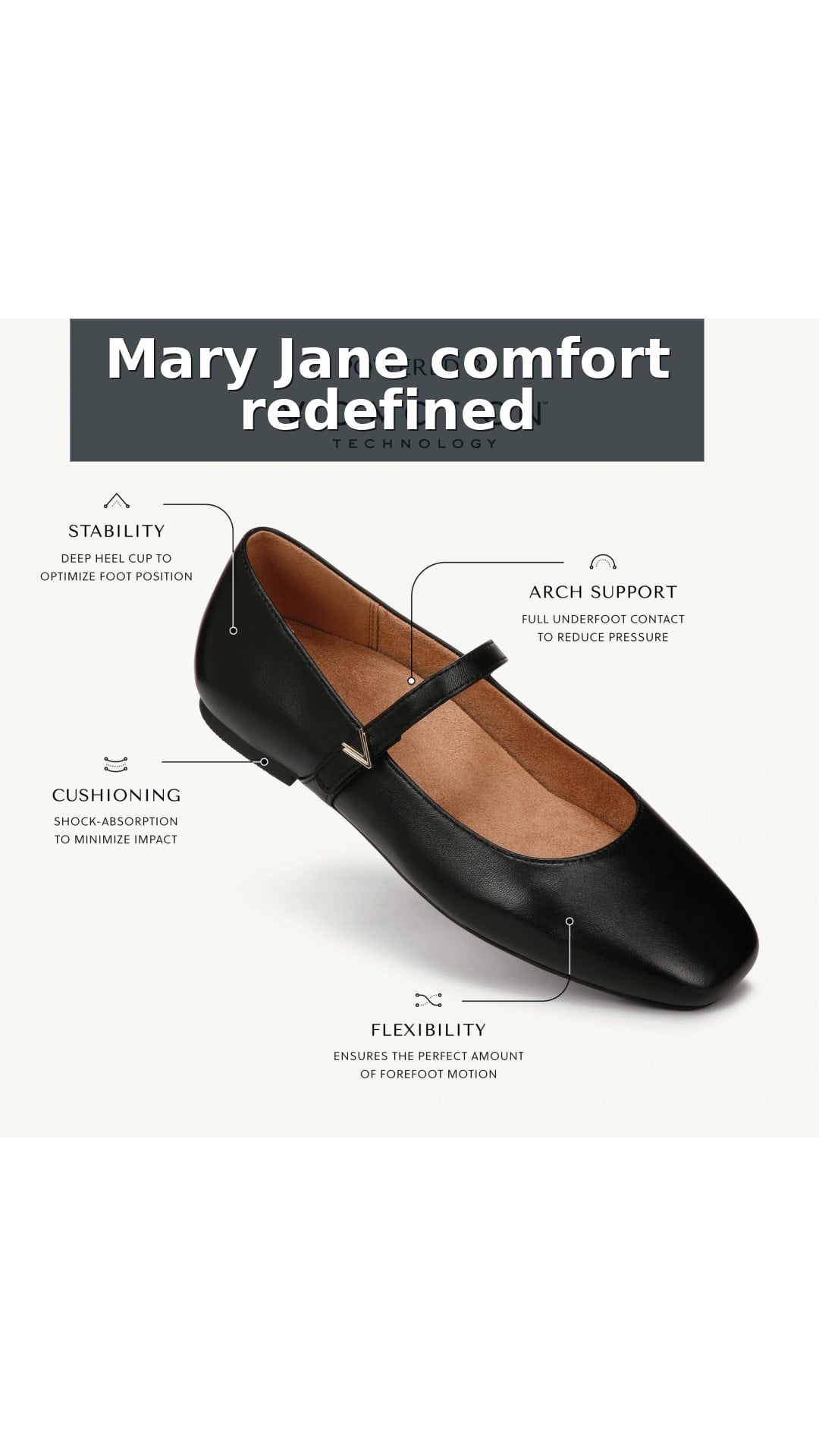
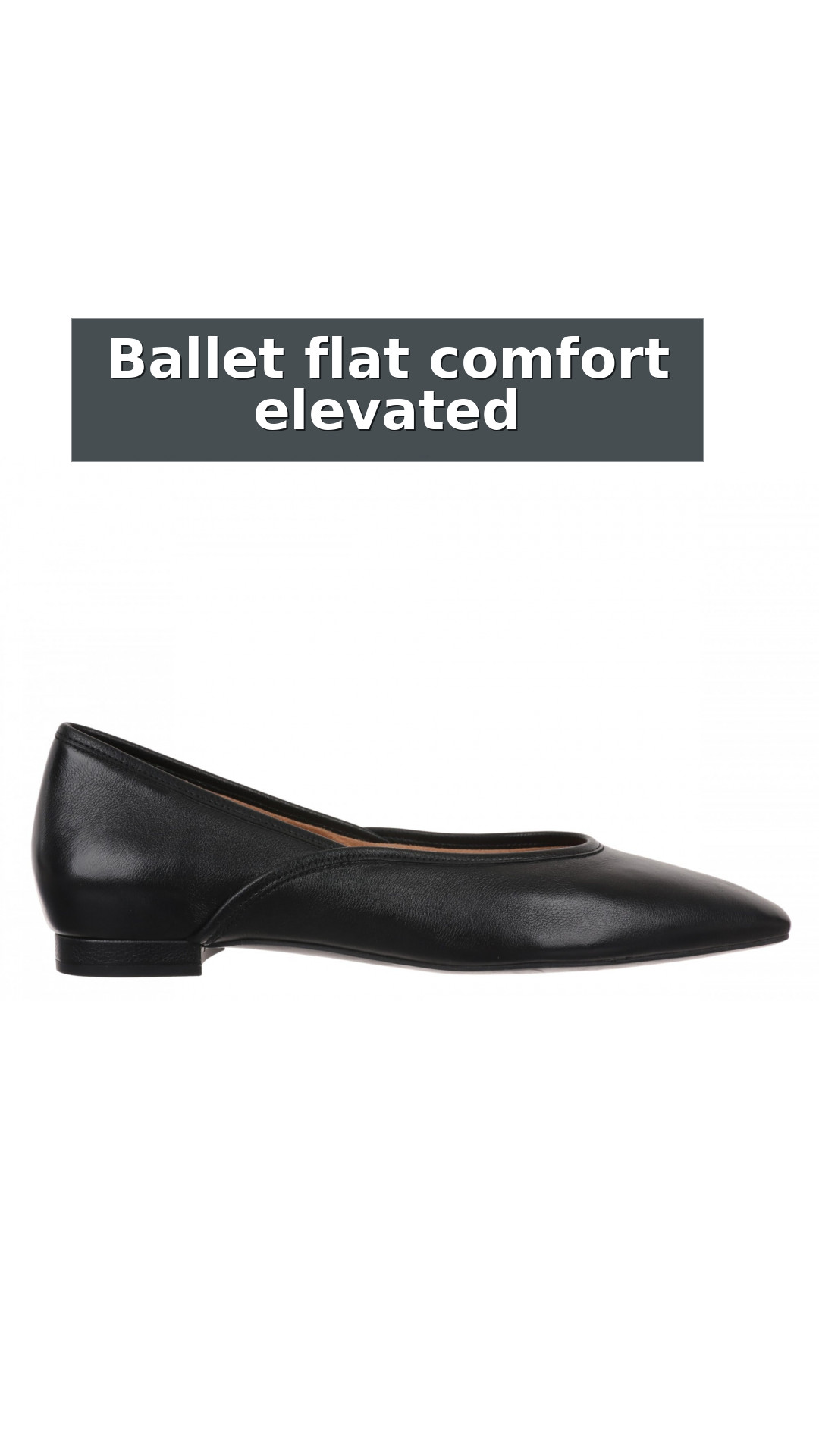
Swipe through comfort footwear highlights and shop each featured style.