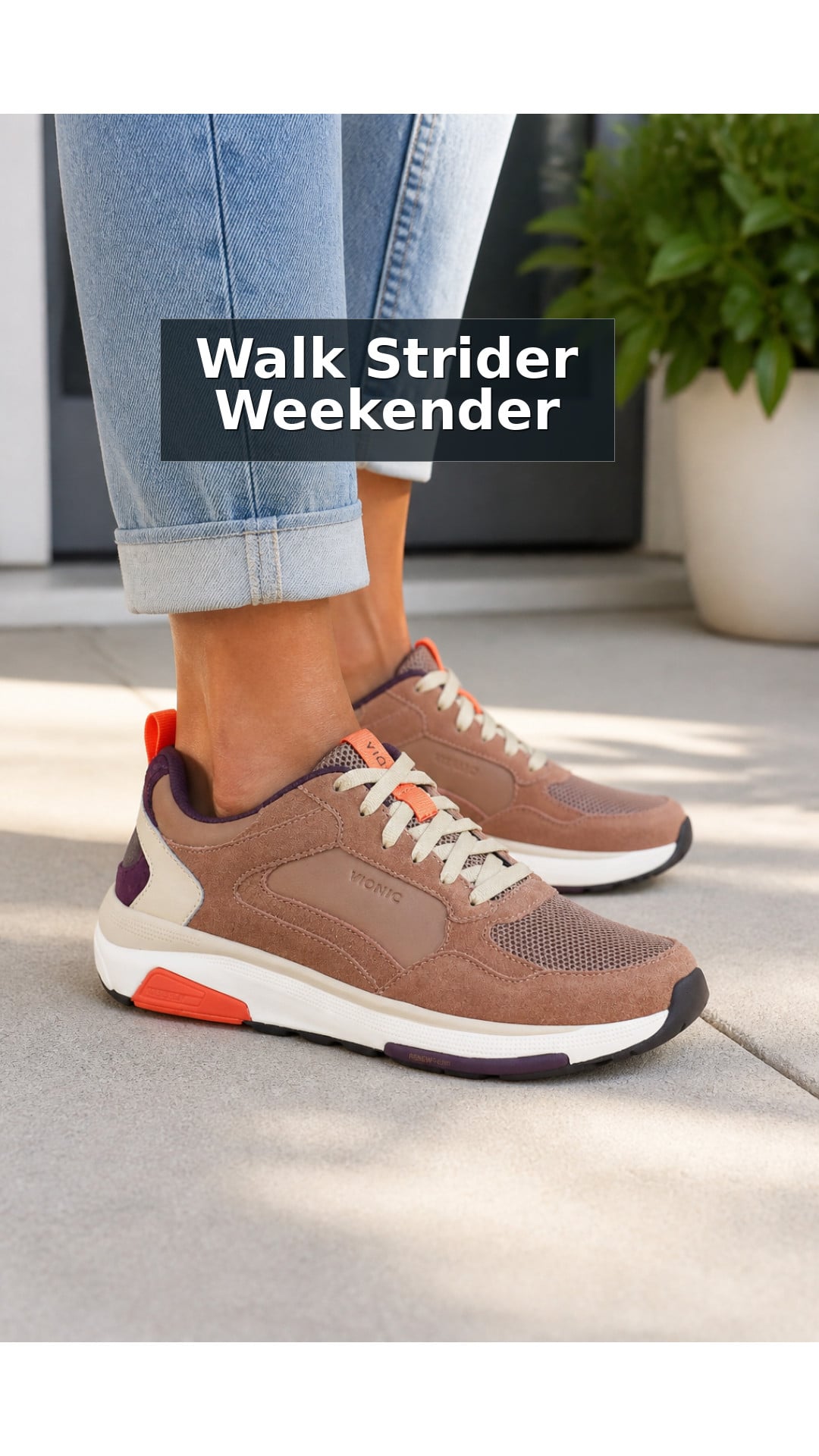
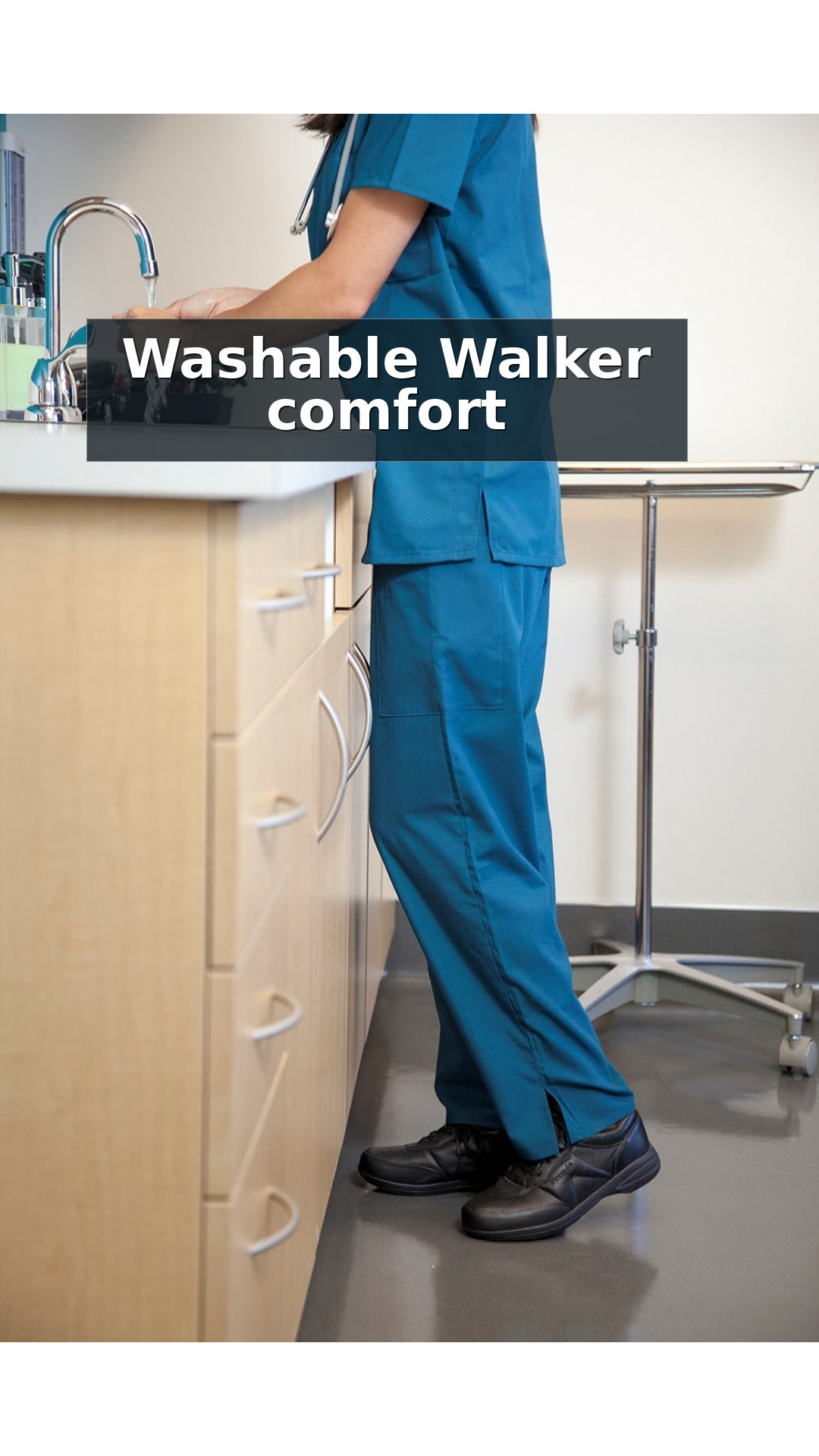
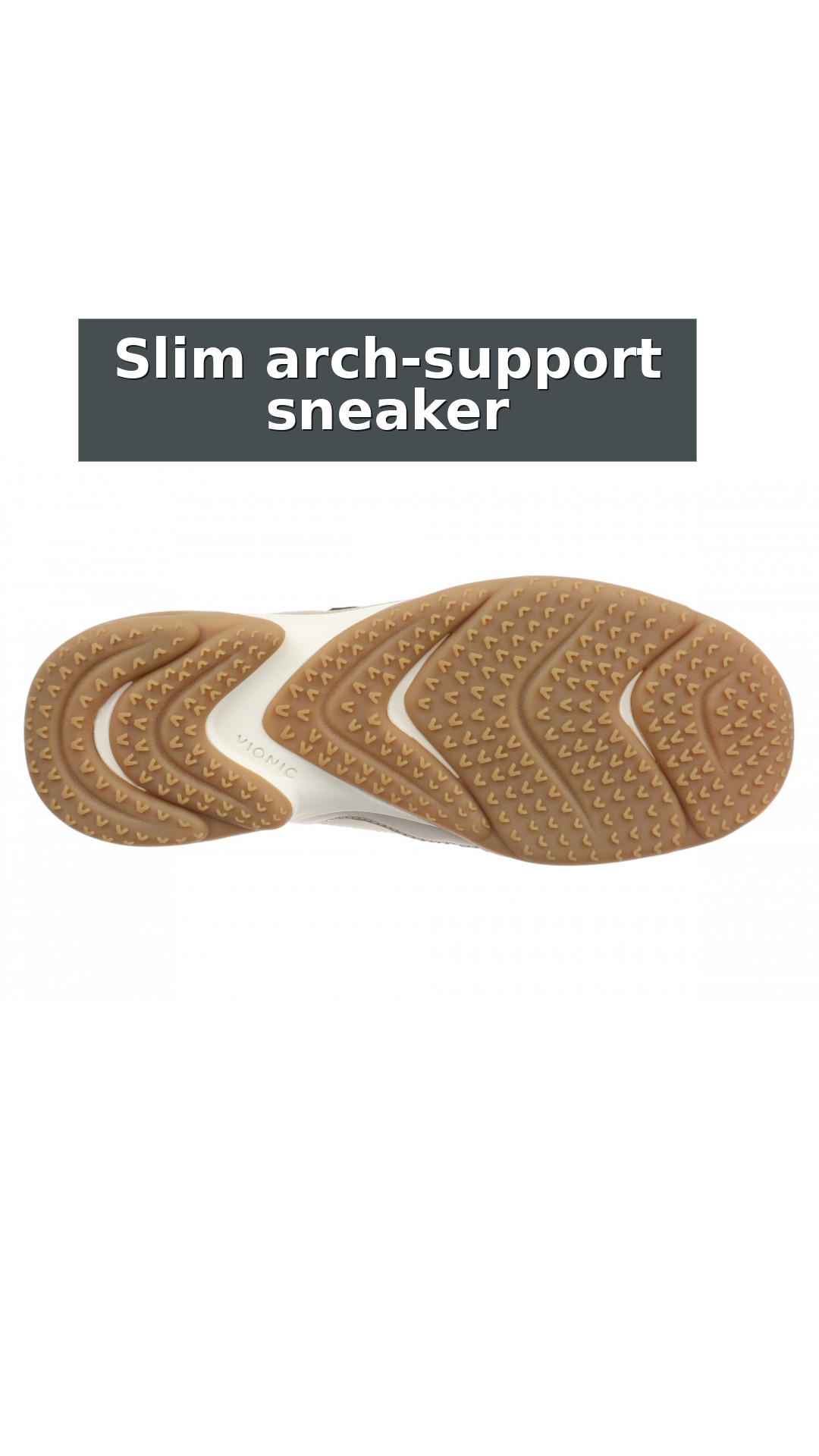
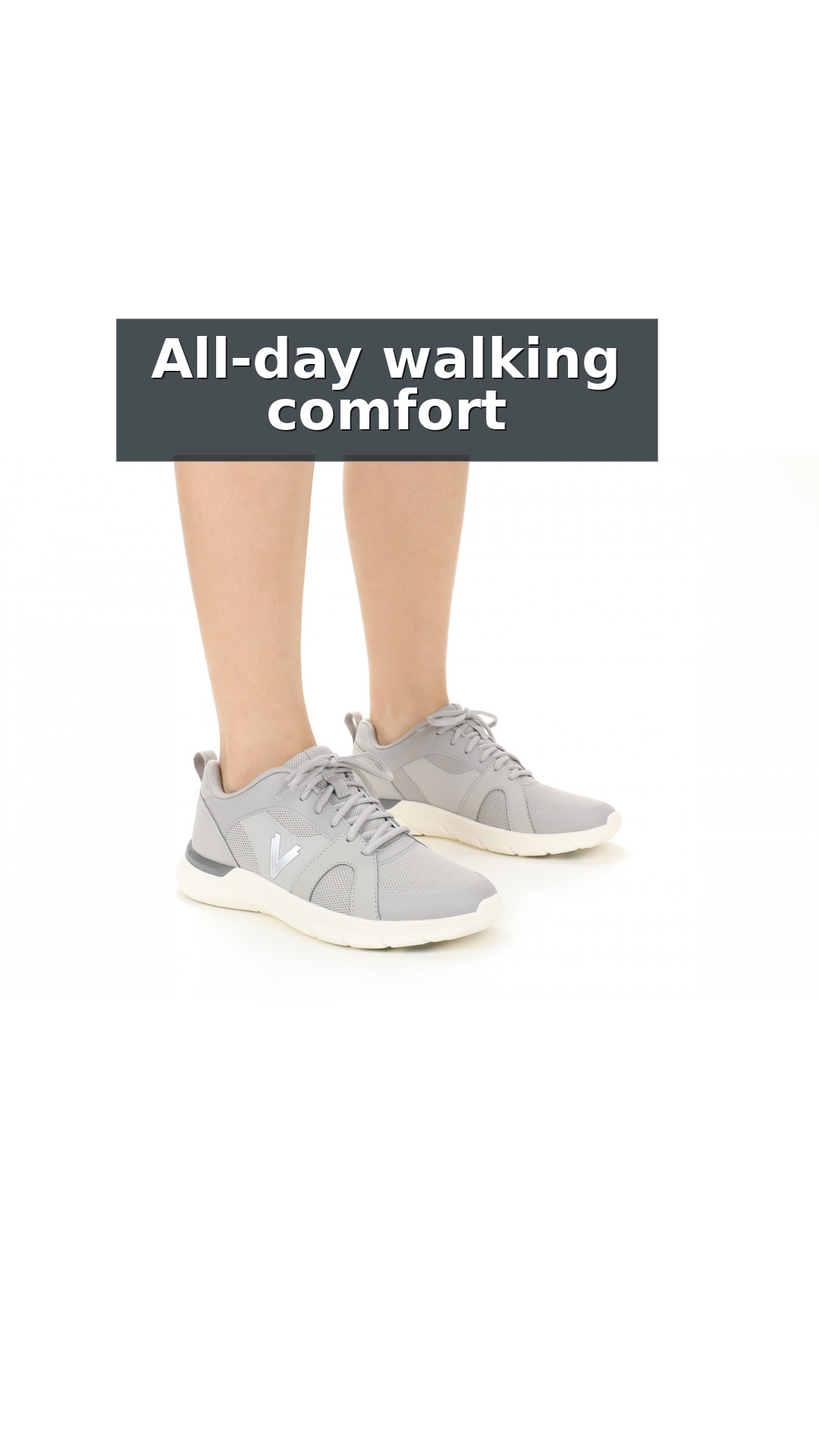
 Meet Marla washable comfort
Extra-Wide Shoes
Extra-wide shoes are for adults who want more room across the forefoot and midfoot, or more interior volume for inserts, without forcing the foot to fit a shoe that is too narrow. Orthotic Shop helps you compare extra-wide widths, extra depth, roomy toe boxes, removable insoles, and adjustable closures across verified collections and product examples so you can narrow the fit before you buy.
Quick recommendation summary
- Choose width before length so the heel stays seated and the foot does not slide forward.
- Look for extra depth if orthotics or inserts take up space, or if the upper feels low over the foot.
- Use adjustable closures when you want a more precise fit across the instep and forefoot.
- Start with the Walking, Casual/Dress, and Apex collections if you want to compare fit-driven styles side by side.
Understanding extra-wide fit
Extra-wide fit is about width and volume, not just length. In practice, that means the shoe needs enough space through the forefoot, toe box, and sometimes the midfoot so the foot can sit naturally instead of being squeezed. If sizing up in length has been the workaround, a true extra-wide option is usually the cleaner comparison because it preserves heel hold. When inserts are part of the fit, look closely at depth and removable footbeds so the shoe still closes comfortably once the support is inside.
Orthotic Shop groups adult walking, casual/dress, and comfort-focused collections that clearly spell out width, depth, toe room, and closure style. That makes it easier to compare shoes based on the way they fit, not just the way they look.
Features to consider
| Feature | Why it matters | What to look for |
|---|---|---|
| Extra-wide width options | Gives the forefoot and toe area more room without making the shoe unnecessarily long. | Look for the width label shown on the product page, such as Extra Wide, X-Wide, or XW where listed. |
| Extra depth | Helps the upper sit comfortably over the foot and leaves space for inserts. | Useful when the shoe feels shallow or when orthotics are part of the fit. |
| Roomy toe box | Helps the toes spread naturally and reduces crowding at the front of the shoe. | A rounded or roomy front is easier to fit than a narrow or pointed shape. |
| Removable insoles or footbeds | Makes room for custom orthotics or a different support layer when needed. | Helpful when you want extra volume inside the shoe. |
| Adjustable closures | Lets you fine-tune fit as foot shape, swelling, or insert volume changes. | Laces, hook-and-loop straps, or other adjustable closures. |
Verified collections to compare
Men’s walking shoes with extra depth
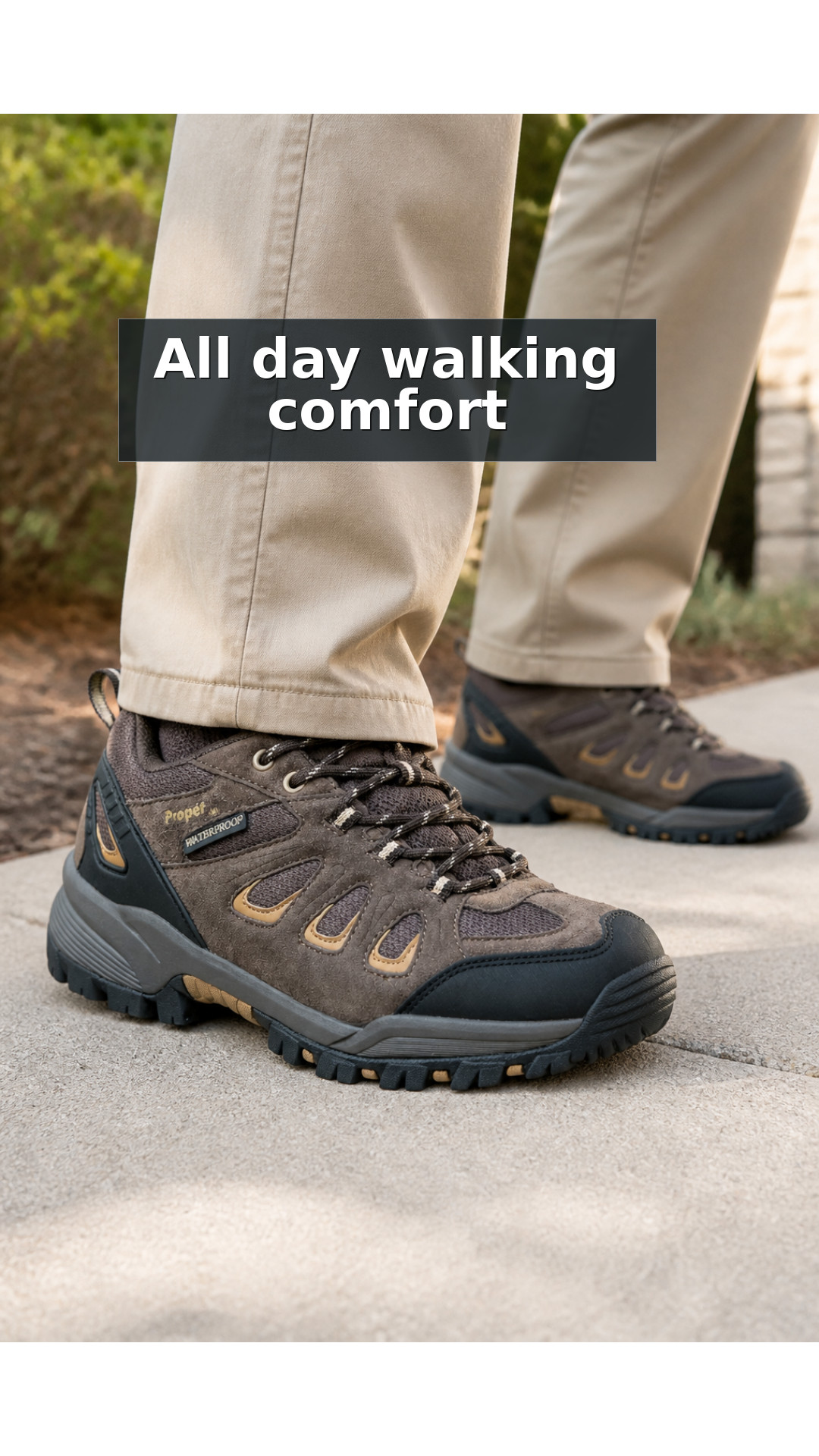
This collection is built around fit-first walking shoes with extra depth, removable insoles, and a wide range of widths. It is a practical place to compare extra-wide options when you want everyday comfort and a more controlled fit.
Women’s casual and dress shoes with extra depth
The Casual/Dress collection highlights dress flats, loafers, Mary Janes, slip-ons, and low-heel options with extra depth, removable insoles, roomy toe boxes, adjustable closures, and multiple widths.
Apex roomy-toe-box comfort styles
Apex focuses on a roomy toe box, removable footbeds, cushioning, deep heel cups, adjustable closures, and slip-resistant outsoles. It is useful when fit, comfort, and room for inserts all matter at once.
Featured products to consider
These current Orthotic Shop products provide practical starting points for comparing shoe fit, insert length, support structure, and available interior space. Product fit and comfort vary by person.

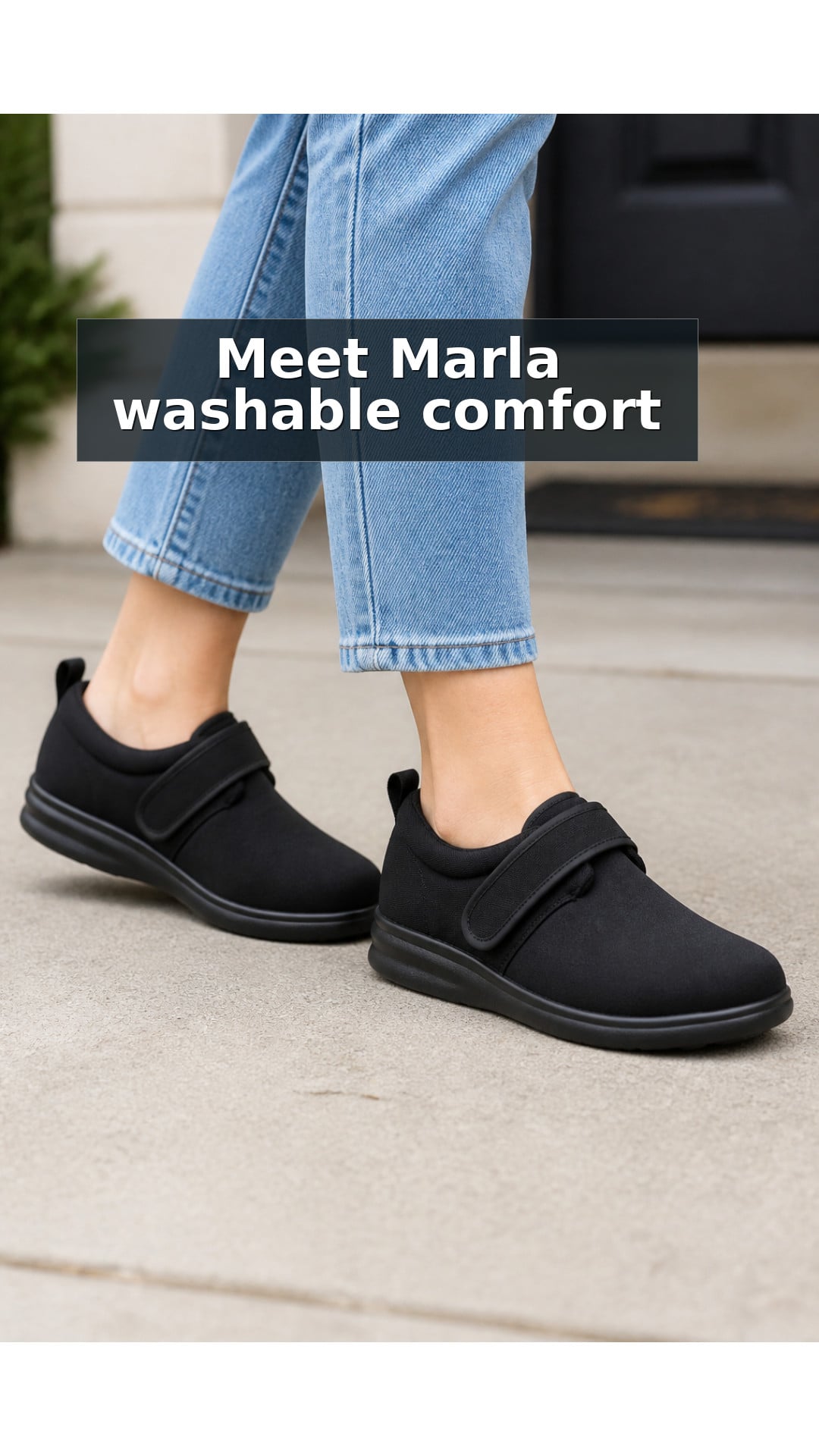
Dr. Comfort Marla Women's Washable Shoe
A true extra-wide comparison point with double depth and room for internal braces or AFOs.

Orthofeet Graphite Hands-Free Cushioning & Arch Support Men's Work Boots
A work-boot option with Extra Wide width availability and a wide toe box.

Easy Spirit Clarice Cushioned Arch Support Mary Jane Women's Dress Shoe
A dress-style option with an Extra Wide width choice, a round toe, and an adjustable hook-and-loop strap.
How to choose the right extra-wide shoe
- Measure both feet at the end of the day and fit to the larger foot.
- Decide whether you want extra width only, or extra width plus extra depth for inserts.
- Check whether the toe box is rounded enough for your toes to spread naturally.
- Choose a closure that lets you tighten the shoe without putting pressure on the top of the foot.
- If orthotics are part of the fit, compare the shoe with the insert in mind, not just on its own.
- Walk around in the shoe and pay attention to pressure points, heel hold, and forefoot room.
Common mistakes
- Choosing a longer size instead of a true extra-wide width.
- Ignoring depth when the shoe also needs to fit an orthotic or thick insole.
- Forgetting to check the closure type, especially if swelling changes during the day.
- Focusing only on style and not on toe-box room or width labeling.
- Comparing fit while seated instead of standing and walking.
FAQ
What does extra wide mean in shoes?
Extra wide means the shoe is built with more room across the width of the foot, usually through the forefoot and toe box. That extra room can reduce side pressure, rubbing, and that cramped feeling that often shows up when the upper is too close over the toes or the midfoot.
Should I size up in length instead of choosing extra wide?
Usually not, if the length is already close. A longer shoe may add unwanted space at the front and can let the heel slip. A true extra-wide width is usually the cleaner choice because it keeps the foot positioned more naturally and gives room where the squeeze actually happens.
What is the difference between wide and extra wide?
Wide gives more room than standard, while extra wide provides still more space across the forefoot and sometimes the midfoot. The better choice depends on how much side pressure you feel, how the upper closes over the instep, and whether the toe box still feels crowded after you adjust the closure.
When does extra depth help too?
Extra depth helps when the shoe fits in width but feels shallow on top of the foot. It is especially useful if a removable footbed, orthotic, or thicker insole takes up interior space. More depth can also make the upper close more comfortably without pressing into the top of the foot.
Which features matter most for a polished look?
For a more polished look, focus on a roomy toe box, a clean upper, and an adjustable closure that disappears visually when tightened. The Casual/Dress collection is a useful place to compare those features together because it includes styles that are meant to look refined while still leaving space for a better fit.
How can I measure whether I need extra wide?
Measure both feet standing later in the day, then compare the width and the way current shoes feel at the forefoot. If the sides feel tight, the upper creases across the toes, or laces and straps still feel strained, an extra-wide option is worth comparing before you settle for a longer size.
Where should I start if I also wear orthotics?
Start with the Walking collection or with product pages that mention removable insoles or footbeds. Then compare how much internal room remains once the insert is in place. That makes it easier to judge whether the shoe still closes securely and feels comfortable around the top of the foot.
Related guides
- Wide Walking Shoes — useful if you want to compare width-first walking fit.
- Shoes for Bunions — helpful when extra width is needed to reduce forefoot pressure.
- Shoes That Accommodate Custom Orthotics — a good match if you need extra width and insert room together.
- Shoes for Flat Feet — useful if you also want a steadier base and gentle arch contour.
- How to Measure Your Foot Width at Home — a step-by-step measuring guide before you compare widths.
Editorial note
Orthotic Shop focuses on fit information and product comparison, not diagnosis. For persistent pain, numbness, open wounds, sudden swelling or color changes, diabetes-related foot concerns, or uncertainty about width or depth, speak with a qualified healthcare professional.
Style and product inspiration
Swipe through comfort footwear highlights and shop each featured style.