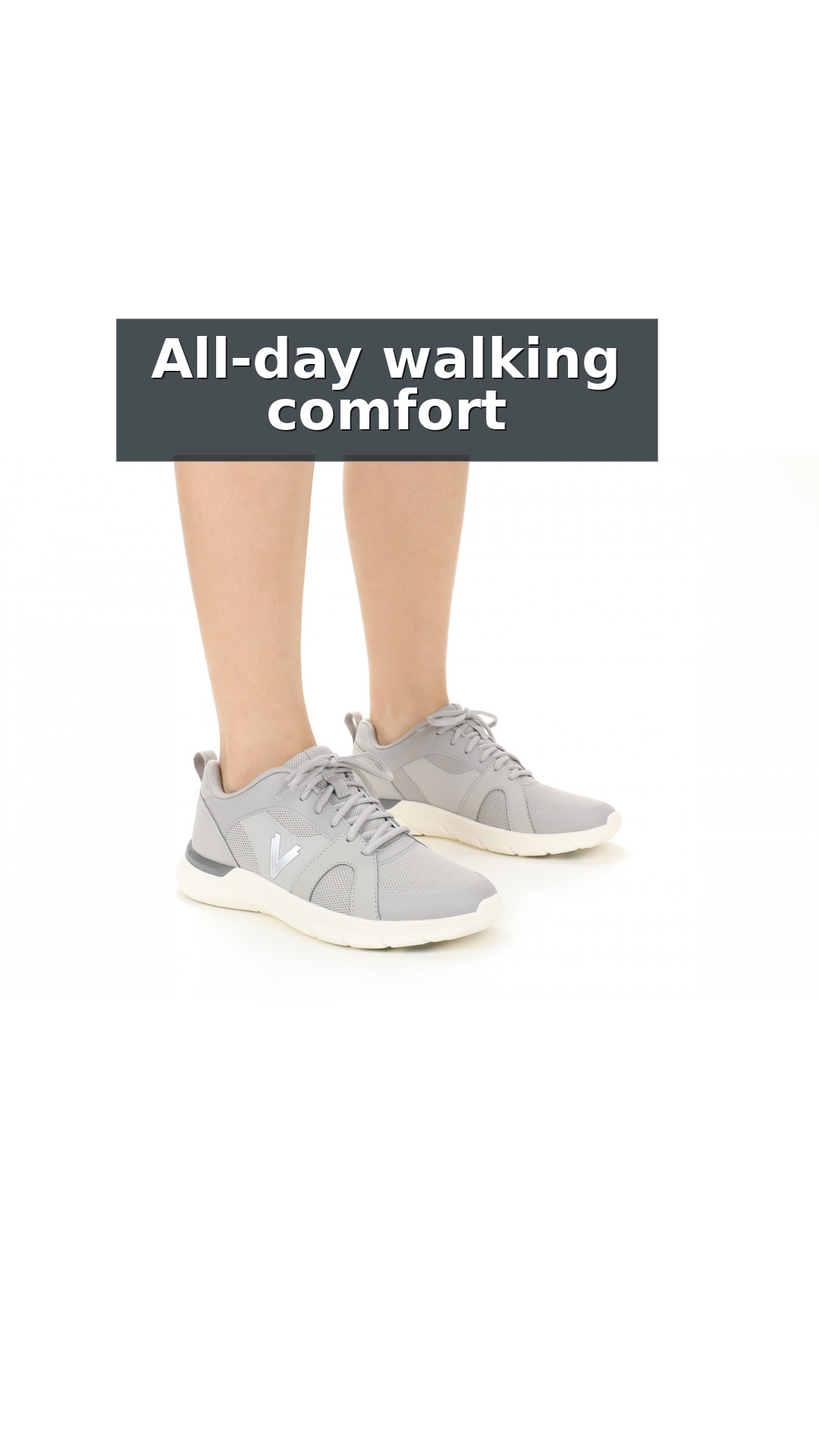
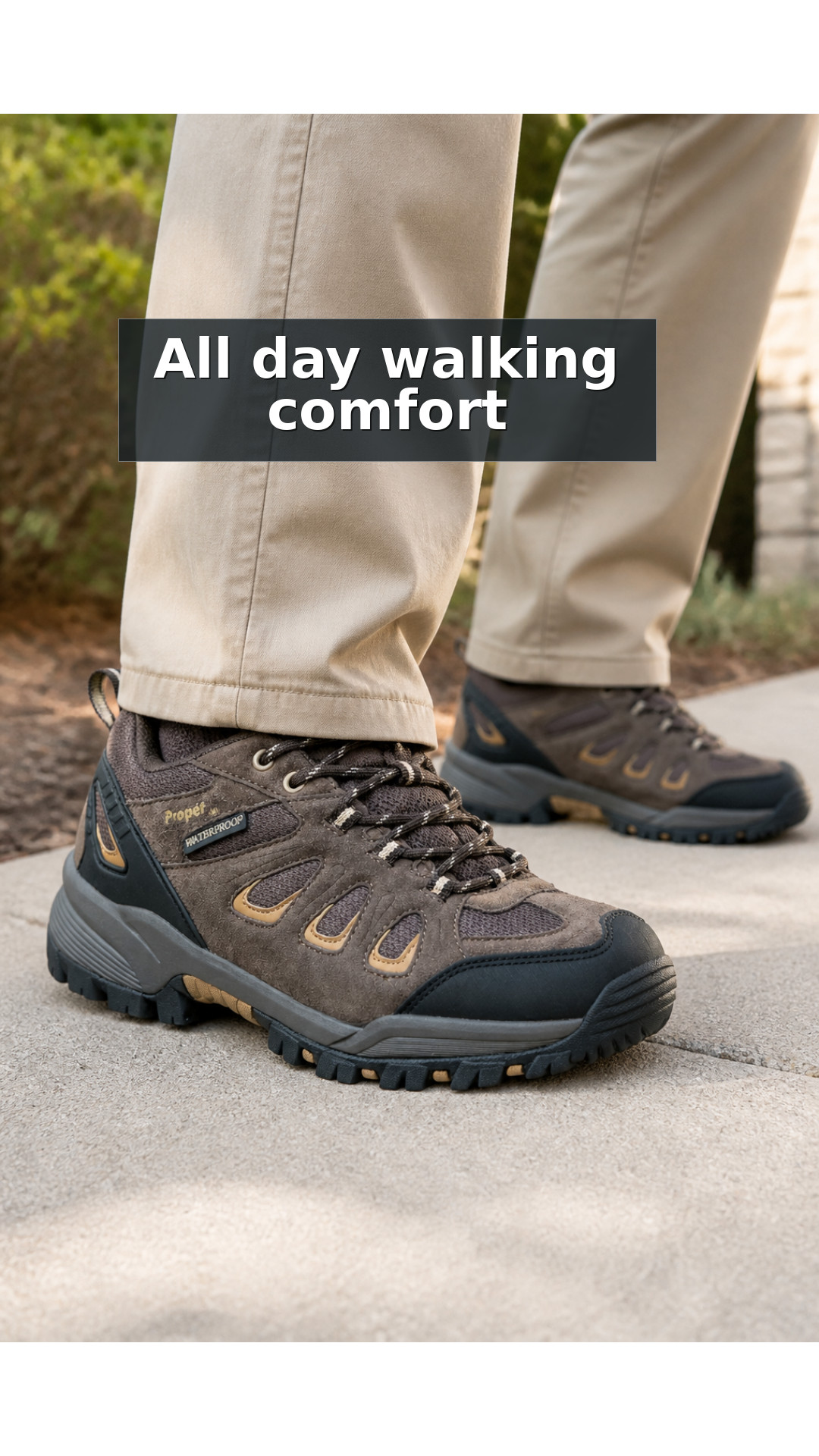
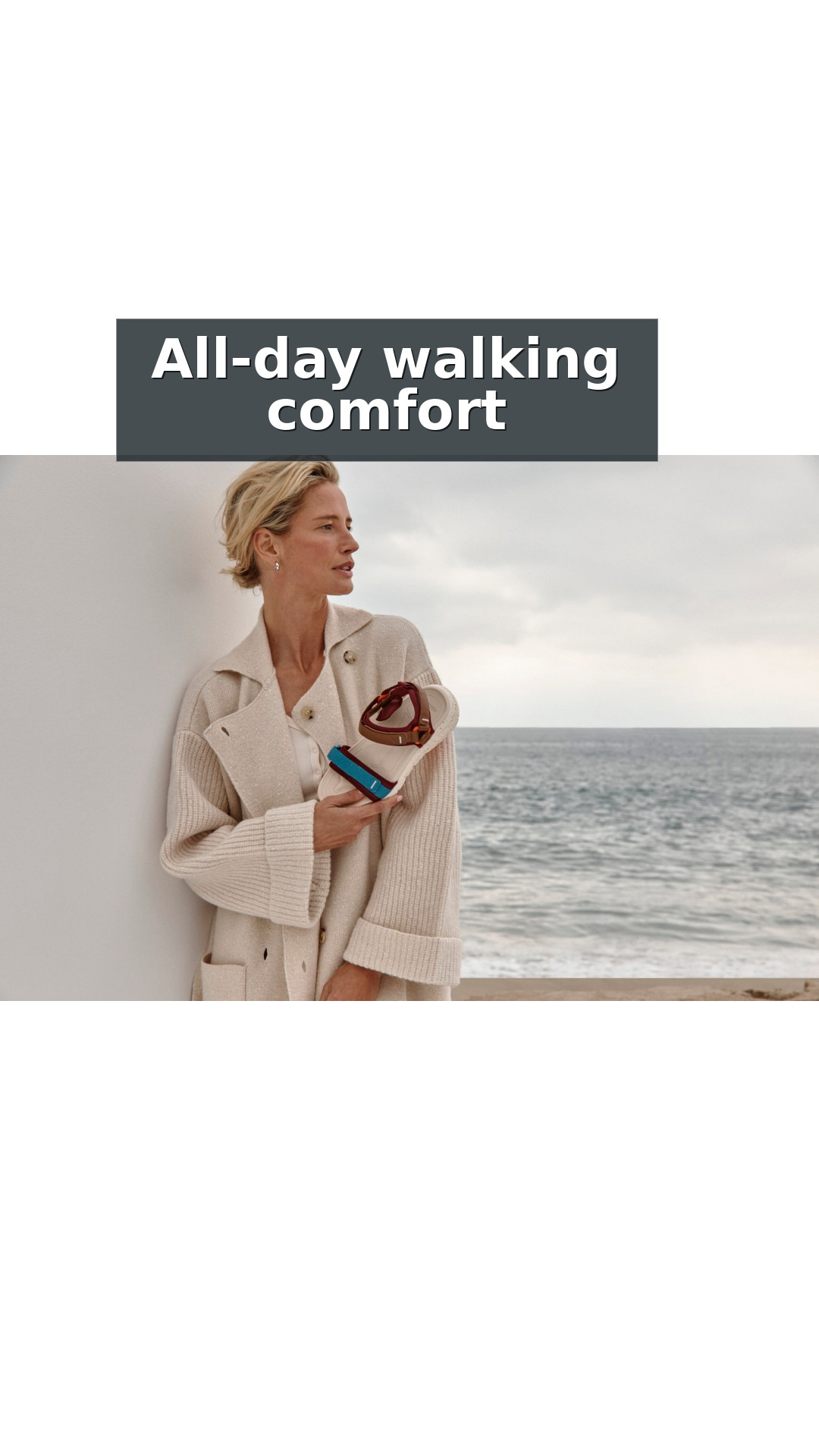
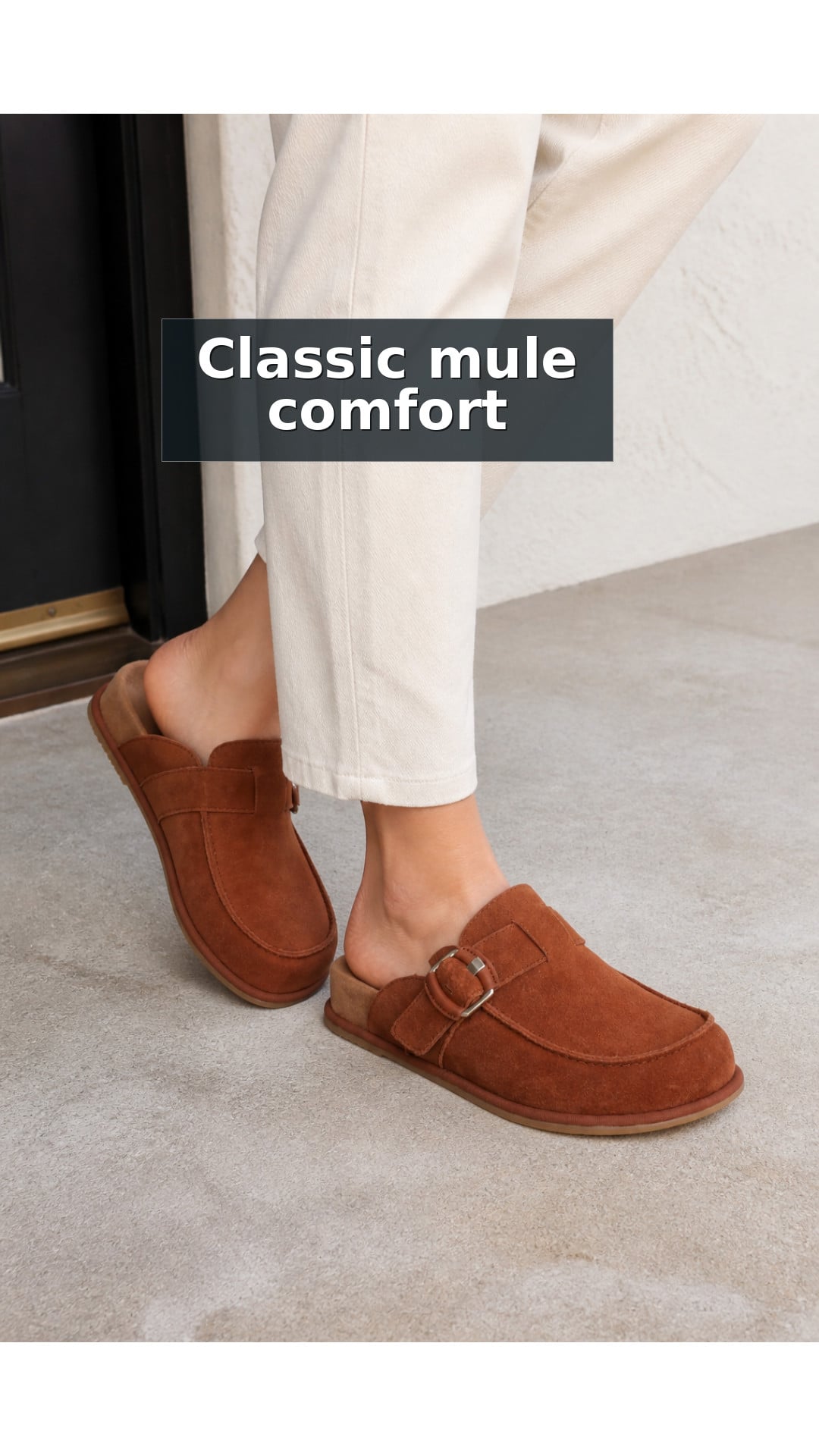
 Classic mule comfort
Shoes for Bunions
Orthotic Shop’s Shoes for Bunions page helps adults compare shoes that leave more room across the forefoot without giving up a stable everyday feel. Good starting points are styles with a wide toe box, extra depth, adjustable closures, and width options that let the shoe match the foot instead of forcing the foot to adapt. The verified collections and product examples below show those fit cues in Xelero, walking, casual/dress, and therapeutic footwear.
Quick recommendation summary
- Start with a roomy toe box and choose width before adding length.
- Look for extra depth if the upper sits low over the forefoot or if you use inserts.
- Use adjustable closures and width options to fine-tune comfort through the day.
- If you want a more fit-driven athletic option, Xelero is a useful place to compare.
Understanding what bunion-friendly fit means
A bunion-friendly shoe gives the big-toe side of the forefoot more room, reduces rubbing, and avoids a narrow or pointed front shape. In practical terms, that usually means enough toe-box space, a stable base, and a closure system that can be adjusted rather than forced. Orthotic Shop’s collections and product pages make those fit cues easier to compare side by side.
Features to consider
| Feature | Why it matters for bunions | Where Orthotic Shop shows it |
|---|---|---|
| Wide toe box | Leaves more room at the forefoot and reduces crowding near the bunion. | Xelero, Women’s Casual/Dress, Diabetic and Therapeutic Footwear for Neuropathy |
| Extra depth | Helps the upper sit over the foot without pressing down on sensitive areas. | Men’s Walking, Women’s Casual/Dress, Diabetic and Therapeutic Footwear for Neuropathy |
| Adjustable closures | Lets you tune fit across the instep and forefoot as foot volume changes. | Men’s Walking, Diabetic and Therapeutic Footwear for Neuropathy, Orthofeet Celina Women’s Mary Jane |
| Multiple widths | Helps you choose width directly instead of sizing up in length. | Xelero, Men’s Walking, Women’s Casual/Dress |
| Removable insoles or custom-fit volume | Makes room for inserts when the shoe needs a little more internal space. | Xelero, Men’s Walking, Women’s Casual/Dress, Diabetic and Therapeutic Footwear for Neuropathy |
Verified collections to browse
Xelero
Xelero is a fit-focused option to compare in this set. The collection description says a removable two-layer Custom Fit System can personalize volume and accommodate bunions or swelling, and it also lists Wide and XX-Wide options.
Men’s Walking
This collection focuses on supportive walking shoes with extra depth, removable insoles, and a wide range of widths. It is a practical place to compare everyday shoes when you want room without losing a steady feel.
Women’s Casual/Dress
The Casual/Dress collection highlights supportive everyday styles with extra depth, removable insoles, roomy toe boxes, adjustable closures, and multiple widths. It is useful when you prefer a more polished look but still want a forgiving front shape.
Diabetic and Therapeutic Footwear for Neuropathy
This collection emphasizes a deep, wide last, roomy toe box, adjustable closures, stable soles, and removable insoles. Those fit cues are helpful when bunion comfort depends on more interior space and a secure feel.
Featured products to consider
These current Orthotic Shop products provide practical starting points for comparing shoe fit, insert length, support structure, and available interior space. Product fit and comfort vary by person.

Xelero Steadfast Hiker Lo Supportive Comfort & Stability Men's Boot
Xelero boot with extra depth, medium and extra-wide widths, and a controlled rocker-style platform for roomier forefoot fit.

Xelero Steadfast Hiker Hi Men's Boot
Xelero boot with extra depth, a wide base, a roomy toe box, and medium or extra-wide widths for more front-of-foot space.

Orthofeet Celina Women's Mary Jane
Roomy Mary Jane with a wide toe box, four widths, and an adjustable strap for a more forgiving dress-casual fit.

Orthofeet Porto Comfort Arch Support Men's Casual
Casual shoe with a wide toe box, padded interior, and mild rocker design for a more forgiving front shape.
How to choose the right pair
- Begin with the front shape. If the toe area looks pointed or narrow, move on.
- Choose width before length. If regular widths feel tight, compare wide or extra-wide options first.
- Check whether the shoe has extra depth or a removable insole if more internal space is preferred.
- Use adjustable closures to fine-tune fit across the day, especially when foot volume changes.
- Walk in the shoes on a hard surface and pay attention to pressure over the bunion area, heel slip, and toe space.
Common mistakes to avoid
- Buying a pointed or tapered toe box and hoping it will stretch enough.
- Sizing up in length instead of choosing a wider or deeper shoe.
- Ignoring removable insoles when the shoe feels shallow.
- Choosing a closure that cannot be adjusted when foot volume changes during the day.
- Testing fit while seated only and not checking pressure while walking.
FAQs
What shoe shape is usually easiest on bunions?
A shoe with a roomy toe box and a front shape that does not pinch across the forefoot is usually the most practical starting point. Rounded or more anatomical fronts tend to feel easier than tapered ones because they give the big-toe area more space. Adjustable closures and width choices can make the fit feel more predictable through the day.
Should I size up to make room for a bunion?
Width and depth usually solve the fit problem better than extra length. Sizing up can leave the heel loose, create rubbing, and make the shoe feel less steady. If a shoe is only a little snug, compare a wide option first; if the forefoot still feels crowded, move to extra-wide or a deeper style instead of adding length.
Is extra depth useful if I do not wear orthotics?
Yes. Extra depth can still help when the upper sits low over the forefoot or when the bunion area feels crowded. The added internal room gives the top of the shoe more space above the foot, which can reduce rubbing and pressure. It can also help if you prefer thicker socks or want a bit more interior volume for comfort.
Why does Xelero belong on a bunion page?
Xelero’s collection description specifically says the Custom Fit System can personalize volume and accommodate bunions or swelling, and it lists Wide and XX-Wide widths. That makes it a useful brand to compare when volume, width, and adjustability are the main issues. The Steadfast Hiker styles also add extra depth and roomy forefoot options.
Can dress shoes work for bunions?
Yes, if the toe box is roomy and the fit is adjustable. A dress style with more depth and a softer front shape is usually easier to wear than a narrow, pointed shoe. The Mary Jane example on this page shows how a more polished style can still offer a forgiving fit with a wide toe box and an adjustable strap.
How do I decide between wide and extra-wide?
If a standard width feels just a little tight, wide may be enough. If the forefoot still feels crowded, or if you want the most room in the front of the shoe, extra-wide is the next step to compare. A suitable choice should reduce pressure without creating heel slip or making the shoe feel unstable.
What if one foot is more sensitive than the other?
Fit to the larger or more sensitive foot and use the shoe’s adjustability to fine-tune the other side. That usually means comparing width, depth, and closure tension together instead of focusing on length alone. Orthotic Shop’s width- and depth-focused collections make that easier to compare, especially when the feet are not identical.
When should I get help beyond shopping guidance?
Persistent pain, numbness, open wounds, sudden redness or swelling, diabetes-related foot concerns, or uncertainty about fit direction are all reasons to speak with a qualified healthcare professional. Shopping guidance can help with selection, but it cannot replace a professional evaluation when symptoms are ongoing or changing.
Related guides
- Bunion shopping guide — a broader fit guide for wide toe box comfort picks.
- How to Measure Your Foot Width at Home — helpful before choosing between wide and extra-wide.
- Wide vs Extra Wide Shoes: What’s the Difference? — a clear width comparison for fit decisions.
- Diabetic shoes fit guide — useful if you also need a deeper, roomier fit.
- Shoes for Plantar Fasciitis — useful when you want stable heel support alongside more interior room.
Editorial note
This page is general shopping information only. It is not medical advice and is not a substitute for care from a qualified clinician. Persistent pain, numbness, open wounds, sudden symptoms, or diabetes-related foot concerns should be evaluated by a healthcare professional.
Style and product inspiration
Swipe through comfort footwear highlights and shop each featured style.