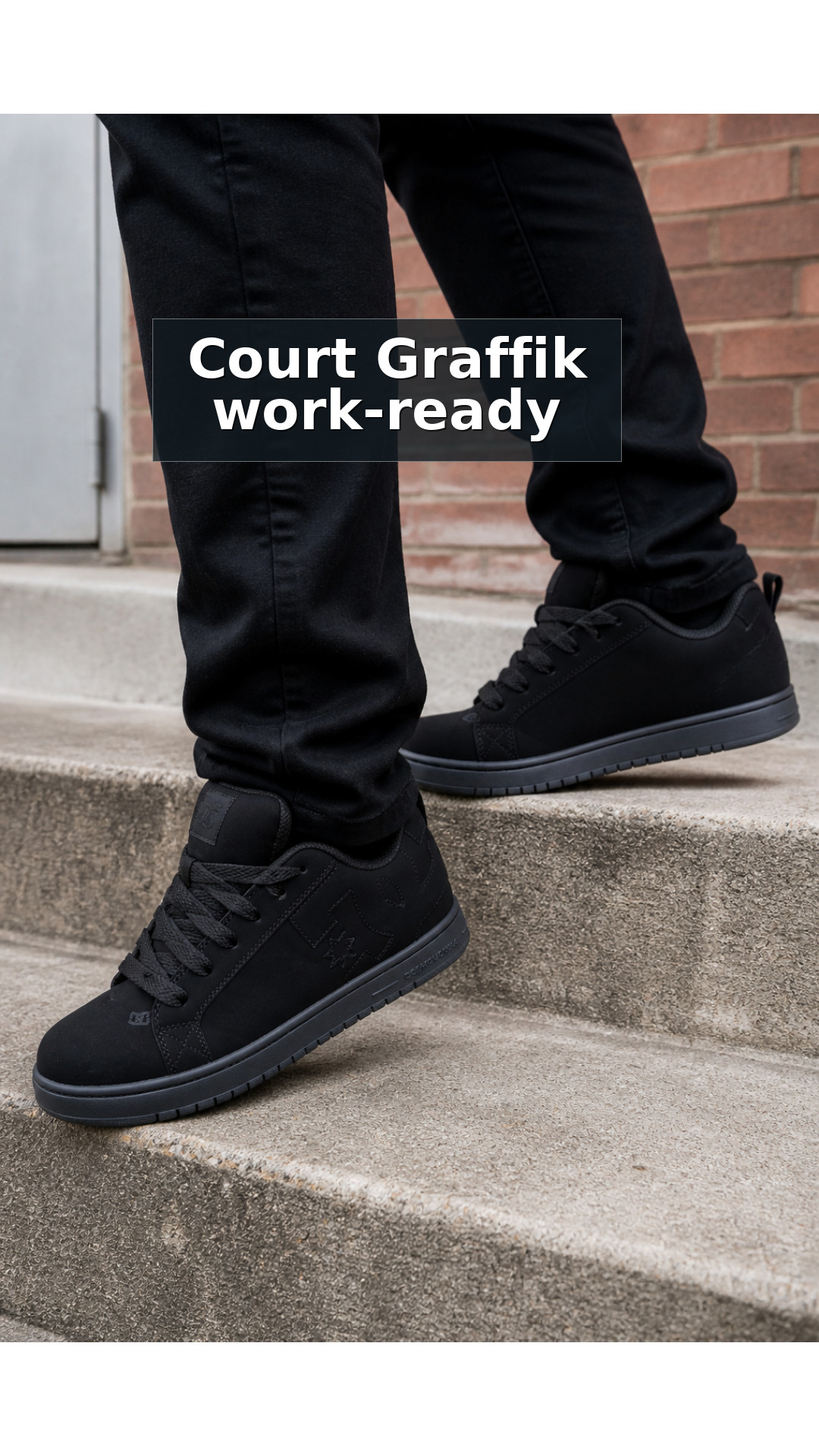
 Court Graffik work-ready
Supportive Shoes for Work
Direct answer
Supportive shoes for work are for workers who spend long hours standing, walking, or moving between different surfaces and want a shoe that feels steady from the first hour to the last. Orthotic Shop helps you compare work-ready styles by the details that matter most: cushioning, traction, width, toe room, removable insoles, and safety features when the product page states them. Use this page to narrow down work footwear for warehouses, service jobs, healthcare, retail, and other long-shift settings.
Quick recommendation summary
- Start with the demands of the job: slippery floors, hard floors, wet areas, or extra protection.
- Choose width and depth carefully if your feet feel crowded or if inserts are part of the fit.
- Look for slip-resistant traction when the floor conditions call for it.
- Check for breathable uppers, padded interiors, or waterproofing based on your shift.
- Use Orthotic Shop to compare collections and product pages side by side before you buy.
Understanding supportive work footwear
Support at work usually comes from a combination of fit and construction. A shoe can look light and athletic, but still hold up on a shift only if it has enough room for the foot, a stable base, and an upper that closes securely. For some jobs, slip resistance matters most. For others, a roomy toe box, removable insole, or extra depth is the difference between an all-day shoe and one that feels crowded after lunch. Orthotic Shop groups work collections and practical guides so you can compare those details side by side instead of guessing from style alone.
Work shoes may also need job-specific features such as safety toes, electrical-hazard protection, waterproofing, or metatarsal protection when the product page states those features. The best fit for your day is the pair that matches both the work environment and the shape of your foot.
Features to consider
| Feature | Why it matters | What to look for |
|---|---|---|
| Cushioning and support | Helps the shoe feel better through long shifts and hard-floor days. | A cushioned midsole, supportive footbed, or orthotic insole when listed. |
| Traction | Useful when your job includes slick, wet, or fast-moving floors. | Slip-resistant outsoles or grip-focused tread when the product page states it. |
| Width and depth | Helps prevent crowding, pressure, and heel slip when the fit is volume-sensitive. | Wide or extra-wide options, roomy toe boxes, or extra depth. |
| Removable or supportive insoles | Makes it easier to customize the inside of the shoe when extra room or support is needed. | Removable insoles, orthotic insoles, or footbeds described as supportive. |
| Work-specific protection | Important for job sites where toe protection, electrical-hazard protection, or water resistance matters. | Composite or steel toe, EH protection, waterproof construction, or metatarsal protection when stated. |
| Breathability or waterproofing | Helps match the shoe to the environment, especially for hot indoor shifts or wet conditions. | Breathable mesh, moisture-wicking liners, or waterproof-treated materials when listed. |
Verified collections to browse
Reebok Work
Reebok Work combines athletic cushioning and supportive footbeds with lightweight, breathable designs, slip-resistant styles, and durable construction for long shifts and duty-ready use.
Caterpillar Steel/Composite Toe Work Boots
This collection is useful when you want removable insoles, roomy toe boxes, padded collars, engineered midsole cushioning, multiple widths, and lace-up or slip-on work-boot options.
Women's Clogs
Women's clogs offer contoured footbeds, arch support, shock-absorbing soles, removable footbeds, and adjustable straps or Velcro closures for supportive slip-on comfort on long days.
Alegria
Alegria centers its comfort styles around a patented footbed and rocker outsole and is described for long workdays on your feet.
Featured products to consider
These current Orthotic Shop products provide practical starting points for comparing shoe fit, insert length, support structure, and available interior space. Product fit and comfort vary by person.

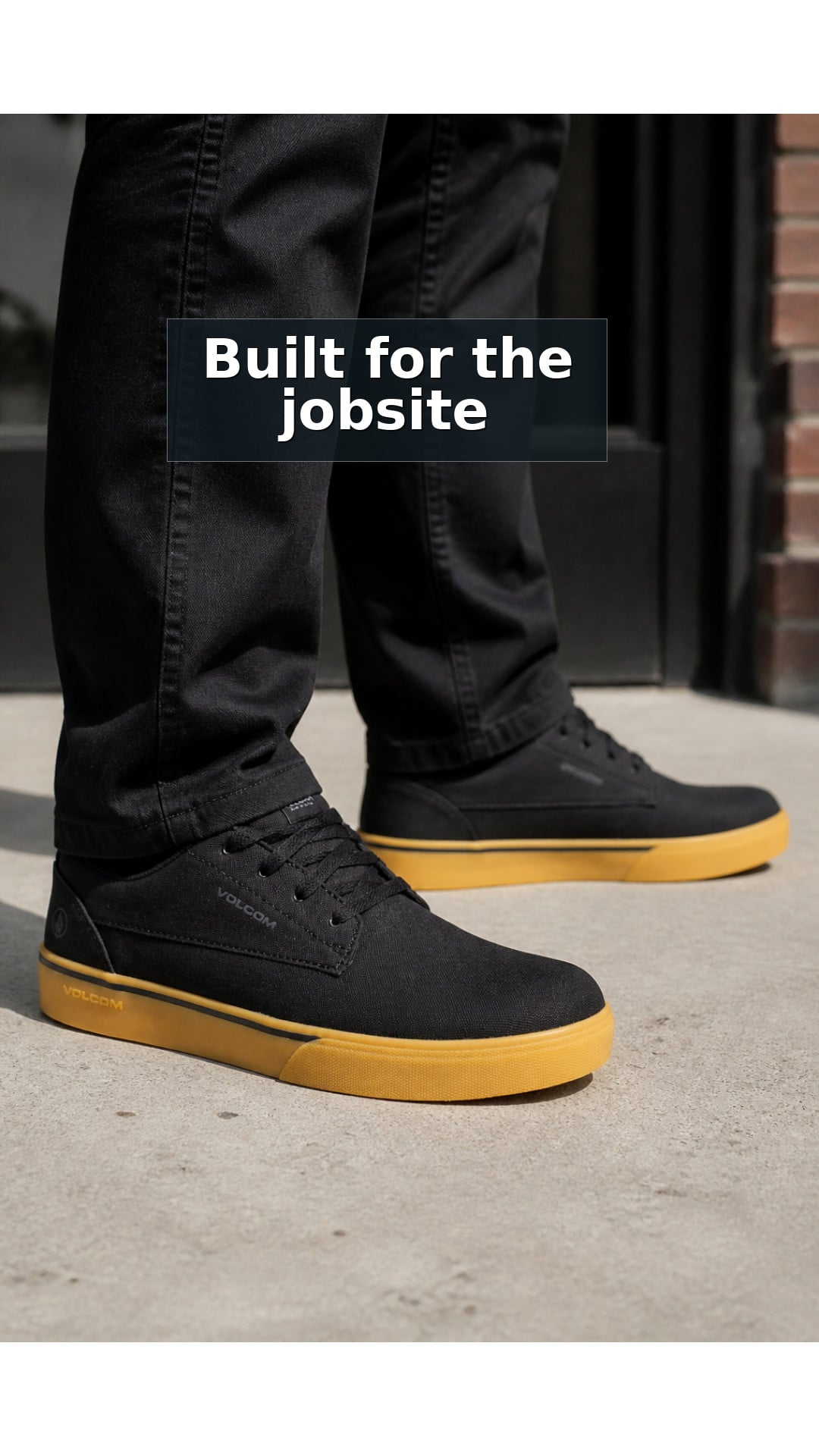
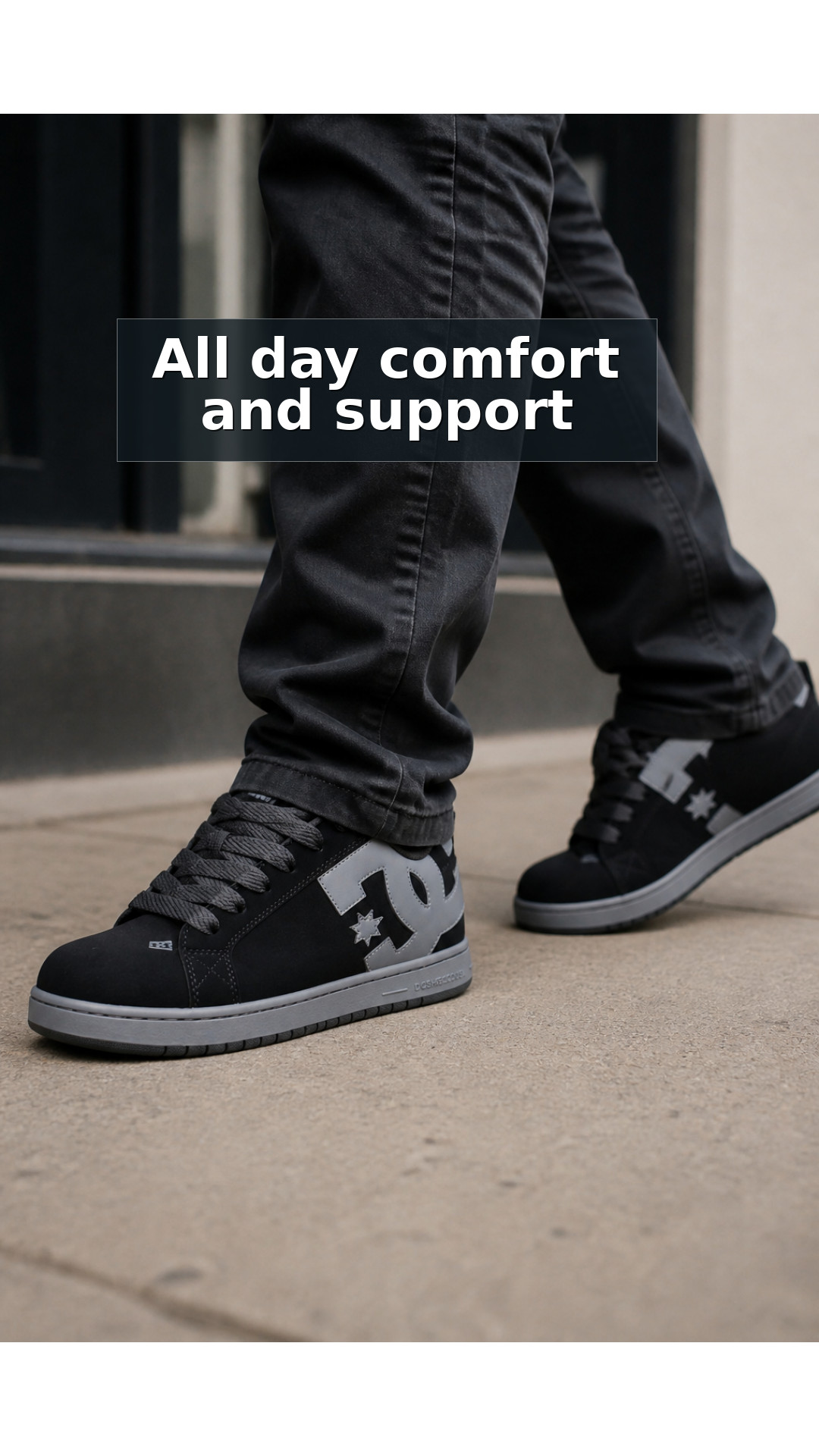
DC Work Crew Court Graffik Work Men's Composite Toe - Men's Work Shoe - Black
Breathable upper, padded collar, composite toe protection, and static dissipative construction make this a useful long-shift example.

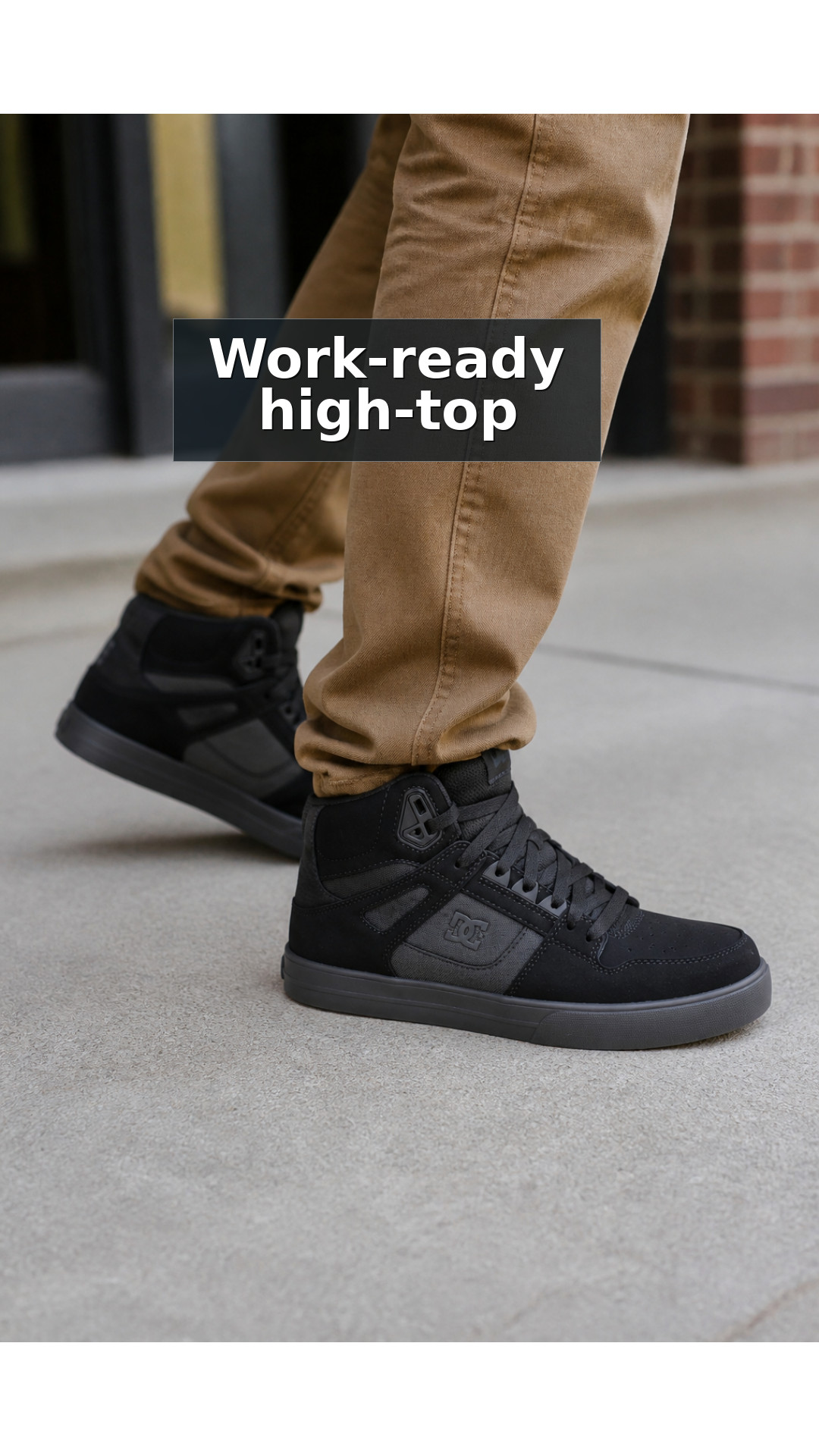
DC Work Crew Pure Work Men's Composite Toe Work High-Top - Black/Dark Gray
Extra-wide composite toe, breathable upper, electrical-hazard protection, and wrap cupsole stability suit shoppers comparing room and security.

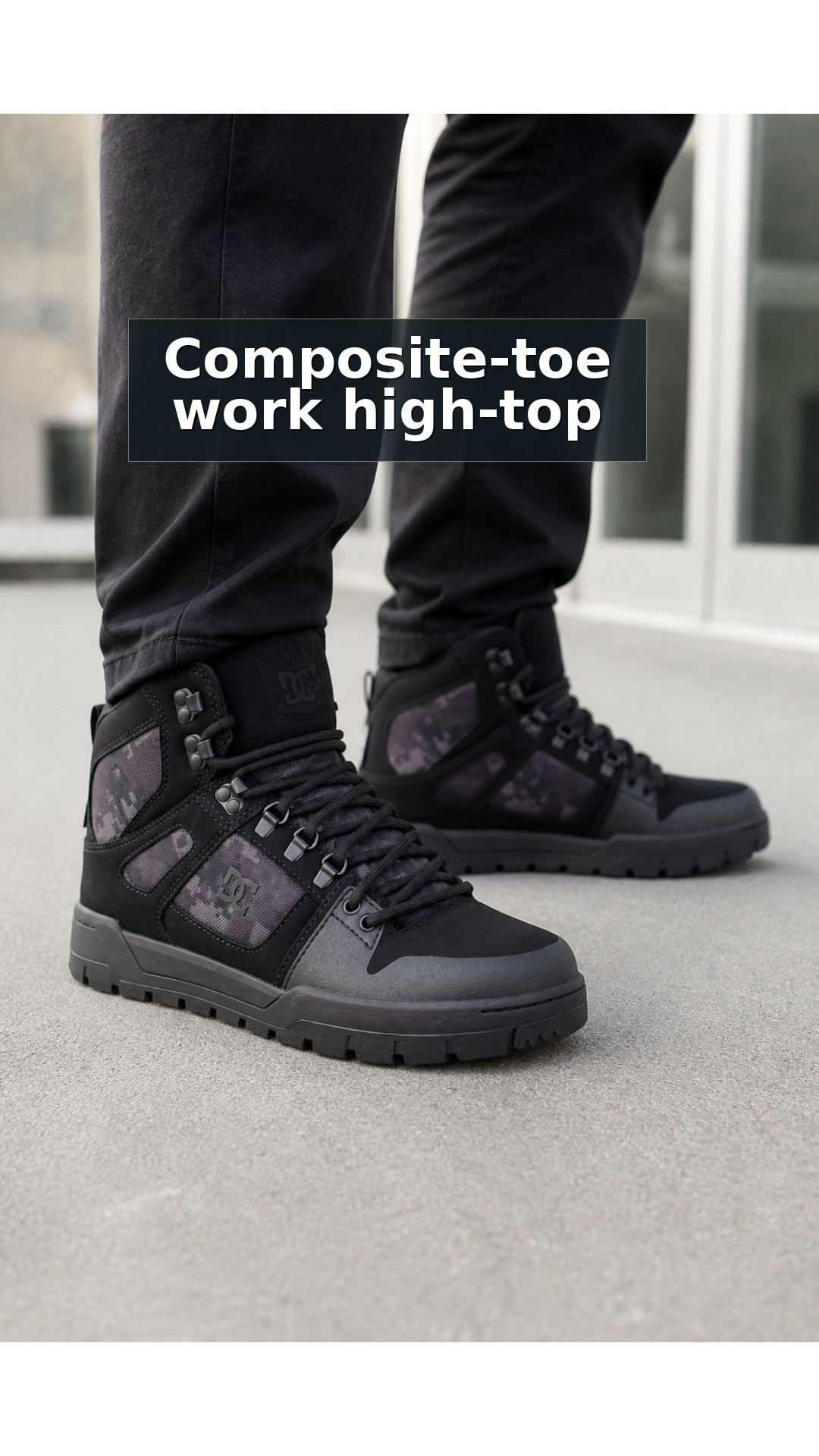
Men's Waterproof Composite Toe Work High-Top with Metatarsal Guard - DC Work Crew Pure Work
Waterproof liner, internal met guard, and extra-wide composite toe offer a more protective work-boot comparison point.

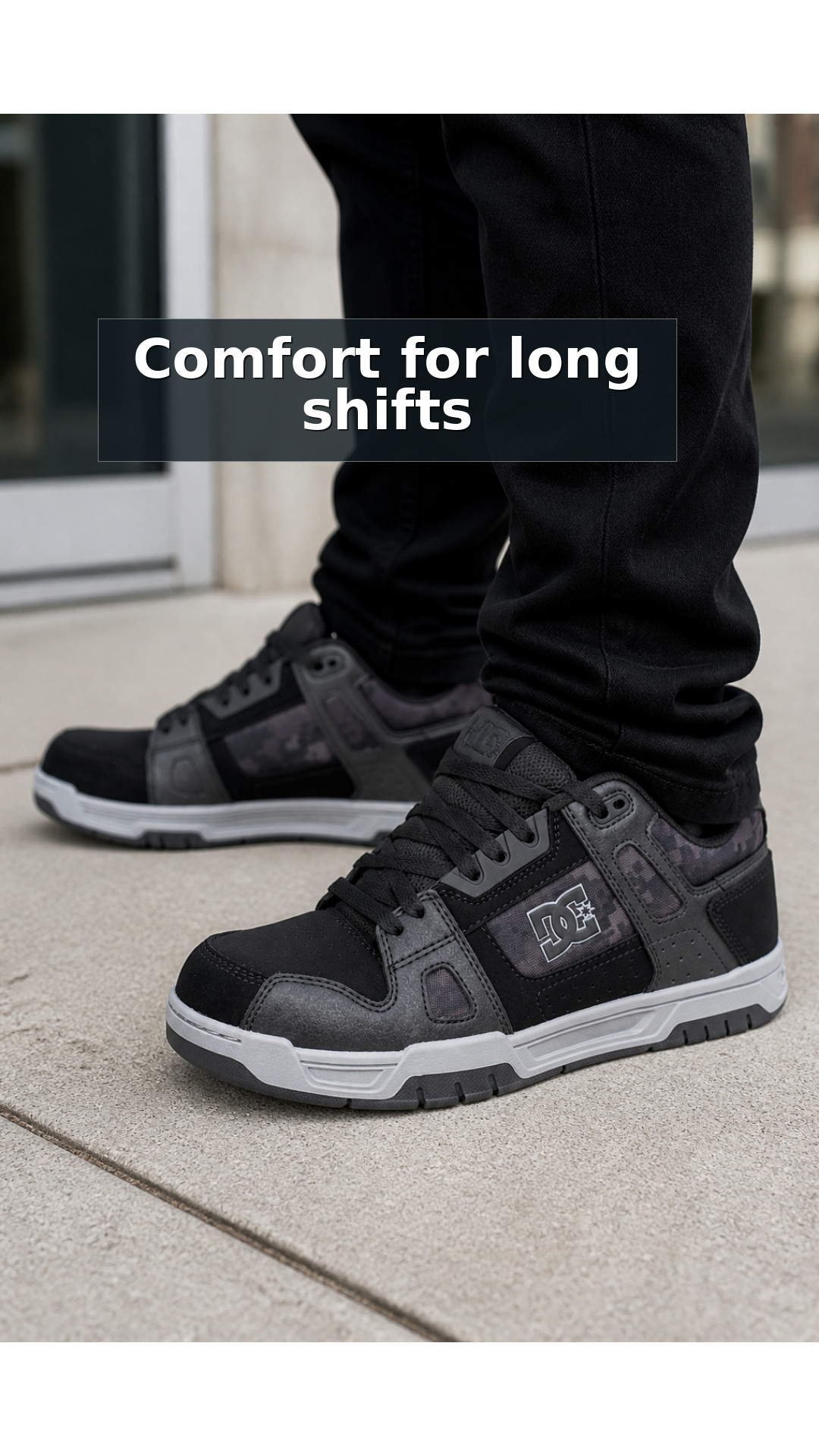
DC Work Crew Stag Work Men's Composite Toe Work Shoe - Gray/Gum
Breathable upper, extra-wide composite toe, and electrical-hazard protection provide another work-shoe comparison point.

DC Work Crew Court Graffik Work Men's Composite Toe Work Shoe - Black/Red
A breathable composite-toe work shoe with electrical-hazard protection and durable cupsole construction.

Orthofeet Granite Work Boots
Orthotic insole, wide toe box, waterproof construction, and rocker cushioning make this useful for support-focused work-boot comparison.
How to choose
- Match the shoe to the shift. Slip-resistant soles matter most on slick floors, while waterproofing and EH protection are job-site-specific.
- Start with fit, not style. If the forefoot feels crowded, compare width before adding length.
- Check depth and volume. If you use an insole or orthotic, look for removable insoles, roomy toe boxes, or extra depth.
- Look at the upper. Breathable mesh helps in warmer conditions; padded interiors and waterproof materials matter in other settings.
- Review the product page details. Safety toes, electrical-hazard protection, and met guards are not universal across work shoes.
- Keep heel hold secure. A shoe that feels roomy but slips at the heel usually needs a different width or shape.
Common mistakes
- Choosing length instead of width when the forefoot feels crowded.
- Ignoring depth when a removable insert or orthotic takes up space.
- Assuming every work shoe has the same slip resistance or safety features.
- Picking a shoe that feels soft but does not stay stable on hard floors.
- Overlooking a waterproof, EH, or met-guard requirement for the job site.
FAQs
What makes a work shoe supportive?
Supportive work shoes usually combine a steady base, enough cushioning for long shifts, and a fit that keeps the foot from sliding around. Depending on the job, that can also include slip-resistant traction, removable insoles, or a roomy toe box.
Are safety toe shoes always supportive?
Not always. A safety toe gives protection, but support still depends on the rest of the shoe: the midsole, footbed, heel hold, toe room, and overall fit. The right choice is the one that balances protection with comfort for your shift.
When should I choose extra width or extra depth?
Choose extra width when the shoe feels crowded across the forefoot or toes. Choose extra depth when the top of the foot feels pressed, or when extra space is needed for an orthotic or removable insole.
Can I use orthotics in supportive work shoes?
Many work shoes pair more easily with orthotics when they include removable insoles or extra interior volume. Checking the product page helps confirm how much room is available before you choose a pair, especially if the insert is bulky or you prefer a roomier fit.
Are clogs appropriate for long shifts?
They can be, if the fit and support are right. The Women's Clogs collection highlights contoured footbeds, arch support, shock-absorbing soles, and adjustable closures, which are useful details for long days on your feet.
Do I need slip resistance for every job?
No, but it matters whenever floors are slick, wet, or unpredictable. If your work happens in kitchens, service areas, healthcare spaces, or other high-traffic settings, slip resistance is worth checking on the product page.
How do I know if a shoe is too small for work?
Common signs include toe crowding, pressure across the top of the foot, heel slip, or the shoe feeling tight after a few hours. If that happens, compare width, depth, and closure style before you size up in length.
When should I replace work shoes?
Replace them when the support feels flat, the outsole no longer grips well, or the shoe starts feeling unstable during a normal shift. If new discomfort shows up, that is another reason to reassess the pair.
Related guides
- Guide to standing all day at work — helpful when your shift is mostly on hard floors.
- Slip-resistant work shoe guide — useful when traction is a top concern.
- Wide vs extra wide size guide — helpful if the forefoot feels crowded.
- Adjustable fit guide — useful when closures and instep fit matter.
- Flat feet support guide — helpful when you want more guidance underfoot.
- Plantar fasciitis support guide — useful when heel comfort is part of the search.
Editorial note
Orthotic Shop compares work shoes by fit, support, and job-specific features so you can narrow the options before you buy. This page is general information only and is not medical diagnosis or treatment advice. Persistent pain, numbness, open wounds, sudden symptoms, or diabetes-related foot concerns should be reviewed by a qualified health professional.
Style and product inspiration
Swipe through comfort footwear highlights and shop each featured style.