
Best Slip-Resistant Work Shoes: Traction and Comfort for Long Shifts
If you work on wet, slick, or fast-moving floors, the right footwear is non-negotiable. This comparison highlights the best slip resistant work shoes that balance reliable traction with the cushioning and support you need to stay fresh through double shifts. We focus on safety-adjacent utility like easy-to-clean uppers, stable platforms, and replaceable insoles, plus all-day comfort for service workers, healthcare teams, and kitchen staff.

Quick picks
- Most athletic feel: Reebok Work slip-resistant sneakers — light, grippy, and gym-shoe comfort. Shop Reebok Work
- Best comfort footbed: Vionic Pro slip-resistant styles — stable support with podiatrist-designed footbeds. Shop Vionic
- Best for wider feet and extra depth: Drew Shoes work oxfords — roomy fit, removable insoles, multiple widths. Shop Drew Shoes
How we compared
- Outsole traction: Slip-resistant rubber patterns designed for wet and oily floors. No shoe is slip-proof; conditions vary.
- All-day comfort: Cushioning that does not bottom out, stable base, and breathable uppers.
- Support: Removable insoles, arch support readiness, and motion control without feeling stiff.
- Durability and cleanability: Uppers that wipe down easily and outsoles that stand up to daily shifts.
- Fit and widths: Options for different foot shapes, including wide and extra-depth designs.
At a glance: compact comparison
| Model family | Feel | Support | Widths | Best for | Upper | Outsole traction |
|---|---|---|---|---|---|---|
| Reebok Work slip-resistant sneakers | Light, athletic | Balanced cushioning with stable heel | Standard; select wide options | Fast-paced service, back-of-house, retail | Mesh or coated leather, easy-clean picks available | Grippy rubber with fine tread for wet floors |
| Vionic Pro slip-resistant | Plush yet stable | Contoured, podiatrist-designed footbed | Medium; some wide styles | Healthcare, hospitality, front-of-house | Wipeable leather or engineered uppers | Slip-resistant rubber designed for wet areas |
| Drew Shoes work oxfords | Substantial, supportive | Deep removable insole with extra depth | Multiple widths and extra depth | Wide feet, orthotics users, steady pace roles | Durable leather | Slip-resistant rubber with broader lugs |
Top contenders: what stands out
1) Reebok Work slip-resistant sneakers
Reebok Work brings athletic-shoe DNA to the job site. Expect a lighter feel, responsive midsole foams, and outsoles engineered for traction on wet floors. Many styles include wipe-friendly overlays to handle spills and swift cleanups.
- Why it wins: Energetic feel that reduces foot fatigue during fast, stop-and-go shifts.
- Comfort: Cushioned midsoles with a stable heel geometry to help limit inward foot roll.
- Support: Removable insoles play well with arch supports and shoe insoles.
- Best for: Service workers and kitchen staff who want non slip work shoes with a sneaker feel.
Pros: Light, breathable options; easy transitions from sidewalk to stockroom; modern look.
Cons: Narrower toe boxes on some styles; mesh versions may need more frequent cleaning in kitchens.
2) Vionic Pro slip-resistant styles
Vionic is known for footbeds shaped to support natural alignment. The Pro line pairs that support with work-ready, slip-resistant rubber. Many styles are streamlined for uniforms and wipe clean quickly.
- Why it wins: Built-in arch contour helps reduce strain during long shifts without a clunky feel.
- Comfort: Plush top layers over a stable base; shock-absorbing underfoot.
- Support: Removable insoles in many models make it simple to customize cushioning.
- Best for: Healthcare teams and hospitality pros who need comfortable slip resistant shoes that look polished.
Pros: Supportive footbeds, uniform-friendly silhouettes, wipeable uppers.
Cons: Not as airy as athletic mesh; some models skew medium in width.
3) Drew Shoes work oxfords
Drew Shoes focuses on fit, depth, and stability. Their work oxfords offer slip-resistant outsoles, reinforced heel counters, and generous volume ideal for custom orthotics or high insteps.
- Why it wins: Multiple widths and extra-depth construction for roomy toe boxes and pressure relief.
- Comfort: Substantial midsole foam with softer top covers; smooth linings to reduce friction.
- Support: Dual-depth insoles and firm heel support help improve platform stability.
- Best for: Staff who prioritize stable footing and a classic leather look, including wider feet.
Pros: Wide and extra-wide options; orthotic-ready; durable leather.
Cons: Heavier than athletic styles; break-in may take a few shifts.
Key differences that matter
- Feel and pace: Reebok Work feels quickest and lightest; Vionic balances cushion and control; Drew offers the most substantial platform.
- Fit range: Drew leads for multiple widths and depth. Reebok Work offers select wides. Vionic tends toward medium with some wide options.
- Look and policy fit: Vionic and Drew lean uniform-friendly; Reebok Work looks sportier.
- Care and cleanability: Coated leather or engineered uppers wipe down faster than open mesh in heavy splash zones.
Use-case matrix by job type
| Job type | Top pick | Why |
|---|---|---|
| Healthcare workers | Vionic Pro | Supportive footbeds for long corridors, uniform-friendly look, wipeable uppers |
| Kitchen staff | Reebok Work | Grippy rubber for wet areas, agile feel for quick movement, easy-clean options |
| Hospitality and front-of-house | Vionic Pro or Drew Shoes | Polished profiles with stable support for greeting, serving, and standing |
| Retail and stockroom | Reebok Work | Lightweight comfort for walking, bending, and restocking |
| Wide feet or custom orthotics | Drew Shoes | Extra depth and multiple widths to accommodate inserts and toe splay |
Buying tips: get traction and comfort right
- Outsole pattern and rubber: Look for slip-resistant rubber with fine siping or channels to help move water away. Traction varies by surface; always use caution.
- Stable base: A slightly wider heel and torsional stability help reduce fatigue and wobbly steps.
- Removable insole: Lets you upgrade cushioning with arch supports and insoles as needed.
- Width and depth: If you have bunions, high insteps, or swelling, choose brands offering wide or extra depth like Drew.
- Upper material: For splash zones, pick coated leather or engineered uppers that wipe clean. For dryer roles, breathable mesh boosts airflow.
- Toe protection: Some roles benefit from reinforced or composite toes; match to your workplace policy.
- Break-in plan: Rotate pairs and increase shift time gradually the first week to help your feet adapt.
FAQs
Are slip-resistant shoes comfortable enough for long shifts?
Yes, when they pair traction with the right support. Look for cushioned yet stable midsoles, a supportive insole, and a shape that matches your foot. Removable insoles make it easy to fine-tune comfort, and rotating pairs can help reduce day-to-day fatigue. If you stand in one spot for hours, see our guide to the best shoes for standing all day.
How often should work shoes be replaced?
Most full-time workers replace shoes every 6 to 12 months, sooner if tread wears smooth or midsoles feel flat. Inspect the outsole lugs and your insole cushioning monthly. Heavy kitchen use and daily mopping can accelerate wear.
Soft landing: where to shop
Ready to upgrade traction and comfort for your next shift?
- Shop slip-resistant shoes for grippy outsoles designed for wet and oily floors.
- Browse work footwear to compare athletic, clog, and oxford profiles.
- Nurses and clinical staff: explore our focused picks in the best shoes for nurses.
You can also consider supportive casual options from Vionic and performance-minded pairs from Reebok Work, then customize cushioning with orthotic insoles as needed.
Final verdict
For fast-paced roles and a gym-shoe feel, Reebok Work delivers lively cushioning and reliable slip-resistant tread. If you want built-in arch contour and a streamlined look, Vionic Pro is a strong all-rounder for long shifts. Need width and depth for custom orthotics or extra toe room? Drew Shoes leads for fit flexibility and stable support. Whichever you choose, remember that traction is surface-dependent and no shoe is slip-proof. Match your pick to your workplace, keep outsoles clean, and replace worn pairs promptly. Your feet, and your shift, will feel the difference.
Products to compare
These are shopping examples, not a ranking or medical recommendation. Features and fit vary by model. Listed options and prices can vary by size and stock; check each product's current details.


Style and product inspiration
Swipe through this Shop Grid.
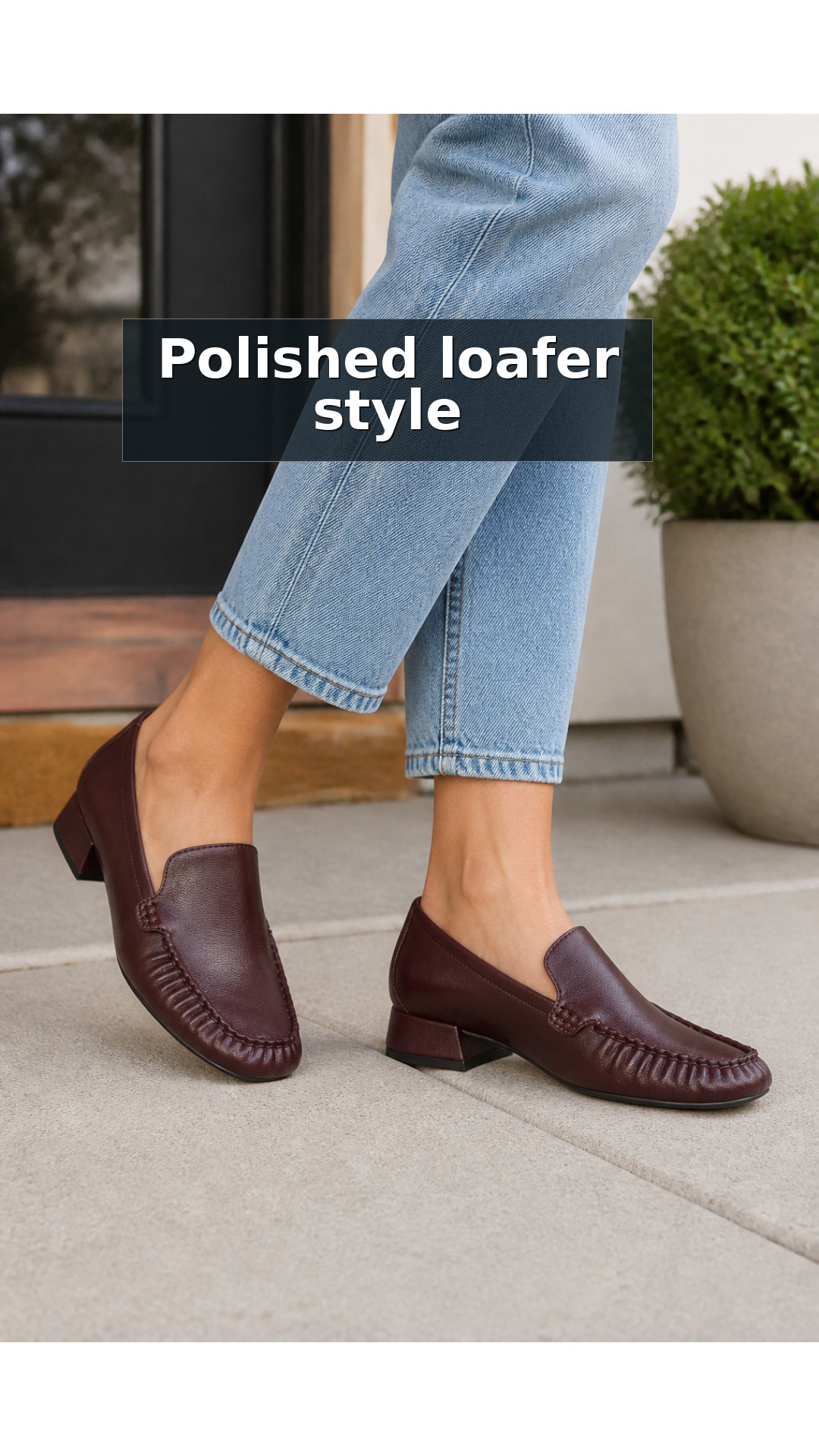
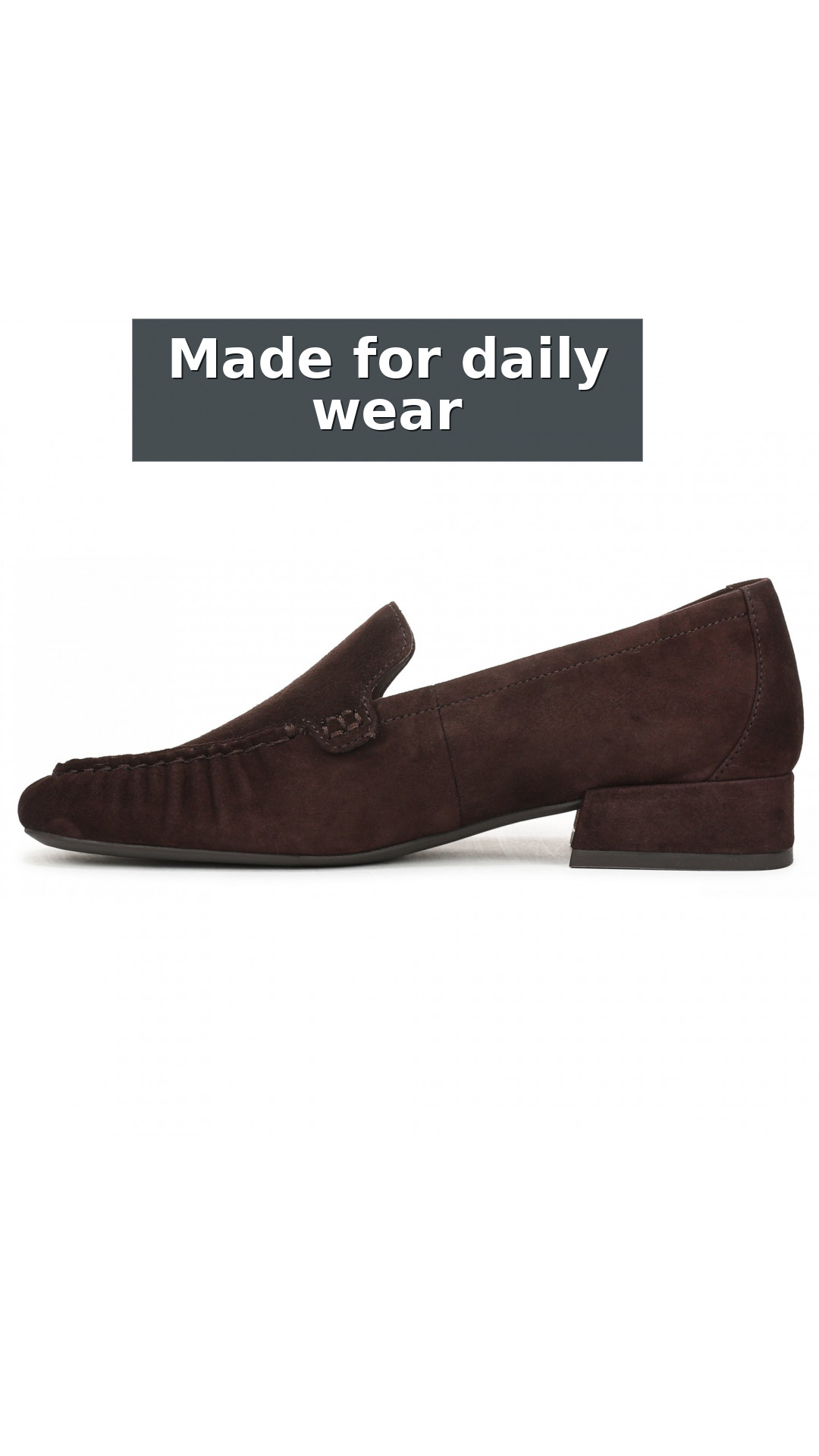
Polished loafer style
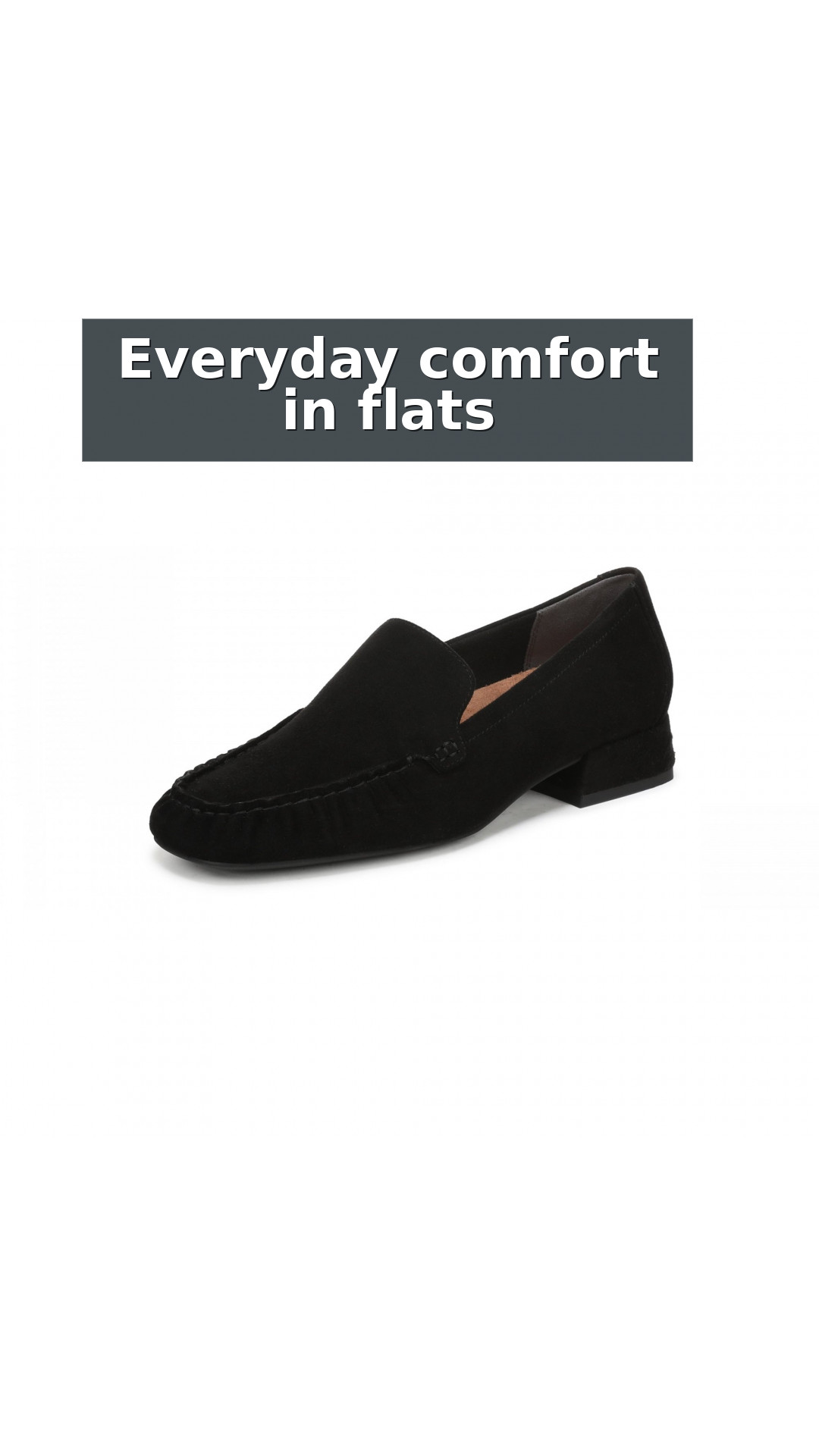
Everyday comfort in flats
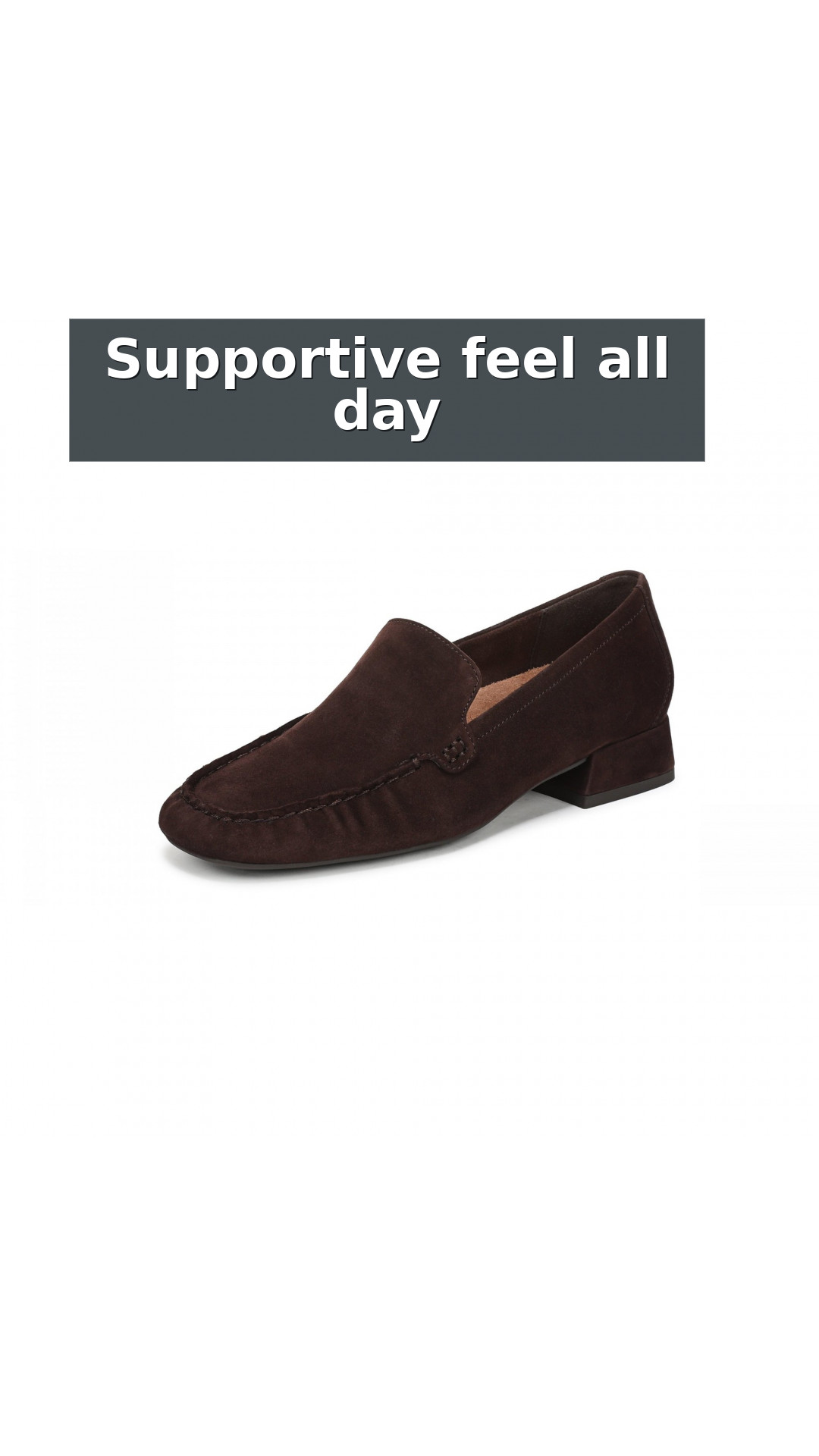
Supportive feel all day
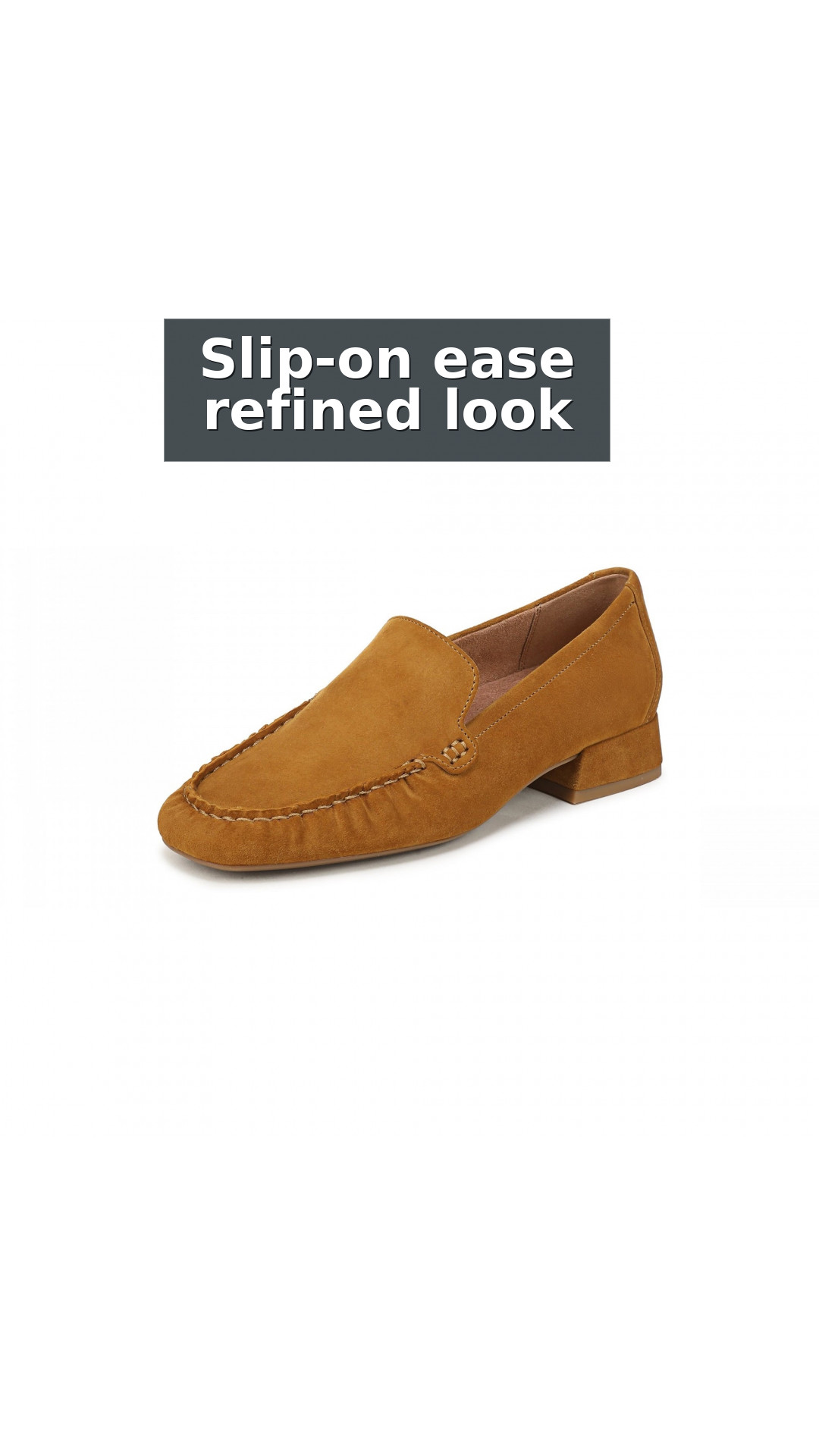
Slip-on ease refined look
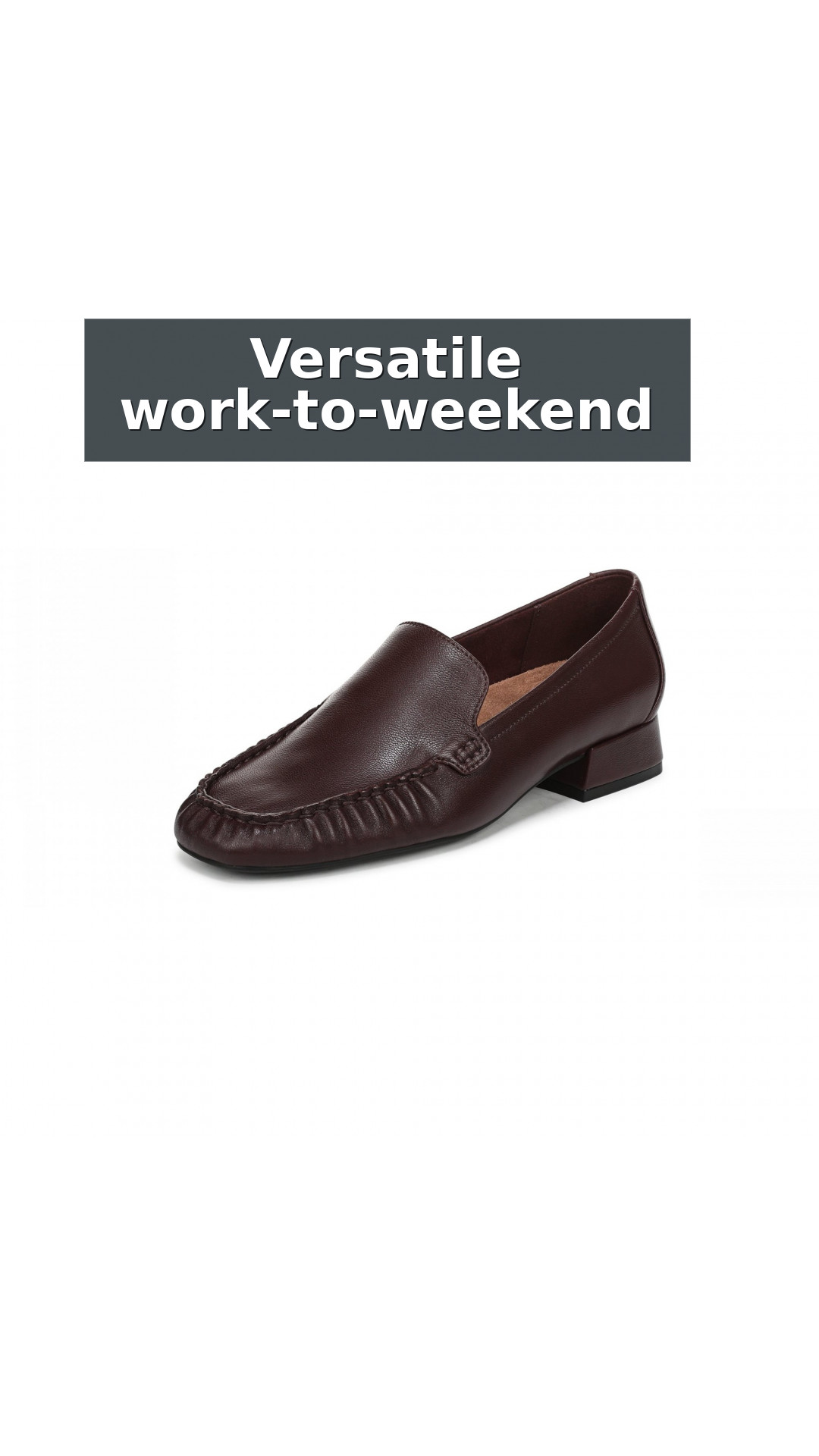
Versatile work-to-weekend wear
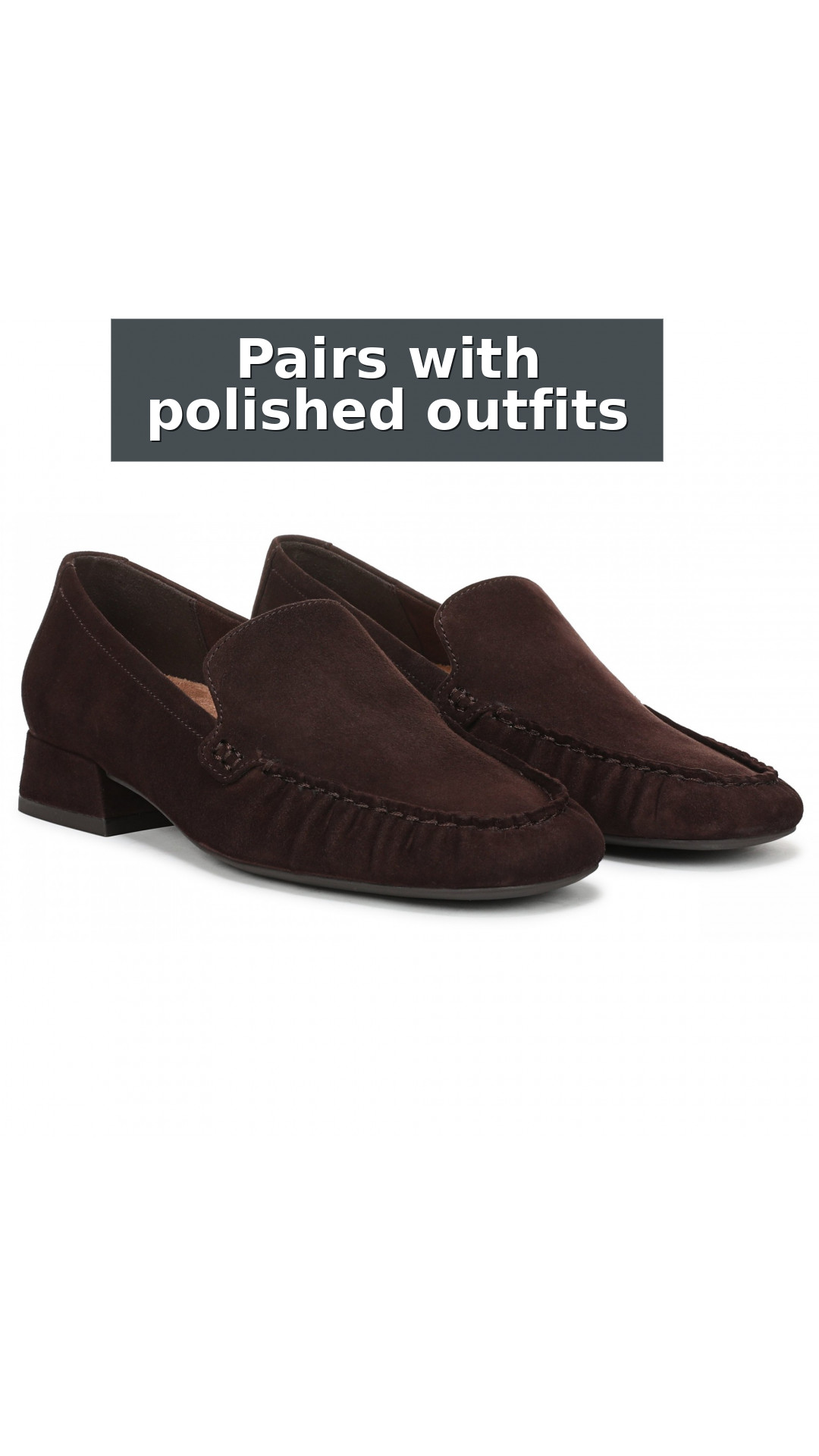
Pairs with polished outfits
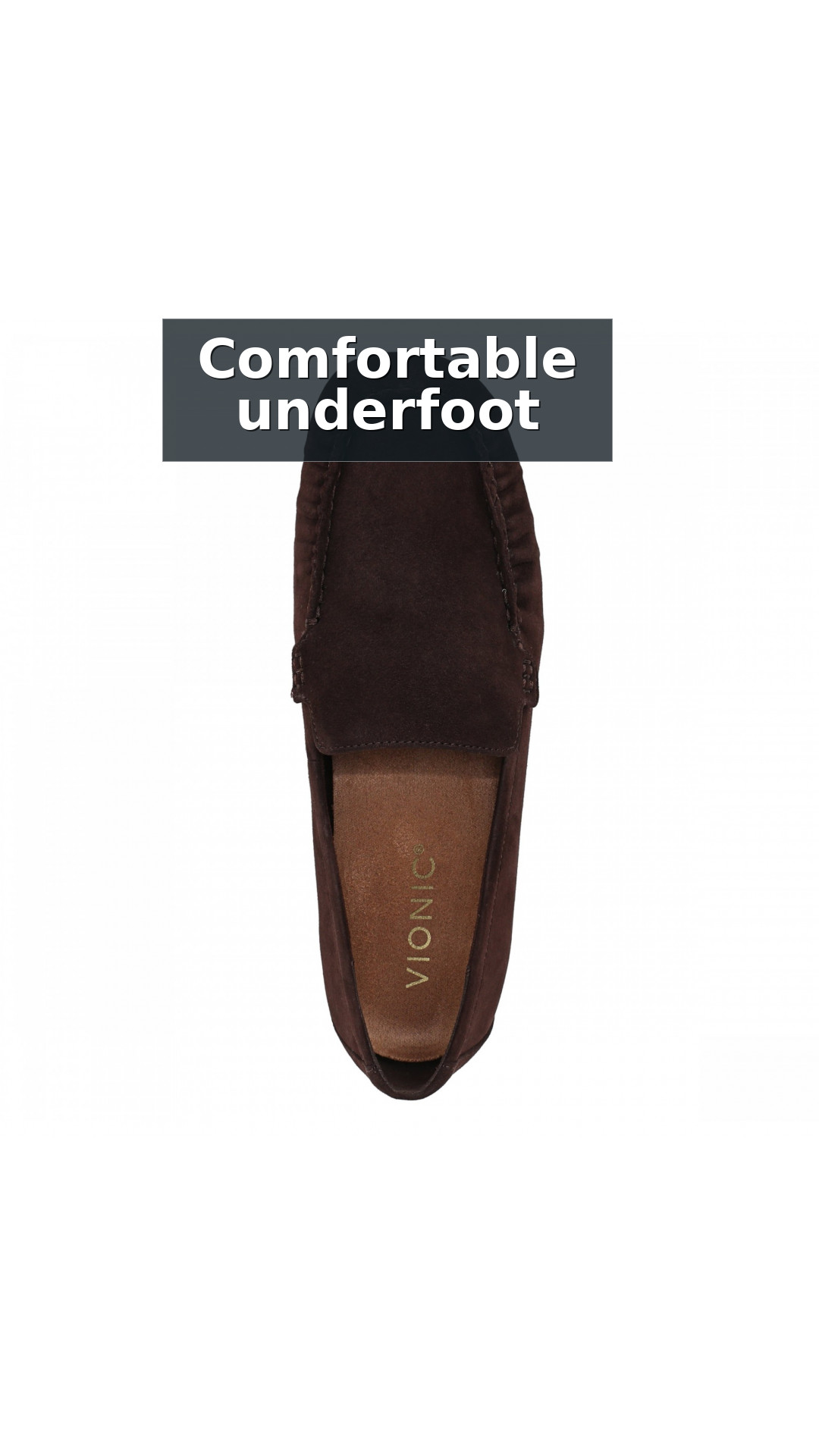
Comfortable underfoot cushioning
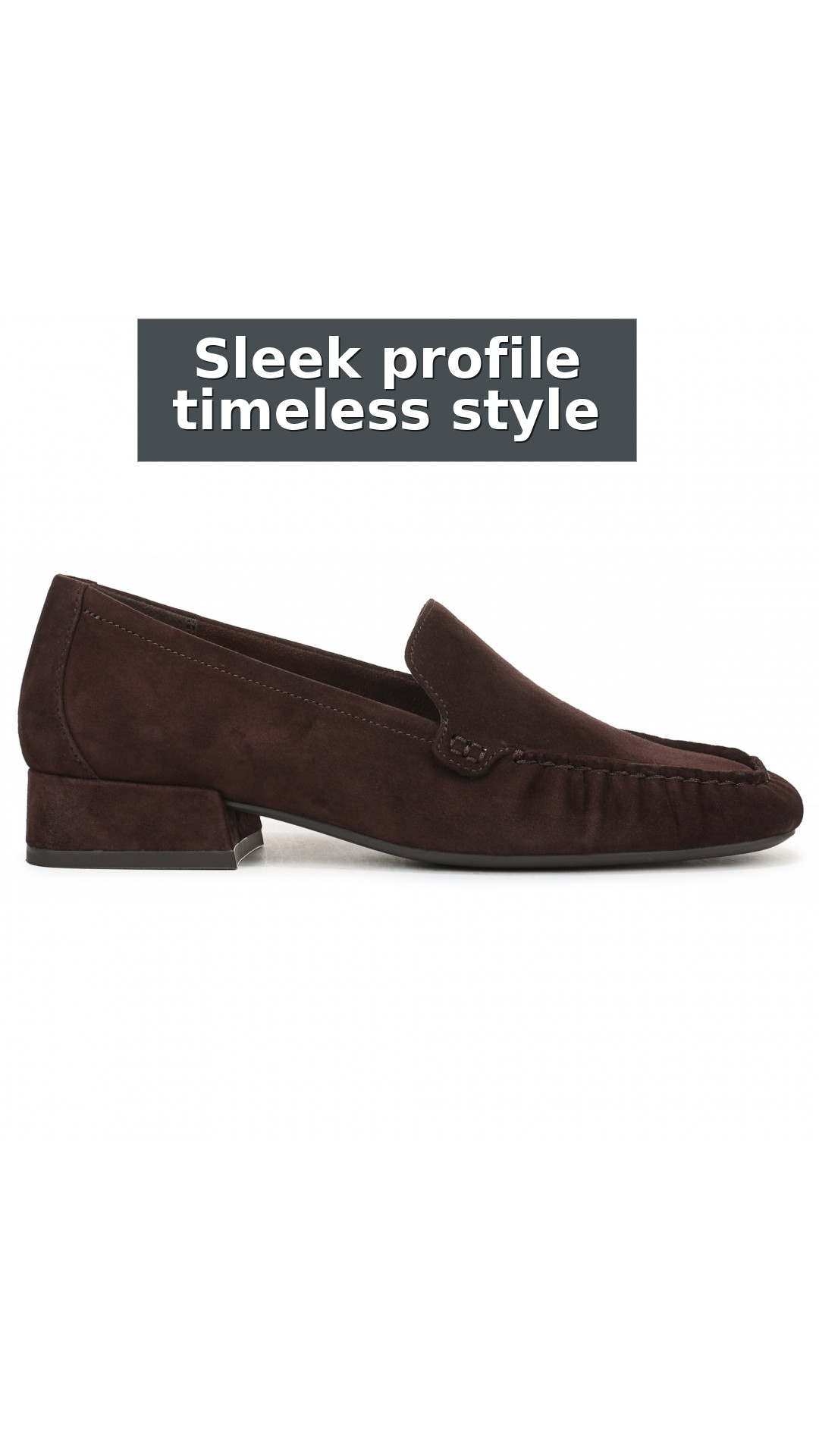
Sleek profile timeless style
Made for daily wear
Easy to dress up
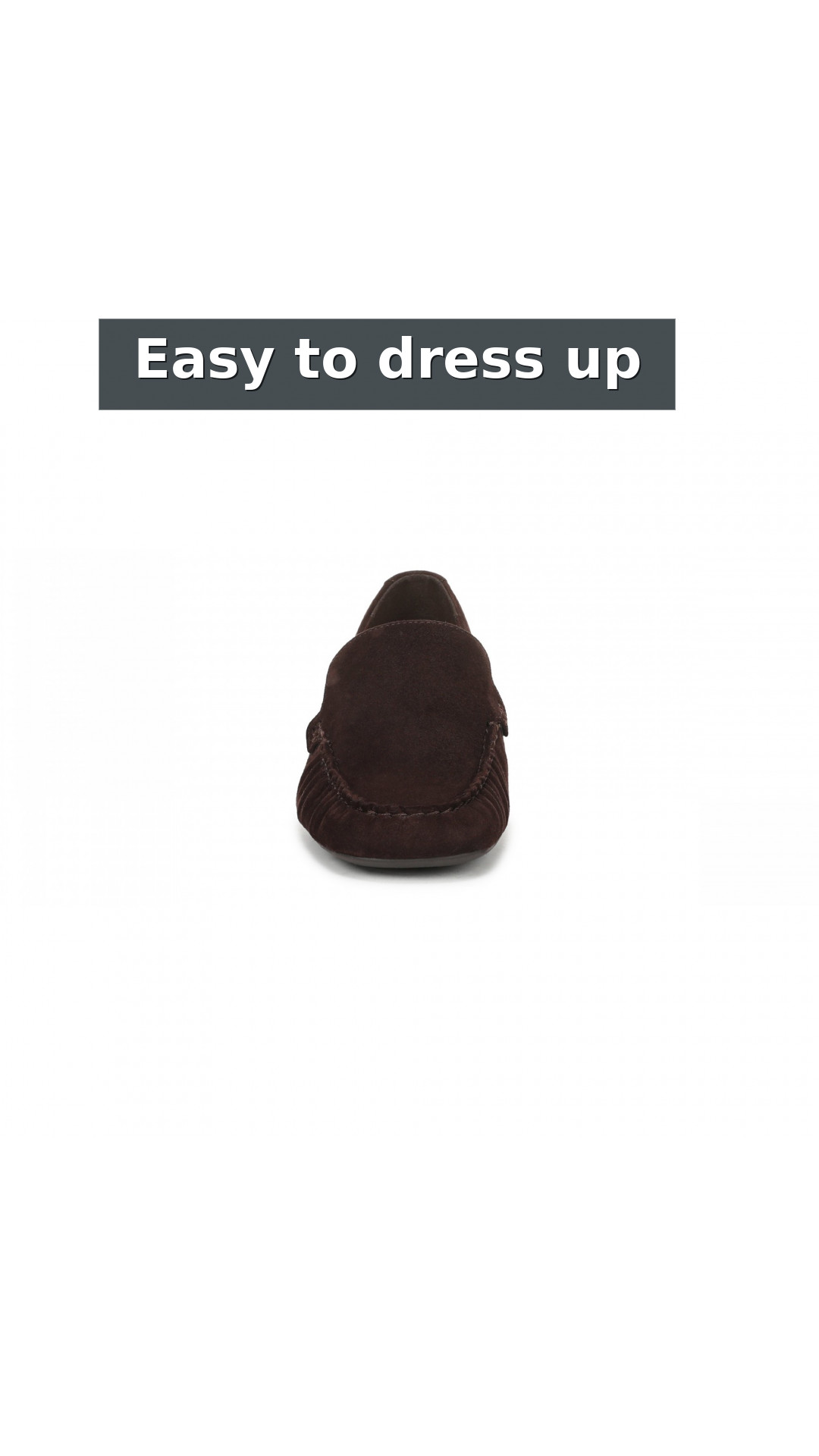
Vionic Pilar Women's Loafer-Flats · $149.95 · Shop this product · Open full Shop Grid