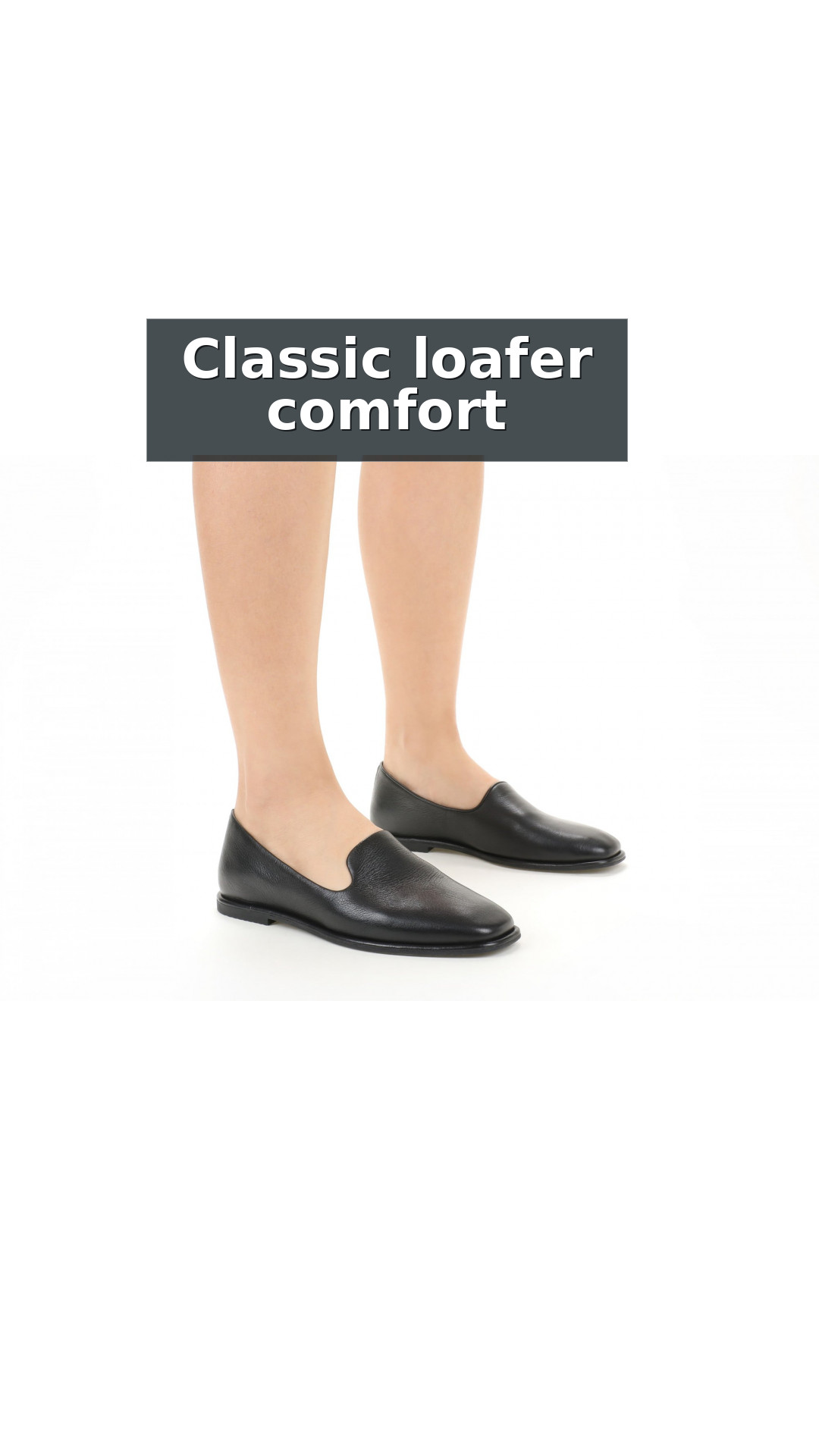
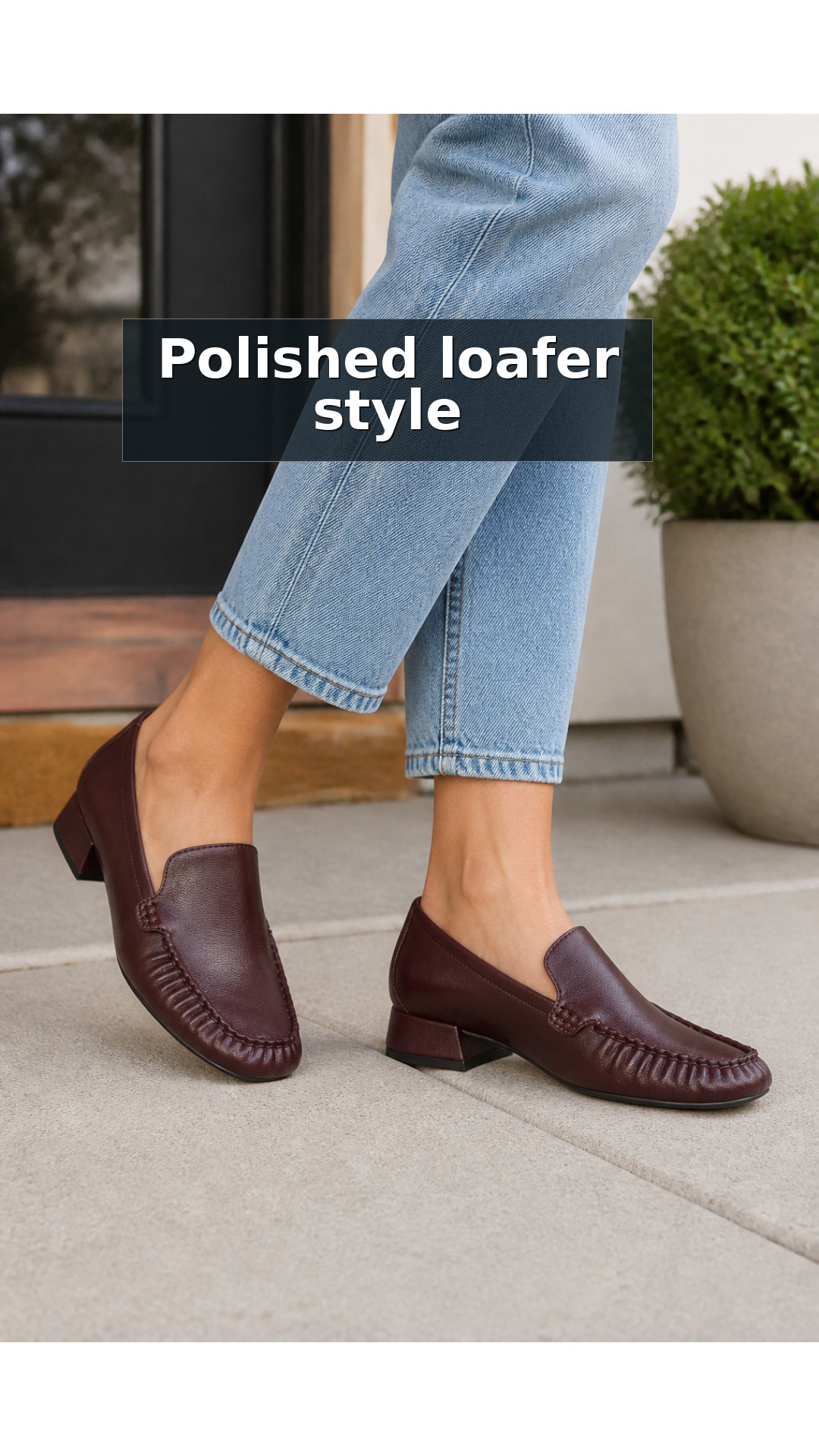
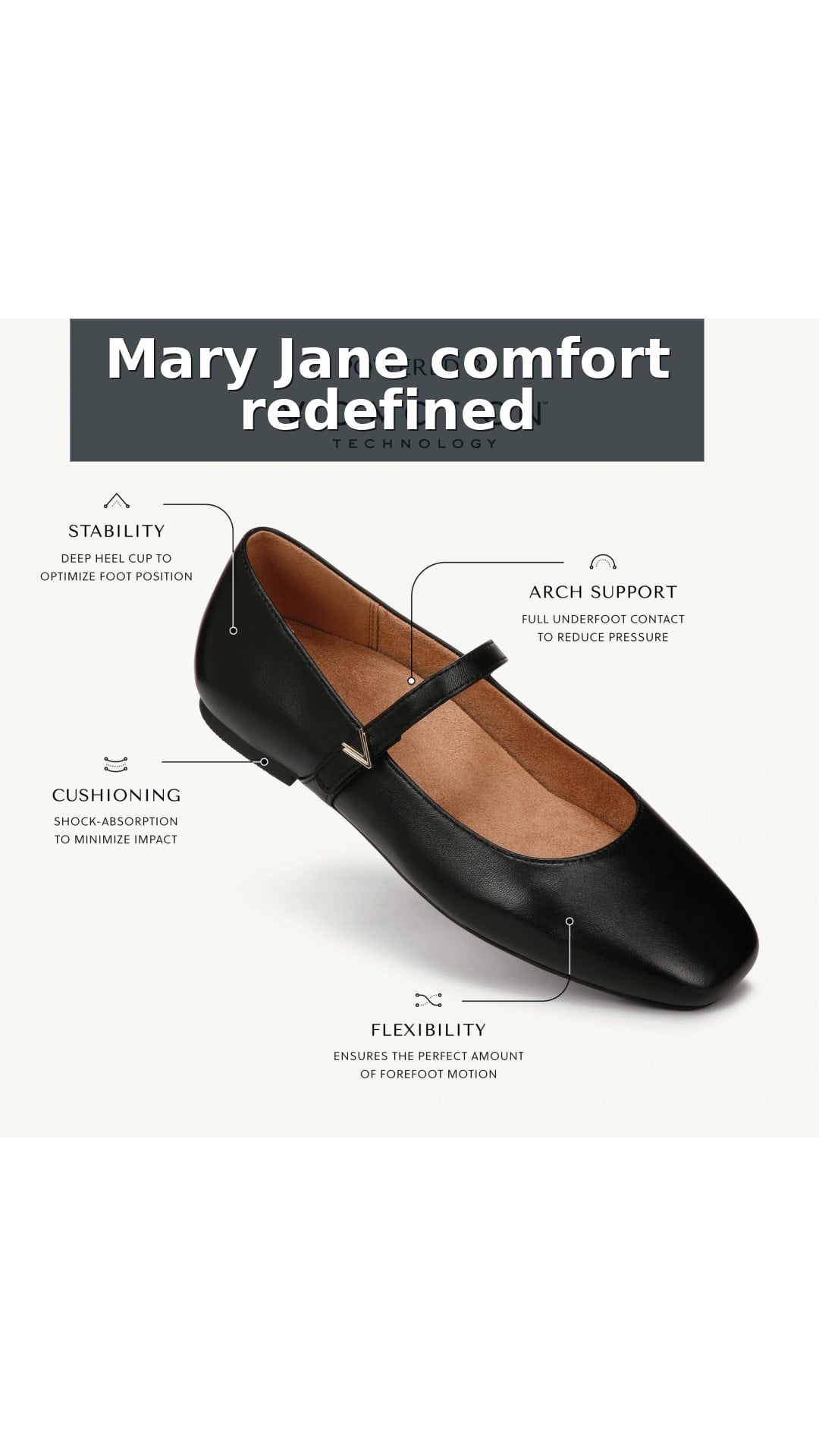
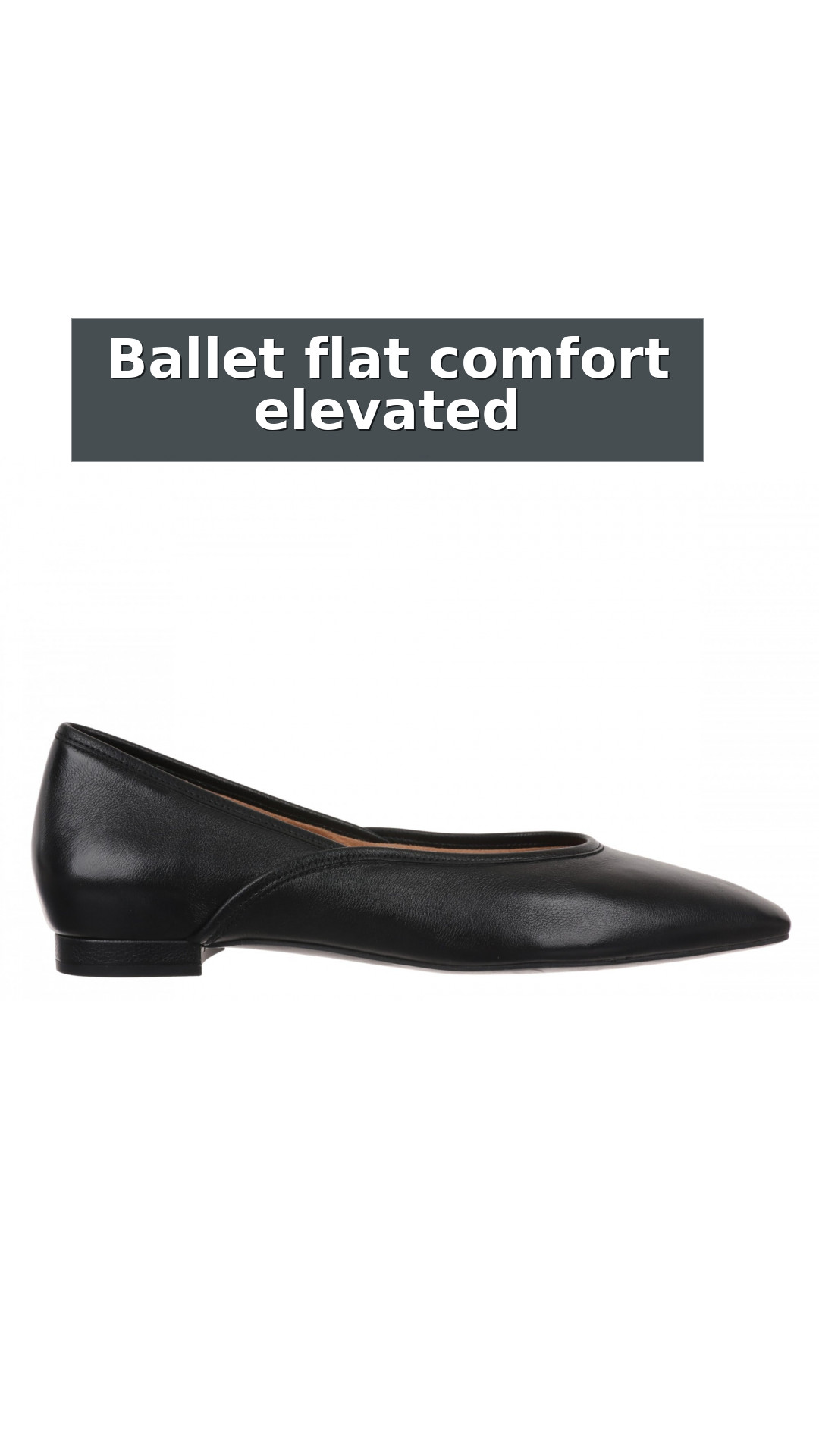
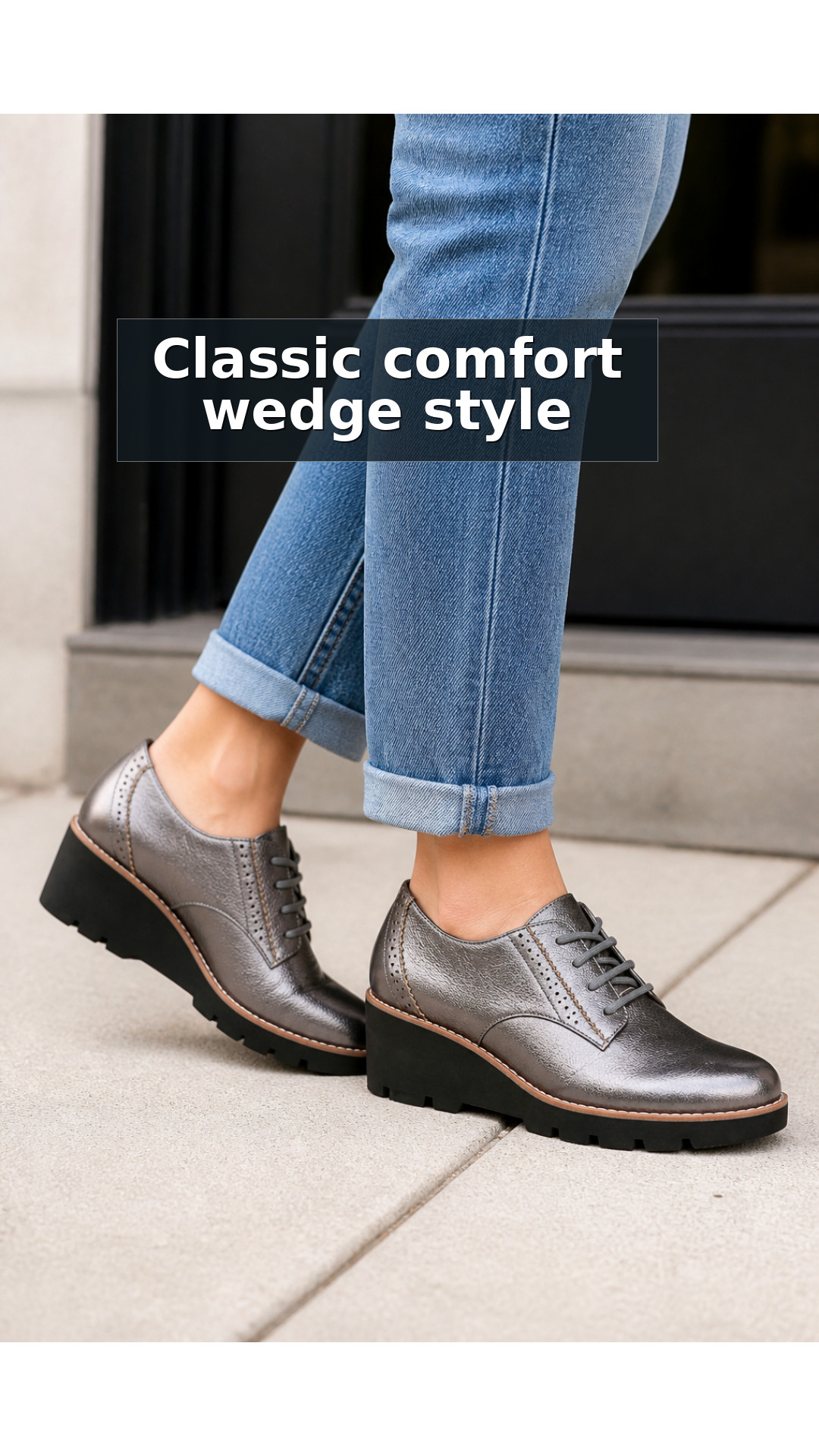
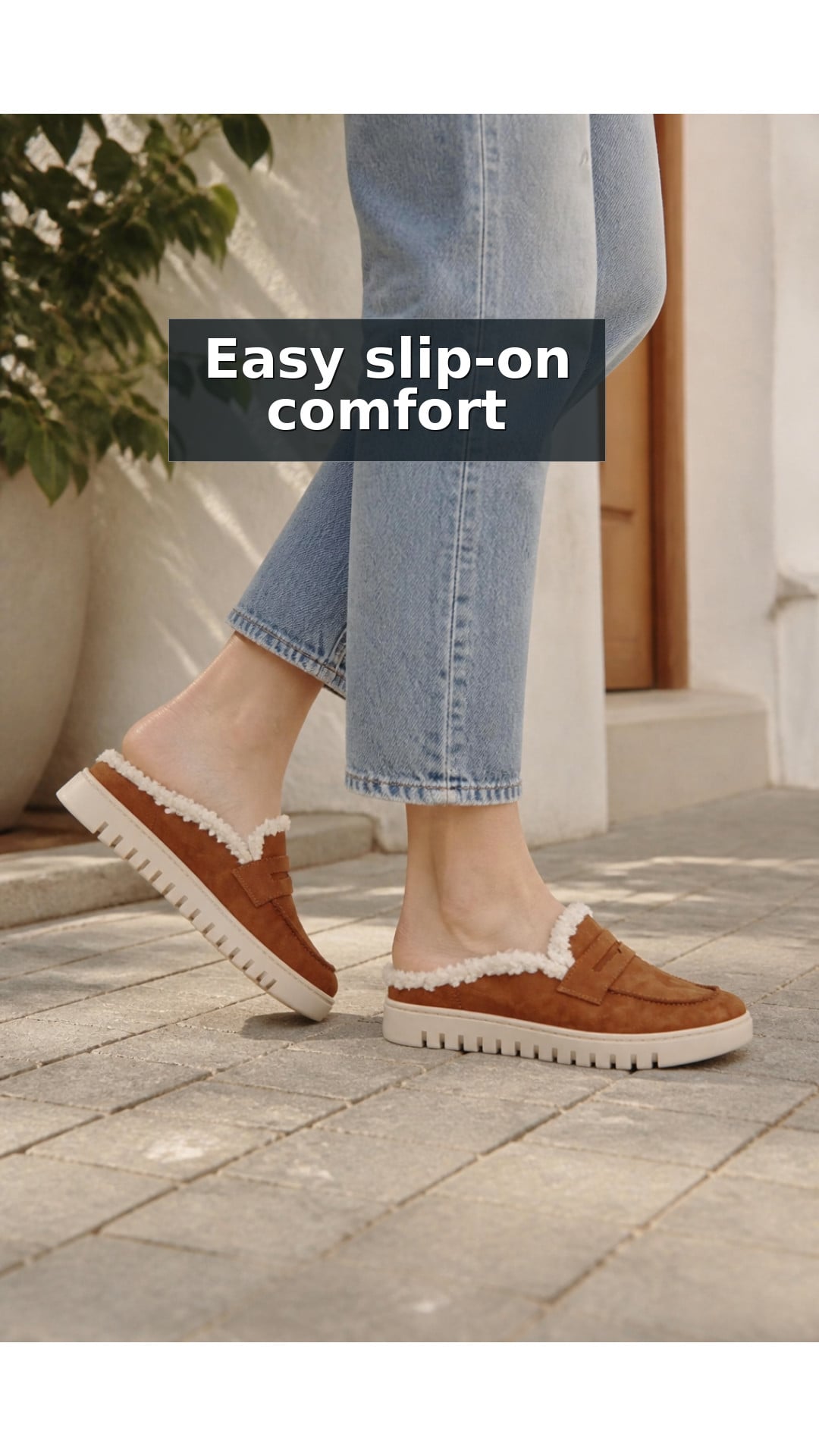
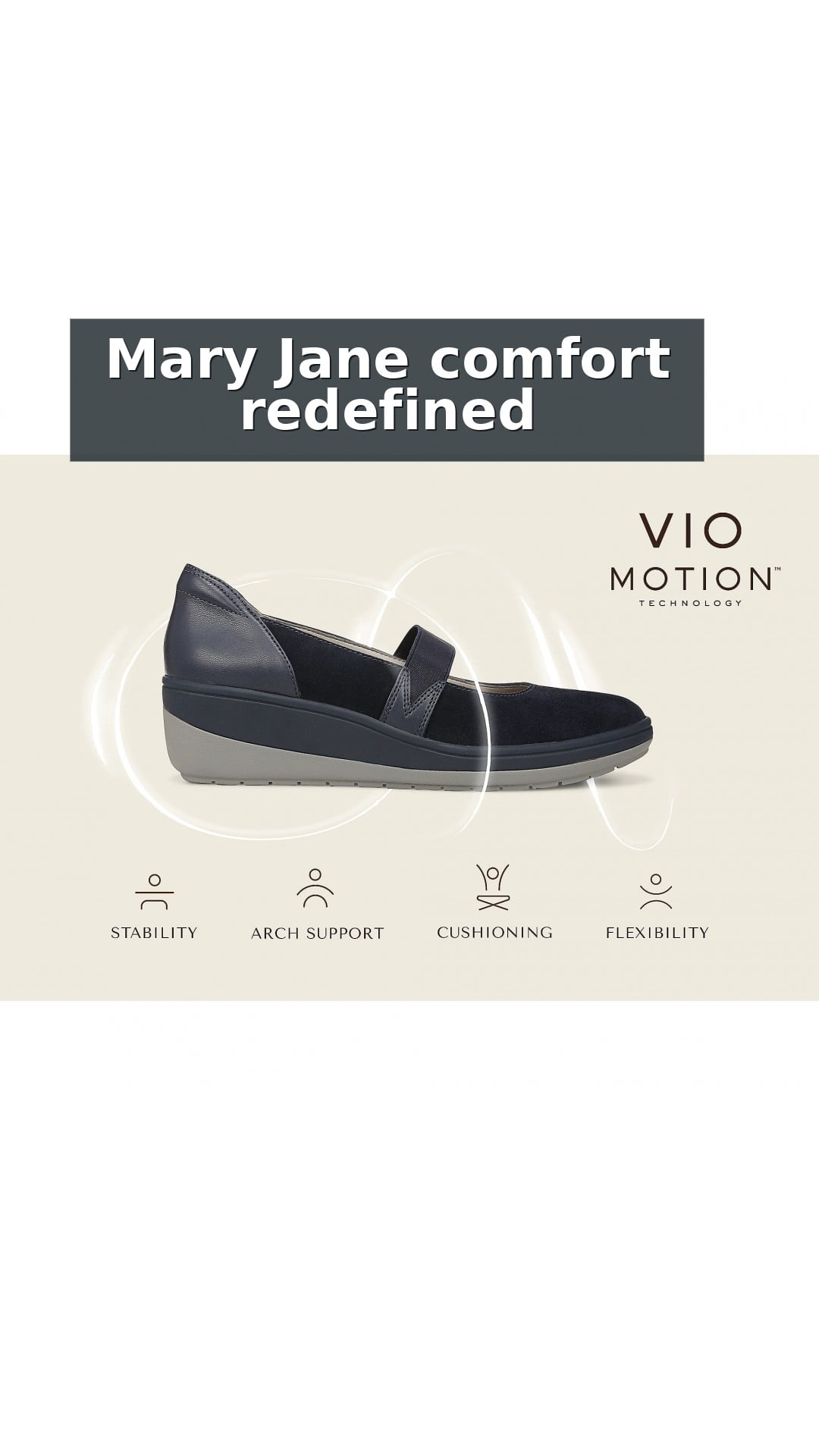
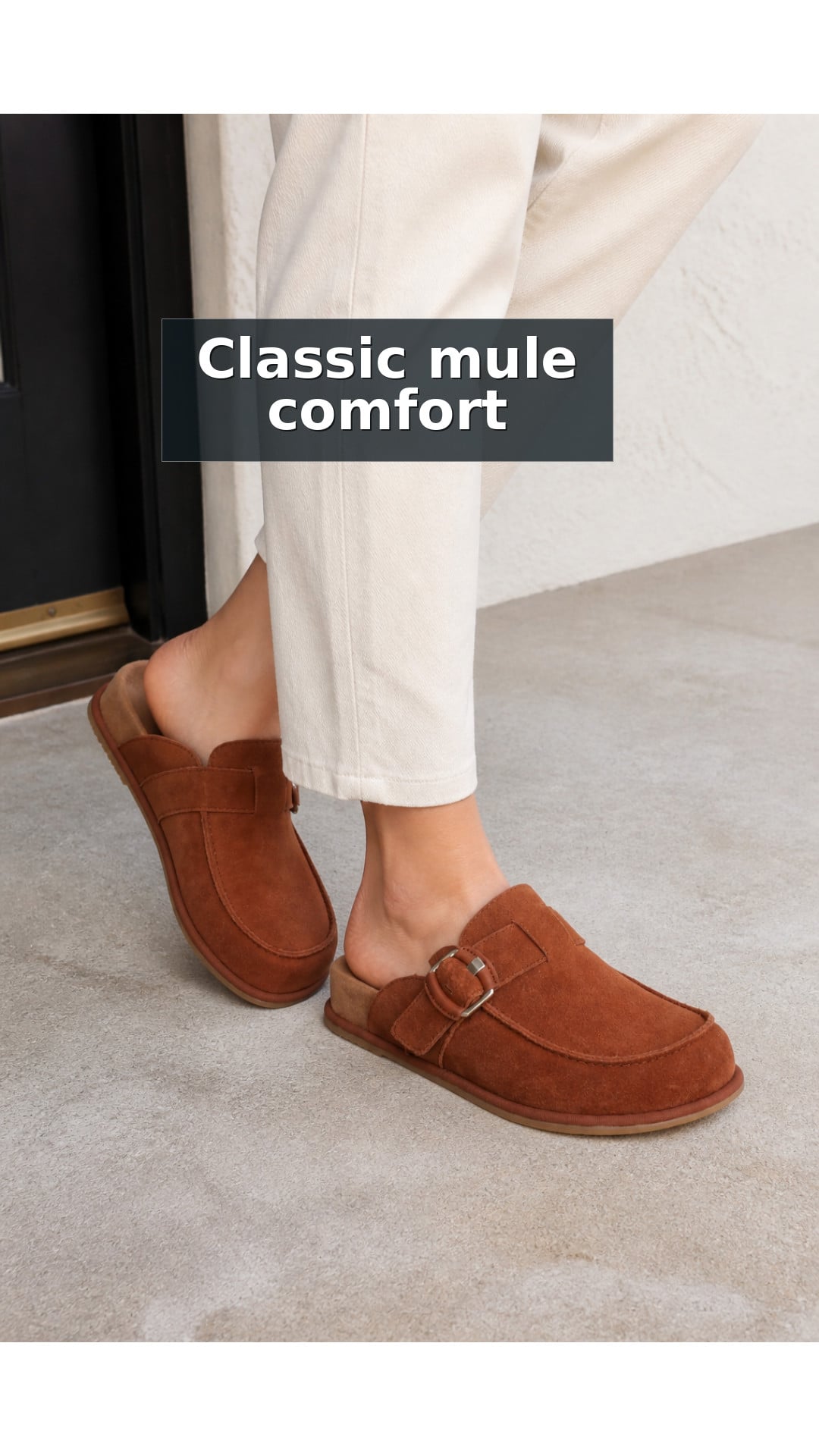
 Classic mule comfort
Shoes for Hammertoes
Direct answer
Orthotic Shop’s Shoes for Hammertoes page helps adults compare roomy toe boxes, extra depth, adjustable closures, and removable footbeds across verified collections and current product examples. The most useful starting point is a shoe that leaves space in the front, lets the upper adjust without compressing the toes, and keeps the foot seated without forcing a narrow shape to work.
If the foot changes through the day, compare product-page fit notes carefully and start with shoes that already leave room for toe movement. That is usually more practical than trying to make a pointed or shallow style fit.
Quick recommendation summary
- Start with a roomy toe box and enough depth so the front of the shoe does not press on the toes.
- Choose width before length so the heel stays seated and the foot does not slide forward.
- Use adjustable closures when a more secure fit is needed without pinching.
- Look for removable footbeds when orthotics or extra cushioning are part of the fit.
- Compare the Hammertoes, Apex, Walking, and Dr. Comfort collections first for the clearest fit cues.
Understanding hammertoe fit
Hammertoe is a common foot condition where a toe bends downward at the middle joint instead of lying straight. It most often affects the second or third toe and can start mild, becoming painful over time if left unaddressed. Shoes that crowd the front of the foot can make that pressure feel worse, especially if the toe box is narrow or shallow.
Orthotic Shop’s Hammertoes collection frames the fit problem clearly: choose shoes with a roomy toe box, extra depth, and a low heel to avoid crowding the toes. It also points shoppers toward adjustable closures and removable-footbed shoes, because those details help the shoe work with the foot instead of against it.
For shopping, the goal is not a rigid or overbuilt shoe. The goal is a shoe that leaves room for toe movement, keeps the heel stable, and does not create extra rubbing across sensitive areas.
Features to consider
| Feature | Why it matters for hammertoes | Where Orthotic Shop shows it |
|---|---|---|
| Roomy toe box | Gives the toes space to sit naturally instead of being pressed forward. | Hammertoes, Apex, Dr. Comfort, Walking |
| Extra depth | Helps the upper sit over the foot without pressing down on the toe joints. | Hammertoes, Walking, Dr. Comfort |
| Adjustable closures | Lets the fit be tightened or relaxed without adding pressure on the toes. | Hammertoes, Apex, Walking, Dr. Comfort |
| Removable footbed | Makes room for orthotics or extra cushioning when the shoe needs more internal space. | Hammertoes, Apex, Walking, Dr. Comfort |
| Low heel | Helps limit forward pressure into the toes. | Hammertoes, Walking, Apex |
| Soft or seam-free interior | Reduces rubbing on sensitive feet and toe joints. | Dr. Comfort, Orthofeet product examples |
Verified collections to browse
Hammertoes collection
This collection is the most direct fit for the topic. It explains that hammertoe can become painful over time and recommends a roomy toe box, extra depth, a low heel, adjustable closures, and removable-footbed shoes.
Apex collection
Apex is useful when comparing a roomy toe box, removable footbeds, cushioning, a deep heel cup, and adjustable closures in one place. The collection also notes that it works well for customers who require room for orthotics.
Men's Walking collection
This collection focuses on extra depth, removable insoles, a wide range of widths, and lace-up or hook-and-loop closures, which makes it a practical place to compare daily walking shoes for hammertoe accommodation.
Dr. Comfort collection
Dr. Comfort is a good collection to review for shoes described for hammertoes, extra depth, generous widths, and soft linings. The collection is built around comfort, protection, and reliable fit.
Featured products to consider
These current Orthotic Shop products provide practical starting points for comparing shoe fit, insert length, support structure, and available interior space. Product fit and comfort vary by person.

Orthofeet Springfield Women's Stretch Mary Jane
Useful for comparing a stretch upper, adjustable inset strap, included orthotic insole, smooth padded interior, and wide toe box.

Orthofeet Wichita Supportive Stretch Monk Strap
Useful for comparing a wide toe box with a more adjustable monk-strap closure and an included orthotic insole.

Orthofeet Iris Stretch Max-Cushion Support Women's Sneakers
Useful for comparing a spacious wide toe box, adjustable inset strap, and a flexible, cushioned sneaker shape.

Orthofeet Lava Stretch Customizable Support Men's Sneaker
Useful for comparing a stretchable upper with an extra deep, seam-free interior.

Orthofeet Hunter Waterproof Supportive Waterproof Boot
Useful for comparing a wide toe box, extra depth, and a padded seamless interior in a boot format.
How to choose
- Measure foot length and width while standing, especially if feet swell later in the day.
- Put toe room first: check the toe box shape before focusing on style.
- Choose the width that matches the foot rather than sizing up in length to fake more room.
- Check whether the insole is removable if orthotics or extra cushioning are part of the fit.
- Use adjustable laces, straps, or buckles when a secure fit is needed without squeezing the toes.
- Try shoes later in the day so the fit is judged when the feet are closer to their largest.
- Walk a little indoors and check for toe rubbing, heel slip, and pressure over the top of the foot.
Common mistakes
- Choosing a pointed or narrow toe shape because it looks neater on the shelf.
- Sizing up in length instead of choosing the right width or depth.
- Ignoring adjustable closures and ending up with a shoe that pinches or shifts.
- Forgetting to check whether the footbed comes out when more internal room is required.
- Buying before trying on later in the day, when swelling may change the fit.
FAQs
What kind of toe box is best for hammertoes?
A roomy toe box is the main feature to look for. Orthotic Shop’s Hammertoes collection says to choose shoes with a roomy toe box, extra depth, and a low heel to avoid crowding the toes. In practice, a front shape that does not taper sharply is usually easier to live with because it gives the toes more space to rest and move naturally.
Do adjustable closures really help?
Yes. Adjustable closures help the shoe hold the foot without forcing pressure onto the forefoot. Laces, straps, or buckles can be loosened or tightened as swelling changes during the day, which makes the fit more forgiving. The Hammertoes, Walking, and Dr. Comfort collections all call out that kind of adjustability as a useful fit feature.
Should I choose width or length first?
Choose width first. Sizing up in length can shift the flex point forward and may let the heel slip, which can create a less secure fit. A true wide or extra-wide option is usually the better comparison when more forefoot space is the goal, because it preserves the overall shape of the shoe instead of simply making it longer.
Are removable footbeds important for hammertoes?
They can be very helpful. A removable footbed gives more control over internal volume and can make room for orthotics or extra cushioning without crowding the toes. The Hammertoes, Apex, Walking, and Dr. Comfort collections all highlight this idea, so it is one of the easiest details to check on a product page before buying.
Can a sneaker work, or is a therapeutic shoe better?
Either can work if the fit is right. Sneakers like the Orthofeet Iris and Lava show that a casual shoe can still offer a wide toe box, extra depth, and a more forgiving interior. A therapeutic shoe may be a better comparison when maximum accommodation, softer interiors, or more volume are the priority.
What if my toes are sensitive to seams or rubbing?
Look for smoother interiors, padded linings, and seam-free construction. Those details reduce friction across sensitive toe joints and can make longer wear more comfortable. The Dr. Comfort collection and several Orthofeet product examples point to those features, so they are worth checking if rubbing is a concern.
Can I use these shoes with orthotics?
Some of the sourced collections and products explicitly mention removable footbeds or included orthotic insoles, which can make orthotic use more practical. Check the product page fit details before buying so internal volume, footbed removal, and closure adjustability are clear. That makes it easier to compare shoes that are more likely to work with the insert.
When should I stop relying on shoe shopping alone?
If pain persists, toes become more rigid, or the condition keeps worsening, it is time to get a professional opinion. Shoe fit can help with comfort, but it does not replace medical care when symptoms are ongoing or severe. Persistent numbness, open wounds, sudden changes, or diabetes-related foot concerns should also be reviewed by a qualified healthcare professional.
Related guides
Shoes for Bunions guide
Useful when another forefoot-fit guide is needed and roomy toe boxes, extra depth, adjustable closures, and width options are part of the search.
Wide Walking Shoes guide
Helpful for comparing width-first walking shoes, extra-depth fit, and removable insoles in everyday styles.
Extra-Wide Shoes guide
Good when more forefoot room or more interior volume matters and a standard width feels too tight.
Shoes That Accommodate Custom Orthotics guide
Relevant when hammertoe shopping overlaps with orthotic use, removable footbeds, or extra-depth needs.
Editorial note
This page provides general information only and is not medical diagnosis or treatment advice. It is intended to help compare fit features before purchase. Persistent pain, numbness, open wounds, sudden symptoms, diabetes-related foot concerns, or uncertainty about fit or condition should be reviewed by a qualified healthcare professional.
Style and product inspiration
Swipe through comfort footwear highlights and shop each featured style.