
What Shoes Are Best for Plantar Fasciitis?
The best shoes for plantar fasciitis combine a stable heel, true arch support, and cushioning that is soft on impact but firm enough to control excess foot motion. Look for a snug heel, a contoured footbed or removable insole with real arch shape, and a small heel lift to reduce strain on the plantar fascia. A supportive shoe can help calm heel pain through everyday steps, while flatter, flexible styles often make symptoms worse. If your current shoes feel flat or squishy, consider shoes built for support first, then add an insole if you need more.

What shoe features help plantar fasciitis most?
- Firm heel counter: A structured heel keeps the rearfoot from rolling and reduces tug on the plantar fascia. Squeeze the heel cup; it should feel secure, not floppy.
- Contoured arch support: A noticeable arch that matches your foot helps share load away from the plantar band. Shoes from Vionic and Revitalign are known for built-in support.
- Moderate heel drop: A small lift between heel and forefoot (often around 8–12 mm) can ease strain for many people with heel pain.
- Stable, not mushy cushioning: Choose midsoles that feel protective yet controlled. Overly soft, bouncy foams may let the arch collapse.
- Rocker or forefoot bevel: A mild rocker helps you roll forward without overloading the arch during push-off.
- Torsional stability: The shoe shouldn’t twist easily through the midfoot. A supportive midsole and shank help.
- Removable insole and extra depth: Lets you fine-tune support with an orthotic. Brands like Drew Shoes offer depth and adjustability.
- Roomy toe box: Enough width to avoid toe squeeze and let your foot load naturally. Consider wide options if you’re between sizes.
Ready to browse supportive options? Start with our curated picks in Plantar Fasciitis Shoes and Shop Heel Pain Shoes.
How should plantar fasciitis shoes fit?
- Length: Aim for a thumb’s width of space beyond your longest toe to limit impact on the plantar fascia.
- Width and depth: The midfoot should feel hugged without hot spots. If your orthotics lift you too high, try extra-depth styles like Women’s Extra-Depth Athletic or Men’s Extra-Depth Athletic, or look at Drew Shoes for adjustable depth and widths.
- Heel security: Minimal heel slip reduces strain at the origin of the plantar fascia. Try a runner’s heel-lock lacing if needed.
- Midfoot support check: You should feel gentle arch presence when you stand. If the arch disappears under weight, the shoe may be too soft.
- Stability test: Try the twist test. If the shoe easily wrings like a towel through the middle, it’s likely too flexible for active heel pain.
- Timing matters: Fit shoes later in the day when feet are slightly larger, and bring the socks or inserts you plan to use.
For everyday relief, see our Plantar Fasciitis Shoes or explore our broader Heel Pain collection.
When should you add insoles or orthotics?
If supportive shoes still feel flat, or your arch wants more structure, an insole can bridge the gap. Choose a contoured insert that matches your arch height and fits your shoe volume. Cushioned orthotics can soften impact, while firmer shells add control—many people with plantar fasciitis do well with a balanced, semi-rigid design.
- Start with shoes first: A stable shoe is your foundation. Then layer in a supportive insert if you need more guidance under the arch.
- Match the profile: Low-volume shoes pair with thinner inserts; roomier shoes can accept fuller orthotics.
- Break-in gradually: Wear 1–2 hours the first day and build up so your feet adapt to the new support.
- Popular picks: Explore Arch Supports & Shoe Insoles and orthotic sandals from Spenco.
Need more guidance? See our quick overview: Best Shoes for Plantar Fasciitis.
Do sandals or slippers help plantar fasciitis?
They can—if they’re supportive. Flat flip-flops and soft house slippers often lack structure, which may aggravate symptoms. Look for options with a molded footbed, deep heel cup, and midsole that doesn’t fold in half. Orthotic-style sandals and structured slippers give your feet support when you’re off the clock, so you don’t undo progress made in your shoes.
- Supportive sandals: Browse Arch Support Sandals from Vionic, Revitalign, and Spenco.
- Structured slippers: Choose slippers with a molded insole, heel cup, and rubber outsole for stability. Select models from Bearpaw include supportive footbeds for at-home comfort.
- Work and safety shoes: If you’re on concrete all day, look for safety toe or slip-resistant styles with true arch support. See Reebok Work for protective options that don’t skip comfort.
What heel drop is best for plantar fasciitis?
There is no one-size-fits-all number, but many people do well in a moderate heel drop around 8–12 mm because it slightly unloads the plantar fascia. If you’re used to flatter shoes, 4–8 mm may feel more natural. Extremely low or zero-drop footwear can heighten strain for some during a flare. Prioritize overall stability and arch support; heel drop is just one part of the comfort equation.
Quick comparison: which shoe types tend to work?
| Shoe type | Best for | Key features to look for |
|---|---|---|
| Walking/Everyday | All-day comfort, errands, travel | Stable heel, contoured footbed, moderate heel drop, removable insole |
| Running/Athletic | Fitness and steps on mixed surfaces | Guidance/stability tech, rocker toe spring, medium-firm cushioning |
| Work/Safety | Standing on concrete, warehouse floors | Supportive midsole, real arch, slip-resistant outsole, toe protection if needed |
| Sandals | Warm weather, around the house | Molded arch, heel cup, firm midsole (avoid flat flip-flops) |
| Slippers | Home comfort without losing support | Structured footbed, heel cup, rubber outsole for stability |
FAQs
What heel drop is best for plantar fasciitis?
Moderate usually works for many (about 8–12 mm) to ease tension on the fascia. If you prefer a flatter feel, 4–8 mm can also work—just keep overall support and stability as your top priorities.
Do sandals help plantar fasciitis?
Yes, if they offer true arch support, a deep heel cup, and a stable midsole. See Arch Support Sandals from Vionic, Revitalign, and Spenco.
Next steps and where to shop
- See supportive options tailored to heel pain relief.
- Shop heel pain shoes across walking, athletic, work, and sandals.
- Fine-tune comfort with arch supports and insoles if you need more structure.
- Learn more in our Heel Pain Guide and this overview of the best shoes for plantar fasciitis.
Reminder: Foot pain varies. If your symptoms are severe or persist, consider checking in with a qualified health professional for personalized guidance.
Products to compare
These are shopping examples, not a ranking or medical recommendation. Features and fit vary by model. Listed options and prices can vary by size and stock; check each product's current details.


Style and product inspiration
Swipe through this Shop Grid.
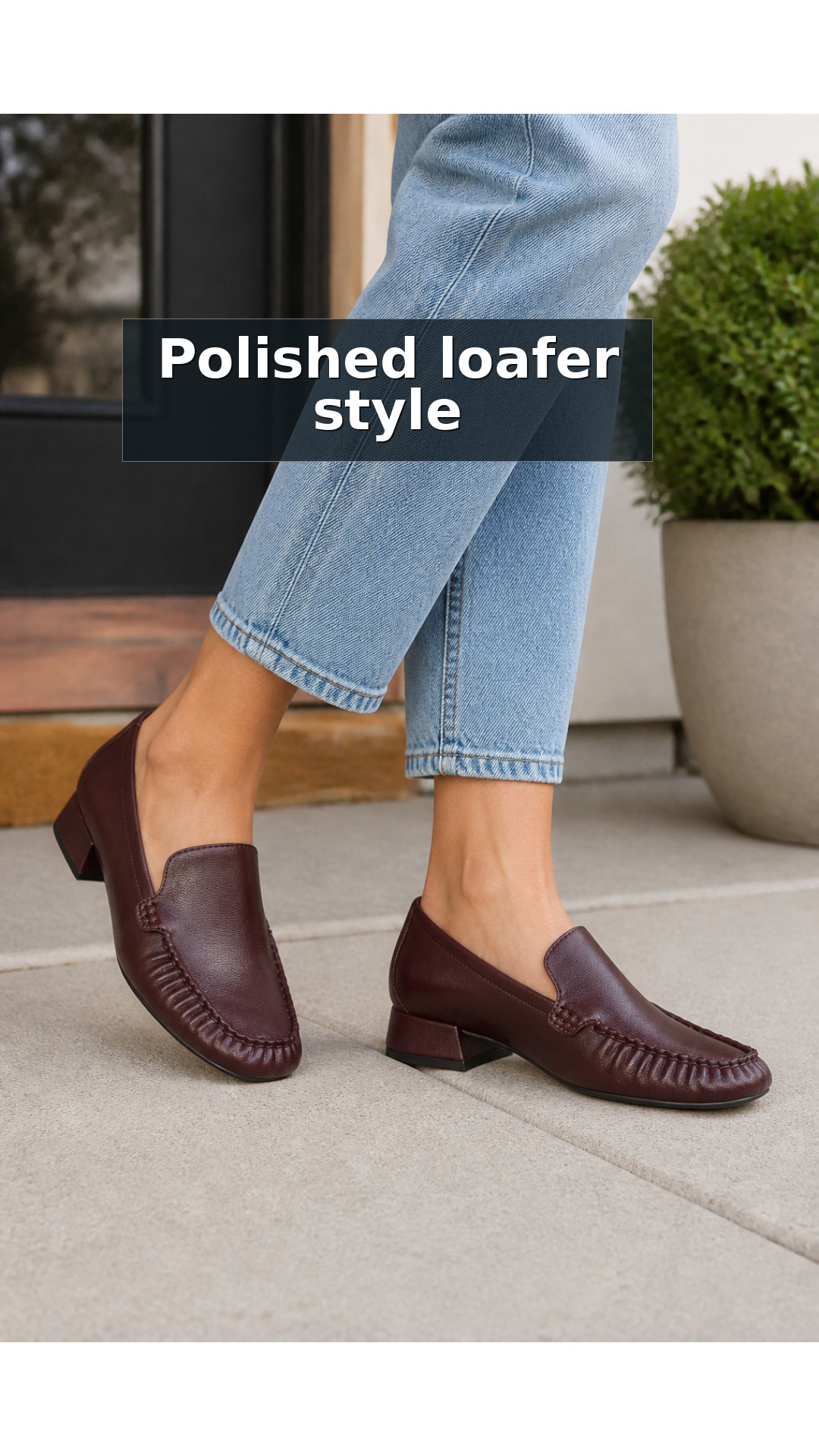
Polished loafer style
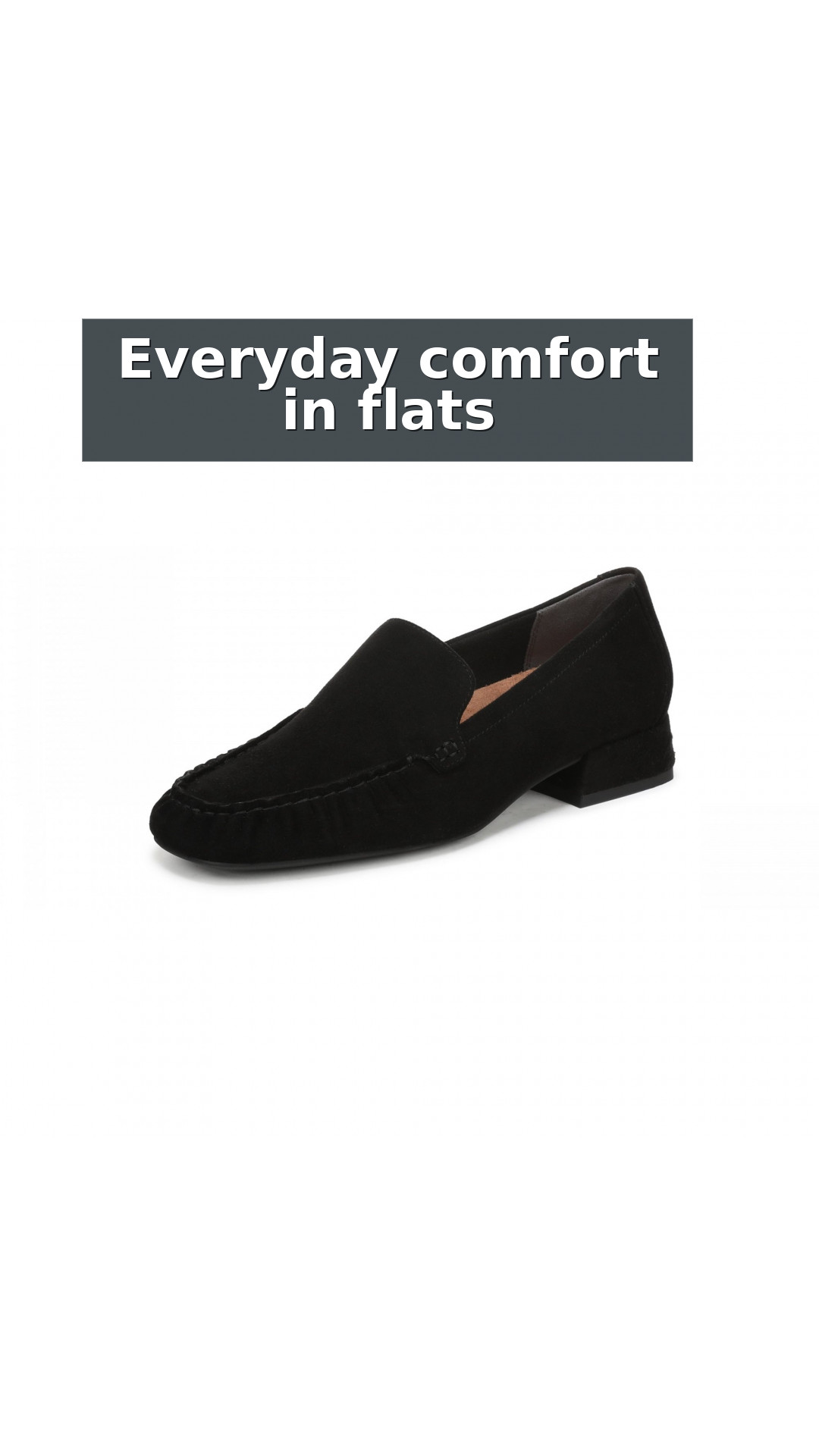
Everyday comfort in flats
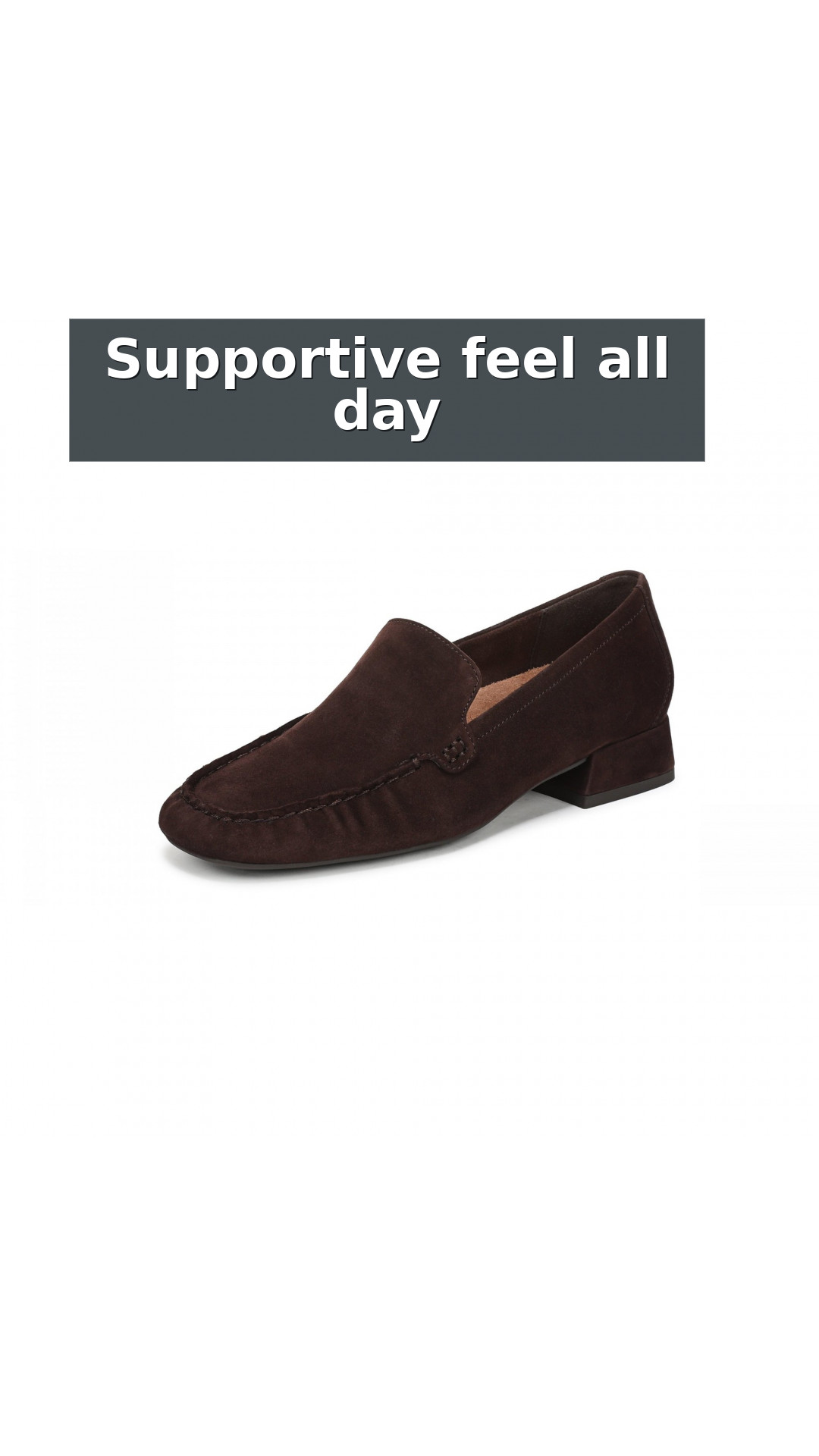
Supportive feel all day
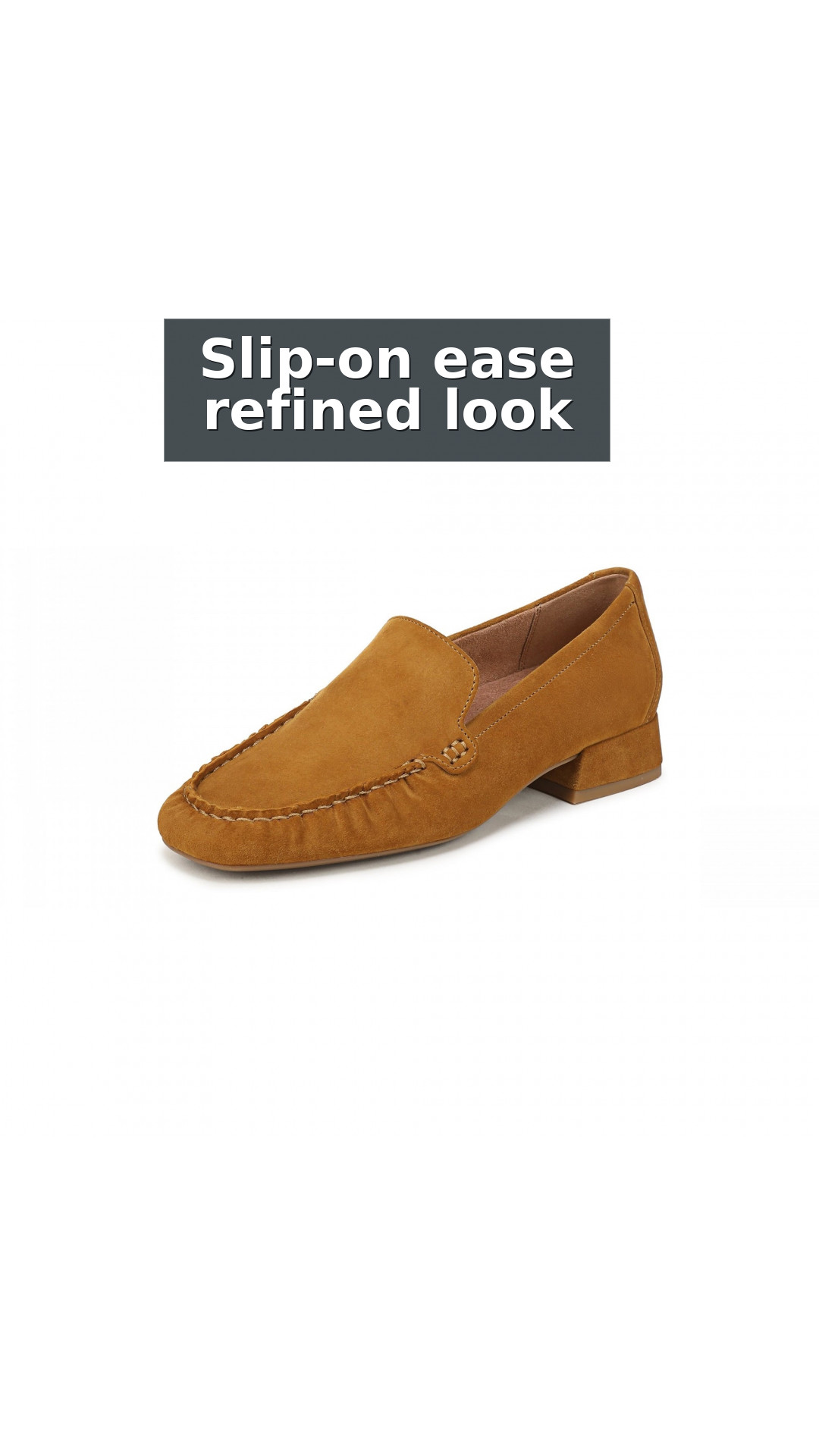
Slip-on ease refined look
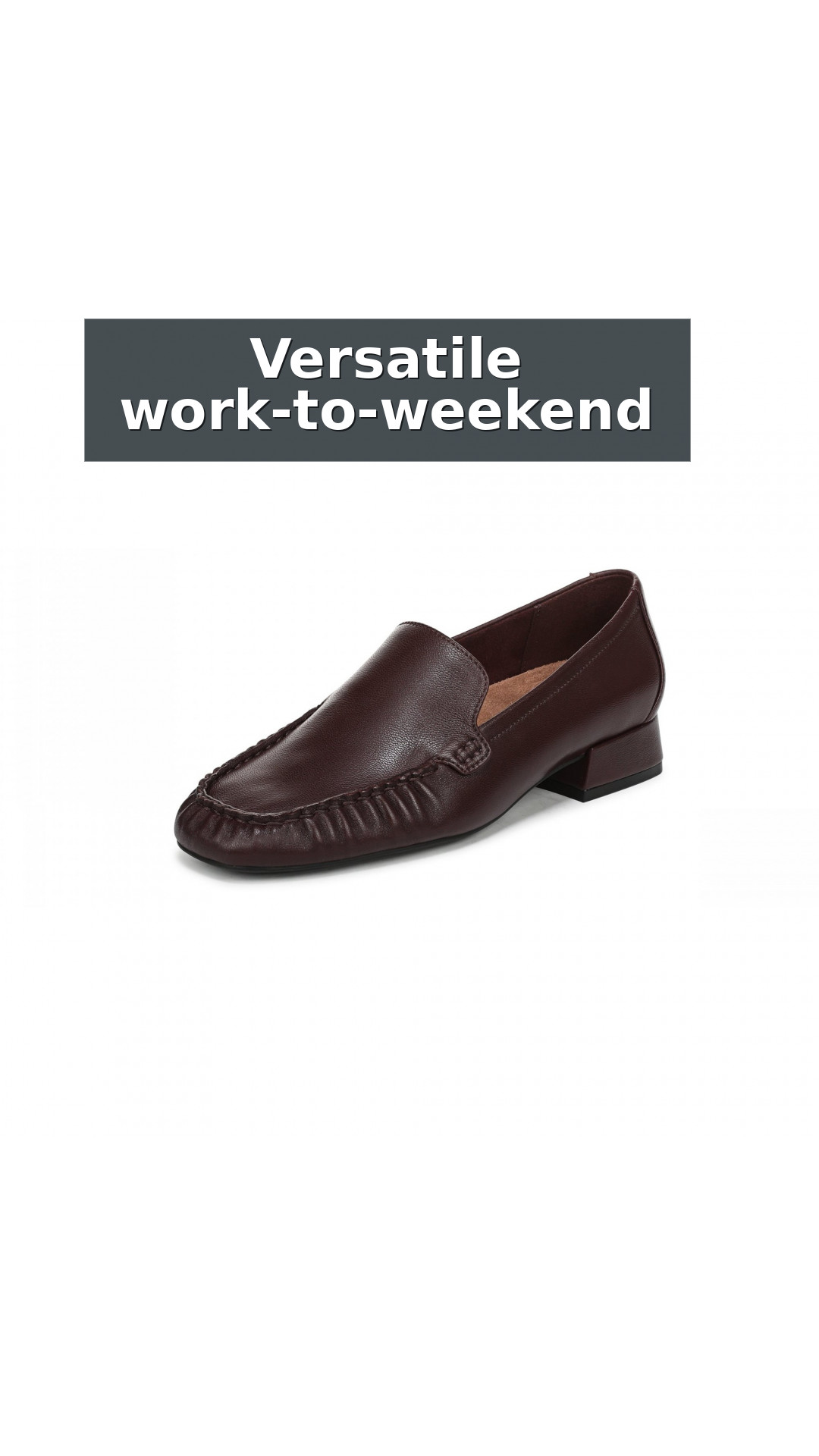
Versatile work-to-weekend wear
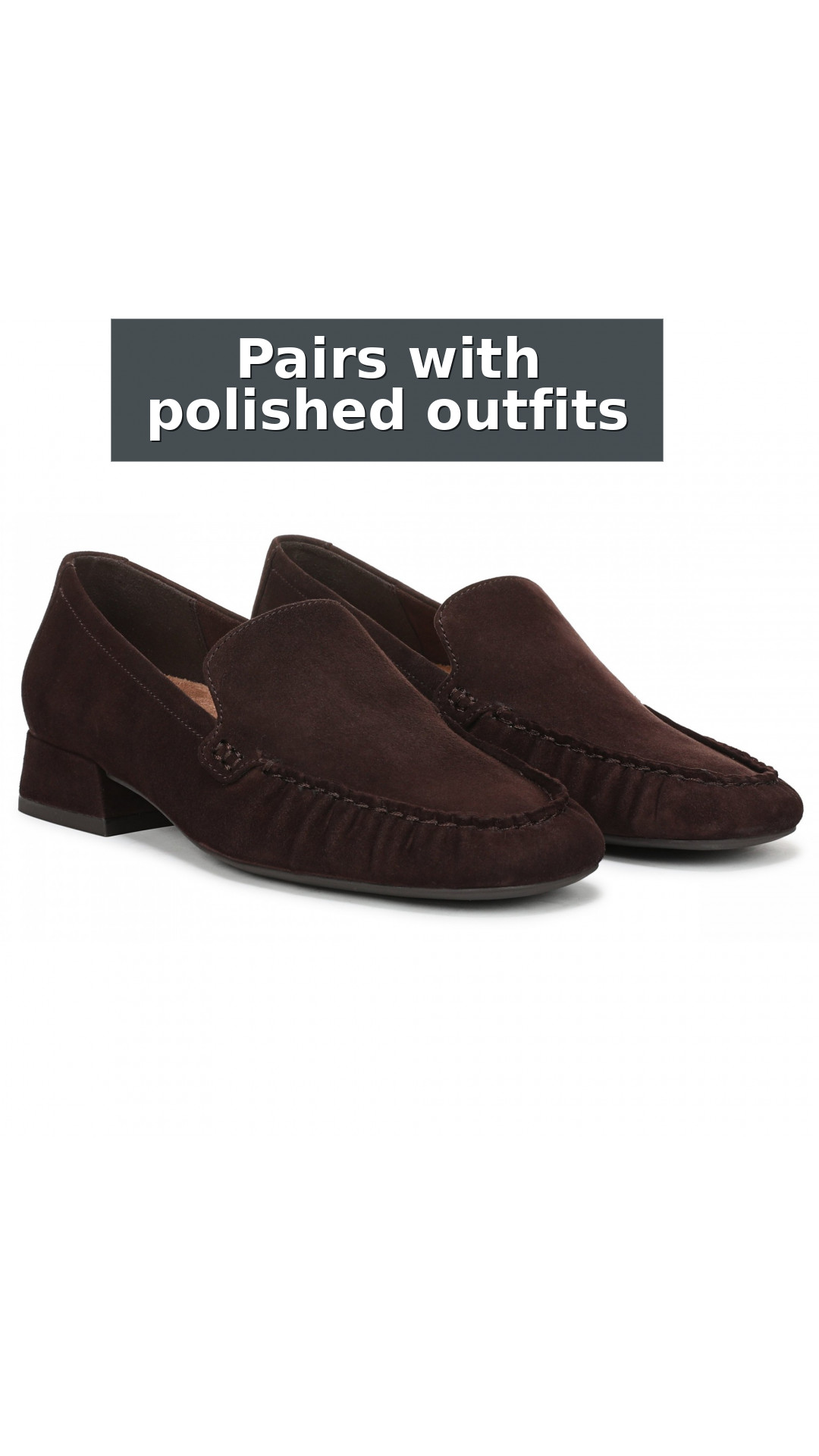
Pairs with polished outfits
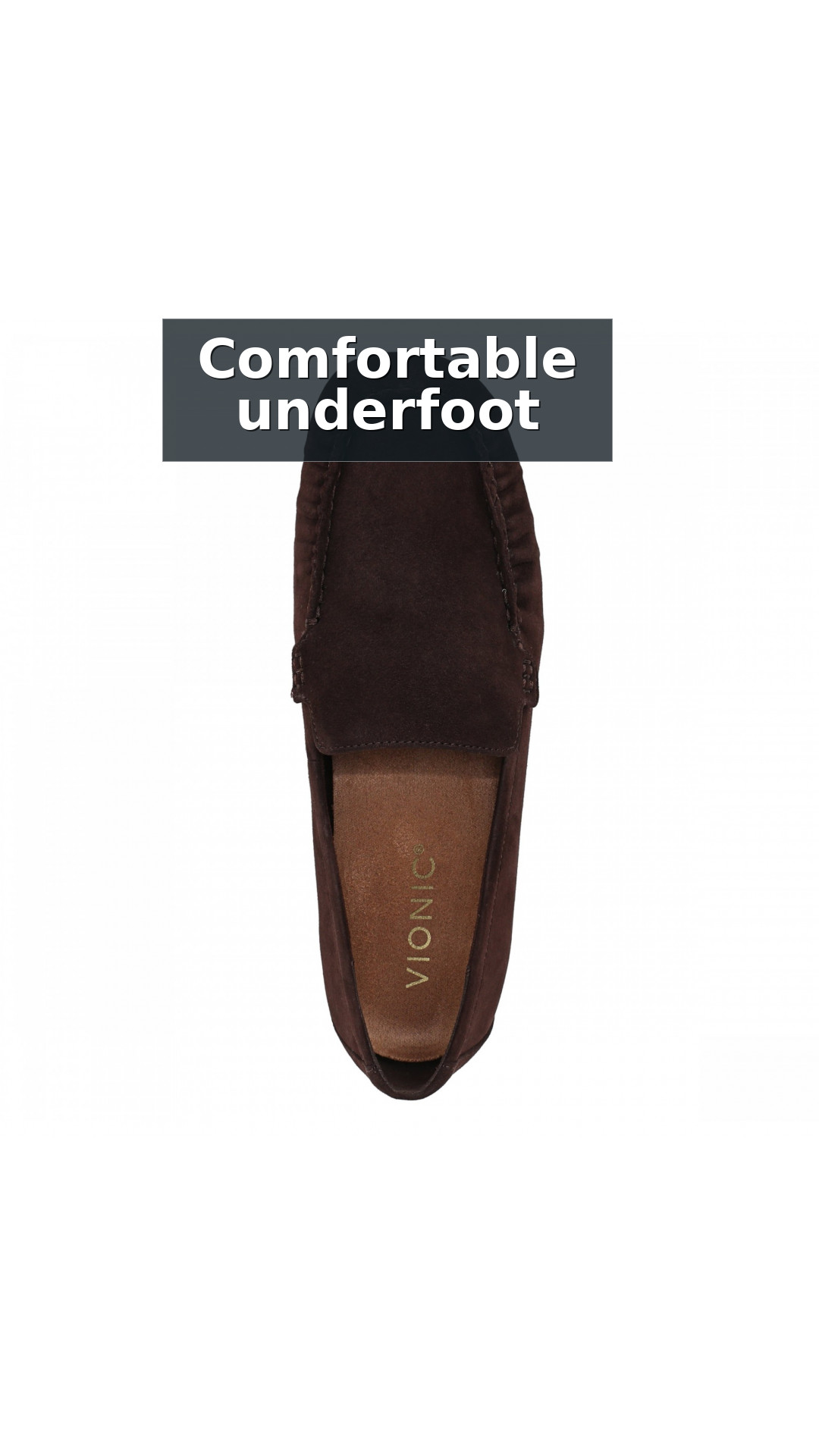
Comfortable underfoot cushioning
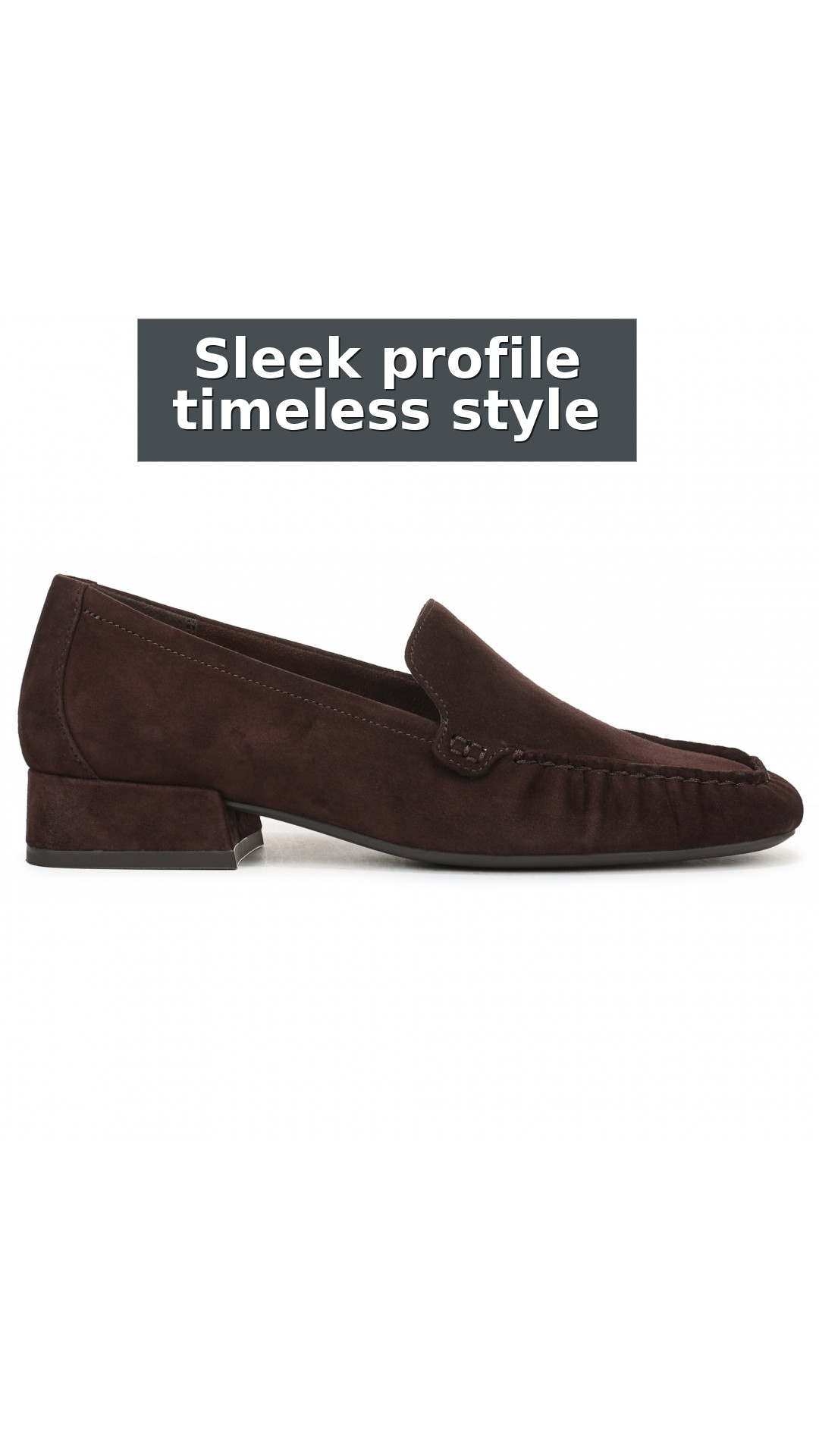
Sleek profile timeless style
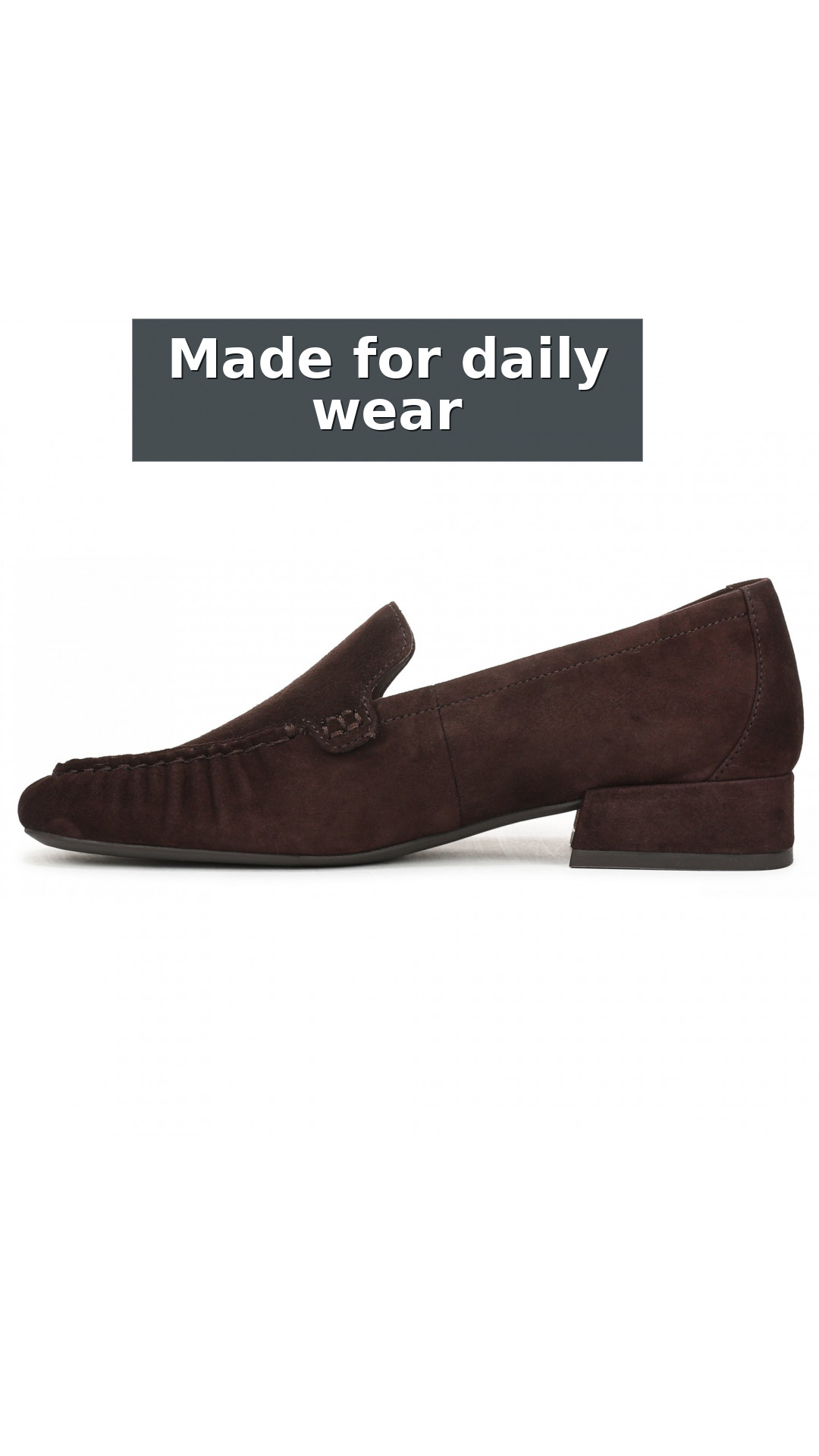
Made for daily wear
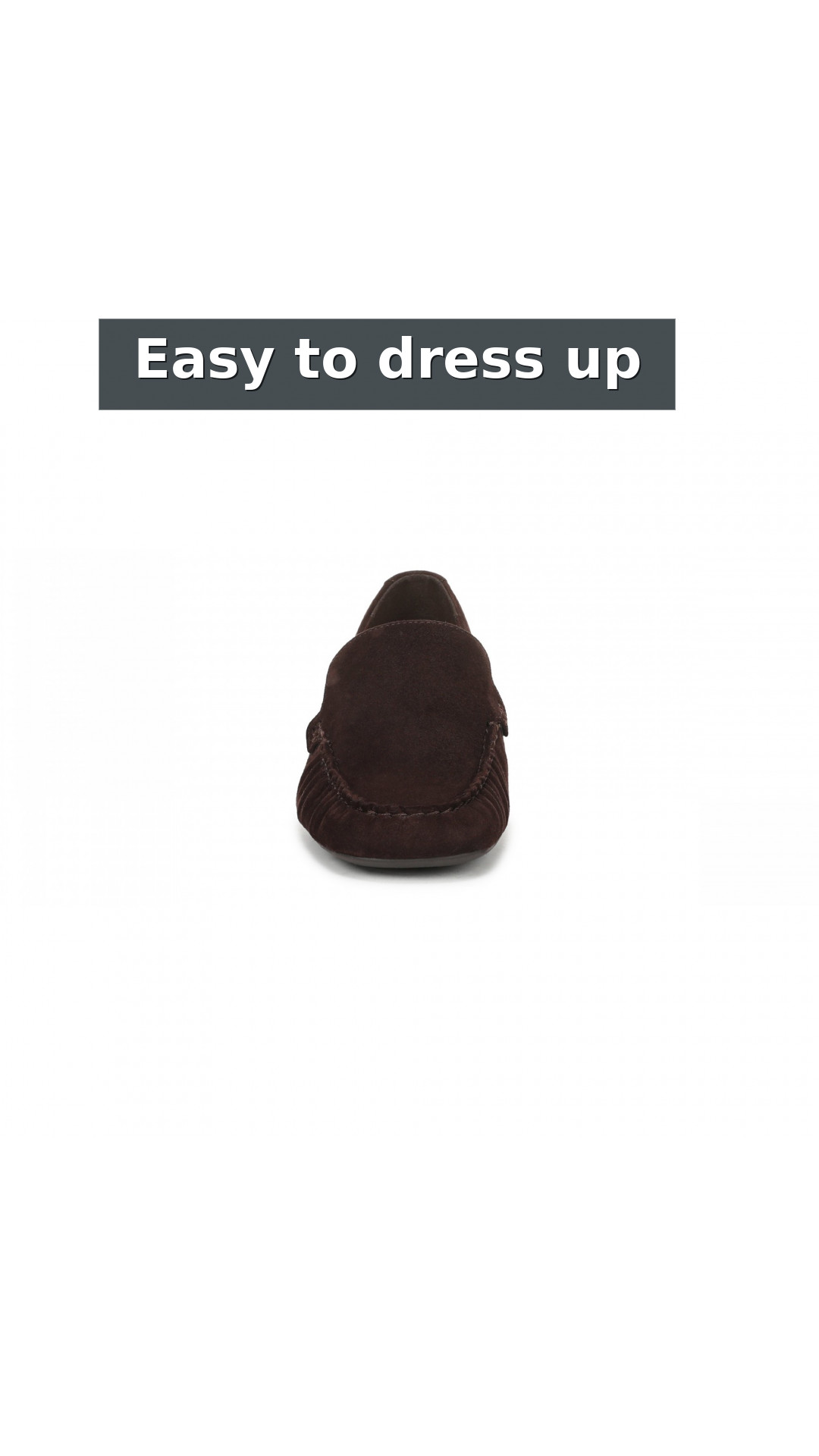
Easy to dress up
Vionic Pilar Women's Loafer-Flats · $149.95 · Shop this product · Open full Shop Grid