
Best Walking Shoes for Flat Feet: Everyday Support FAQ
If you walk on flat feet and feel tired arches, sore heels, or knees that roll inward, the right pair of supportive walking shoes can make everyday miles feel easier. This shopping guide answers the most common questions so you can choose with confidence and reduce fatigue.

Shop walking shoes • Browse flat feet footwear
Quick answer: The best walking shoes for flat feet combine stable support with moderate cushioning. Look for a firm heel counter, guided midfoot support (posting or a broad base), a slight rocker to smooth transitions, and a removable insole so you can fine-tune support with an orthotic if needed.
What makes the best walking shoes for flat feet?
Flat feet often overpronate, which can sap energy as miles add up. Supportive walking shoes for flat feet help align your stride and spread pressure more evenly. Prioritize:
- Stability first: A broad, torsionally stable midsole with a firm heel counter to limit inward collapse.
- Guided support: Medial posting, guide rails, or inherently supportive geometry to tame overpronation.
- Balanced cushioning: Enough foam to dampen impact without feeling mushy or wobbly.
- Rocker or bevel: A slight toe spring or heel bevel smooths heel-to-toe transitions and reduces calf strain.
- Orthotic-friendly design: Removable insole and adequate depth to accept arch supports.
- Fit options: Available widths and a roomy toe box so the forefoot can splay naturally.
- Durable outsole: Grippy rubber under the big toe and medial heel resists uneven wear from overpronation.
Tip: Try on at day’s end when your feet are slightly swollen. If the shoe feels unstable or your arch feels sore within minutes, it is likely too soft or too narrow for your stride.
Stability vs cushioning: What should I prioritize?
Both matter, but for flat feet and walking shoes for overpronation, stability usually leads and cushioning supports the ride. Use this quick comparison:
| Focus | What it does | How it feels | Best for |
|---|---|---|---|
| Stability | Controls excess inward roll with a firm heel, guided midfoot, and a wider base | Secure, steady, less wobble | Moderate to strong overpronation, all-day walkers, fatigue reduction |
| Cushioning | Absorbs impact under heel and forefoot | Soft to moderately soft; too much can feel squishy | Hard surfaces, longer walks, sensitive joints |
Simple rule: start stable, then add just enough cushioning for comfort. If your arches feel tired in soft shoes, size up stability. If your joints feel beat up in firmer shoes, size up cushioning without losing support.
Do flat feet need motion control shoes?
Not always. Many walkers with flat feet do best in stability shoes rather than full motion control. Choose motion control only if you have significant overpronation that a stability shoe cannot manage. Consider motion control when you notice:
- Knees collapsing inward despite a stable shoe
- Severe inward foot roll with visible shoe leaning
- Persistent inner-arch fatigue on short walks
On the other hand, if the shoe feels too stiff or pushes you outward, it may be overcorrecting. Comfort, alignment, and a natural forward roll should guide your choice.
Which brands make supportive walking shoes for flat feet?
These customer-loved collections at Orthotic Shop offer stable platforms, removable insoles, and everyday-walk comfort:
- Vionic – Why it works: Built-in biomechanical support and firm heel counters in many models. Best for: walkers seeking ready-to-wear arch support with a secure heel.
- Drew Shoes – Why it works: Extra depth, removable insoles, and multiple widths. Best for: flat feet needing room for custom orthotics and a precise fit.
- Revitalign – Why it works: Contoured footbeds and balanced cushioning. Best for: daily walkers who want supportive comfort without bulk.
- Spenco – Why it works: Ortho-minded footbeds with metatarsal and arch contouring. Best for: moderate support and all-day wear.
- Reebok Work – Why it works: Stable, grippy platforms for walk-heavy jobs. Best for: overpronating walkers who are on their feet at work.
Unsure where to start? See our in-depth overview of features and fit in the Flat Feet Guide: Shoes, Insoles, and Support Tips.
Are insoles necessary if the shoe already has arch support?
Think of the shoe as your foundation and the insole as your fine-tuning tool. Many stability shoes include adequate support, but a quality insole can personalize arch contour, heel comfort, and pressure distribution.
When to add an insole:
- You feel arch fatigue by mile 2 to 3 even in a stable shoe
- Your heel wants a deeper cup for better alignment
- You need extra shock absorption for concrete or long shifts
Start with the stock insole for a week, then upgrade if you still feel strain. Explore Arch Supports and Shoe Insoles, and learn how to dial in firmness and shape in How to Choose the Right Arch Support.
Can walking barefoot help flat feet?
Short foot-strengthening drills can be helpful for some people, but for everyday walking and overpronation, barefoot or very minimal shoes can increase strain on arches and calves. Most walkers with flat feet feel better in stable, cushioned shoes that guide the foot and reduce fatigue. If you like a minimal feel, keep the platform stable and consider adding a supportive insole while you gradually build foot strength.
If you also have heel tenderness, see our Shoes for Plantar Fasciitis guide for comfort ideas you can pair with a flat-foot-friendly shoe.
Fit checklist for walking shoes for overpronation
- Heel: snug with minimal slip; firm counter hugs without rubbing
- Midfoot: secure wrap; no bulging over the inner edge
- Toe box: a thumb’s width in length; enough width for natural splay
- Flex: bends at the forefoot, not the arch; twist is limited
- Insole: removable and supportive; add an orthotic if you need more guidance
Takeaways and next steps
- Prioritize stability, then add cushioning until your joints feel good without wobble.
- Match support level to your pronation: stability for most, motion control only if needed.
- Use orthotic-friendly shoes so you can fine-tune comfort with an insole.
- Choose widths and a roomy toe box to prevent rubbing and improve alignment.
Shop walking shoes or Browse flat feet footwear. For deeper tips, visit our Flat Feet Guide and learn to personalize support in How to Choose the Right Arch Support.
Products to compare
These are shopping examples, not a ranking or medical recommendation. Features and fit vary by model. Listed options and prices can vary by size and stock; check each product's current details.


Style and product inspiration
Swipe through this Shop Grid.
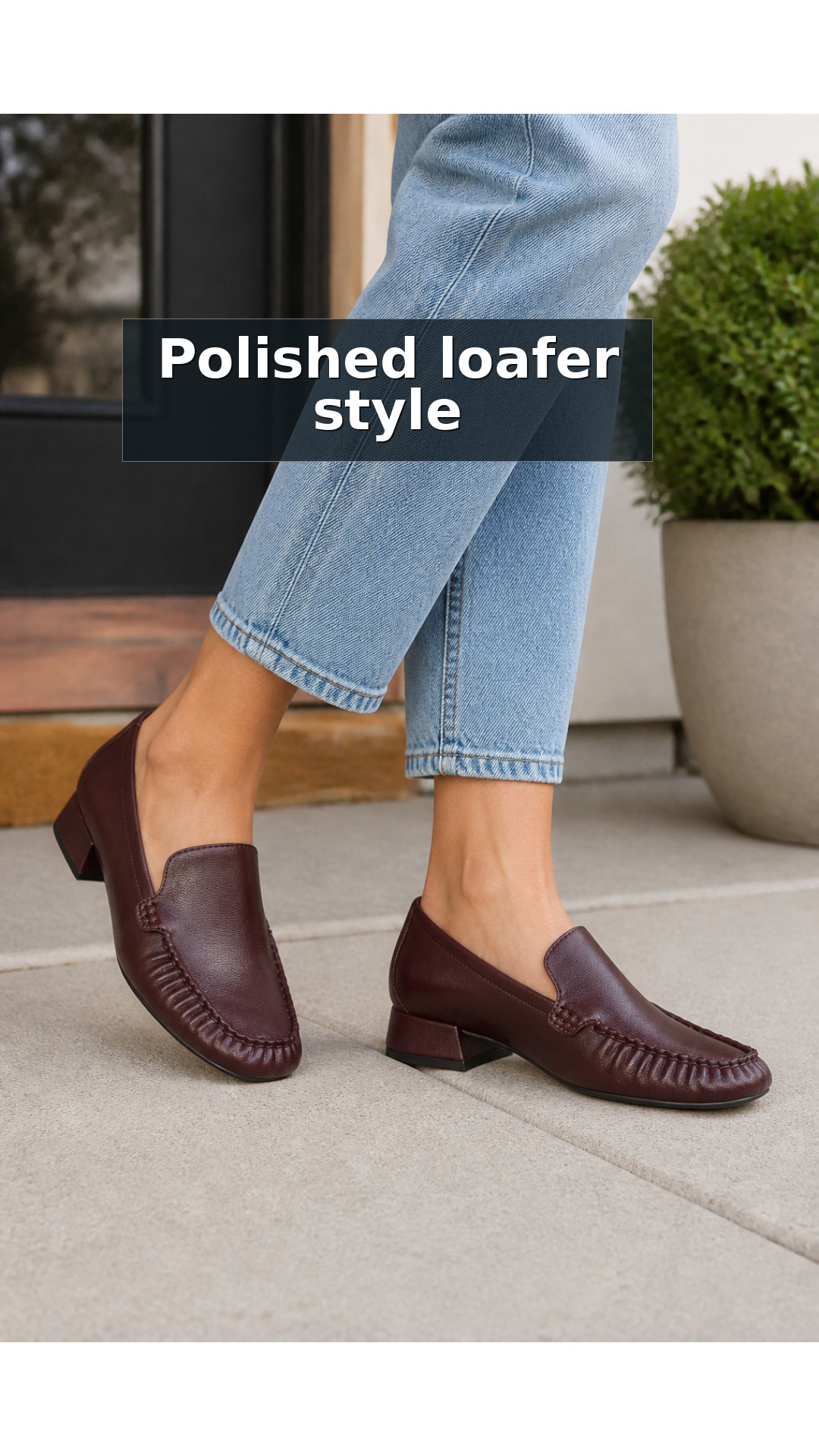
Polished loafer style
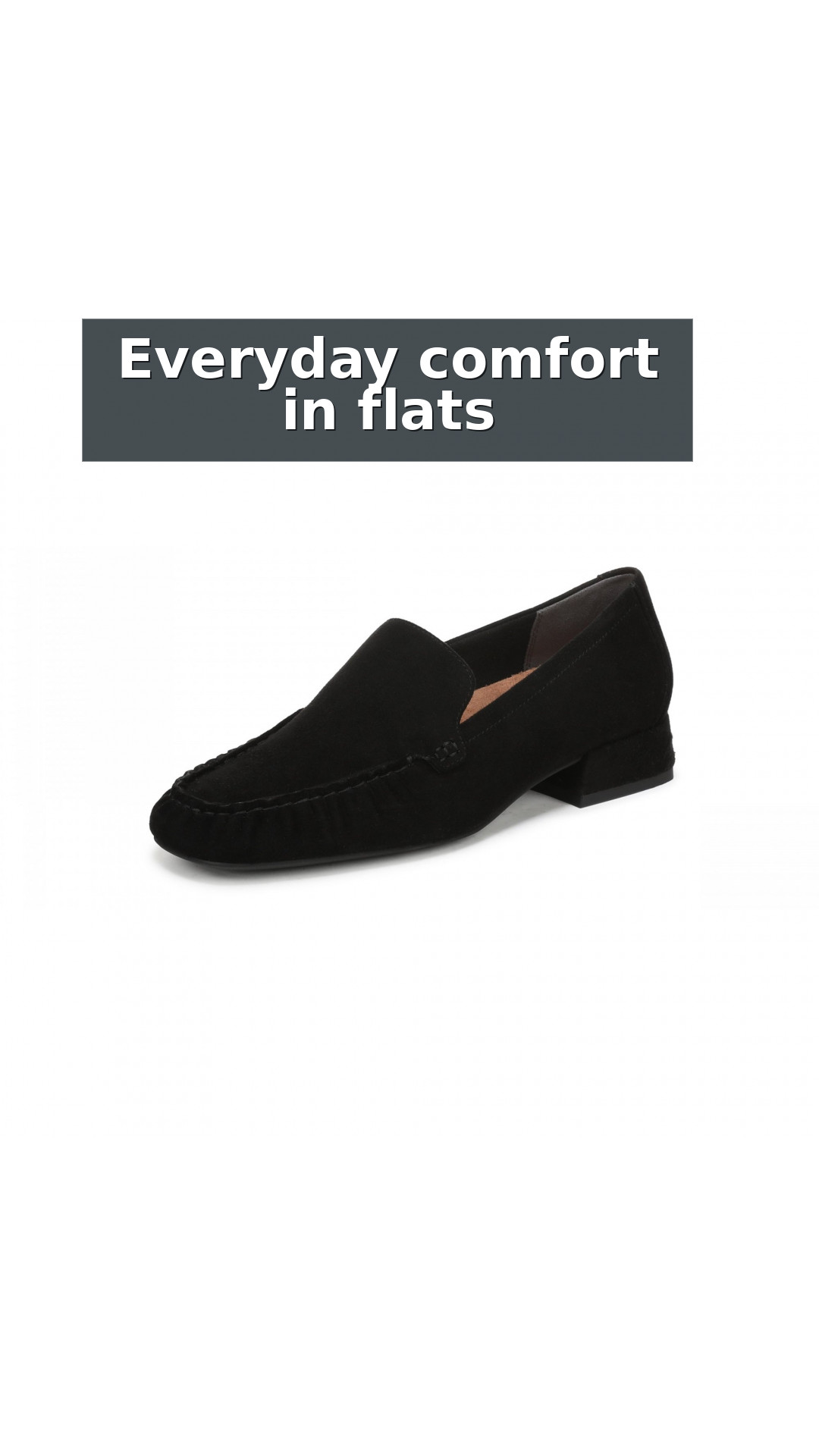
Everyday comfort in flats
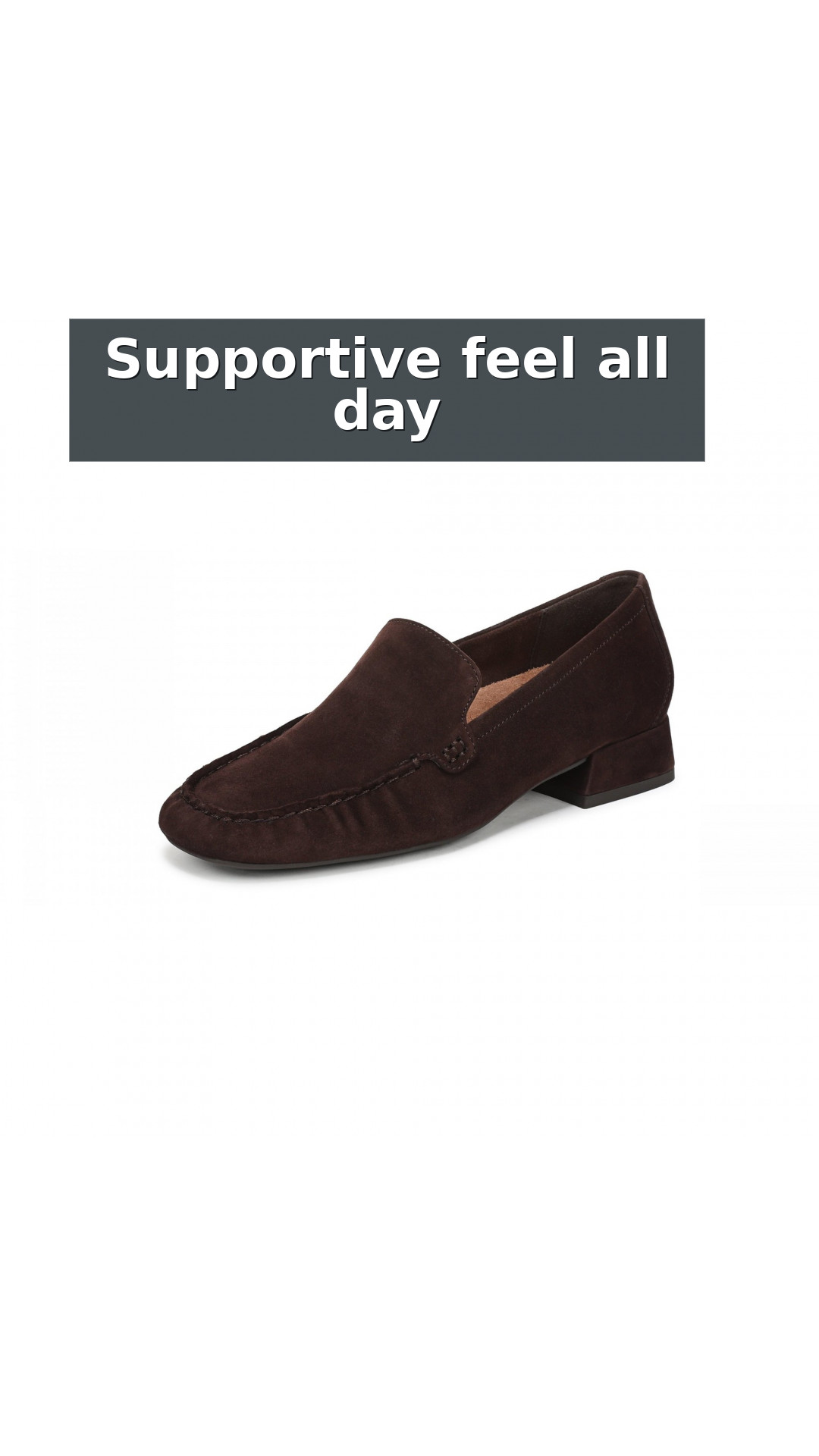
Supportive feel all day
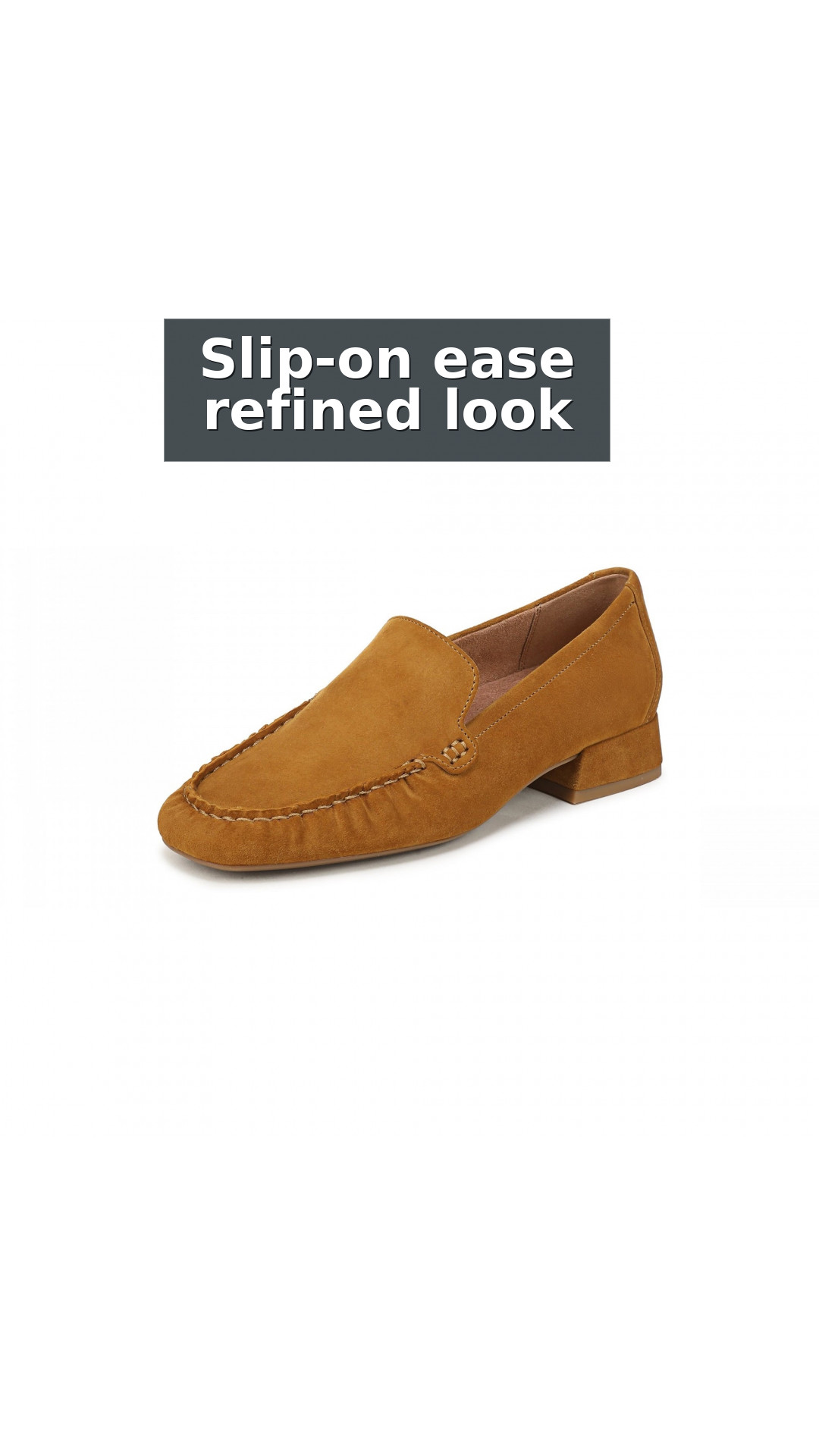
Slip-on ease refined look
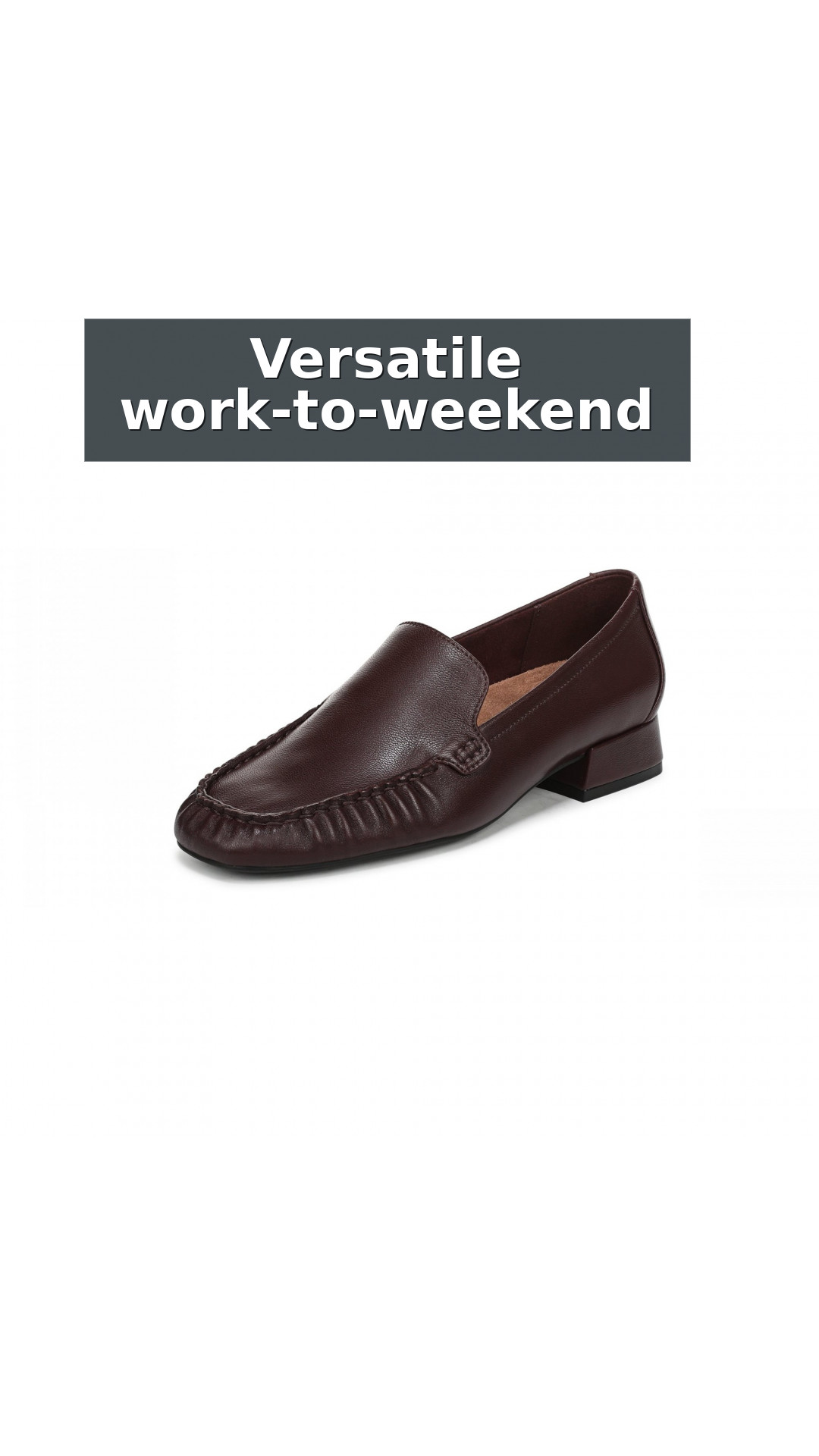
Versatile work-to-weekend wear
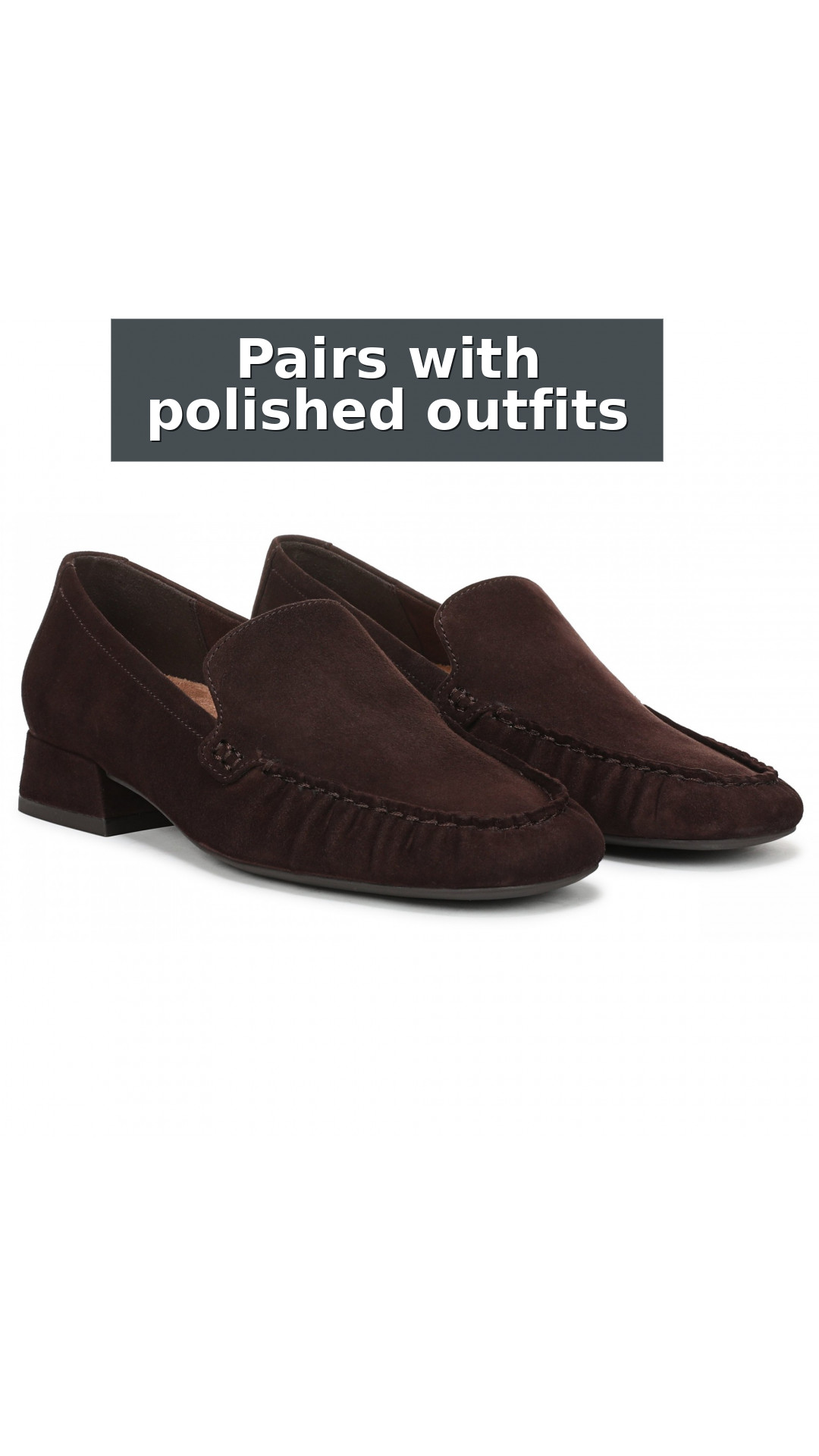
Pairs with polished outfits
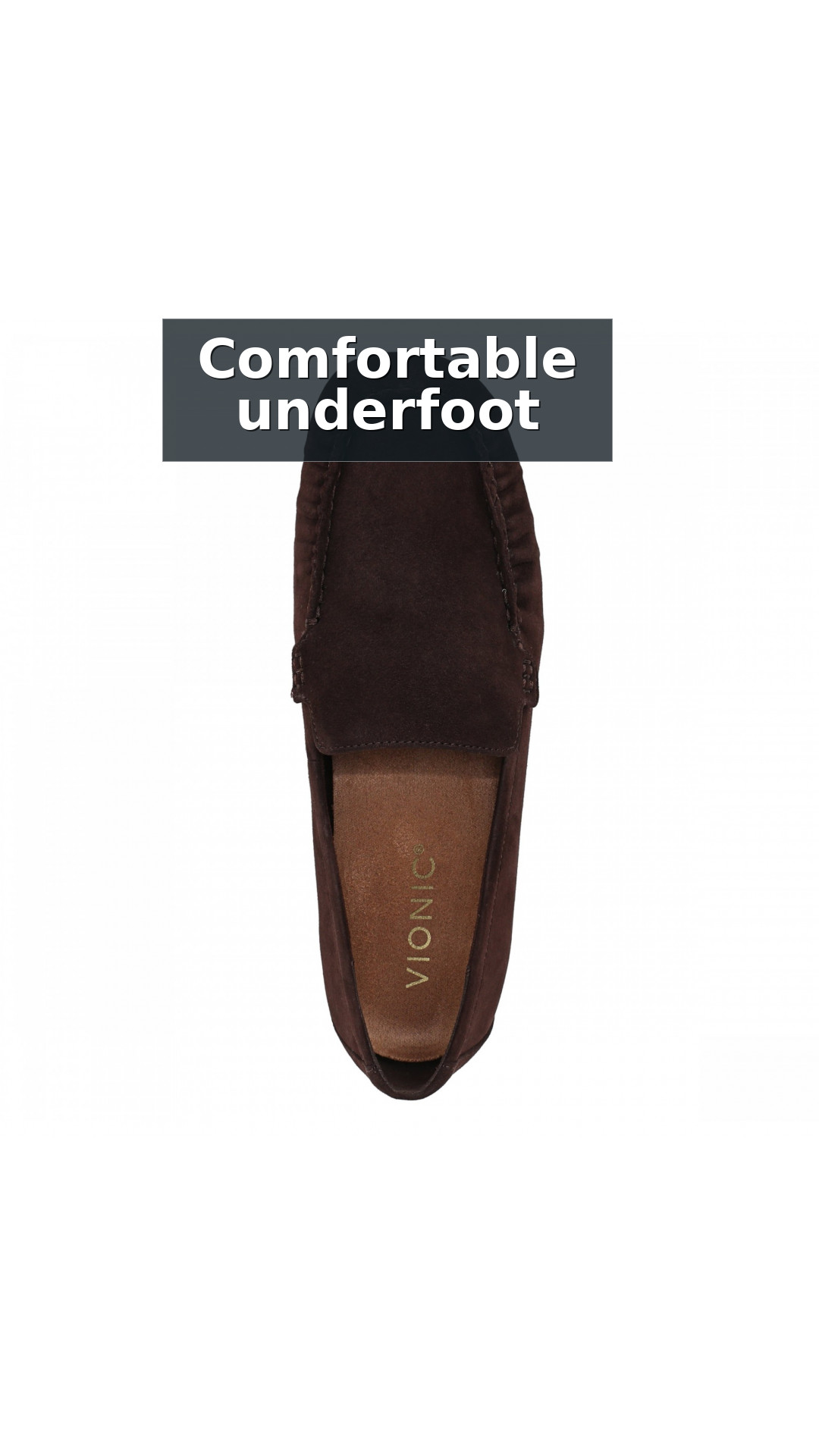
Comfortable underfoot cushioning
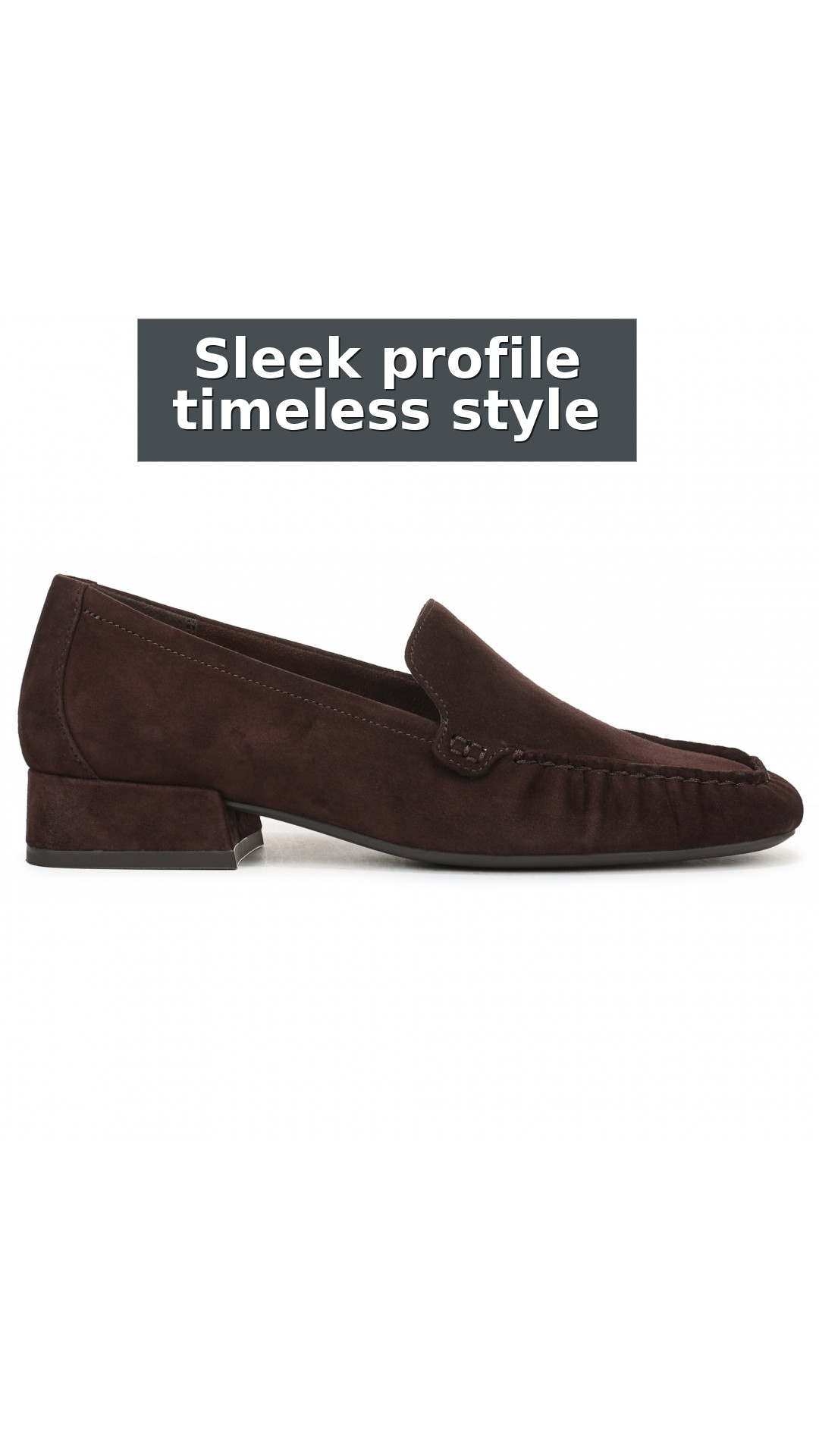
Sleek profile timeless style
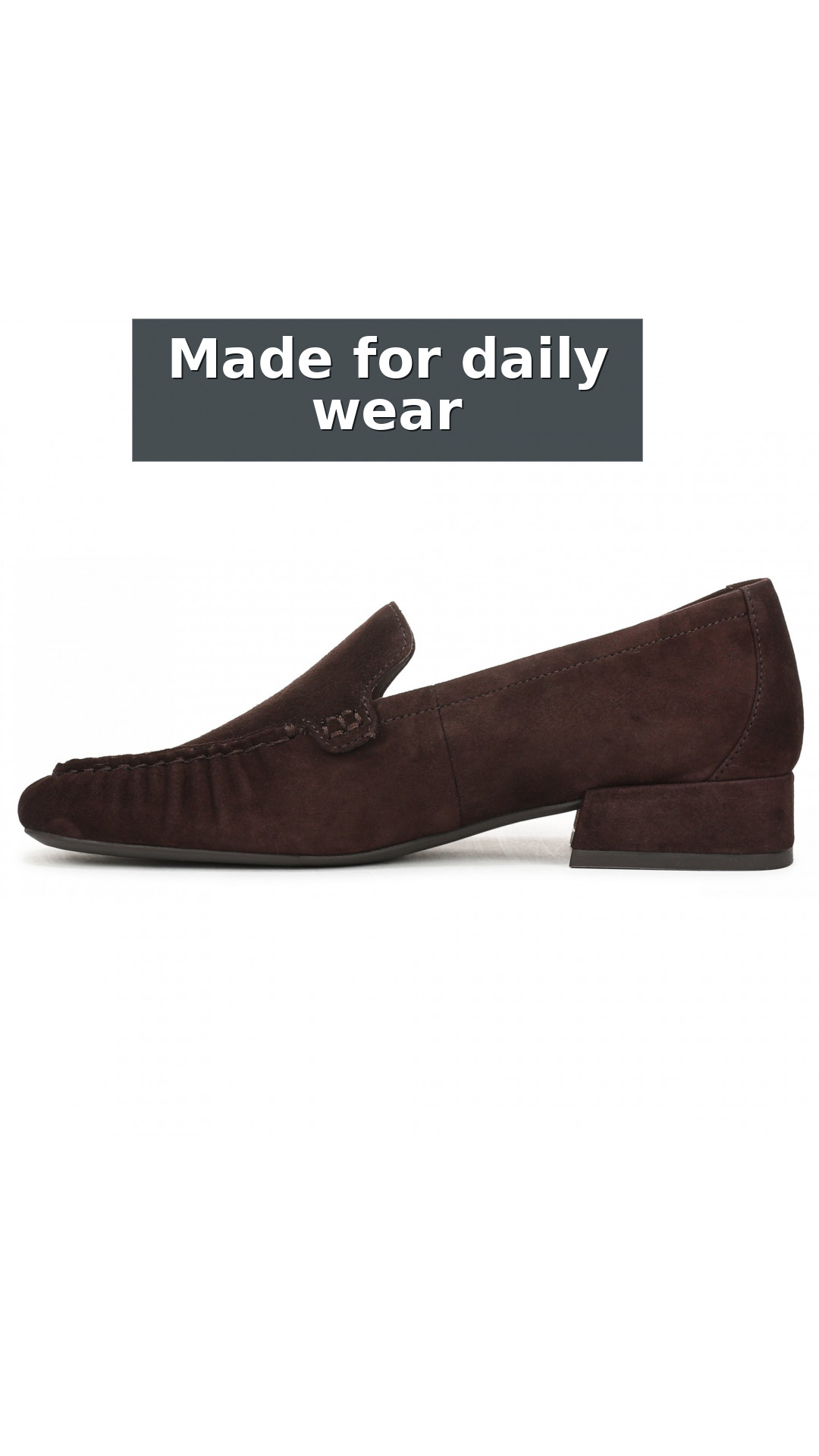
Made for daily wear
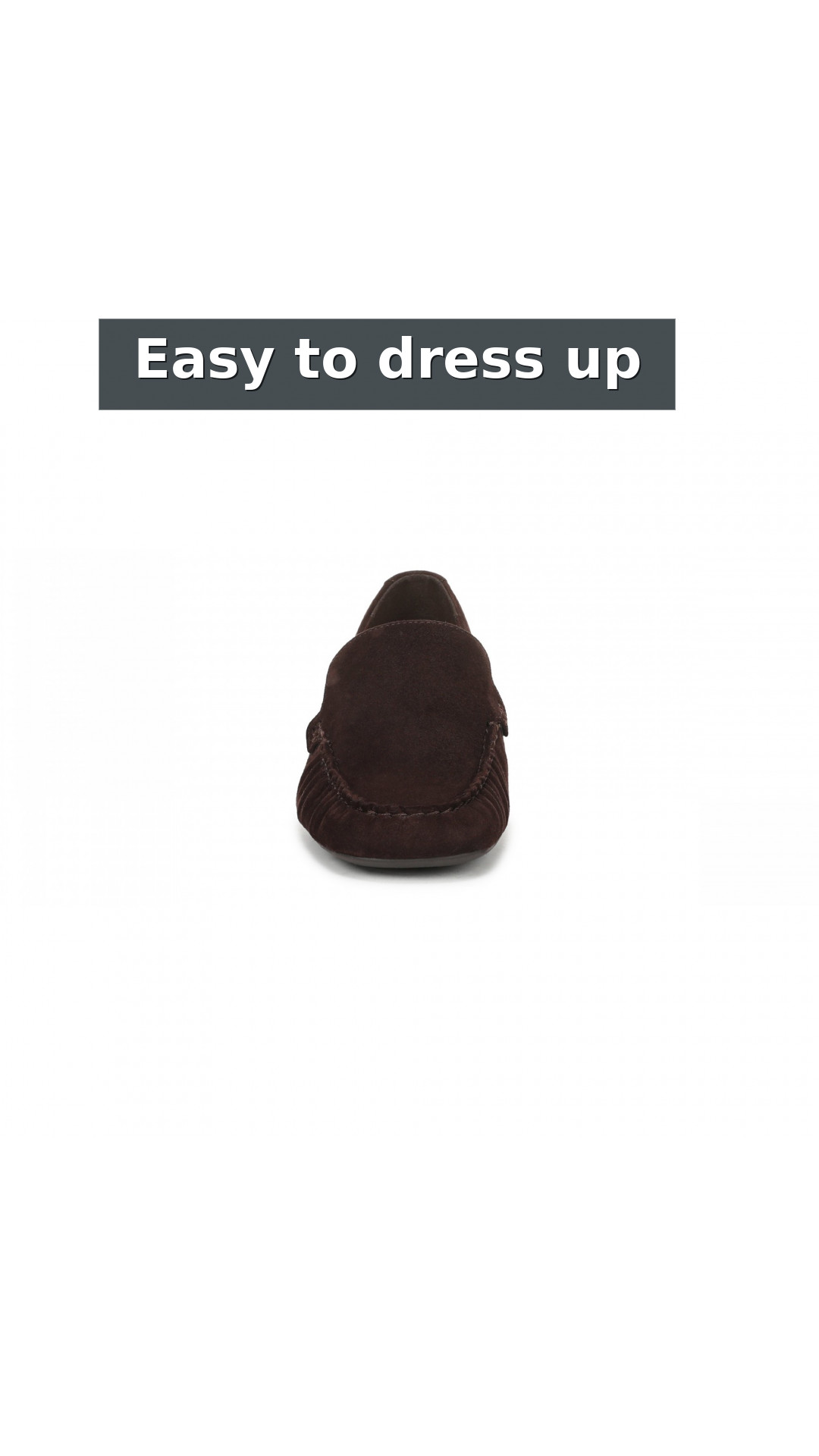
Easy to dress up
Vionic Pilar Women's Loafer-Flats · $149.95 · Shop this product · Open full Shop Grid