
Case Example: Choosing the Right Shoes for a 12-Hour Shift | News

Quick answer: The best shoes for 12 hour shifts are the ones that fit your feet, meet your workplace rules, and stay comfortable through the mix of standing and walking your job requires. Start with adequate toe room, a secure heel, cushioning that feels comfortable to you, and enough space for any inserts you use. Then check each shoe’s listed features rather than assuming a style is work-ready.
To make that process more concrete, here is a hypothetical shopper example. It is a decision-making guide, not a customer story or a claim that one shoe will work for everyone.
Meet Morgan: A 12-Hour Shift With Lots of Standing
Morgan works long shifts in a large retail store. The day includes stretches at a checkout, walks across the sales floor, and time moving stock. The dress code calls for closed-toe shoes with a secure back. Morgan’s current shoes feel snug across the toes by the end of a shift, and the heel slips a little when walking quickly.
Morgan searches for “what shoes to wear for all day standing,” but a list of popular shoes does not answer the most important questions: Which pairs fit Morgan’s feet? Which meet the dress code? And which have the features Morgan wants without creating new pressure points?
Before browsing, Morgan writes down three priorities: more room around the toes, a heel that stays put, and a comfortable feel while both standing and walking. If Morgan’s employer also required a particular slip-resistant rating or other safety feature, that requirement would be a nonnegotiable filter—not something to infer from a shoe’s appearance.
Step 1: Turn the Shift Into a Shoe Checklist
A useful long shift shoe guide starts with the workday, not a brand name. Morgan considers the surfaces at work, how much of the shift involves walking, and whether shoes need to be wiped clean. Those details narrow the search more effectively than a general promise of “all-day comfort.”
- Workplace rules: Confirm required toe coverage, heel coverage, colors, materials, and any safety or traction specifications.
- Fit: Look for room for the toes to move without the foot sliding forward. The heel should feel secure without rubbing.
- Underfoot feel: Compare cushioning and footbed support while standing and walking. More cushioning is not automatically better for every shopper.
- Adjustability: Laces or other adjustable closures may help fine-tune a secure fit, especially if feet change size somewhat during the day.
- Insert space: If using an orthotic or separate insole, check whether the original footbed is removable and whether the shoe has enough interior room.
Morgan decides to try shoes on with the socks worn to work. Trying them later in the day may also help reveal a fit that feels fine in the morning but too snug after hours on foot. If a shoe already pinches during a short try-on, Morgan does not count on it stretching into the right fit.
Step 2: Compare Shoe Types Without Guessing at Features
Morgan narrows the search to a few categories, then checks individual product descriptions for the required details. Shoe type is a starting point; it does not guarantee a particular fit, outsole, or workplace approval.
| Option to explore | Why Morgan considers it | What to verify |
|---|---|---|
| Walking shoe | Morgan moves around the store throughout the shift. | Toe room, heel hold, closure, and any required work features. |
| Athletic-style shoe | Morgan wants to compare cushioning and flexibility. | Employer dress code and the specific shoe’s outsole and fit details. |
| Closed-back clog | Morgan wants to compare a different shape and entry style. | Secure fit during walking, heel coverage, and workplace requirements. |
For example, Morgan can browse Propet Walking Shoes or Alegria Clogs to compare available styles, while treating every product as an individual fit decision. Neither category should be assumed to meet a specific employer’s rules. For a broader overview of features to consider, Morgan can also read Orthotic Shop’s Supportive Shoes for Work guide.
Step 3: Solve the Fit Issue Before Adding an Insole
Morgan’s main complaint is toe pressure, so buying a thicker insole first could make the current shoes feel even tighter. Instead, Morgan checks the shoe’s shape and size. The goal is enough space across the forefoot and above the toes while keeping the heel secure. If the usual size is consistently tight across the width, the Extra-Wide Shoes guide explains another fit option to consider.
Morgan also has an older insert that feels comfortable in some shoes. If using it in a new pair, Morgan looks for a removable footbed and tries the shoes with the insert in place. An insert should not force the foot against the upper or cause heel slippage. Orthotic Shop’s How to Fit Shoes Over Orthotics guide offers a deeper fit checklist.
After comparing options, Morgan chooses a pair that meets the dress code, feels roomy at the toes, and stays secure during a short walk. That is a sensible purchase decision—not a guarantee about how every future shift will feel. Morgan keeps the packaging and checks the return policy before wearing the shoes to work.
Common Questions About 12-Hour Shift Shoes
What should matter most for long shifts?
Start with workplace requirements and fit. A shoe that feels cushioned but pinches the toes, slips at the heel, or fails a required safety specification is not the right choice. Next, compare the underfoot feel during the tasks you actually do: standing, walking, turning, and moving at your usual pace. If you use inserts, evaluate the complete shoe-and-insert combination.
Should shift workers rotate shoes?
Rotating between two suitable pairs is an option, not a requirement. It can give a pair time to dry between wears and lets you choose between shoes that work for different parts of your routine. Both pairs still need to fit properly and meet workplace rules. If shoes are wet or worn, follow their care instructions and inspect them before your next shift rather than relying on rotation alone.
Shop With a Short, Practical List
Morgan’s example shows why “best” is personal: the useful choice is a shoe that matches the shift, the dress code, and the wearer’s feet. Ready to compare options? Start with Orthotic Shop’s work shoe guide, then browse a relevant footwear category and check each product’s listed features. If you are considering a separate insert, explore Arch Supports & Shoe Insoles only after confirming your shoes have room for one.
Product-selection checklist:
- Does this specific shoe meet every workplace requirement?
- Is there comfortable toe room with my work socks on?
- Does my heel stay secure when I walk and turn?
- Do the cushioning and footbed feel comfortable while I stand and move?
- If I use an insert, does it fit without crowding my foot?
- Have I checked the product details, care instructions, and return policy?
Products to compare
These are shopping examples, not a ranking or medical recommendation. Features and fit vary by model. Listed options and prices can vary by size and stock; check each product's current details.


Style and product inspiration
Swipe through this Shop Grid.
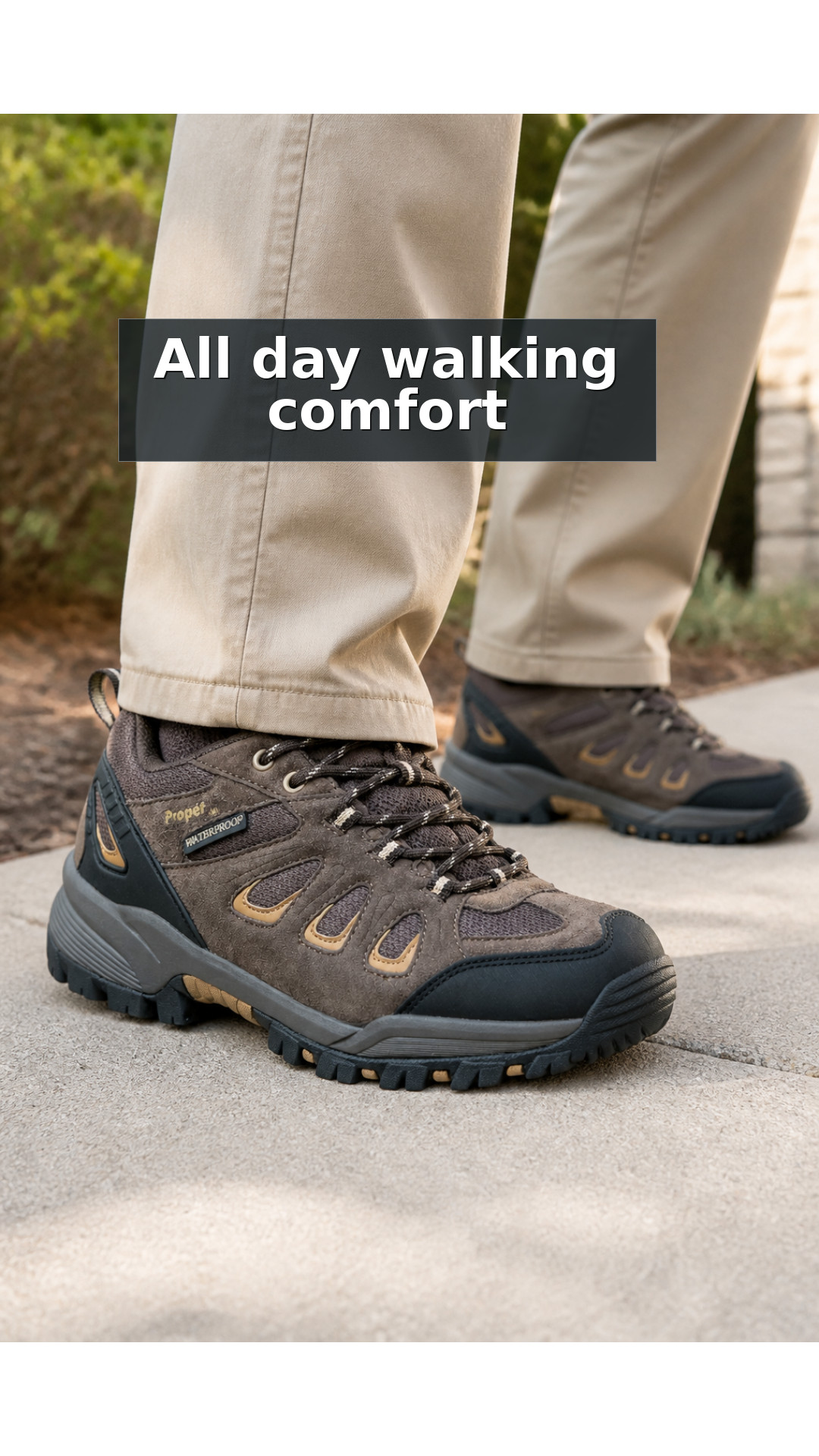
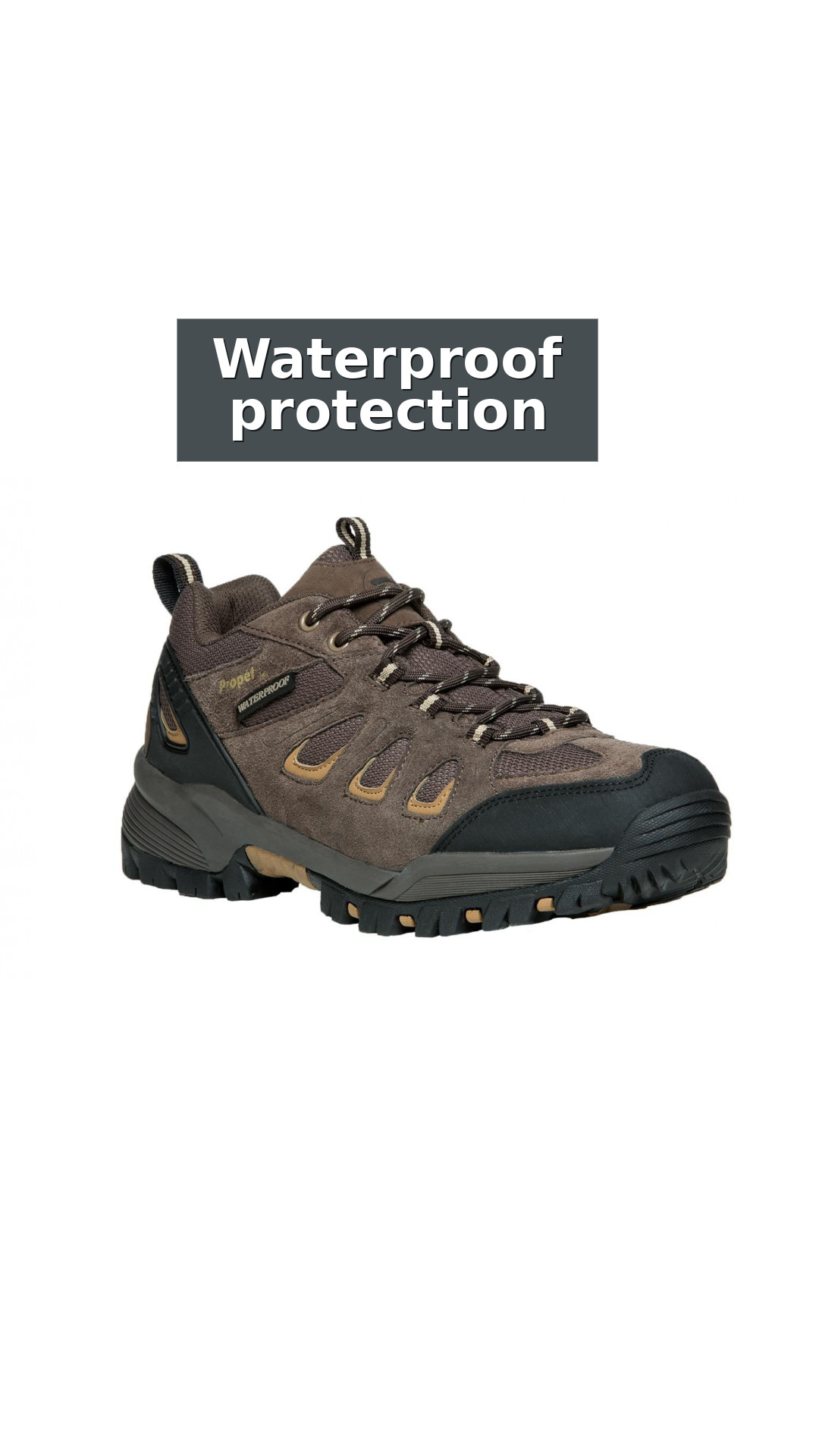
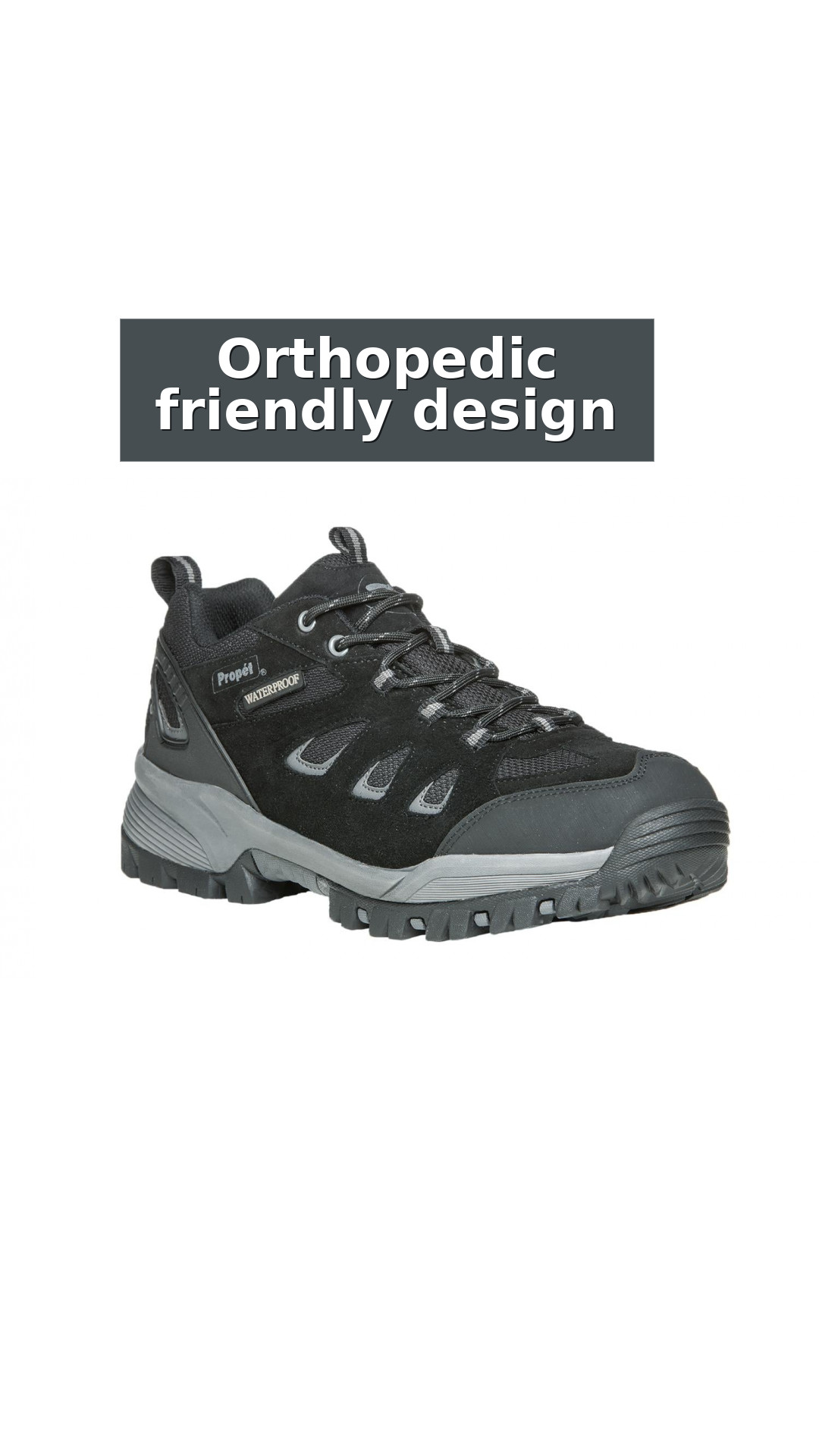
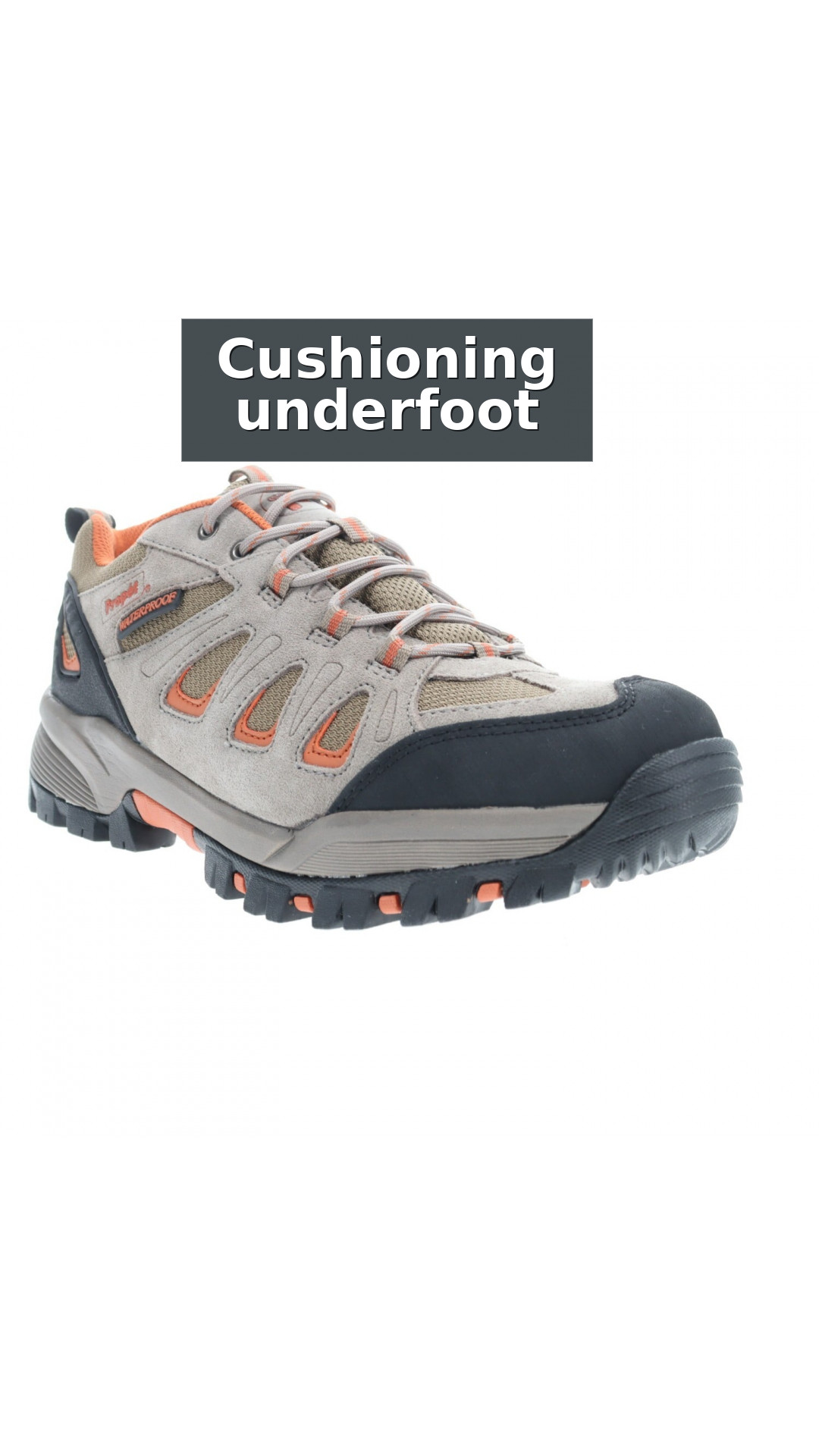
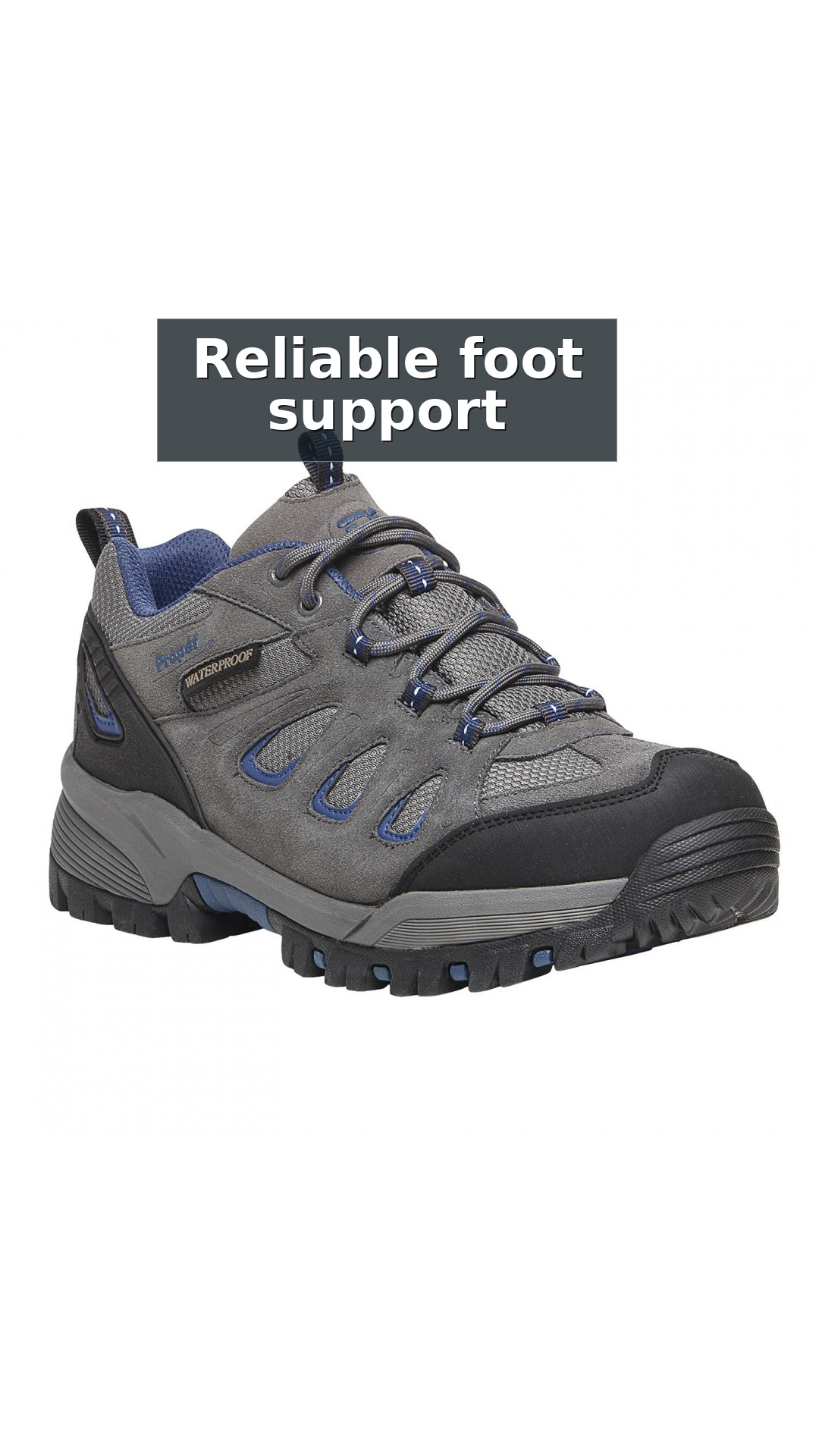
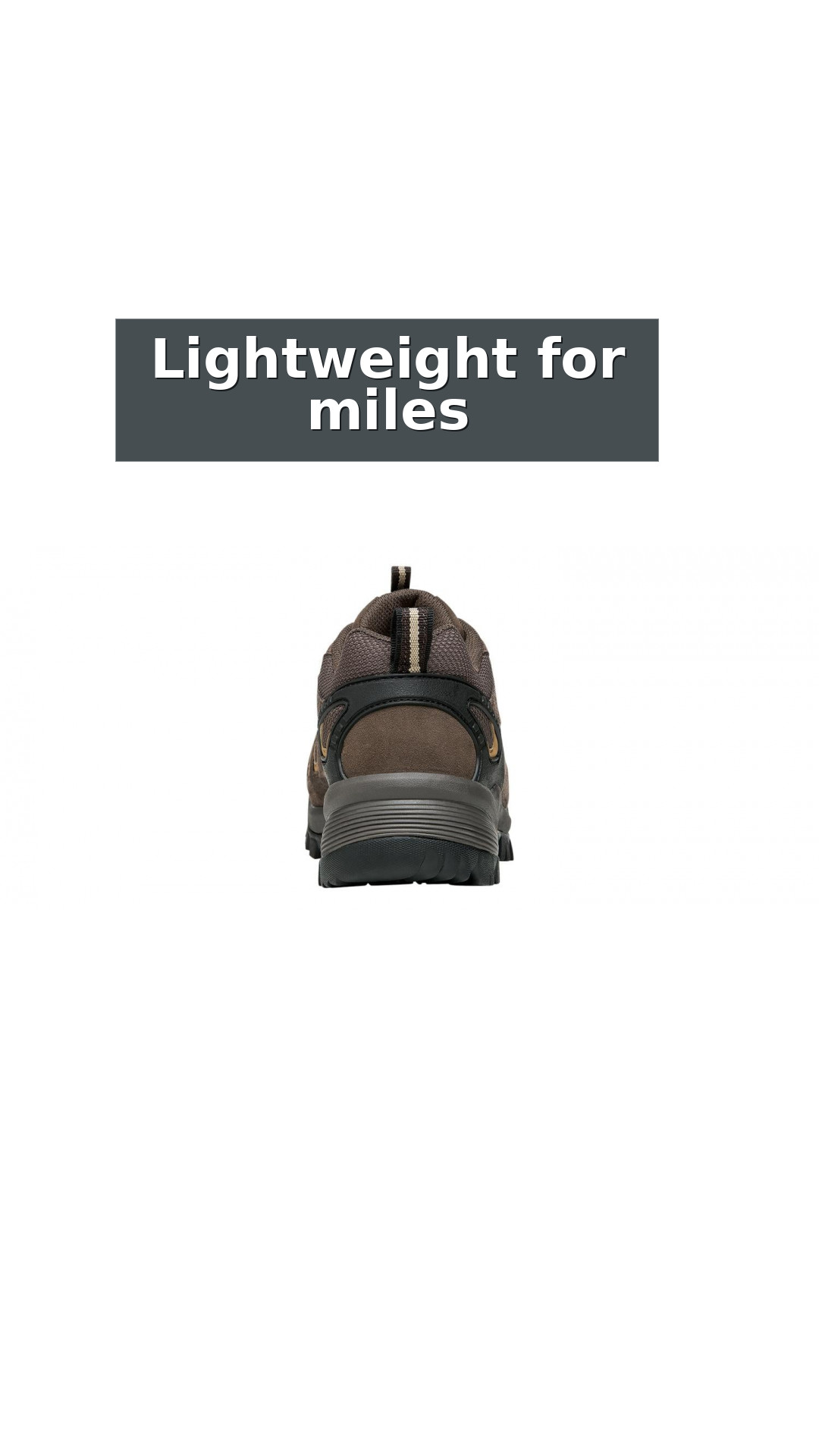
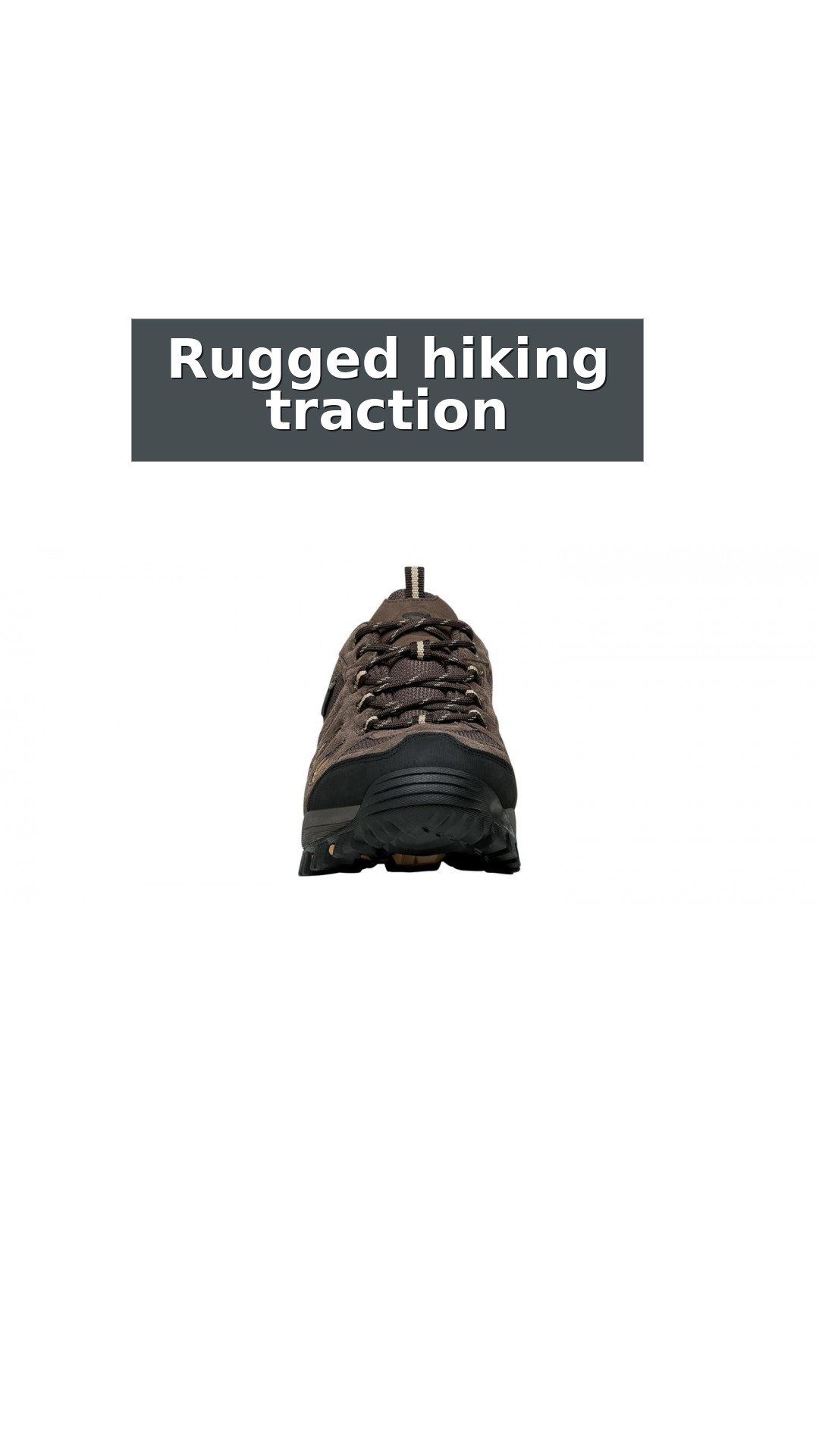
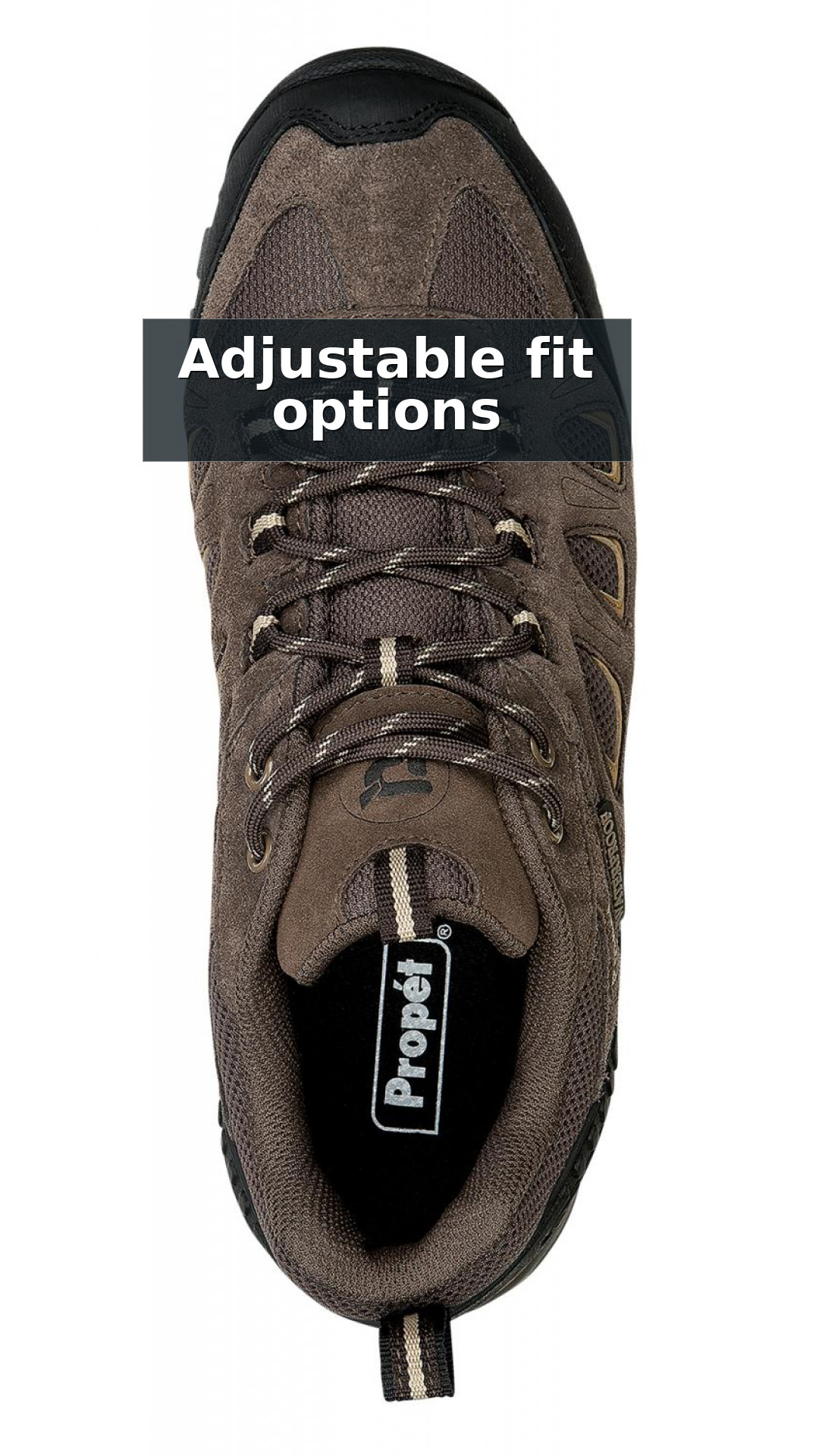
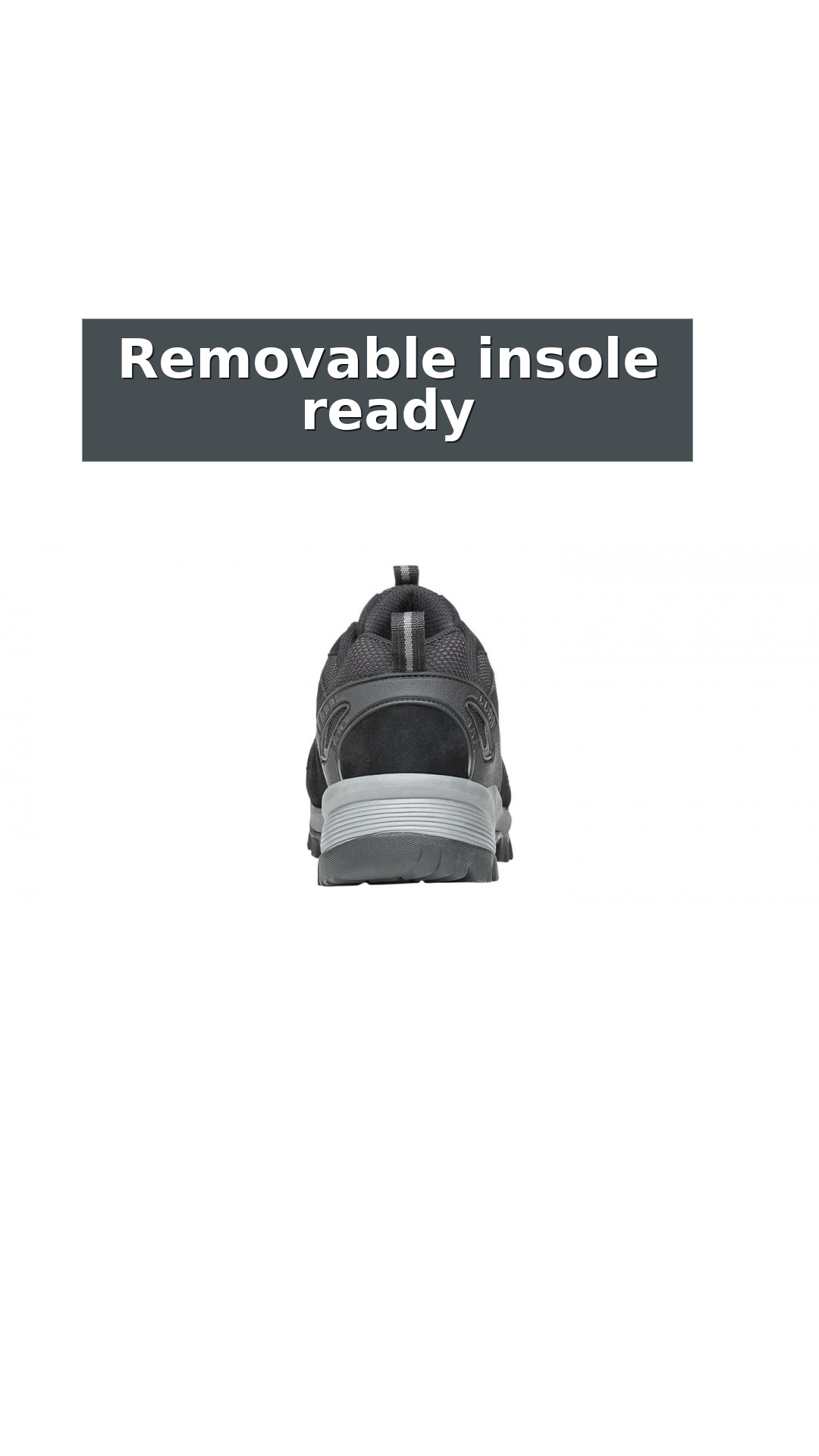
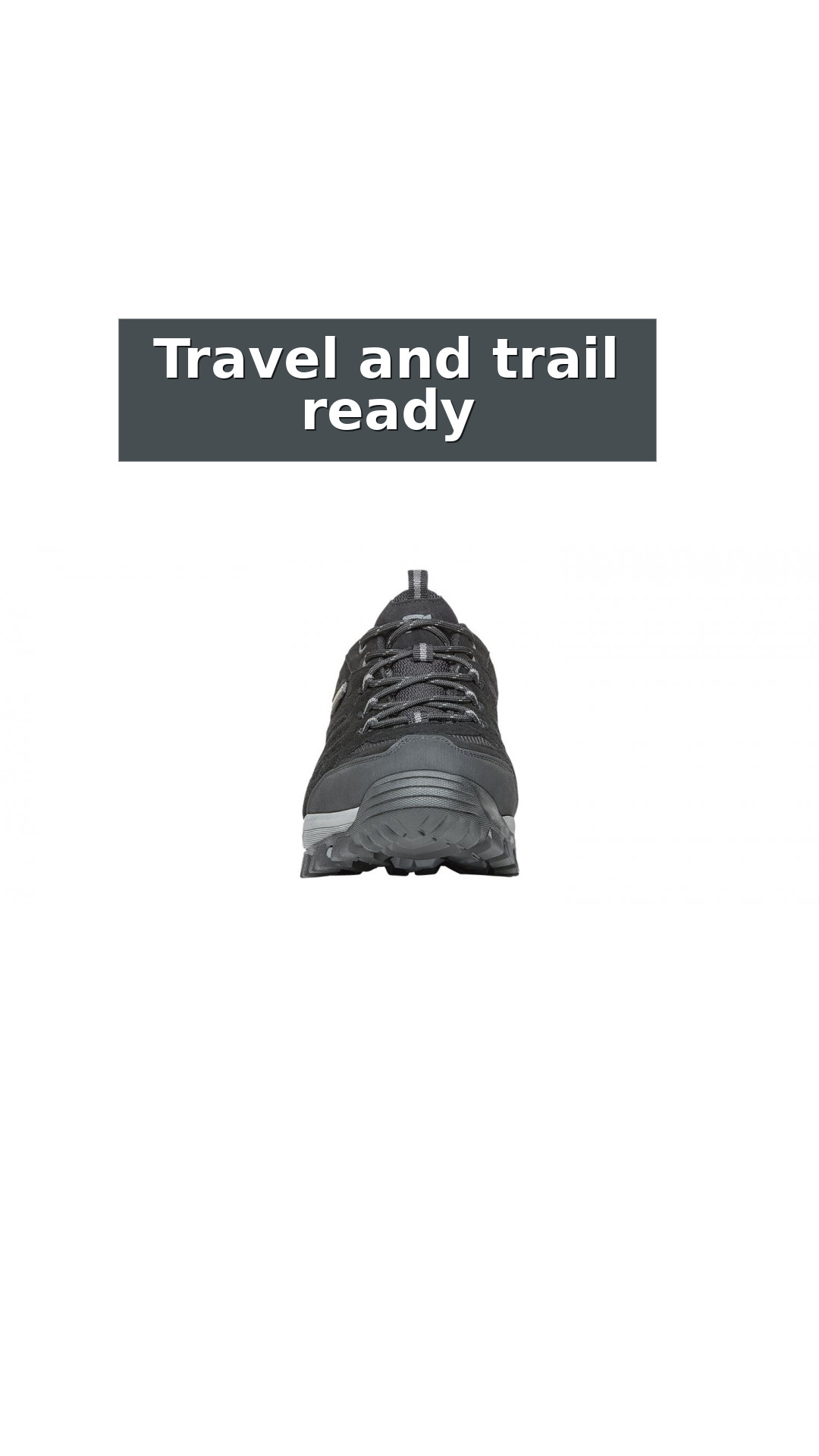
Propet Ridge Walker - Men's Orthopedic Waterproof Hiking Shoe · $93.50-$124.99 · Shop this product · Open full Shop Grid