
Kids' Shoes for AFOs: Fit Checklist | Orthotic Shop | News

When choosing kids shoes for AFOs, check three things first: whether the opening admits the prescribed brace, whether the interior has enough usable depth and width, and whether the shoe closes securely with the actual brace inside. A size label or an extra-depth description cannot confirm the complete fit.
This guide is for parents and caregivers shopping for a child who already uses a prescribed ankle-foot orthosis, or AFO. Follow the child's orthotist's instructions throughout the process. For broader shopping guidance, see Orthotic Shop's kids' orthopedic shoe fit guide.
1. Get the orthotist's shoe requirements before shopping
An AFO and its shoe need to work together. Before comparing footwear, ask the orthotist what matters for your child's particular brace and whether they want to assess the new shoes with it.
- Shoe construction: Ask about heel height, sole shape, sole flexibility and any other required characteristics. Do not assume a similar-looking shoe is an equivalent replacement.
- Interior layers: Confirm whether a removable shoe footbed or fitting pad may be taken out, and which layers must remain.
- Socks and brace setup: Use the prescribed socks and brace arrangement when measuring and trying on shoes.
- Fit allowance: Ask how much room is appropriate rather than applying a general children's sizing rule.
- One-sided AFO use: If only one foot is braced, ask how to accommodate both feet without leaving the unbraced foot insecure.
Do not trim, heat, bend or otherwise alter the AFO to make it fit a shoe. Questions about brace changes belong with the orthotist.
2. Compare opening access, depth and closure reach
Opening access and interior space are separate requirements. A shoe may have enough room once the brace is inside but still be difficult to put on. Another may open widely yet lack enough depth over the instep.
| What to check | What to look for | Mistake to avoid |
|---|---|---|
| Opening access | A tongue and fastening arrangement that opens far enough for the foot and brace to enter together as instructed. | Judging access from the appearance of the toe box. |
| Usable depth | Space above the braced foot, including the instep and any prominent brace components. | Assuming width alone creates enough vertical room. |
| Width and shape | An interior shape that accommodates the brace without obvious side pressure or distortion. | Buying excessive length to compensate for insufficient width. |
| Closures | Straps or laces that reach and secure properly with the brace inside. | Accepting a closure that barely catches or must be overtightened. |
| Heel seating | A heel area that allows the prescribed brace position without interference. | Assuming a closed shoe means the heel is fully seated. |
Look for specific listing details and useful product photos. If measurements, opening details or closure information are missing, ask before ordering rather than treating an unknown feature as suitable.
3. Measure with the actual brace—not just the bare foot
Measure both feet using the socks and AFO setup your child will actually wear. The orthotist can help identify which dimensions matter and how to record them accurately.
- Overall length: Record the space needed by the foot-and-brace assembly, including any brace footplate that extends beyond the toes.
- Widest points: Note the widest part of the braced forefoot and any wider areas around the heel or ankle.
- Vertical space: Note the height needed over the toes and instep, including brace straps or other components.
- The other foot: Measure it separately, whether it is braced or unbraced.
Use these measurements to ask about a shoe's usable interior dimensions. An outsole measurement is not an interior measurement. If a listing provides only a standard size chart, that chart alone cannot establish AFO fit.
Avoid sizing up automatically for growth. Extra length does not reliably solve a depth or opening problem, and the resulting shoe may not secure the foot appropriately.
4. Check the complete fit before committing
Review the return policy before purchasing, including any restrictions on try-ons or removed packaging. Bring the actual brace and prescribed socks to an in-person fitting, or have them ready for an eligible home try-on.
- Open the shoe fully. Insert the foot and brace using the method your orthotist showed you. Do not force entry or crush the heel counter.
- Confirm positioning. Check that the foot is seated correctly in the AFO and that the brace is seated correctly in the shoe.
- Fasten the shoe. Closures should engage properly without pulling the upper excessively tight over the brace.
- Inspect the fit. Look for crowding, bulging, a displaced tongue, closure strain or heel movement.
- Follow the prescribed assessment. Check standing or walking only as appropriate for your child and according to their care team's instructions. Ask whether the orthotist should review the combination before regular use.
Stop the try-on if there is pain, pinching or obvious pressure. Follow the child's established skin-check instructions, and contact the orthotist about new marks, persistent redness or changes in tolerance.
5. Compare pediatric Mt. Emey/Apis listings individually
When considering Mt. Emey kids shoes or Apis children's shoes, first confirm that the individual listing is a pediatric model. Then evaluate its stated opening design, available widths, depth information, closures and removable components.
For children shoes for braces, useful features may include an accessible opening, adjustable fastening and sufficient interior volume—but only when those features meet the child's specific requirements. Do not assume every model from a brand has the same construction or accommodates an AFO.
Shortlist only models whose details you can confirm. Neither brand identity nor removable padding proves compatibility. This checklist does not establish that any particular shoe fits every brace or child.
6. Frequently asked questions
What should I measure with the actual brace?
Record the overall braced length, the widest points and the vertical space needed over the toes and instep. Measure both sides separately. Ask the orthotist how to account for the brace footplate and how much additional room is appropriate.
Is removable padding proof that a shoe fits every AFO?
No. Removing an approved layer may change available space, but it does not guarantee adequate opening access, width, depth, heel seating or closure reach. Remove only the layers your orthotist says may be removed.
When should I ask the child's orthotist about shoe fit?
Ask before buying if the shoe requirements are unclear. Ask again if the brace is difficult to insert, the heel will not seat, closures strain, the foot moves excessively, or your child develops discomfort or skin changes. Also seek guidance after growth or a brace adjustment changes the fit.
7. Make your shortlist around confirmed details
Compare pediatric Mt. Emey/Apis options using the same checklist: opening access, usable interior space, secure closure and compatibility with the orthotist's instructions. Request missing details before ordering, and check the final fit with the actual AFO—not measurements alone.
For additional preparation, read Orthotic Shop's guide to fitting shoes over orthotics, while keeping your child's AFO-specific instructions first.
Products to compare
These are shopping examples, not a ranking or medical recommendation. Features and fit vary by model. Listed options and prices can vary by size and stock; check each product's current details.


Style and product inspiration
Swipe through this Shop Grid.
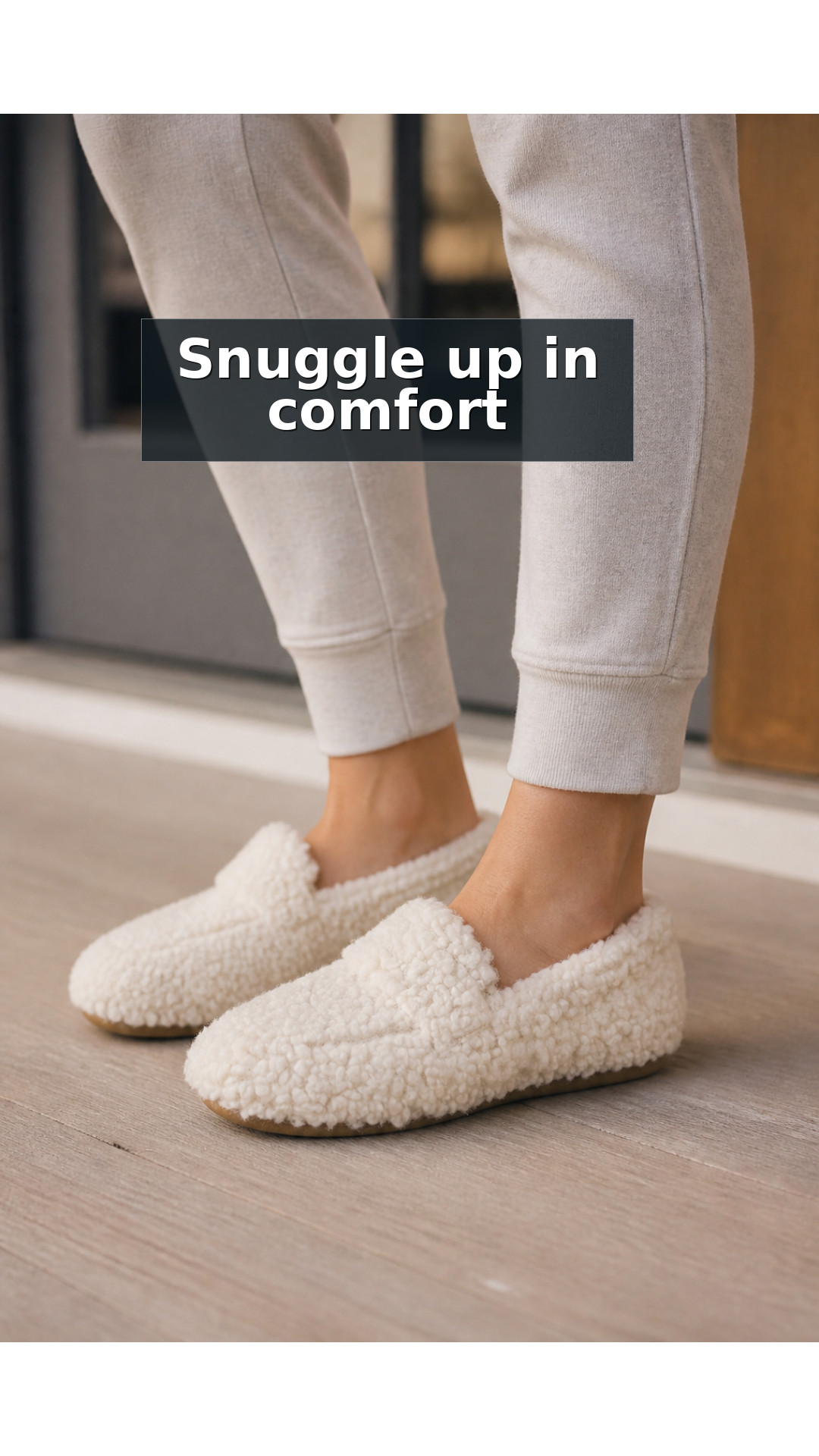
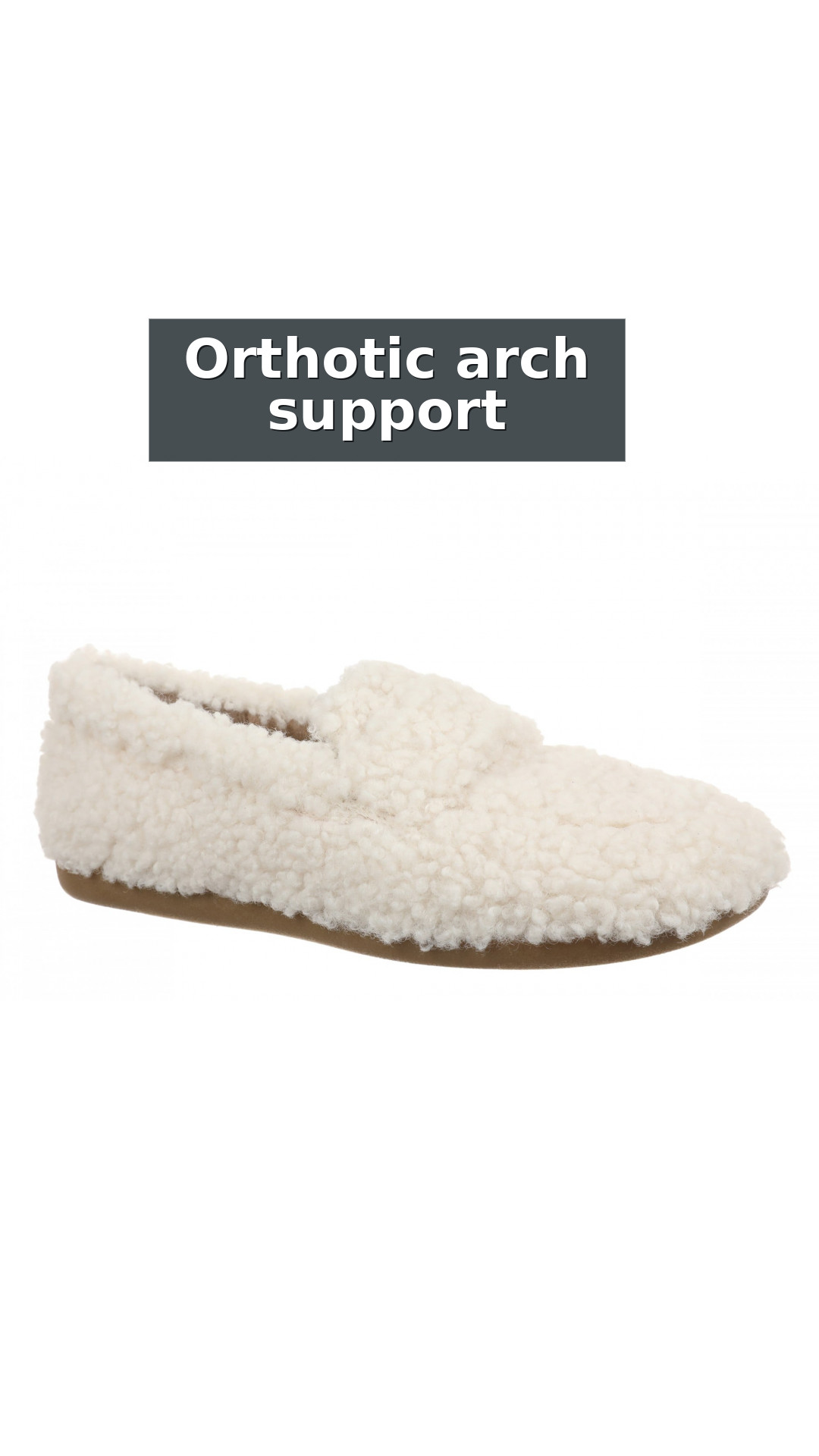
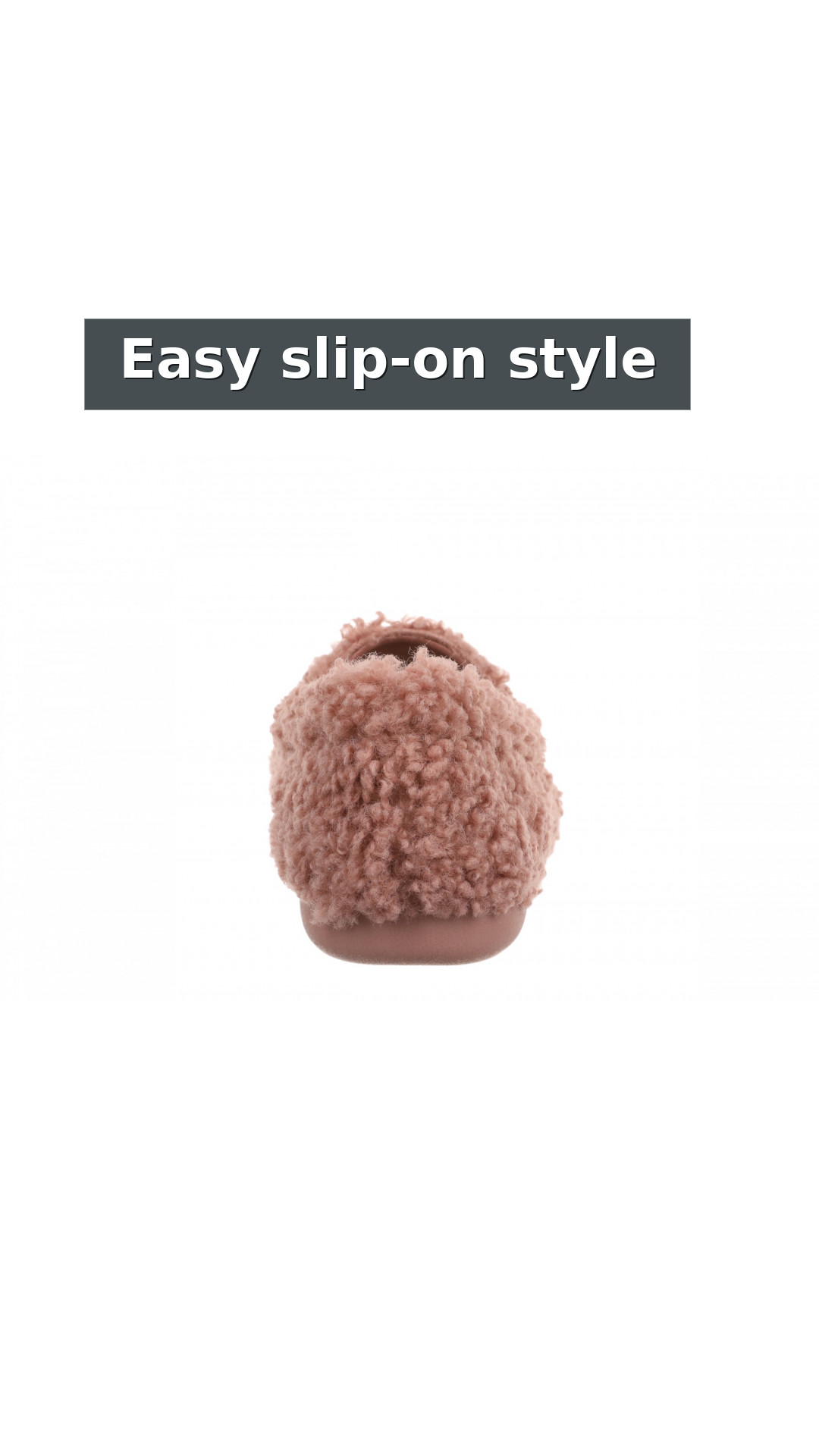
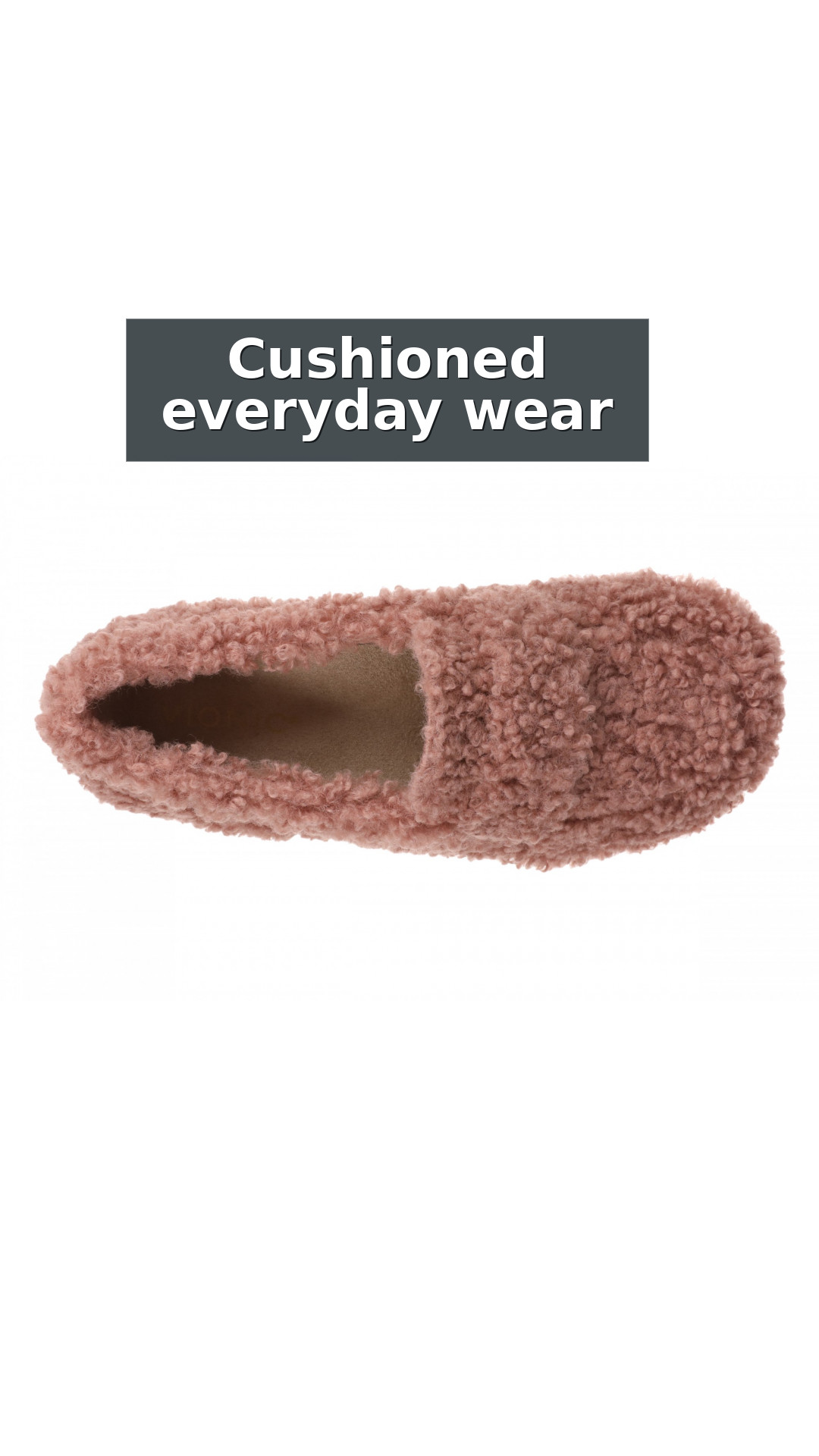
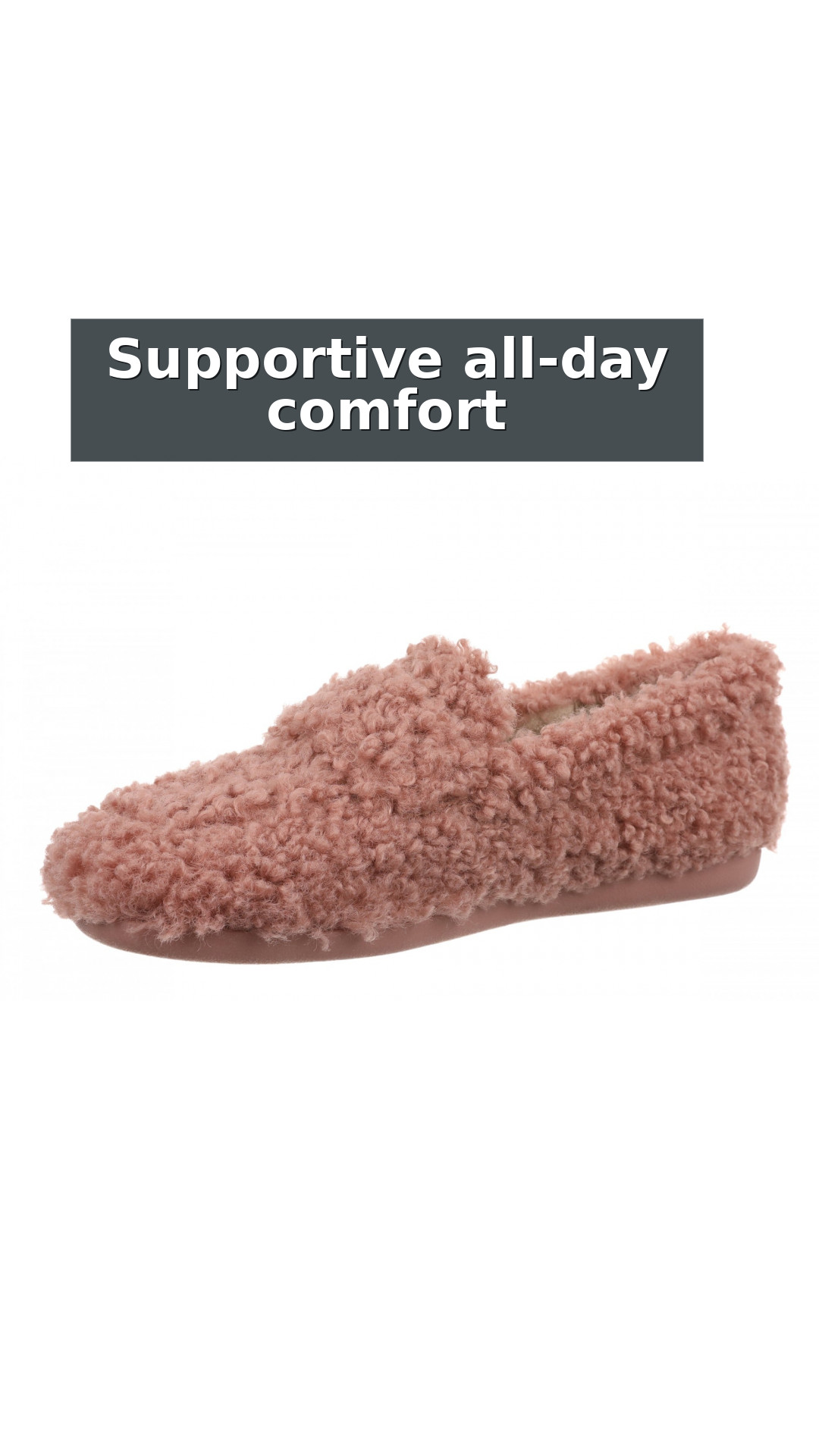
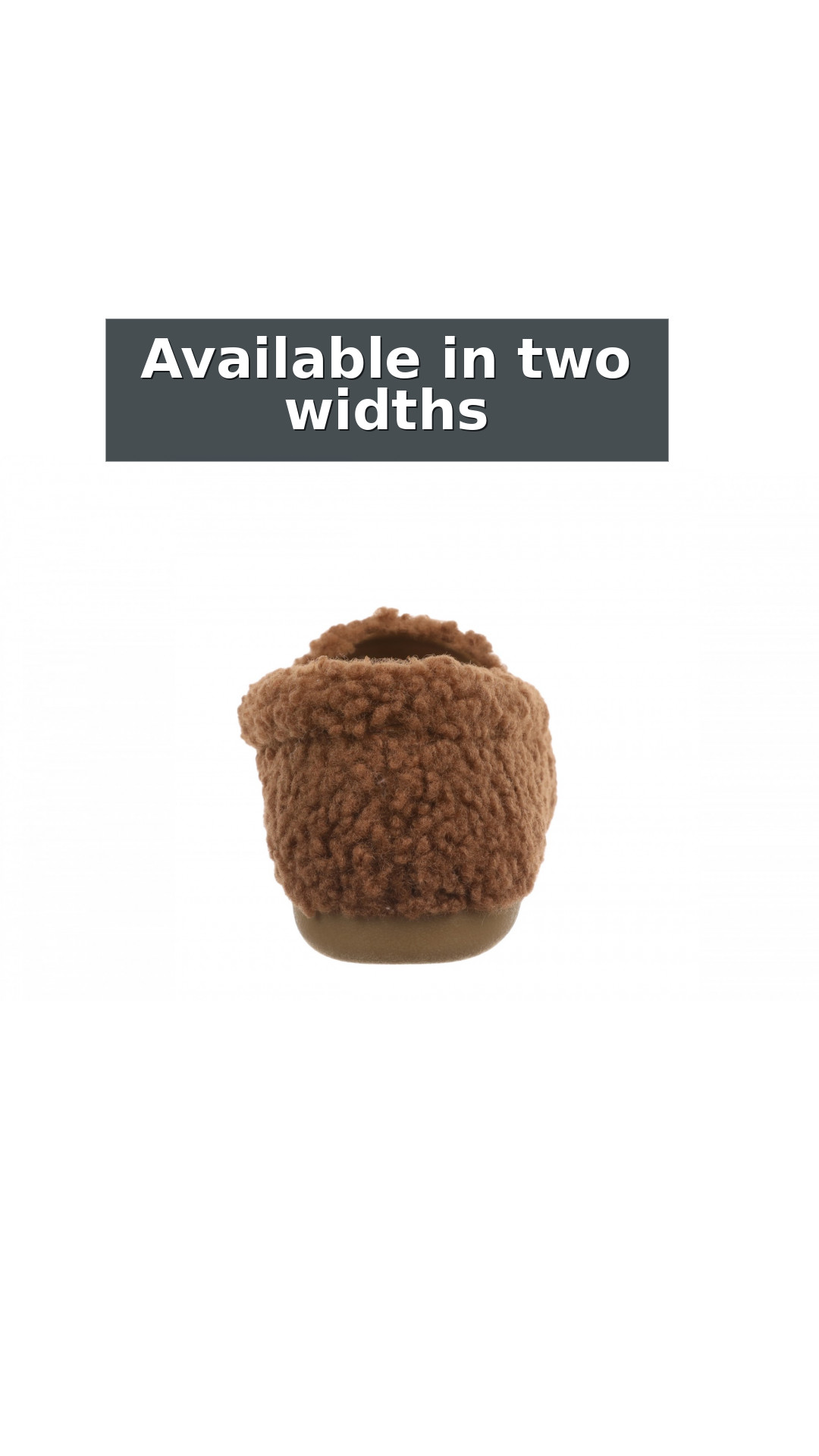
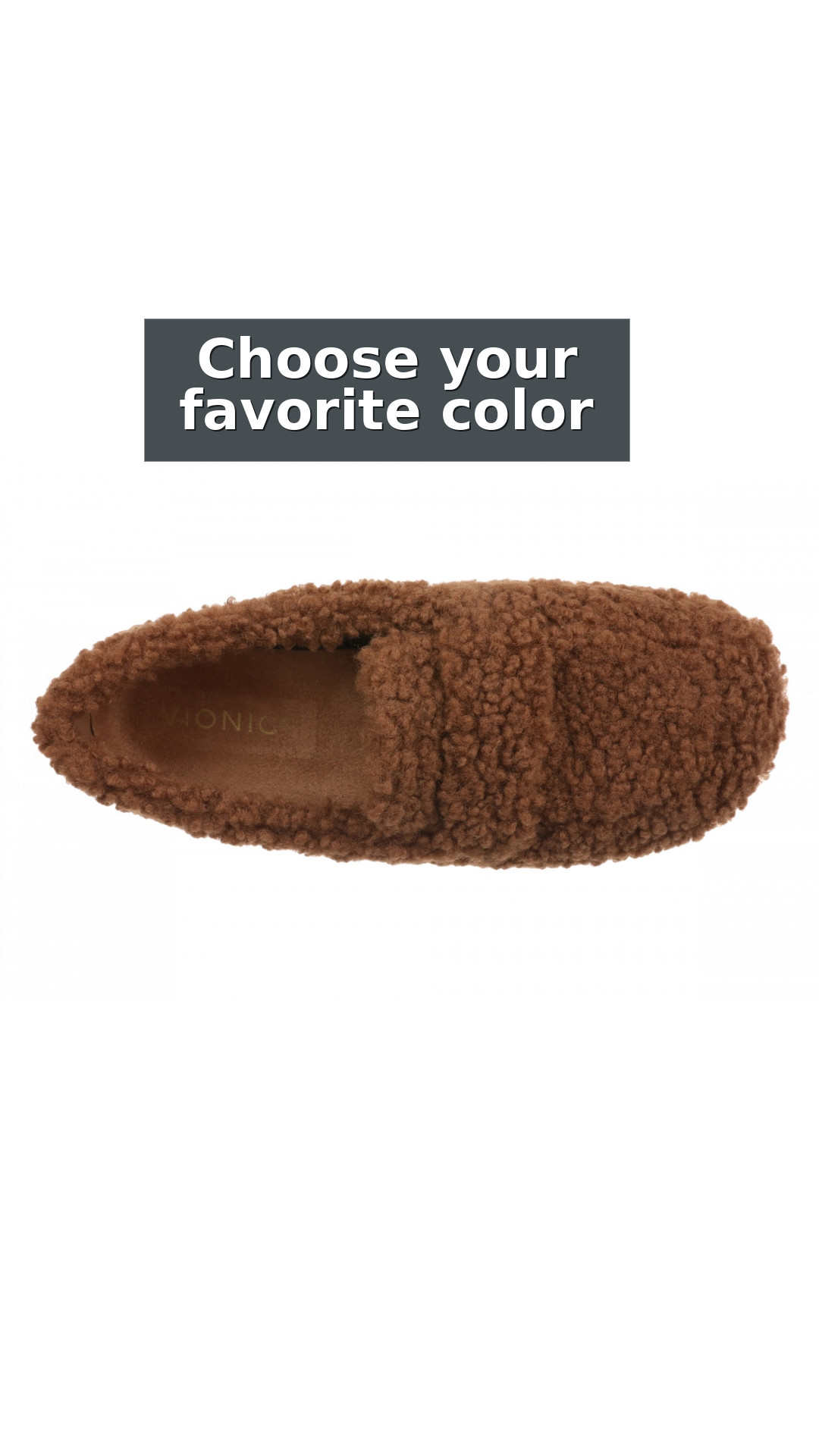
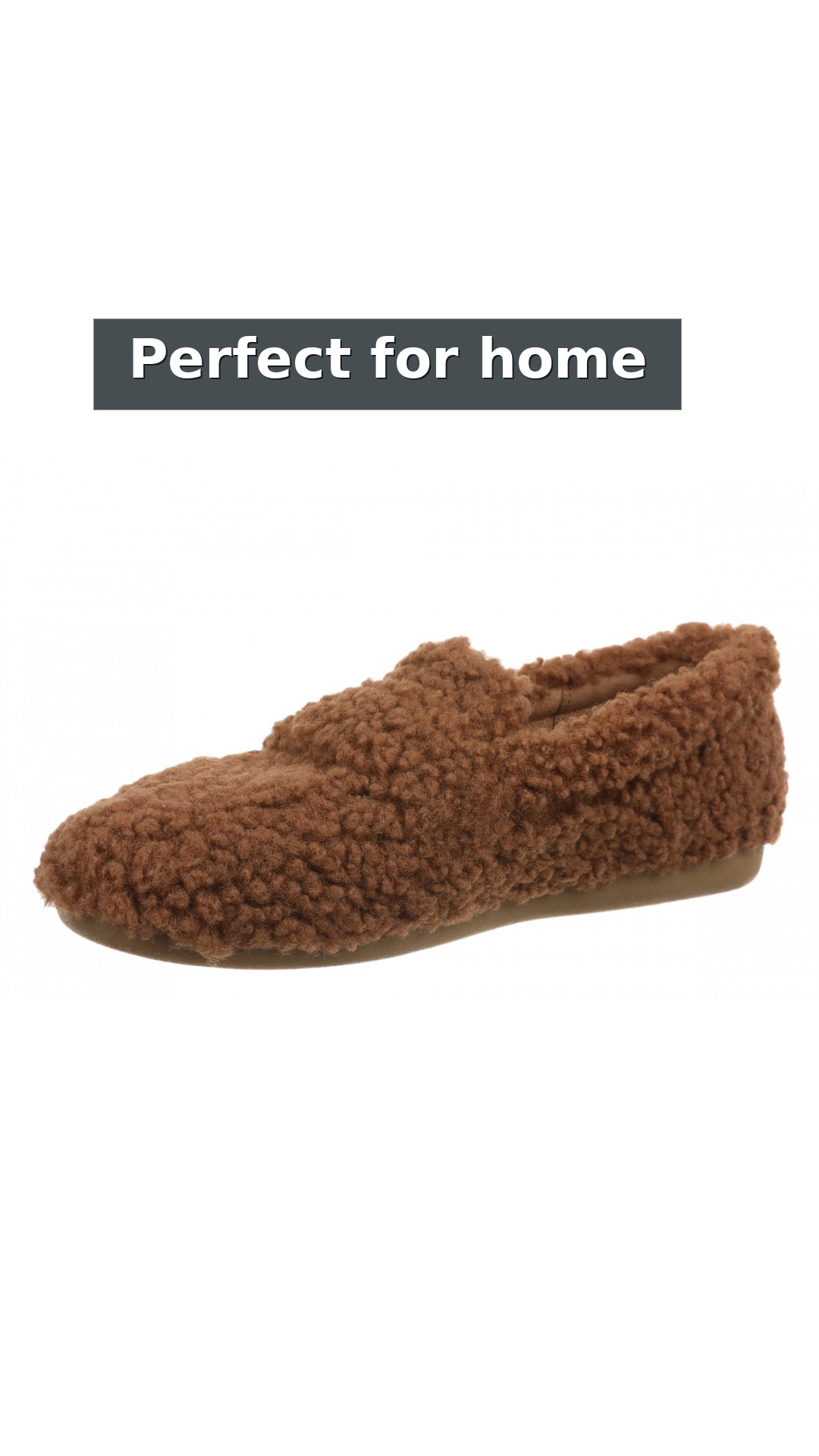
Vionic Snuggle Slipper Women's Comfort Orthotic Arch Support Indoor Outdoor Slippers · $71.45 · Shop this product · Open full Shop Grid