
The most useful insole is not necessarily the thickest or firmest. It must match the wearer’s arch profile, shoe volume, activity, and any professional recommendation. These ten categories provide a practical comparison framework.
Insoles by activity
- Walking insoles balance support and everyday cushioning.
- Running insoles fit athletic footwear and repetitive motion.
- Work insoles prioritize prolonged standing and durable materials.
- Dress insoles use lower-volume profiles for tighter shoes.
Insoles by support profile
- Low-arch insoles use contours intended for flatter profiles.
- High-arch insoles aim to meet a higher arch without creating a pressure point.
- Heat-moldable insoles allow limited shaping according to product instructions.
Insoles by comfort need
- Cushioned insoles emphasize softness and shock absorption.
- Metatarsal-support insoles include forefoot contouring that must be positioned correctly.
- Condition-specific or prescribed orthoses address needs identified by a qualified professional.
Check shoe compatibility
Remove the factory liner when instructed and ensure the replacement does not crowd toes or lift the heel. Compare orthotics and insoles, athletic insoles, and dress insoles by dimensions as well as claims.
New pain, numbness, skin changes, or a diagnosed condition warrants professional guidance rather than trial-and-error inserts.
Featured picks


Style and product inspiration
Swipe through this Shop Grid.
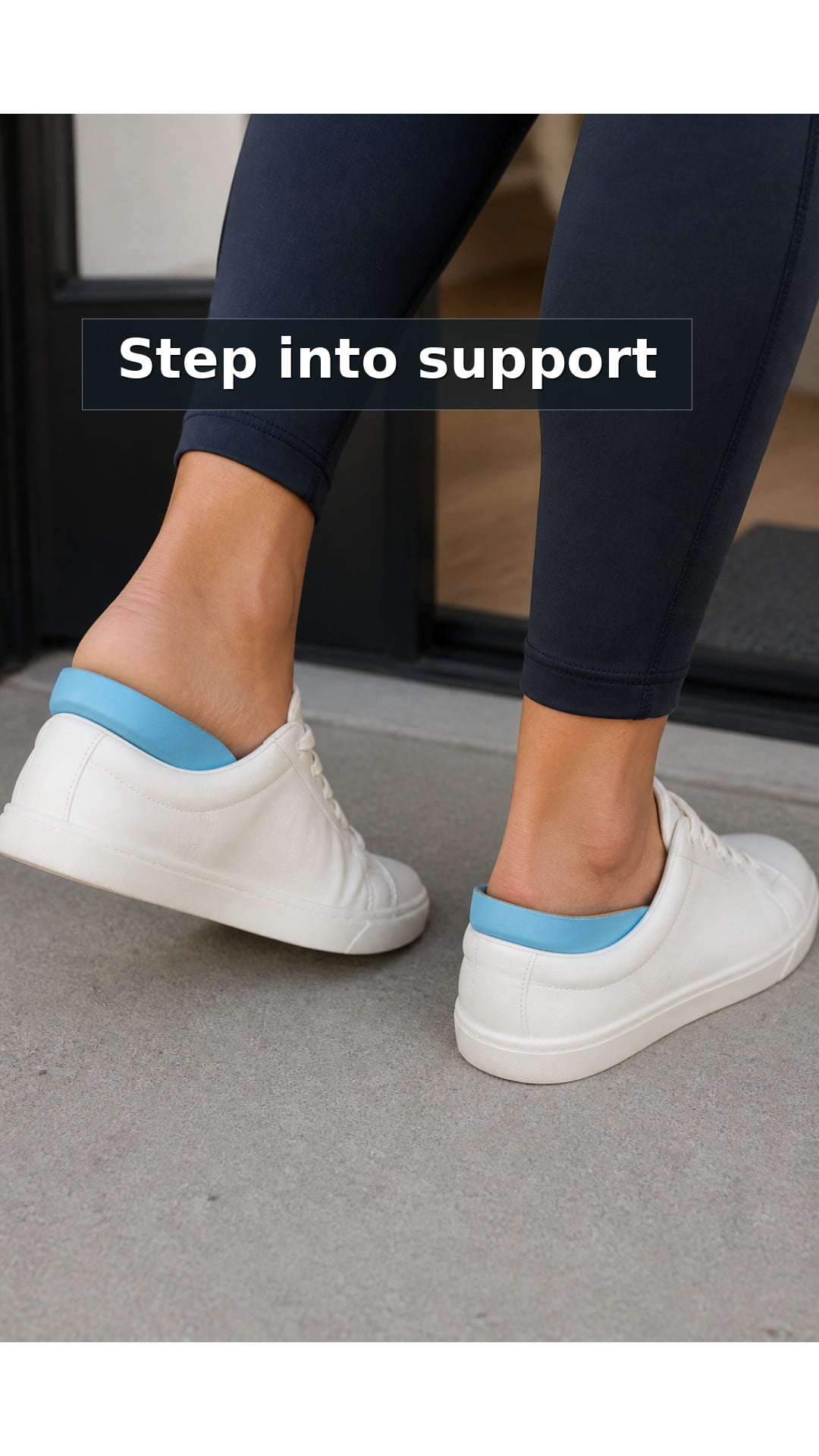
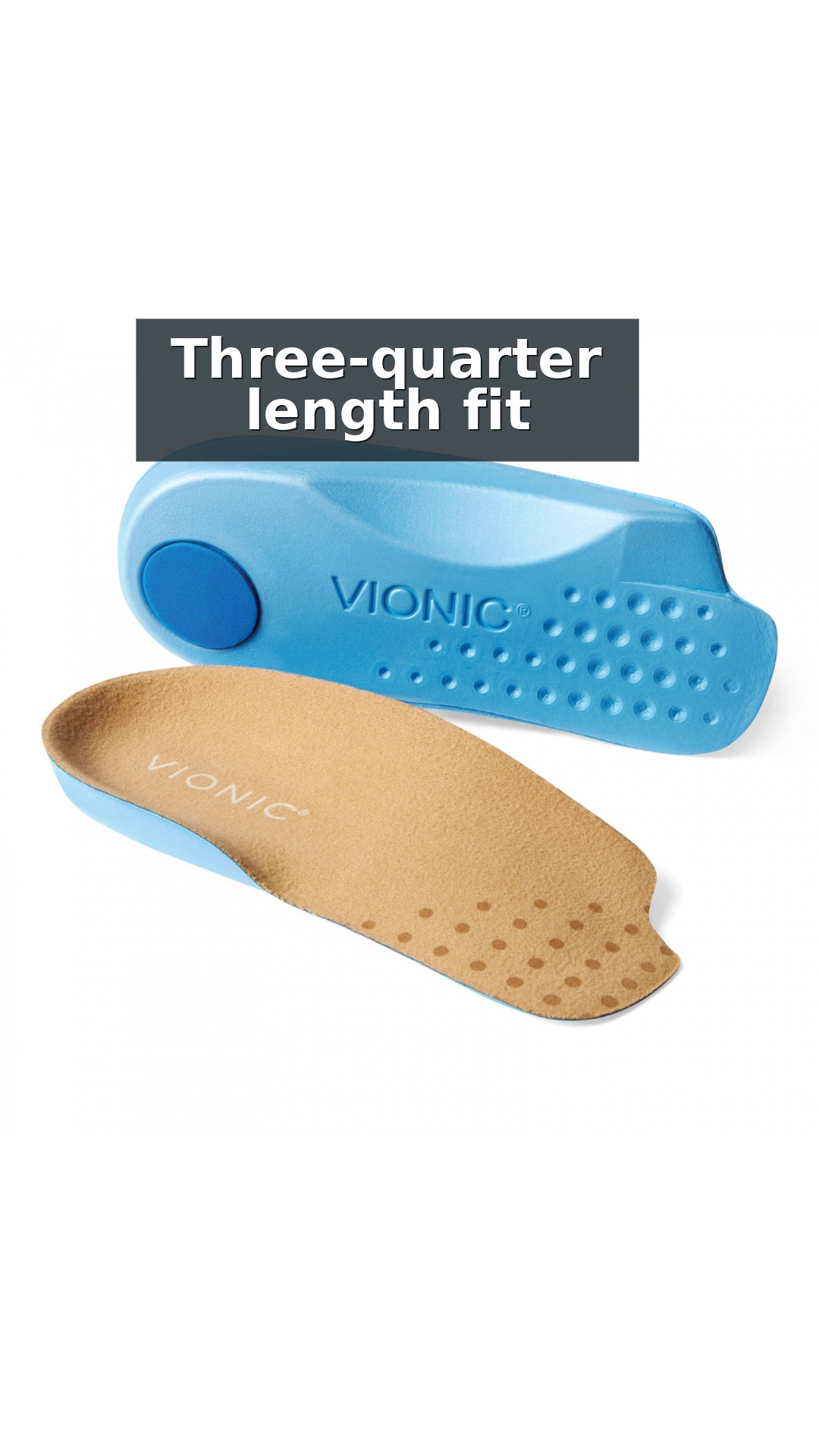
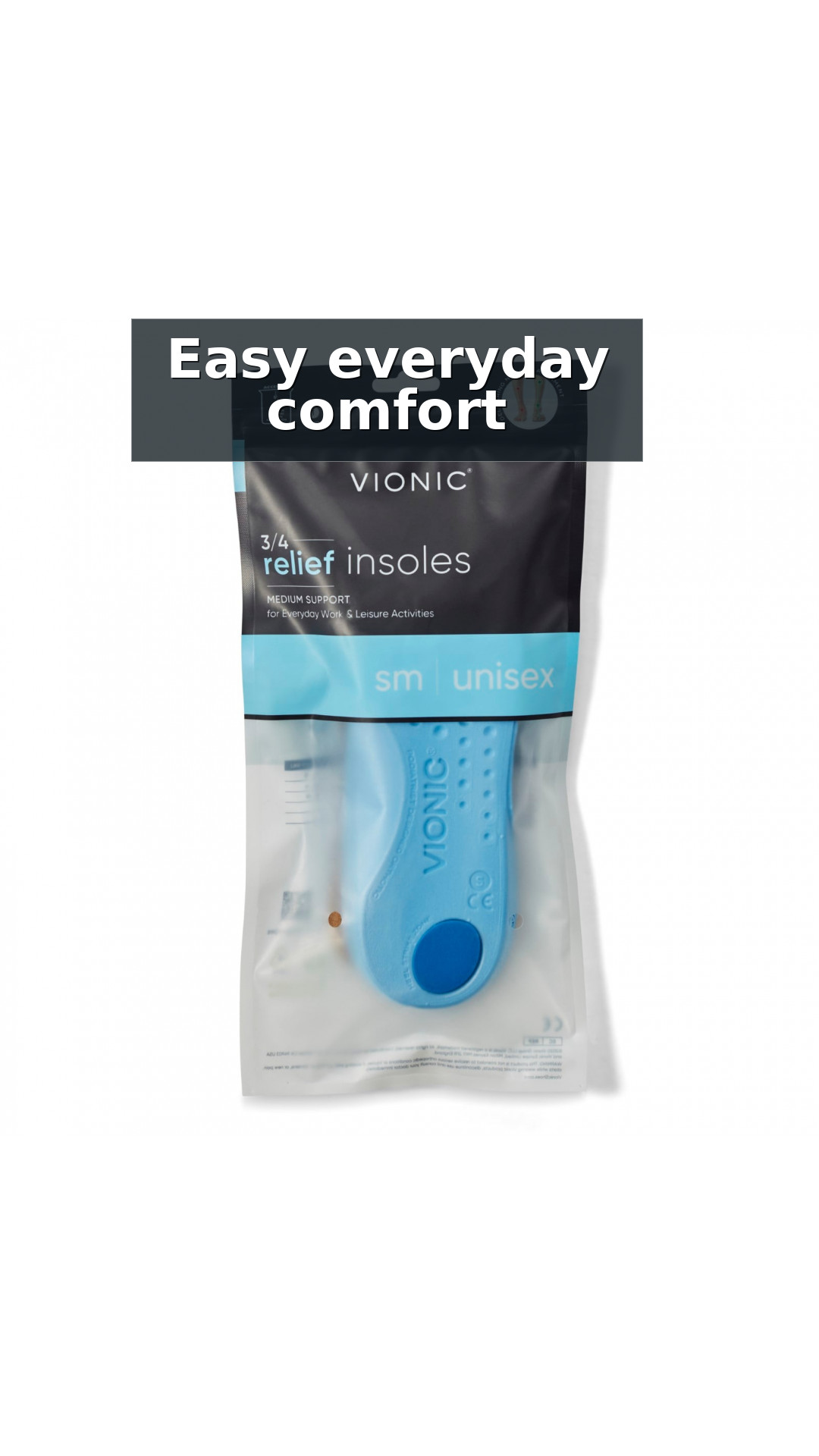
Vionic Relief Unisex 3/4 Length Orthotic Insole · $34.50 · Shop this product · Open full Shop Grid