
The old stereotype of orthopedic footwear as bulky and clinical no longer describes the entire category. Supportive features now appear in athletic sneakers, clean leather casuals, sandals, boots, and slippers. Style is possible when fit requirements guide the search rather than being ignored.
Supportive features can be subtle
Removable footbeds, extra depth, firm heel counters, and multiple widths are often hidden within familiar silhouettes. Read construction details and inspect the inside of a shoe instead of judging support only by appearance.
Color and proportion shape the look
Neutral colors can make a substantial walking shoe easier to coordinate, while intentional color can turn it into the focus of an outfit. Match fuller shoes with balanced hems and use lower-profile styles when you want a lighter visual effect.
Choose the category that fits the occasion
A single shoe does not need to cover every setting. Consider a supportive sneaker for active days, a loafer or Mary Jane for work, and a structured sandal for warm weather. Explore Vionic shoes or multi-width Drew footwear for different approaches.
Fit is part of good style
A shoe looks better when the wearer can move naturally in it. Check toe room, heel security, width, and orthotic depth. Avoid sizing up solely to gain width, because that can create excess length and movement.
The most useful wardrobe is made of shoes you can actually wear. Start with the non-negotiable fit features, then select the color, material, and silhouette that feel like you.
Products to compare
These are shopping examples, not a ranking or medical recommendation. Features and fit vary by model. Listed options and prices can vary by size and stock; check each product's current details.


Style and product inspiration
Swipe through this Shop Grid.
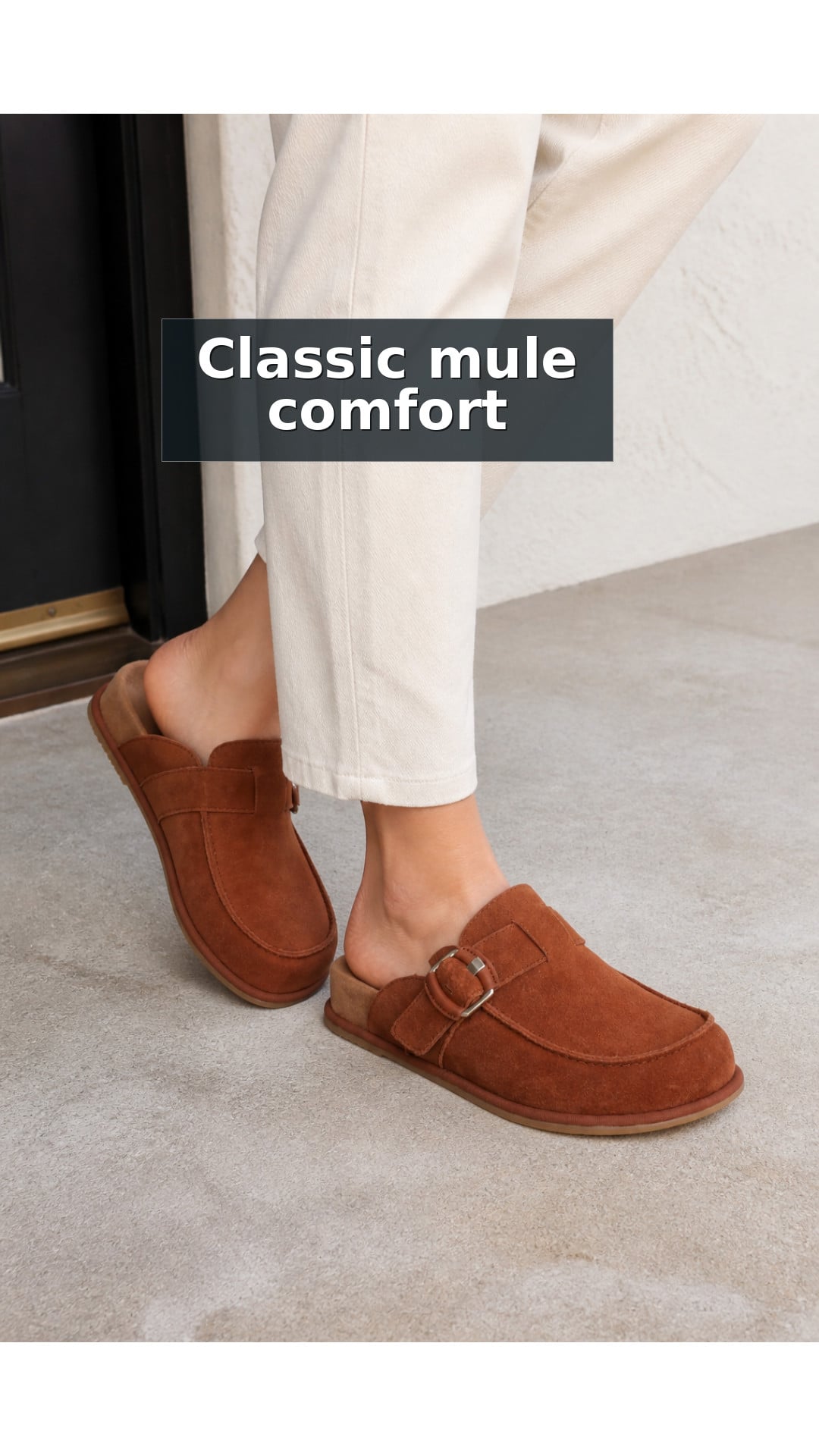
Classic mule comfort
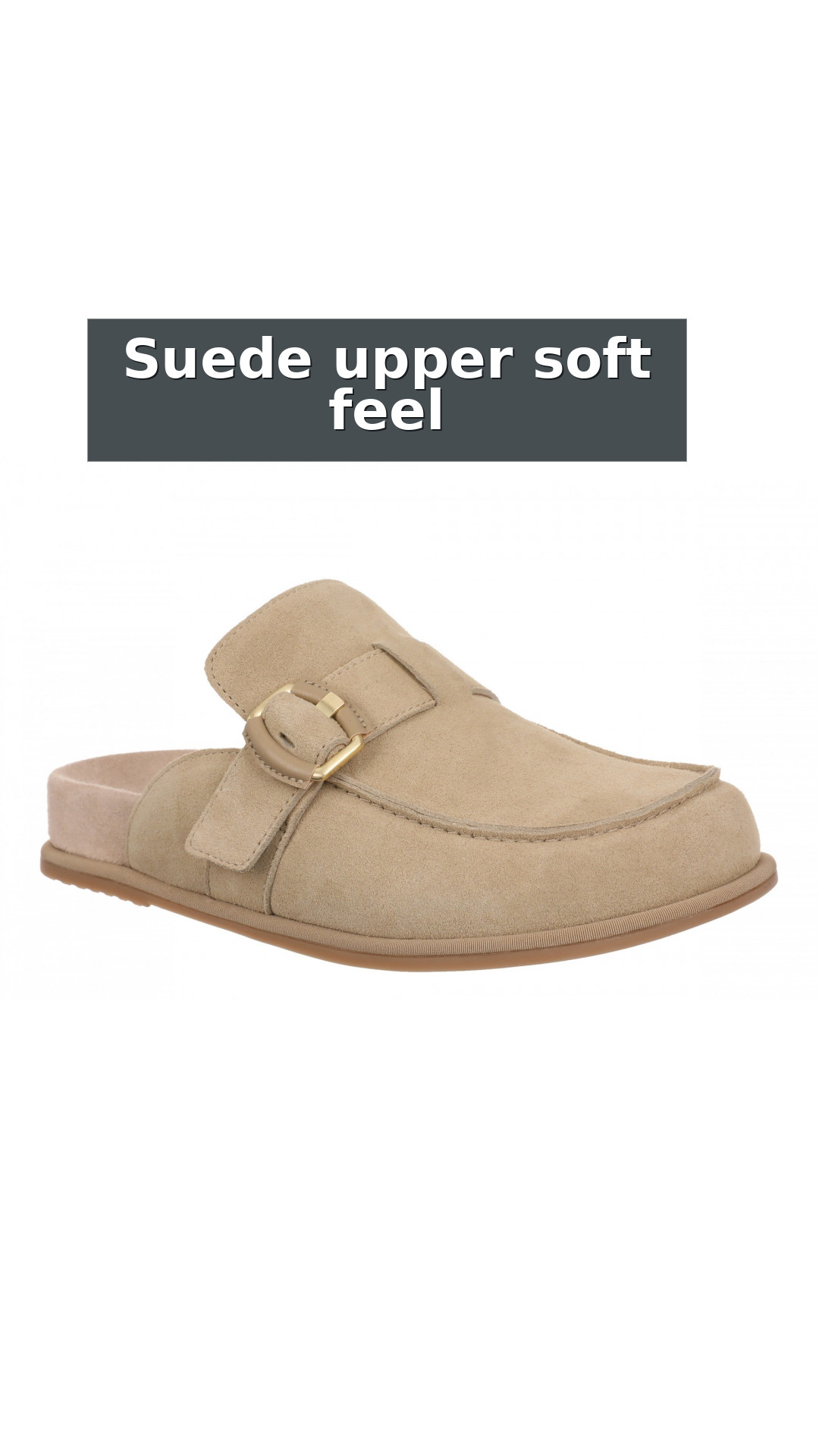
Suede upper soft feel
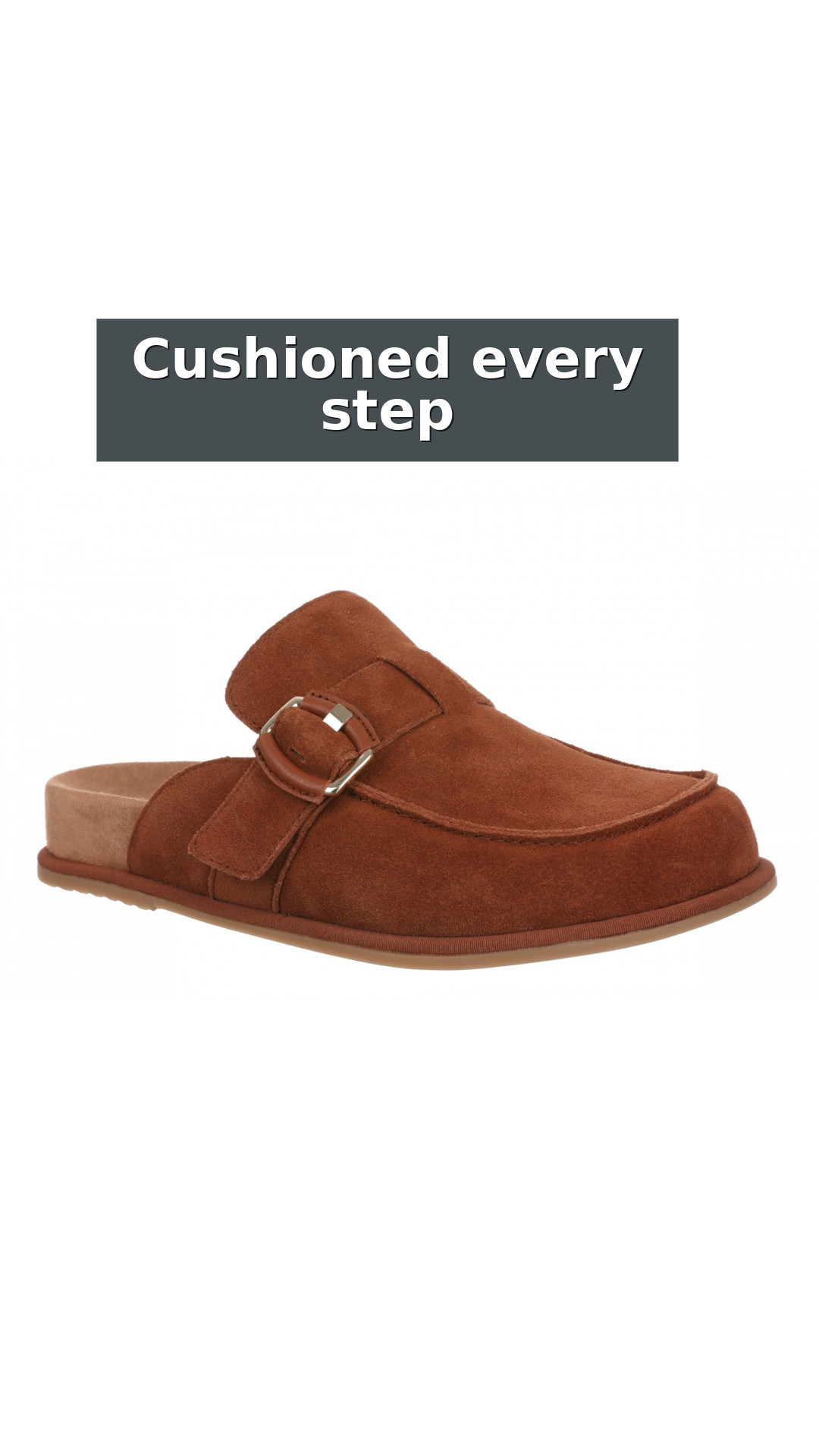
Cushioned every step
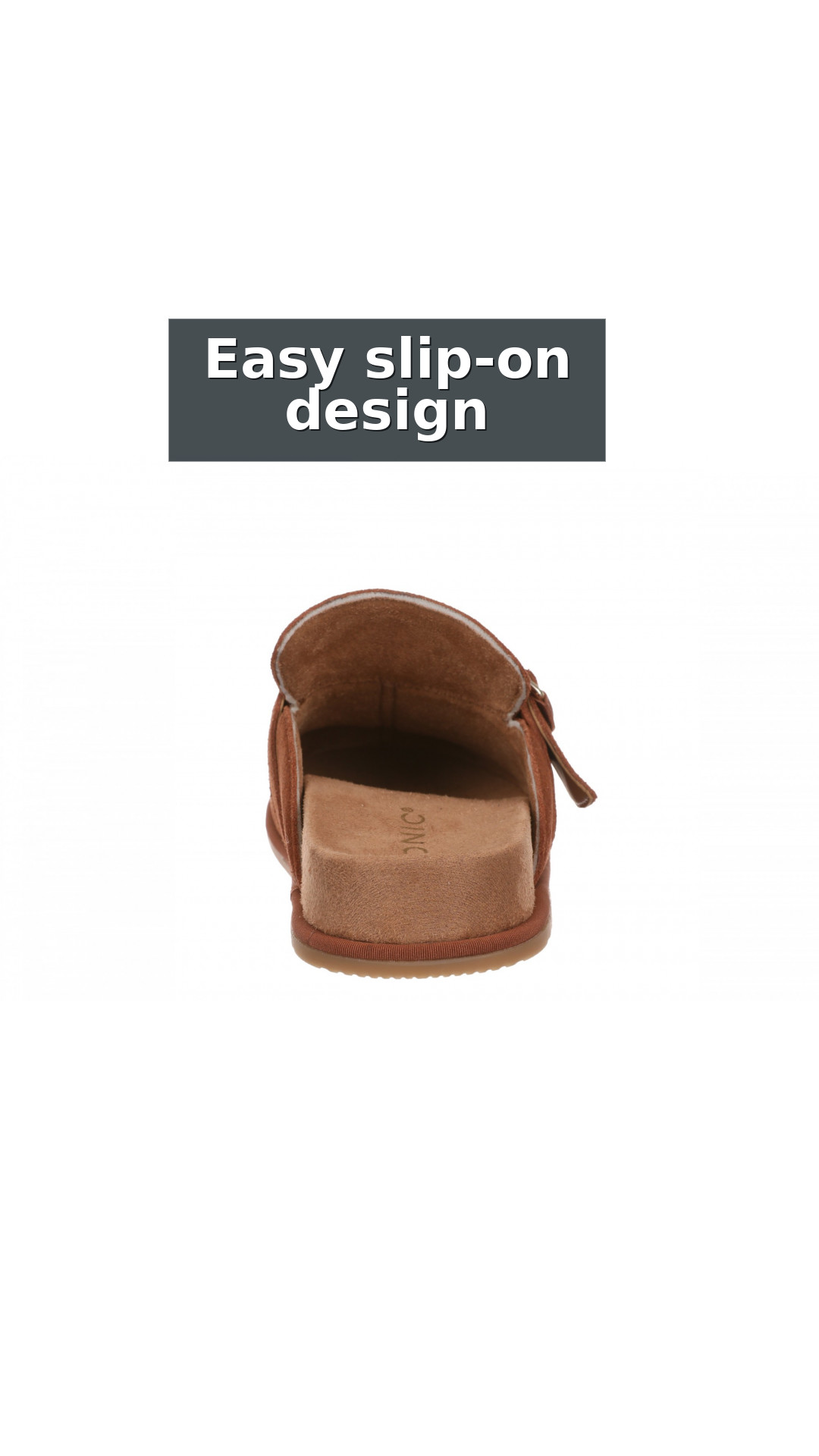
Easy slip-on design
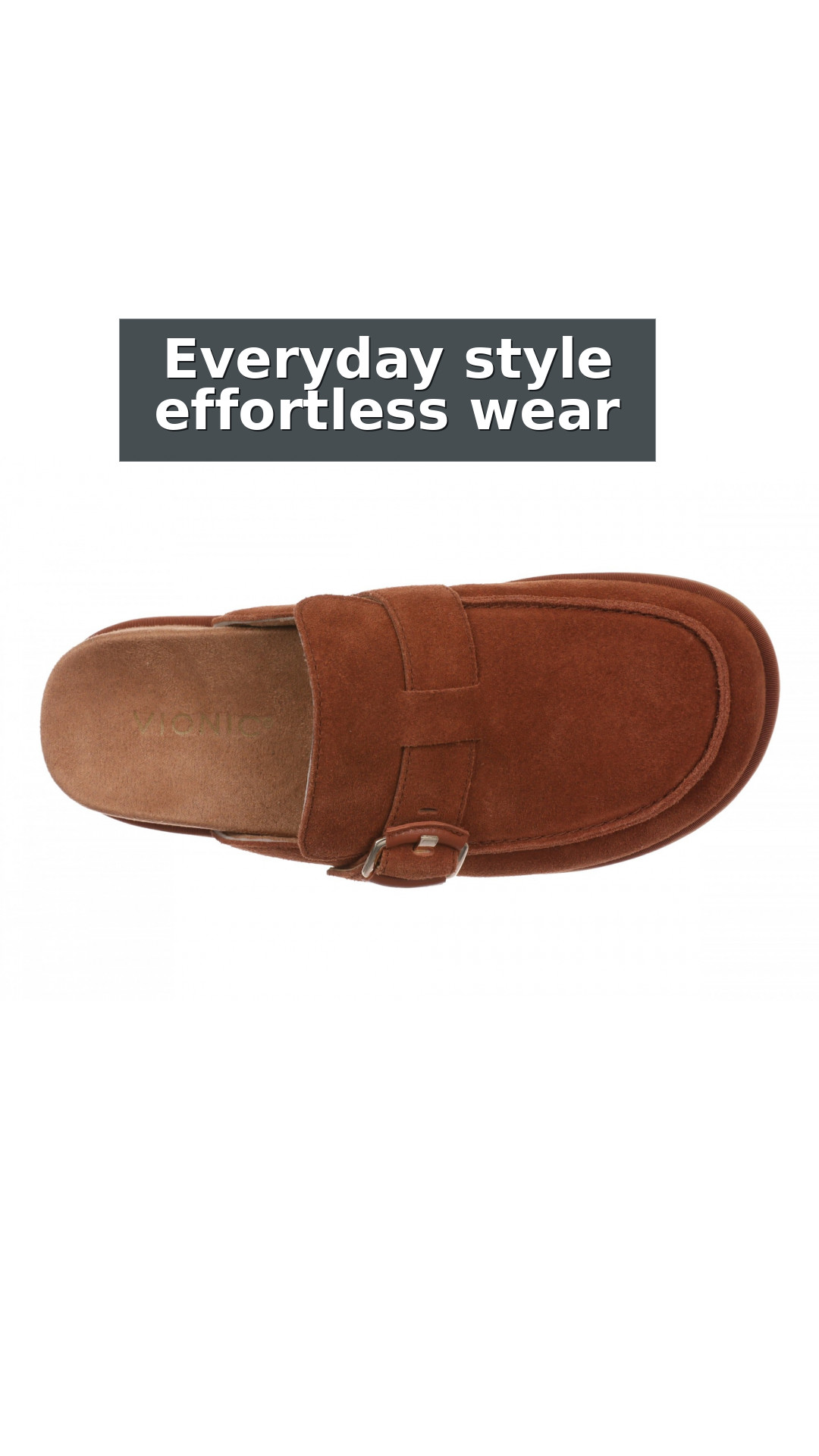
Everyday style effortless wear
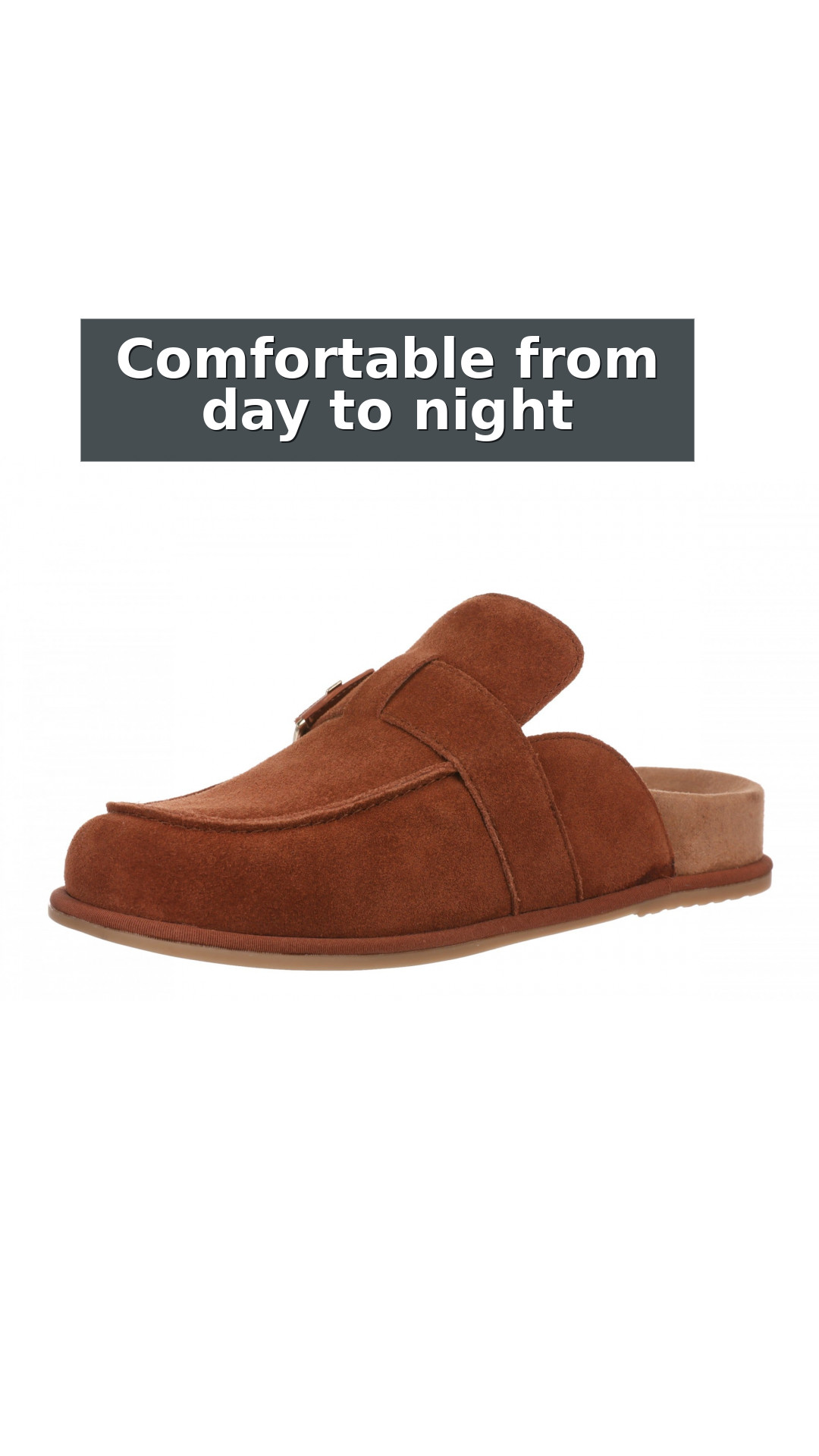
Comfortable from day to night
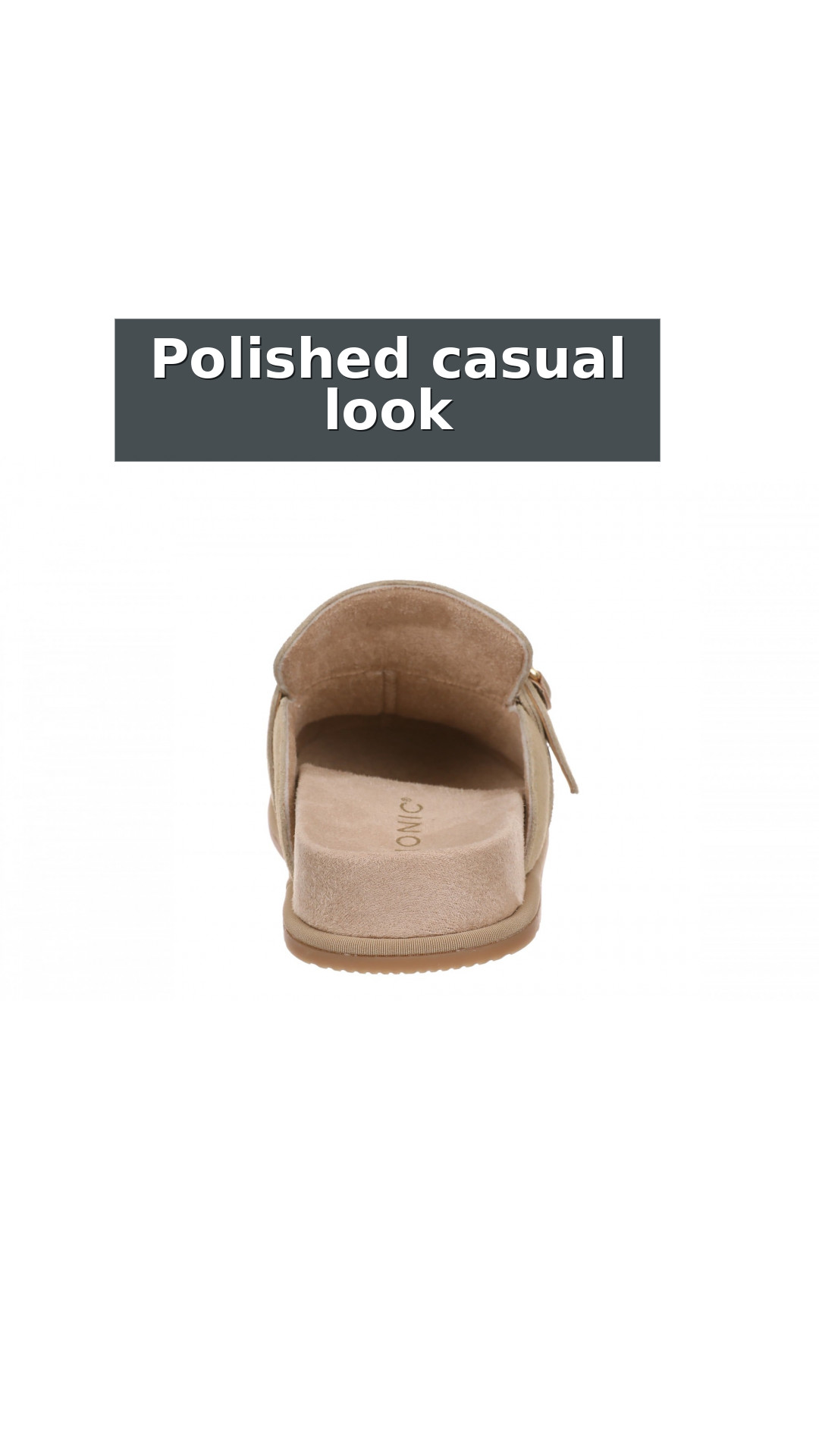
Polished casual look
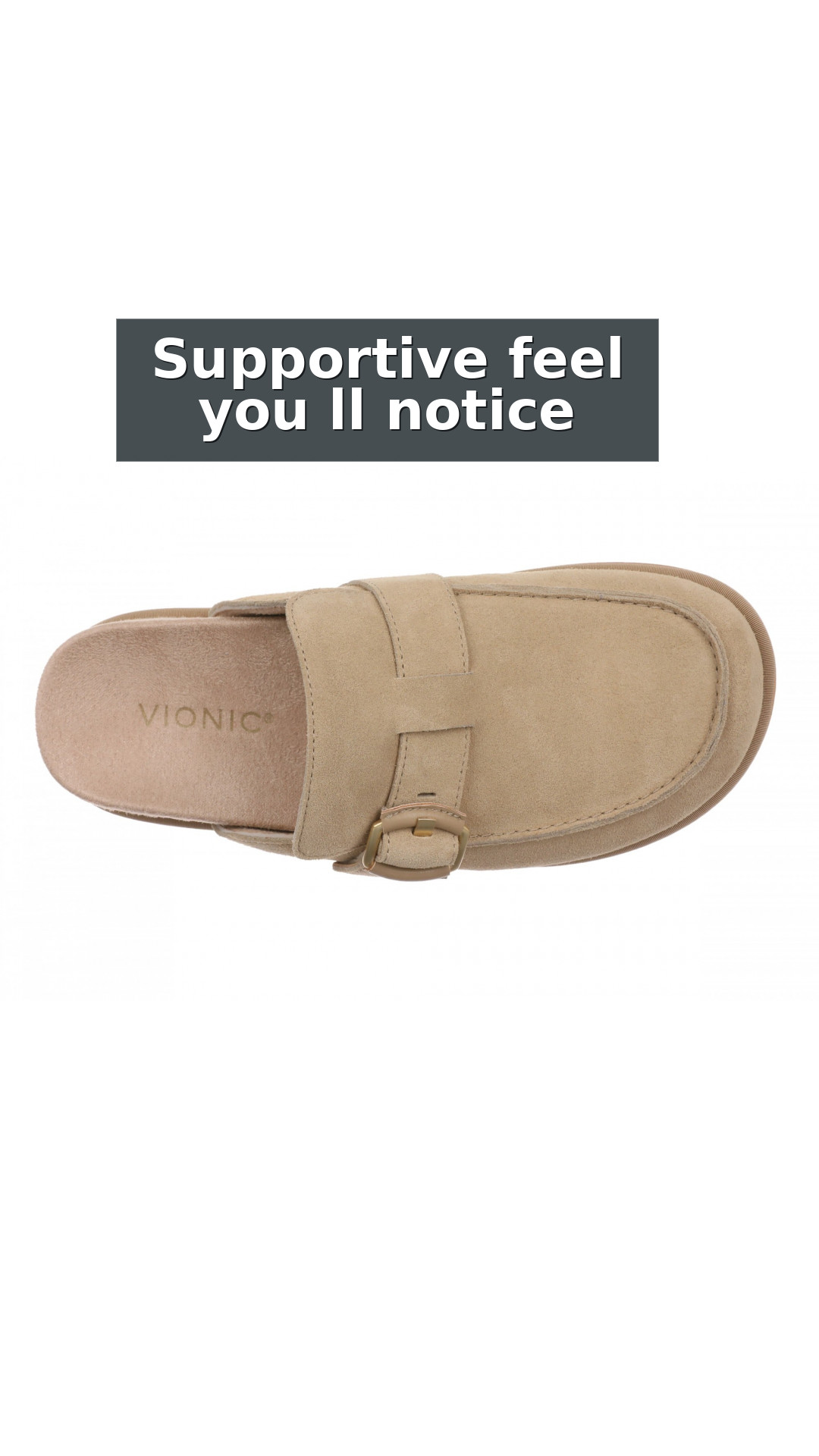
Supportive feel you ll notice
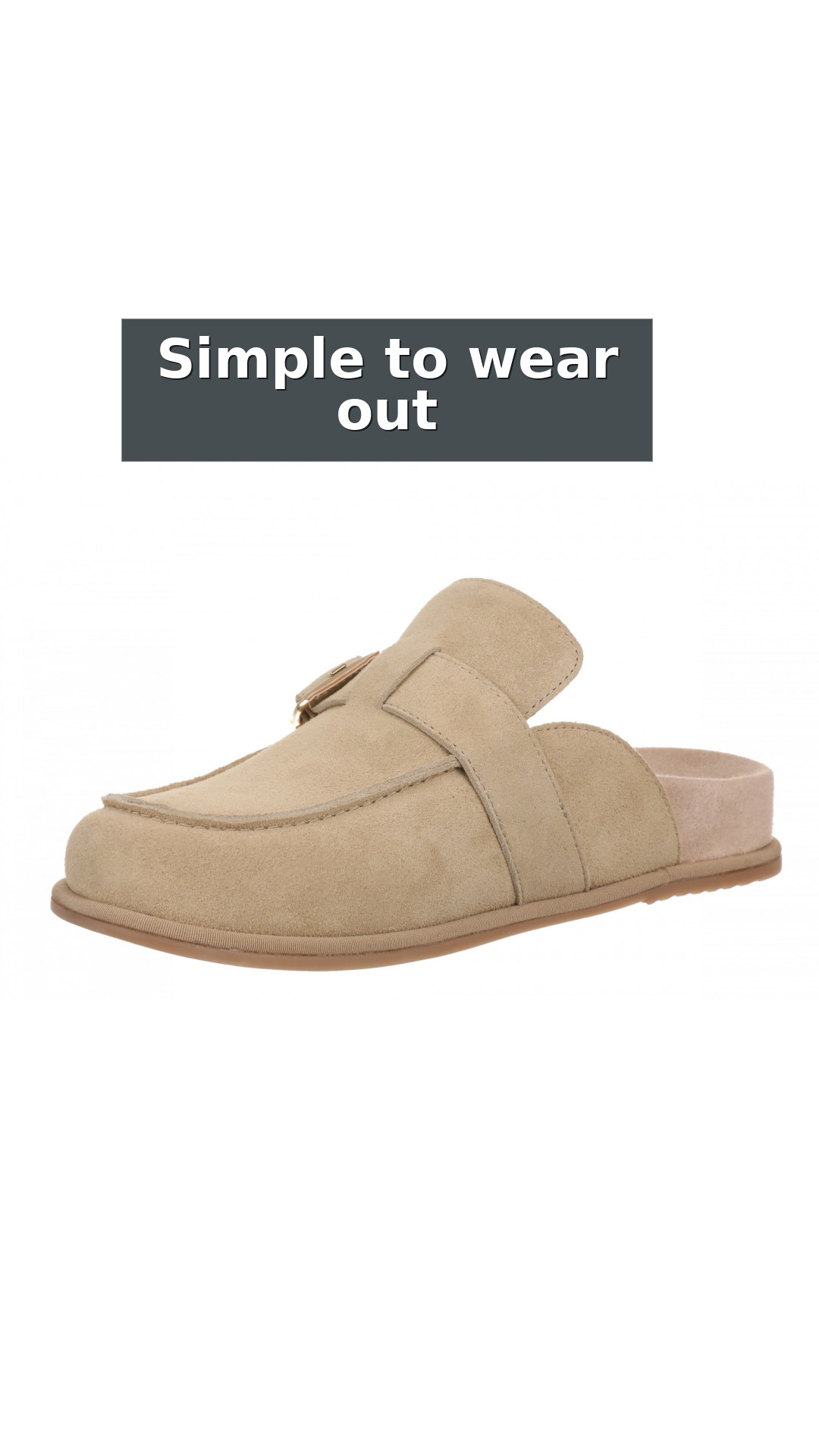
Simple to wear out
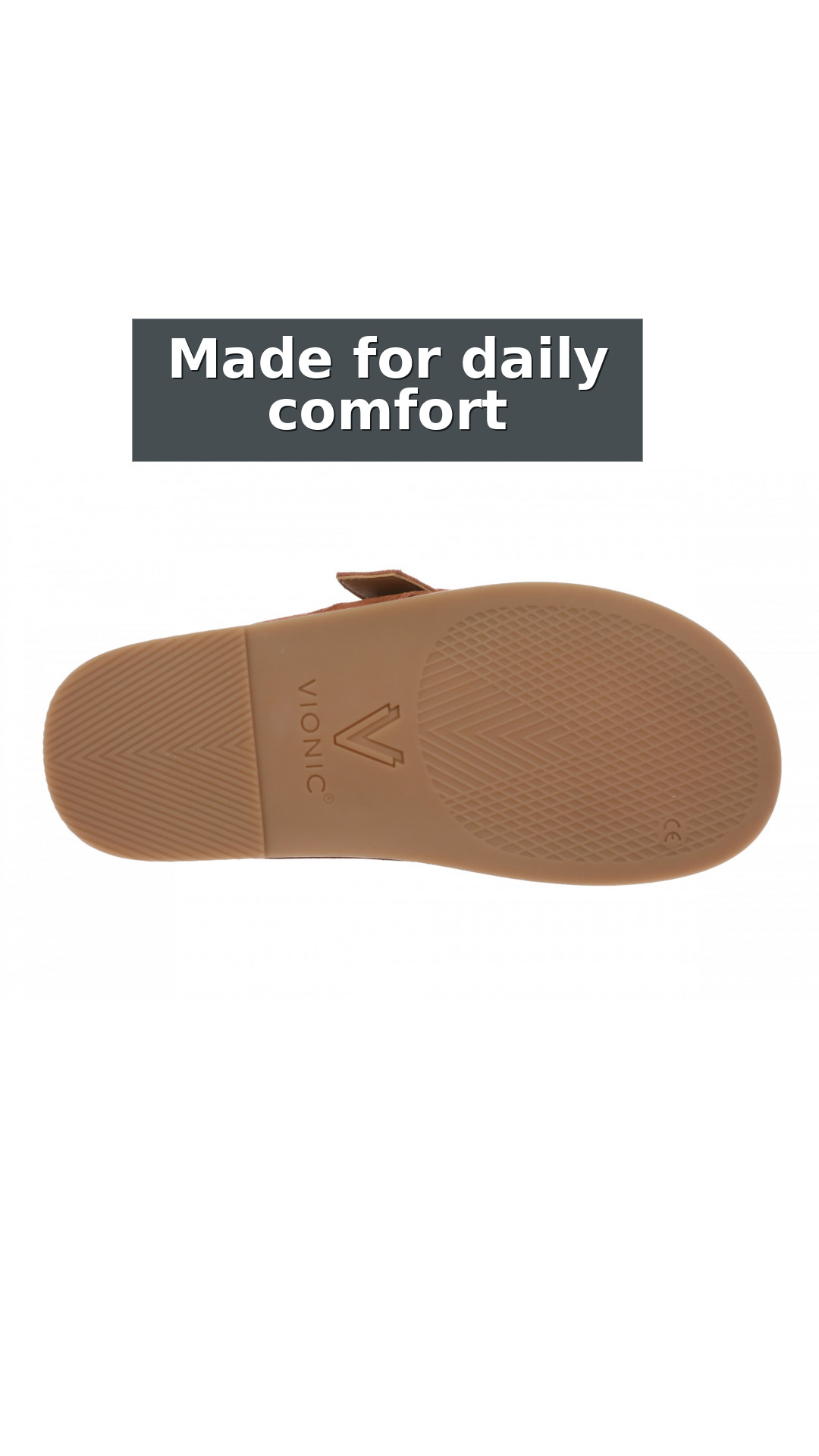
Made for daily comfort
Vionic Arroyo Women's Suede Cushioned Mule Clog · $149.95 · Shop this product · Open full Shop Grid