
Quick answer: A Letter of Medical Necessity (LMN) documents a clinician’s medical rationale for a particular shoe or insole. An administrator may ask for one to help assess an item’s medical purpose, but not every shoe or insole needs an LMN. A letter provides no assurance of eligibility, card acceptance, claim approval, reimbursement, or reimbursement of the full purchase price.
Before buying, ask your plan administrator about the exact item and any documentation it requires. If you are still comparing foot-care categories, start with Orthotic Shop’s HSA/FSA guide. This article focuses on what an LMN can explain and what to check before relying on one.
What does an LMN explain?
An LMN gives a clinician a way to explain the medical reason for recommending an item. For footwear or an insole, the central question is why that particular item is relevant to medical care, rather than whether its listing uses words such as “orthopedic,” “supportive,” or “comfort.” A removable insole, cushioning, or arch-support marketing is not, by itself, evidence that an expense has a medical purpose.
Depending on the administrator’s procedures, documentation may need to identify the item and explain how its features relate to the person’s medical need. The administrator may specify a form or ask for particular details. Check those instructions rather than assuming a generic letter is enough. The clinician determines what medical rationale, if any, they can document; a shopper should not invent a diagnosis or write a medical conclusion for the clinician to sign.
An LMN is supporting evidence, not a way to change what a product is. It does not turn an everyday comfort purchase into a medical expense simply because a clinician provides a letter. Conversely, an ordinary-looking label does not settle every case: the exact item, its medical purpose, and the applicable account rules all matter.
Do shoes and insoles follow the same documentation rules?
Not necessarily. Documentation depends on the exact product, its medical purpose, and the account’s rules. Some medical-purpose orthotic inserts may be recognized under an administrator’s listed procedures, while a particular shoe may call for additional evidence. That is not a general ranking of inserts versus footwear, or a promise that every product in either category qualifies.
For example, the FSAFEDS Health Care FSA expense list separately lists orthotics and orthopedic inserts as eligible with a detailed receipt under its procedures. For orthopedic shoes, its listed procedures call for a doctor-signed LMN, a detailed receipt, and proof of the cost difference between prescription orthopedic and nonspecialized shoes. These are one administrator’s classifications and procedures, not rules for every account, shoe, or insole. Ask your own administrator how it treats the item you intend to purchase.
FSAFEDS also describes practitioner documentation for certain dual-purpose items under its documentation procedures. This illustrates why an administrator’s instructions may specify what the practitioner needs to address and which format it accepts. It does not mean every shoe or insole is a dual-purpose item, or that every claim requires that kind of letter.
Could only part of a shoe’s cost be considered?
Possibly. IRS Publication 502 discusses medical purpose for personal-use items and describes a potential excess-cost approach when a special form of an ordinary item is purchased for a disability. The FSAFEDS orthopedic-shoe procedure is an example of an administrator requesting a comparison with a nonspecialized shoe. Neither source establishes one cost rule for every footwear purchase or means that the full purchase price qualifies.
If you are considering specialized shoes, ask whether a cost comparison applies to that exact product. If it does, ask what comparison the administrator accepts and how it should be documented. This is worth resolving before purchase if the potential amount matters to your decision; do not guess an ordinary-shoe price or assume the amount paid is the amount considered.
Pre-purchase questions for your administrator
Have the product information ready when you ask. These are questions to check, not universal requirements:
- Exact product: How do you classify this particular shoe or insole for my account? Is an LMN relevant or required for it?
- Clinician and form: If a letter is needed, which clinician credentials do you accept? Do you require a specific form or another format?
- Medical explanation: What must the clinician explain about the item’s medical purpose? Should the documentation identify the exact product or particular features?
- Purchase evidence: What receipt details or other purchase records do you require?
- Validity: Is there an applicable validity period or other timing instruction for this documentation?
- Cost comparison: Does this purchase require a comparison with an ordinary version? If so, what evidence of the difference do you accept?
If the administrator needs more product detail, provide the description of the item you are considering rather than relying on a category name. An answer about one item does not necessarily apply to another shoe or insole. If an LMN is requested, pass the administrator’s instructions to your clinician; the questions above are not a substitute for the clinician’s judgment.
Why keep both a letter and a receipt?
They answer different questions. An LMN explains a clinician’s medical rationale. A receipt records what you bought and what you paid. A purchase record cannot supply the clinician’s explanation, and a letter does not establish the transaction or its price. Keep the supporting records relevant to your purchase and follow your FSA plan administrator’s documented claim procedures.
For HSA spending, card acceptance or a custodian’s response does not, by itself, establish tax qualification. IRS Publication 969 describes the HSA/FSA account framework and the importance of retaining records that support qualified HSA expenses. It also addresses expenses already reimbursed or treated elsewhere for tax purposes. Retain your supporting records and consult a qualified tax adviser about your circumstances.
Where can you find more help?
If you are comparing insert categories, Orthotic Shop’s insole and orthotic eligibility article provides additional context. The HSA/FSA orthotics and insoles collection is a shopping starting point, not proof of eligibility for every listed product. Confirm the exact purchase with your administrator before relying on a collection label.
For payment, card, receipt, return, and reimbursement-process questions, use Orthotic Shop’s existing HSA/FSA Payments FAQ. The practical next step here is narrower: find out whether your administrator needs an LMN, what it should explain, and whether a cost comparison applies.
This article is general education, not individualized medical, tax, or legal advice. Publication 502 concerns itemized medical deductions; it is not, by itself, the rule for every HSA/FSA reimbursement decision. Confirm product eligibility and documentation with your plan administrator, and consult a qualified tax adviser for your circumstances.
Sources reviewed: October 5, 2026.
Products to compare
These are shopping examples, not a ranking or medical recommendation. Features and fit vary by model. Listed options and prices can vary by size and stock; check each product's current details.


Style and product inspiration
Swipe through this Shop Grid.
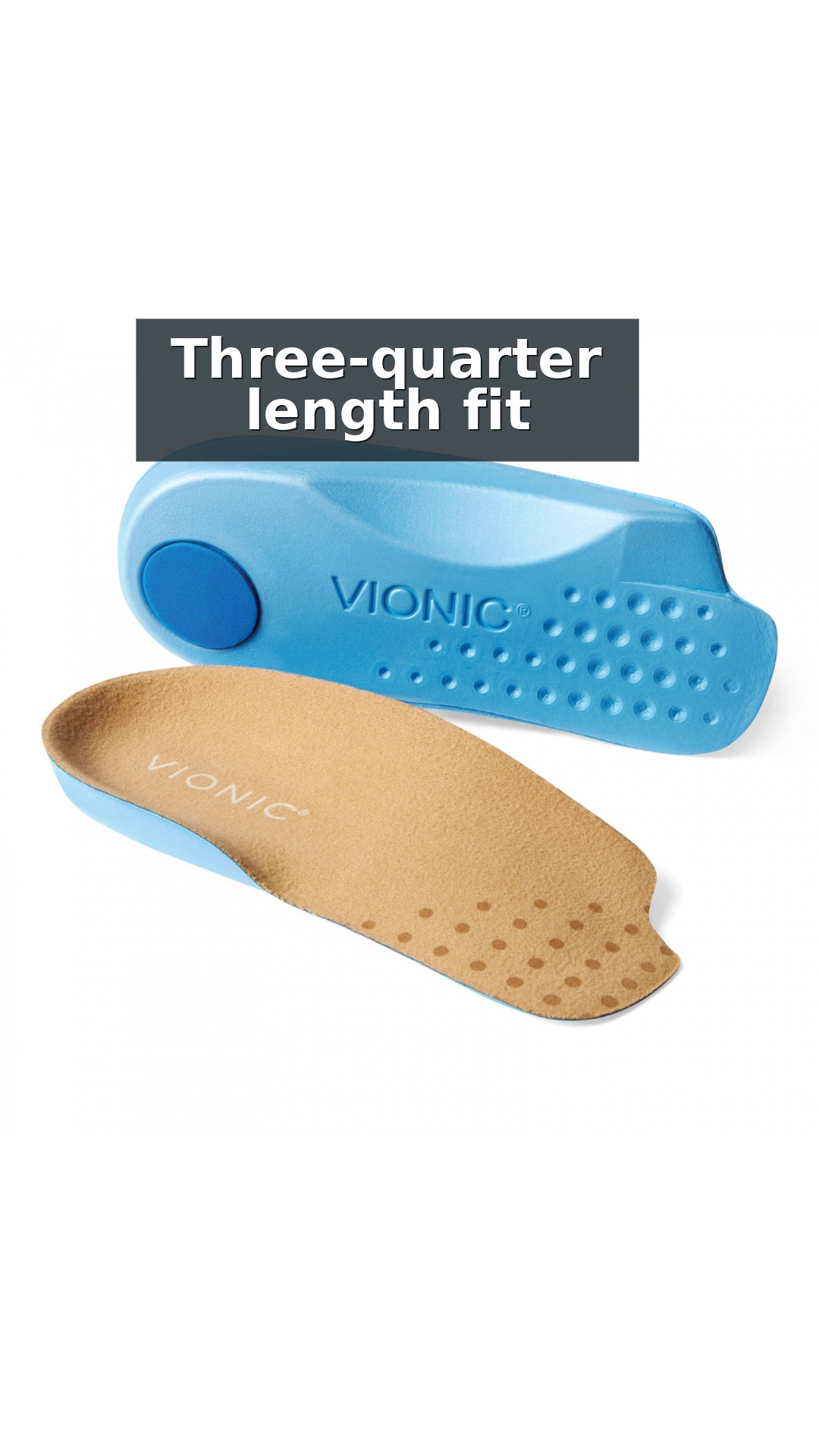
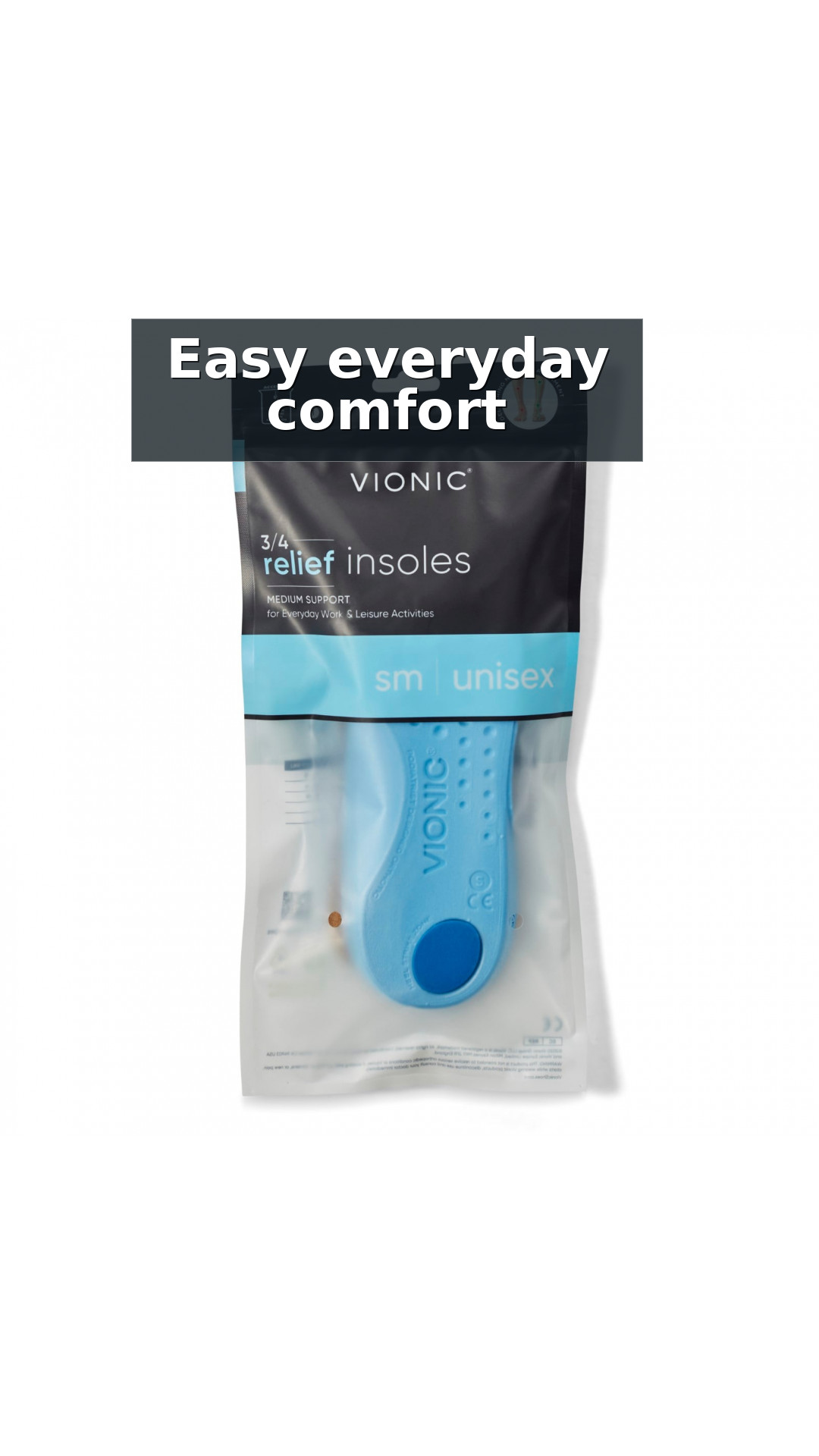
Vionic Relief Unisex 3/4 Length Orthotic Insole · $34.50 · Shop this product · Open full Shop Grid